Bruges Travel Guide: Navigating the Medieval Fairytale
Bruges stands as a remarkably preserved medieval city in northwest Belgium, captivating visitors with its winding canals, cobblestone lanes, and Gothic architecture. This comprehensive Bruges travel guide provides the essential insights for planning your visit, from navigating the historic center to discovering authentic local experiences beyond the main squares. You will learn the optimal times for a crowd-free experience, budget-friendly strategies for Belgium’s famed cuisine, and how to unlock the city’s timeless charm.
Essential Bruges Information
Known as the “Venice of the North,” Bruges is the capital of West Flanders. Its entire historic center is a UNESCO World Heritage Site, recognized for its intact medieval urban fabric. The city’s wealth blossomed in the 12th to 15th centuries from the cloth trade, funding the iconic belfry and lavish merchant homes.
Today, Bruges balances tourism with local life, offering more than just postcard views. English is widely spoken, and the compact layout makes it highly walkable. The local currency is the Euro (€), and credit cards are accepted almost everywhere, though having some cash for smaller vendors is wise.
What You Need to Know Before Visiting
Understanding a few key details will significantly enhance your stay in this Flemish city.
- The primary language is Dutch (Flemish), but English is universally understood in tourist areas, restaurants, and shops, making communication effortless for international travelers.
- The city is in the Central European Time Zone (CET, UTC+1) and observes Daylight Saving Time, shifting to CEST (UTC+2) from late March to late October.
- Belgium uses Type E electrical outlets with a standard voltage of 230V and a frequency of 50Hz; travelers from the US will need a power adapter and converter for most devices.
- Budget Traveler ($70-100/day): Stay in a hostel dorm, enjoy street food like fries or waffles, visit free sights like the Begijnhof and city walks, and limit paid museum entries to one or two key choices.
- Mid-Range Traveler ($150-250/day): This covers a private room in a central hotel or B&B, meals at traditional brasseries, entry to several major museums like the Groeningemuseum, and a canal boat tour.
- Luxury Traveler ($350+/day): Indulge in a stay at a historic luxury hotel, dine at acclaimed restaurants, hire a private guide for a walking tour, and perhaps enjoy a chocolate-making workshop.
- Official Visit Bruges Tourism Website
- Lonely Planet Bruges Travel Guide
- Official Belgian Rail Website (NMBS/SNCB)
Key Historical and Cultural Context
Bruges’ golden age as a commercial powerhouse is visible in its grand squares and waterways. The Market Square (Markt) has been the city’s commercial heart for centuries, dominated by the 83-meter-tall Belfry. Climbing its 366 steps rewards you with panoramic views that underscore the city’s precise layout.
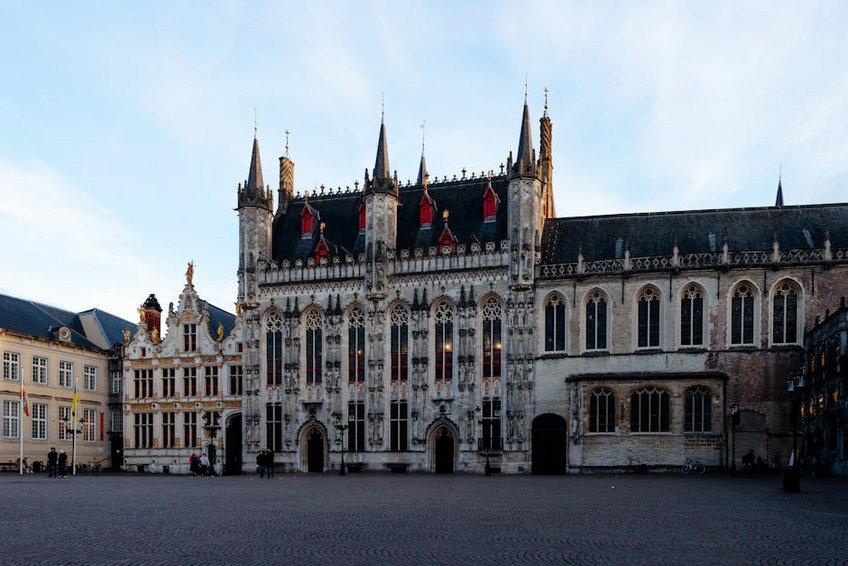
Meanwhile, the Burg Square showcases architectural evolution from Gothic to Renaissance. The Holy Blood Basilica here houses a revered relic, illustrating the city’s deep religious history. This blend of commerce, civic pride, and faith defines the urban landscape you explore today.
Visitor Logistics and City Layout
The historic center is encircled by a canal and can be crossed on foot in about 30 minutes. This makes getting lost part of the fun. Key landmarks like the Markt, Burg, and the Begijnhof act as perfect orientation points.
For longer distances, public buses are efficient, but the core experience is pedestrian. Consider comfortable walking shoes as essential gear for navigating the cobblestones. The train station, Brugge Station, is a 15-20 minute walk south of the Markt, well-signposted for arrivals.
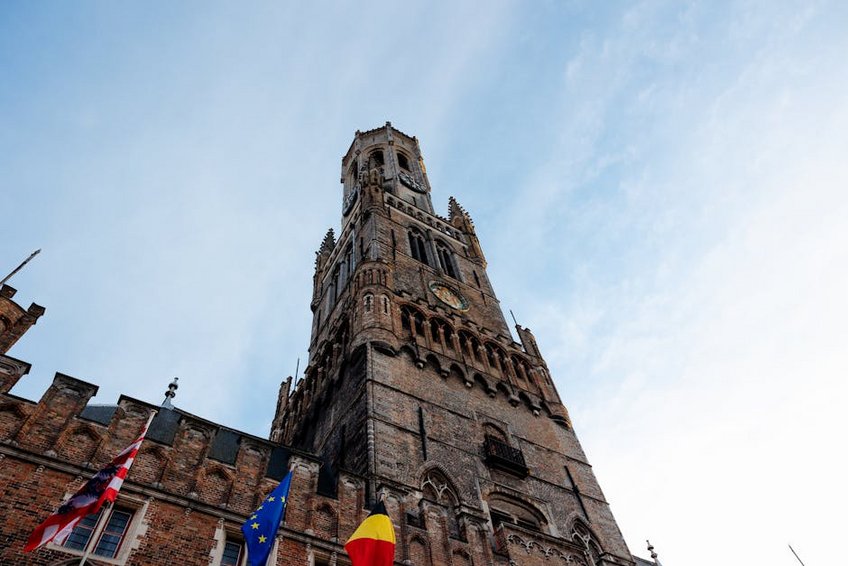
Alt: “bruges-belgium-canal-medieval-buildings-belfry-reflection”
Bruges Travel Guide – Planning Your Trip
Strategic planning transforms a good visit to this Belgian gem into a great one. Focus on timing and advance bookings to avoid the largest crowds that can fill the narrow streets during peak hours. A thoughtful itinerary balances iconic sights with quieter moments in local cafés.
Your budget should account for entrance fees to major museums and the potential cost of canal boat tours, which are a staple experience. Dining costs can vary widely; a meal at a tourist-trap restaurant on the Markt will cost significantly more than a find in a side street.
Leverage the city’s tourist card if you plan to visit several paid attractions. The Bruges City Card often includes public transport, museum entries, and a canal tour, providing solid value for active visitors. Always check its current inclusions online before purchase.
Best Time to Visit Bruges
The ideal months for a visit are April-May and September-October. During these shoulder seasons, you’ll encounter mild weather with temperatures ranging from 50-65°F (10-18°C) and thinner crowds. Spring brings blooming flowers in the Begijnhof, while autumn offers golden light perfect for photography.
Summer (June-August) is peak season, with warm weather averaging 68-72°F (20-22°C) but also the densest crowds. Winter (November-March) is cold, 35-45°F (2-7°C), and some attractions have shorter hours, but the Christmas markets in December create a magical atmosphere that outweighs the chill for many.
Budget Planning and Costs
Daily costs in Bruges can be managed across different travel styles. Here is a typical breakdown for a single day.
Essential Preparation Checklist
Pack for variable weather with layers, a waterproof jacket, and broken-in walking shoes. A compact umbrella is always useful. For electronics, bring the necessary power adapters and a portable battery pack for a day of photography and navigation.
EU and US passport holders do not need a visa for tourist stays under 90 days. Ensure your passport is valid for at least three months beyond your planned departure. Travel insurance with medical coverage is highly recommended. Book accommodations at least 2-3 months in advance for peak season visits.
Top Attractions and Memorable Activities
The city’s allure lies in its cohesive beauty, where even a simple stroll feels immersive. Prioritize the iconic views from the belfry and a gentle canal boat ride to understand the city’s layout and history from different perspectives. These experiences form the classic introduction to the urban fabric.
Beyond the must-dos, allocate time for leisurely exploration. Getting deliberately lost in the quieter streets north of the main canals reveals hidden courtyards and local neighborhoods. This balance ensures you experience both the celebrated postcard scenes and the authentic, living city.
Must-See Highlights
The Belfry of Bruges in the Markt is the city’s most recognizable symbol. The climb is strenuous but offers the definitive panoramic view. Time your ascent for opening to avoid long queues. The Groeningemuseum is essential for art lovers, housing a superb collection of Flemish Primitive paintings, including works by Jan van Eyck.
A canal boat tour provides a unique vantage point of medieval facades and bridges, with guides offering engaging historical anecdotes. The Basilica of the Holy Blood on the Burg Square is a stunning two-level chapel, the upper church housing a venerated relic said to contain Christ’s blood.
Hidden Gems and Local Favorites
For a peaceful retreat, visit the Begijnhof (Beguinage), a serene courtyard of whitewashed houses founded in the 13th century. It’s free to enter the garden, and the sense of calm is palpable. The nearby Minnewater Park, or “Lake of Love,” is a picturesque spot for a stroll away from the central bustle.
Explore the Sint-Annarei neighborhood for a less crowded canal-side experience with charming cafes and antique shops. For a unique museum, seek out the Hospital Museum (Sint-Janshospitaal), which showcases medieval medical practices and houses several Memling masterpieces.
Chocolate, Beer, and Cycling Adventures
No visit is complete without indulging in Belgium’s famous exports. Join a chocolate workshop to learn the craft and create your own pralines. Similarly, a guided beer tasting in a traditional pub introduces you to the vast world of Belgian Trappist and Abbey ales beyond the common commercial brands.
For an active excursion, rent a bicycle and follow the canal path to the nearby windmill-dotted town of Damme. This flat, easy 30-minute ride offers a delightful glimpse of the Flemish countryside and is a perfect half-day trip from the urban core.
Practical Travel Information
Navigating Bruges is straightforward thanks to its small size. The city is designed for pedestrians, with most key attractions within a 15-20 minute walk of each other. For points further out, like the train station or the windmills, a reliable and simple bus network fills the gap.
Accommodation ranges from hostels to five-star hotels, with a particularly strong offering of charming, family-run bed and breakfasts. These often provide the most authentic and personalized stay. Booking early is critical, especially for weekend visits and during major events like the Christmas market.
| Accommodation Type | Best For / Key Features | Average Nightly Price Range (USD) |
|---|---|---|
| Hostel / Budget Hotel | Solo travelers, tight budgets, social atmosphere; often located near the station. | $60 – $100 |
| Mid-Range B&B / Hotel | Couples, small families; character, central location, often includes breakfast. | $130 – $220 |
| Boutique / Luxury Hotel | Splurge, romantic getaways; historic buildings, premium amenities, prime central views. | $250 – $450+ |
| Self-Catering Apartment | Families or longer stays; kitchen facilities, more space, residential feel. | $140 – $300 |