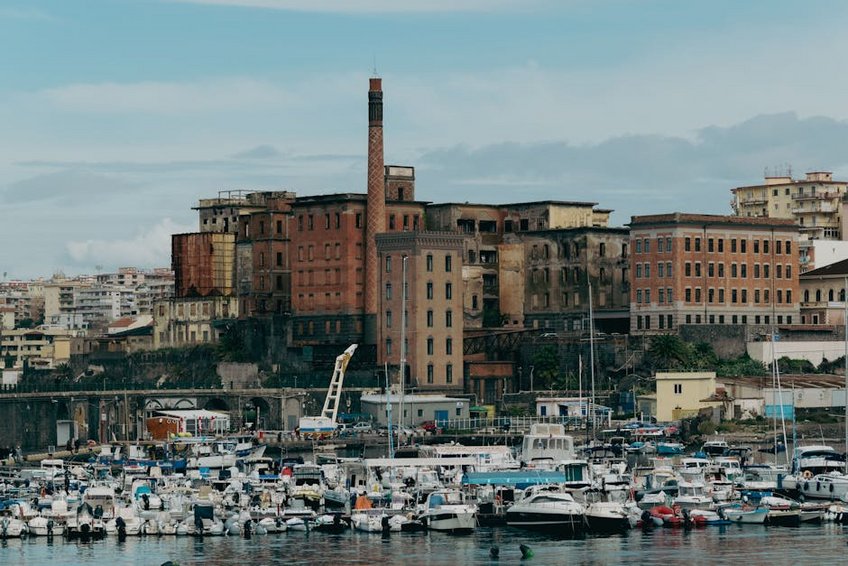
Naples Travel Guide: Navigate Italy’s Lively Southern Heart
This Naples travel guide helps you experience Italy’s most authentic, unfiltered city, where ancient streets vibrate with life, history, and incredible food. Naples is not a polished museum; it’s a raw, passionate urban tapestry where Baroque churches neighbor chaotic markets and espresso bars fuel the daily rhythm. You’ll discover how to navigate its vibrant chaos, taste the birthplace of pizza, and explore everything from underground catacombs to coastal islands.
Essential Naples Information
Naples, or Napoli, is the capital of the Campania region in southern Italy. Founded by Greeks in the 8th century BC, it later became a major Roman port and flourished under Spanish Bourbon rule. This rich history is visible in its UNESCO-listed historic center, a dense maze of streets holding centuries of art and architecture.
The city is famous for its passionate character and world-changing contributions to cuisine, most notably the invention of pizza. The local dialect, Neapolitan, is almost a separate language from Italian. Understanding this deep cultural identity is key to appreciating the city beyond its chaotic first impression.
Geographically, Naples sits on the Bay of Naples with Mount Vesuvius looming to the east. The metropolitan area is home to around 3 million people, making it Italy’s third-largest city. Its strategic location makes it the perfect base for visiting Pompeii, Herculaneum, the Amalfi Coast, and the islands of Capri and Ischia.
What You Need to Know Before You Go
Navigating Naples requires a specific mindset. Here are the core essentials for a smooth trip.
- Local currency is the Euro (€). While credit cards are accepted in most hotels and larger restaurants, you will need cash for smaller trattorias, coffee shops, markets, and taxis. ATMs (called ‘Bancomat’) are widely available.
- The official language is Italian, and Neapolitan dialect is widely spoken. In tourist areas, you’ll find English spoken at hotels and major attractions, but learning basic Italian phrases like “grazie” (thank you) and “per favore” (please) is highly appreciated.
- Naples has a reputation for petty theft like pickpocketing. This risk is concentrated in crowded areas such as Piazza Garibaldi (main station), on packed buses, and in crowded markets. Stay alert, use a cross-body bag, and avoid flashing expensive jewelry or electronics.
- Budget Traveler ($60-80 USD/day): Stay in a hostel dorm or budget B&B ($30-50). Eat pizza al taglio (by the slice) and street food like arancini for meals ($15). Use public transport and walk everywhere ($5). Enjoy free sights like churches and waterfront walks, with one paid museum ($10).
- Mid-Range Traveler ($100-180 USD/day): A double room in a 3-star hotel or boutique B&B in the historic center ($80-120). Enjoy sit-down trattoria lunches and a nice pizzeria dinner with wine ($40-50). Use taxis or rideshares occasionally ($15). Visit 1-2 major paid attractions like the Napoli Sotterranea tour or the National Archaeological Museum ($20).
- Luxury Traveler ($300+ USD/day): A 4 or 5-star hotel with bay views ($200+). Dine at renowned restaurants like Michelin-starred Palazzo Petrucci or historic institutions ($100+). Hire a private driver for a day trip to Pompeii or the Amalfi Coast ($150+). Enjoy exclusive guided tours and opera tickets at Teatro San Carlo.
- Official Tourism Portal of the City of Naples
- Lonely Planet Naples Travel Guide
Key Historical and Cultural Context
Naples’ history is a complex layer cake of influences. Greek founders named it Neapolis, meaning “New City.” The Romans prized its bay, building lavish villas in nearby towns. After the Roman Empire fell, Naples became an independent duchy before Spanish Bourbon kings ruled for centuries, leaving a massive mark.
The Bourbons built the lavish Royal Palace of Caserta and the Teatro di San Carlo opera house. They also fortified the city, which is why you see so many castles. This history of foreign rule, mixed with volcanic soil and a bustling port, created a unique, resilient, and expressive local culture centered on family, food, and faith.
Weather and Seasonal Patterns
The climate is typically Mediterranean. Summers (June-August) are hot and humid, with average highs around 86°F (30°C). This is peak tourist season, and the city can feel very crowded. Spring (April-May) and autumn (September-October) are ideal, with pleasant temperatures between 65-75°F (18-24°C) and fewer crowds.
Winters are mild but wet, with temperatures ranging from 46-55°F (8-13°C). Some attractions have shorter hours. While you might experience rain, you’ll also enjoy very low hotel rates and have museums mostly to yourself, making it a great value season for culture lovers.

Alt: “naples-bay-view-vesuvius-mountain-castel-dellovo”
Naples Travel Guide – Planning Your Trip
Planning your Neapolitan adventure requires balancing iconic sights with immersive neighborhood time. This city rewards those who wander but also those who structure their days around key reservations and opening hours. Your itinerary should mix underground tours, pizza pilgrimages, and waterfront strolls.
A successful visit hinges on where you stay. Choose the historic center (Centro Storico) to be steps from ancient churches and street life. The Chiaia district offers upscale shopping and a seaside promenade. Vomero provides hilltop views and quiet elegance, accessible by funicular.
Budget at least $100-150 USD per person per day for a comfortable mid-range experience covering accommodation, meals, attractions, and local transport. This allows for a nice hotel, sit-down meals, and entrance fees. You can spend less by opting for hostels and street food, or much more on luxury hotels and fine dining.
Best Time to Visit Naples
The absolute best times for a Naples travel experience are late April to early June and September to October. During these shoulder seasons, daytime temperatures are a comfortable 70-80°F (21-27°C), perfect for walking. Crowds are manageable, and accommodation prices are reasonable compared to the summer peak.
July and August bring intense heat, often exceeding 90°F (32°C), and humidity. Many locals leave the city, but tourist areas remain packed. If you visit in summer, plan indoor or coastal activities for midday. Winter offers a completely different, authentic local vibe with Christmas markets and festive lights, though some smaller shops may close for holiday periods.
Budget Planning and Costs
Daily costs in Naples vary widely. Here’s a realistic breakdown for different travel styles.
Essential Preparation Checklist
Pack comfortable, sturdy walking shoes for uneven cobblestone streets. Bring a lightweight scarf or shawl to cover shoulders for entering churches. A compact umbrella or rain jacket is wise year-round. A power adapter for Italy (Type F, 220V) is essential for charging devices.
U.S. and EU passport holders do not need a visa for stays under 90 days. Ensure your passport is valid for at least three months beyond your departure date. Purchase comprehensive travel insurance that covers medical emergencies and trip interruptions. Book popular accommodations and highly-rated tours at least 2-3 months in advance for peak season visits.
Top Attractions and Authentic Activities
Naples overflows with things to see, from world-class museums to living archaeological sites. The key is to prioritize based on your interests, whether it’s ancient art, underground exploration, or simply soaking in the vibrant piazzas. Don’t try to see everything; instead, choose a few highlights and leave time for serendipity.
Many top sites are clustered in the compact historic center, a UNESCO World Heritage site. You can easily walk from the incredible Naples Cathedral to the ancient San Gregorio Armeno street, famous for its artisan nativity scene workshops. This area feels like a time capsule of layered history.
Must-See Highlights
The National Archaeological Museum (MANN) is non-negotiable. It houses the world’s finest collection of Roman antiquities, including breathtaking mosaics and artifacts from Pompeii and Herculaneum. Allocate at least 3 hours here. Tickets cost about €18 ($20 USD). Book online to skip long lines.
Explore the Napoli Sotterranea (Underground Naples). This 90-minute guided tour takes you 40 meters below the city through Greek-Roman aqueducts and WWII air-raid shelters. It’s a fascinating perspective on the city’s hidden history. Tours run frequently and cost around €10 ($11 USD).
Visit the Capodimonte Museum, set in a vast royal park. Its collection includes masterpieces by Caravaggio, Titian, and Raphael. The peaceful grounds offer a green escape. The Royal Palace of Caserta, a 45-minute train ride away, is a stunning Baroque palace often called Italy’s Versailles, with immense gardens.
Hidden Gems and Local Favorites
Venture to the Fontanelle Cemetery, a haunting ossuary in a cave within the Materdei district. It houses the skulls and bones of thousands of Neapolitans, a site of unique local “cult of the dead” practices. It’s free to enter and offers a profoundly local cultural experience.
Take the Chiaia funicular up to the Vomero district. Wander the streets around Castel Sant’Elmo for breathtaking panoramic views over the entire city and bay. The area is residential and much quieter than the center, with excellent local pastry shops. For a unique spiritual art experience, seek out the Pio Monte della Misericordia, a small church holding Caravaggio’s monumental “The Seven Works of Mercy.”
Day Trips from the City
No Naples travel guide is complete without mentioning the nearby archaeological sites. Pompeii and Herculaneum are easily accessible via the Circumvesuviana train line. Herculaneum is smaller, better preserved, and often less crowded. Both offer a staggering glimpse into Roman life frozen in time by Vesuvius’s eruption in 79 AD.
For coastal beauty, the islands of Capri, Ischia, and Procida are short ferry rides from Naples’ ports. Capri is glamorous, Ischia is known for thermal spas, and Procida, the 2022 Italian Capital of Culture, offers authentic, colorful fishing village charm. Ferries can be booked easily at Molo Beverello port.
Practical Travel Information
Getting to Naples is straightforward. Naples International Airport (NAP), also called Capodichino, is a major gateway with direct flights from many European cities and connections globally. From the airport, the Alibus shuttle efficiently connects to the central train station (Piazza Garibaldi) and the port in about 20 minutes.
Within the city, a unified transport ticket (TIC) covers buses, funiculars, and the metro for a set duration. The metro system, particularly Line 1, is modern and useful. The city’s famous chaotic traffic makes walking often the fastest option in the historic center. Taxis are regulated; always ensure they use the meter or agree on a fixed fare upfront.
| Accommodation Area | Best For | Price Range (USD/Night) |
|---|---|---|
| Historic Center (Centro Storico) | First-time visitors, food lovers, budget travelers. Steps from major sights and street life. | $80 – $200 |
| Chiaia & Santa Lucia | Upscale shopping, seafront views, elegant dining. Close to Castel dell’Ovo and upscale vibe. | $150 – $400 |
| Vomero (Hilltop) | Quiet, panoramic views, local feel. Accessible by funicular, great for families. | $100 – $250 |
| Central Station Area | Convenience for early trains/ferries. Can be noisy; choose hotels carefully here. | $60 – $150 |