Florence Travel Guide: Experience Renaissance Art and Tuscan Culture
This Florence Travel Guide provides the essential insights for navigating Italy’s cultural heart. The Tuscan capital dazzles visitors with unparalleled Renaissance art, iconic architecture, and world-class cuisine packed into its walkable historic center. Your itinerary should balance major museums, authentic neighborhood exploration, and day trips to the surrounding Chianti region for a complete Italian experience.
Essential Florence Information
Florence serves as the capital of Italy’s Tuscany region, renowned globally as the birthplace of the Renaissance. Its historic center, a UNESCO World Heritage Site, contains an astonishing concentration of masterpieces from the 14th to 17th centuries. The city’s compact layout along the Arno River makes most key attractions accessible on foot.
The legacy of the powerful Medici family, who patronized artists like Michelangelo and Botticelli, is visible on nearly every street. Modern Florence maintains a vibrant university atmosphere alongside its historical treasures. Visitors should prepare for crowds at major sites year-round, necessitating strategic planning.
Historical and Cultural Context
Understanding a few key eras enhances any visit to this Renaissance city.
- The Renaissance (14th-17th centuries): This “rebirth” of art and learning, funded by wealthy banking families, produced iconic works by Leonardo da Vinci, Michelangelo, and Donatello that define the city’s identity today.
- Medici Dynasty Rule: The Medici family, effectively rulers from 1434 to 1737, used their vast wealth to commission buildings, sculptures, and paintings, turning Florence into an open-air museum to display their power and taste.
- Modern Capital: Florence briefly served as Italy’s capital from 1865 to 1871 after unification, which spurred development outside the ancient walls and shaped its contemporary urban landscape.
- Budget Traveler ($80-120/day): Stay in a hostel or budget hotel outside the center, enjoy pizza al taglio and panini for meals, focus on free sights like churches and piazzas, and use public transportation or walk everywhere.
- Mid-Range Traveler ($150-300/day): Book a central 3-star hotel or Airbnb, dine at traditional trattorias for lunch and dinner, reserve entry for 2-3 major museums, and take an occasional taxi or regional train for a day trip.
- Luxury Traveler ($400+/day): Stay at a 5-star hotel with river views, enjoy fine dining at Michelin-starred restaurants, hire private guides for exclusive museum tours, and arrange private driver services for Tuscan countryside excursions.
- Official Florence Tourism Website
- Uffizi Galleries Official Site
- Dream Travel Routes Italy Guide
Visitor Essentials at a Glance
Florence operates on Central European Time (CET) and uses the Euro (€). The primary language is Italian, though English is widely spoken in tourist areas. The city enjoys a temperate climate with hot, dry summers and cool, damp winters. Tap water is safe to drink, and many public fountains offer refreshing refills.
Tipping is appreciated but not obligatory; rounding up the bill or leaving 5-10% in sit-down restaurants is customary for good service. Electrical outlets are Type F (220V), so North American travelers will need adapters and possibly converters for certain devices.
City Layout and Neighborhoods
The historic center is divided into four main quarters, or *quartieri*, named after major churches: Santa Maria Novella, San Giovanni, Santa Croce, and Santo Spirito. The Arno River splits the city, with the Oltrarno (“Beyond the Arno”) district offering a more local, artisan atmosphere. Major landmarks are densely packed, making navigation straightforward.
Alt: “florence-duomo-santa-maria-del-fiore-cathedral-renaissance-architecture”
Florence Travel Guide – Planning Your Trip
Strategic planning significantly improves your visit to this perennially popular destination. Advance reservations for top museums are non-negotiable, often requiring booking weeks or months ahead for peak season. A well-structured Florence Travel Guide emphasizes balancing iconic sites with leisurely enjoyment of piazzas and cafes.
Allocate your budget for major admission fees, which can add up quickly. Consider purchasing a Firenze Card for intensive museum-going or relying on free church visits and paid reservations for only the top attractions. Your daily pace should include scheduled entry times and unstructured wandering.
Best Time to Visit Florence
Visit Florence between late April to early June or September to October for ideal weather and manageable crowds. Spring offers mild temperatures of 60-75°F (15-24°C) with blooming flowers, while autumn provides similar warmth and the harvest season in nearby vineyards. These periods avoid the intense summer heat and the largest tourist waves.
July and August see temperatures regularly exceed 90°F (32°C) with high humidity, though some museums are air-conditioned. Winter (November to February) is cooler at 40-55°F (4-13°C) and damp, but offers shorter lines and lower hotel rates, with the trade-off of some garden closures and fewer daylight hours.
Budget Planning and Costs
Daily costs vary widely based on accommodation and dining choices.
Essential Preparation Checklist
Book your accommodation and reserve timed tickets for the Uffizi Gallery and Accademia Gallery (home to Michelangelo’s David) at least two to three months before a summer or fall visit. Secure other popular entries like the Duomo climb and the Palazzo Vecchio a few weeks in advance. Comfortable walking shoes are your most critical packing item.
Ensure your passport is valid for at least three months beyond your planned departure from the Schengen Area. Purchase comprehensive travel insurance that covers medical emergencies and trip interruptions. Pack layers for variable weather and a scarf or shawl for covering shoulders when entering churches with strict dress codes.
Top Attractions and Renaissance Masterpieces
Florence’s artistic heritage is staggering in both quality and density. The must-see list begins with Michelangelo’s David at the Galleria dell’Accademia and Botticelli’s *Birth of Venus* at the Uffizi Gallery. These works represent the pinnacle of Renaissance humanist ideals and artistic technique.
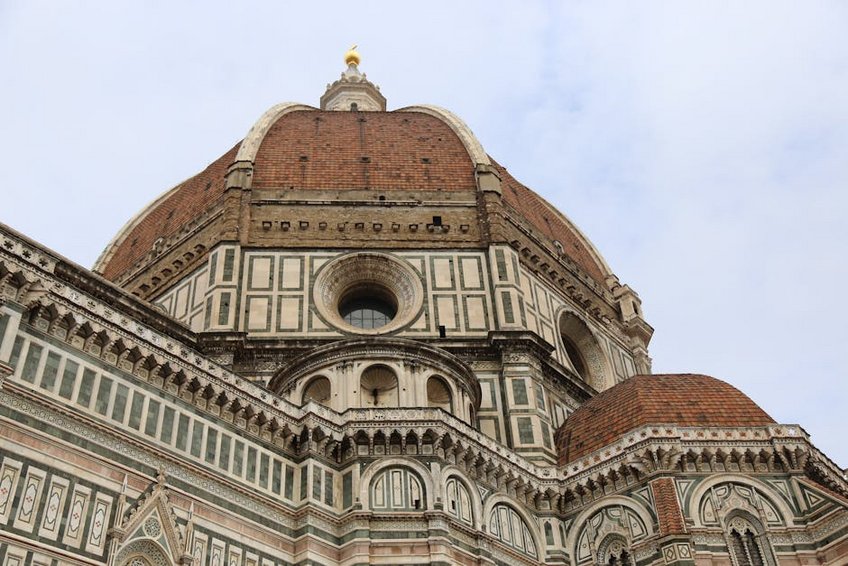
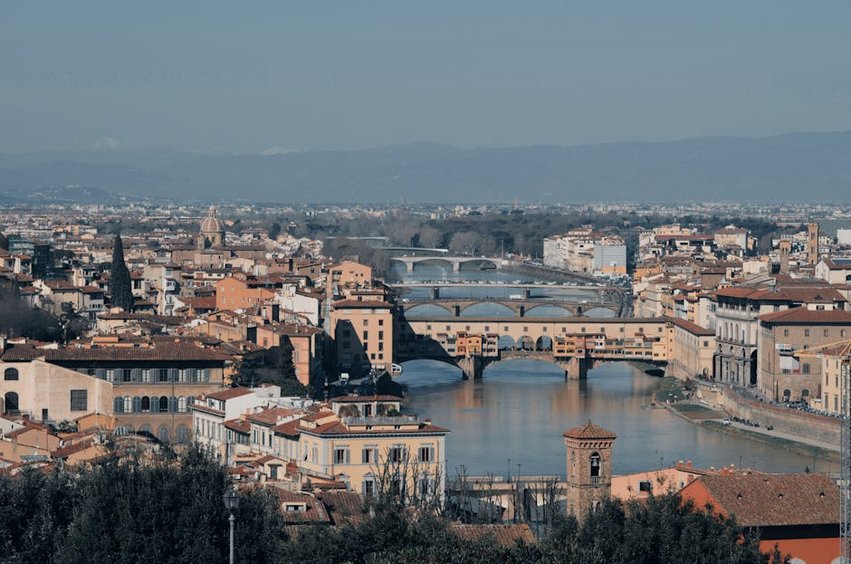
Architectural marvels dominate the skyline, led by Brunelleschi’s dome atop the Cattedrale di Santa Maria del Fiore. The Ponte Vecchio, a medieval bridge lined with jewelers’ shops, offers iconic postcard views, especially at sunset. Many treasures also reside in the city’s historic churches, which often charge little or no admission.
Must-See Museum Highlights
The Uffizi Gallery houses the world’s premier collection of Italian Renaissance painting. Plan for a minimum three-hour visit to see highlights by Leonardo, Raphael, and Caravaggio. Book a timed entry for the morning to avoid the largest crowds. Adult tickets cost around €25 in peak season.
The Galleria dell’Accademia’s main draw is Michelangelo’s 17-foot-tall David sculpture. The museum also contains his unfinished “Prisoners” statues and a collection of Renaissance paintings. A reserved entry is essential. The Bargello Museum showcases Renaissance sculpture by Donatello and others in a dramatic former prison palace.
Architectural Wonders and Churches
The Florence Cathedral complex includes the Duomo, Giotto’s Bell Tower, the Baptistery with its famous Gates of Paradise, and the cathedral museum. Climb the 463 steps to the top of Brunelleschi’s dome for breathtaking city views. A combined ticket (€30) grants access to all monuments over 72 hours.
The Basilica di Santa Croce is the burial place of Michelangelo, Galileo, and Machiavelli, and features frescoes by Giotto. The Basilica di San Lorenzo, the Medici parish church, and the Cappelle Medicee hold magnificent tombs by Michelangelo. Remember to dress modestly (covered shoulders and knees) for church entry.
Gardens and Panoramic Viewpoints
Escape the city bustle in the Boboli Gardens, the elaborate park behind the Pitti Palace featuring fountains, sculptures, and grottoes. The Bardini Garden offers another green oasis with spectacular vistas. For the best panoramic photographs, cross the Arno to Piazzale Michelangelo or climb to the hillside church of San Miniato al Monte.
Practical Travel and Logistics Information
Navigating Florence is straightforward due to its size. Amerigo Vespucci Airport (FLR) handles European flights, while most intercontinental travelers arrive at Pisa International Airport (PSA) or Rome’s airports, connecting via train. The main Santa Maria Novella train station (Firenze SMN) is a major hub with excellent high-speed connections to other Italian cities.
Within the city, walking is the best mode of transport for the historic center, which is largely closed to non-resident traffic. The local ATAF bus network is useful for reaching hillside viewpoints like Piazzale Michelangelo. Taxis are available at ranks, but ridesharing apps like Uber operate only at premium rates.
| Accommodation Type | Best Neighborhoods & Features | Average Price Range (USD) |
|---|---|---|
| Budget Hotel/Hostel | Santa Maria Novella area near station; basic amenities, shared facilities possible | $80 – $150 per night |
| Mid-Range Boutique Hotel | Historic Center or Oltrarno; historic building, breakfast included, personalized service | $180 – $350 per night |
| Luxury 5-Star Hotel | Riverfront or Piazza della Repubblica; rooftop pools, Michelin-star dining, spa | $450 – $900+ per night |
| Vacation Rental (Apartment) | Local districts like Santo Spirito; kitchenette, more space, residential feel | $120 – $300 per night |