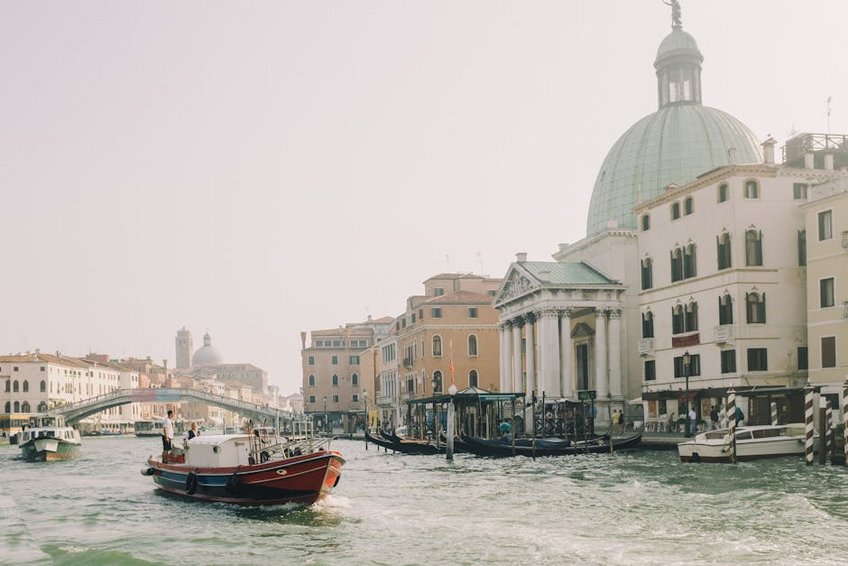
Venice Travel Guide: Navigating the Floating City Like a Local
Your Venice travel guide begins with understanding this city isn’t just a destination; it’s a living museum built on water. The absence of cars creates a unique, pedestrian-scale world where travel happens by boat and foot, demanding a different approach to exploration. This guide provides the practical navigation tips, cultural insights, and seasonal strategies you need to experience the authentic magic beyond the main tourist trail.
Essential Venice Information
Venice is an archipelago of 118 small islands in the Venetian Lagoon, connected by over 400 bridges. Its historic center is a UNESCO World Heritage site, with foundations dating back to the 5th century as a refuge from mainland invaders. The city’s unique aquatic infrastructure shapes every aspect of a visit, from how you arrive to how you explore each neighborhood.
The local economy historically thrived on maritime trade and salt, creating immense wealth evident in its Renaissance architecture. Today, tourism is the primary industry, with over 5 million visitors annually impacting the fragile ecosystem. Understanding this context helps you plan a more respectful and sustainable trip to the Serenissima.
What You Need to Know Before You Go
Venice operates on a different logistical level than most European cities. Key facts will shape your planning and daily itinerary from the moment you arrive.
- The city has two main entry points: the Santa Lucia train station on the western edge and the Marco Polo Airport (VCE) on the mainland, with water taxi or bus connections required to reach the islands.
- Navigation relies entirely on the *vaporetto* water bus system, walking, or expensive water taxis; Google Maps is less reliable here, so carry a physical map or use dedicated apps.
- Venice is famously expensive, with tourist-targeted restaurants charging premium prices; eating where locals do and purchasing a transit pass are essential budget strategies.
- Budget Traveler ($100-150/day): Stay in a hostel or budget guesthouse in Castello/Cannaregio, eat panini or cicchetti for lunch, use a multi-day vaporetto pass, visit free churches, and prioritize just 1-2 paid museums.
- Mid-Range Traveler ($250-400/day): Book a standard hotel or B&B in Dorsoduro or San Polo, enjoy sit-down meals at trattorias, purchase a museum pass, take occasional water taxis, and join a guided walking tour.
- Luxury Traveler ($600+/day): Reserve a 4-5 star hotel with canal views near San Marco, dine at renowned restaurants, use private water taxis for transport, book exclusive after-hours tours, and stay on the private island of Giudecca.
- Venezia Unica – Official City Tourism Portal
- Europe for Visitors: Venice Practical Guide
Key Historical and Cultural Details
Venice was an independent republic for over 1,100 years, known as La Serenissima. This long history of political and economic independence fostered a unique cultural identity distinct from the rest of Italy. The city’s art, architecture, and traditions reflect its status as a bridge between East and West.
The annual Acqua Alta (high water) flooding, typically from October to January, is a natural phenomenon, not a sign of imminent sinking. The city has implemented the MOSE barrier system to mitigate major floods. However, you should still check tidal forecasts during cooler months and pack waterproof footwear.
The Layout of Venice’s Sestieri
The city is divided into six historic districts, or *sestieri*: San Marco, Castello, Cannaregio, San Polo, Santa Croce, and Dorsoduro. San Marco houses the most famous sights like St. Mark’s Square and the Doge’s Palace, resulting in the highest crowds and prices. Conversely, Cannaregio and Castello offer more residential charm, authentic eateries, and slightly lower costs, though they are farther from the main transport hubs.
Dorsoduro is home to major art museums and a vibrant university scene, while San Polo and Santa Croce feature the Rialto Market and quieter canals. Planning your accommodation and daily explorations by district helps manage time and avoid the worst of the midday tourist bottlenecks around San Marco.
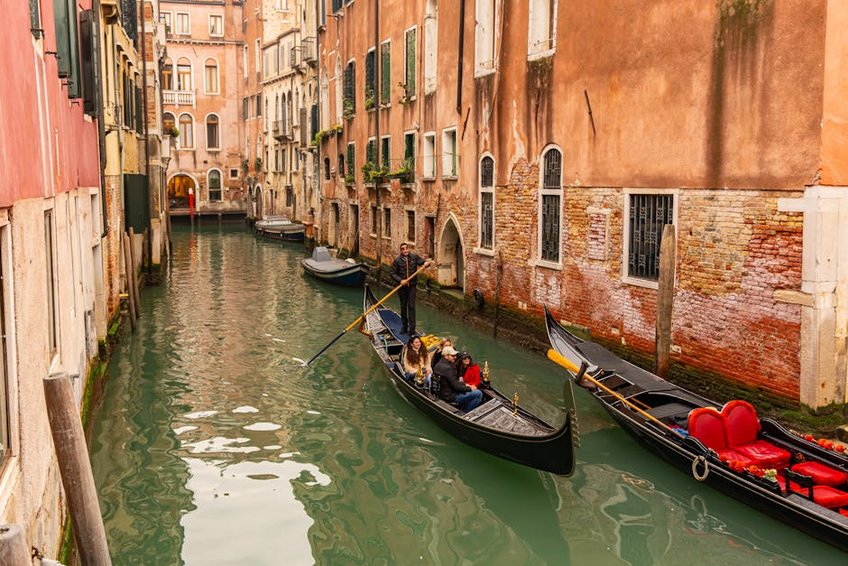
Alt: “venice-grand-canal-vaporetto-water-bus-rialto-bridge”
Venice Travel Guide – Planning Your Trip
Successful planning for Venice requires a strategy focused on timing, budget, and mobility. The difference between a chaotic trip and a magical one often comes down to these core logistical decisions. You must book key components months in advance, especially for peak season visits.
Your budget should allocate significant funds for accommodation and transit, as both are premium costs. Prioritize staying on the main islands to maximize your time, even if it means a smaller room. A well-planned Venice travel guide prioritizes experience over convenience, steering you toward authentic encounters.
Best Time to Visit Venice
The ideal months are April-May and September-October. During these shoulder seasons, temperatures range from 60-75°F (15-24°C), crowds are thinner than summer, and the weather is generally pleasant for walking. You will find better accommodation rates and easier reservations at popular restaurants compared to the peak summer rush.
Summer (June-August) brings intense heat, humidity, and massive crowds, with temperatures often exceeding 85°F (30°C). Winter (November-March) is cold, damp, and carries a high chance of Acqua Alta, with temperatures between 40-50°F (4-10°C). However, winter offers the lowest prices, fewest tourists, and a truly local atmosphere, provided you come prepared for rain and potential flooding.
Budget Planning and Costs
A daily budget can vary drastically. Your main expenses will be lodging, food, and transit, with museum entry fees adding up quickly.
Essential Preparation Checklist
Pack comfortable, waterproof walking shoes with good grip for cobblestones and potentially wet *pavement*. Venice involves miles of walking and standing on hard surfaces daily. Bring layers, as the weather can shift quickly, and a compact umbrella is a year-round necessity.
Secure your accommodation and any major museum tickets (like the Doge’s Palace) at least 3-4 months ahead for peak travel. Ensure your passport is valid for at least three months beyond your planned departure from the Schengen Area. Purchase comprehensive travel insurance that covers trip interruption and medical emergencies within the EU.
Top Attractions and Authentic Activities
Beyond the iconic postcard sights, Venice’s charm lies in its daily rhythms and hidden corners. Balancing must-see landmarks with unstructured exploration creates a richer experience. The key is visiting major sites early in the morning or late in the afternoon to avoid overwhelming daytime crowds.
Dedicate time to simply getting lost in the maze of alleyways (*calli*) away from the main routes between the Rialto and San Marco. This is where you’ll discover quiet canals, artisan workshops, and neighborhood bacari (wine bars) frequented by residents. Your patience with navigation will be rewarded with the city’s true character.
Must-See Highlights and Landmarks
St. Mark’s Basilica is a masterpiece of Italo-Byzantine architecture, with its opulent interior mosaics. Entry is free, but skip-the-line tickets for the Treasury, Pala d’Oro, or Museum terrace are worth the small fee. The adjacent Doge’s Palace showcases the republic’s political power and artistic patronage; book a “Secret Itineraries” tour to see the prison and hidden chambers.
The Rialto Bridge is the oldest and most famous bridge spanning the Grand Canal. While crowded, the views are iconic. Visit the historic Rialto Market nearby in the morning for a vibrant local scene. The Gallerie dell’Accademia houses the definitive collection of Venetian Renaissance art from masters like Bellini, Titian, and Tintoretto, essential for art lovers.
Hidden Gems and Local Favorites
Skip the crowded gondola rides on the Grand Canal. For a more authentic and affordable boat experience, use the *traghetto*—a gondola ferry that crosses the Grand Canal at key points for just €2. Alternatively, explore the narrow, quiet canals in the Cannaregio district, where gondola rates are sometimes lower and the atmosphere is more peaceful.
Visit the serene island of San Giorgio Maggiore. Take the vaporetto from San Zaccaria to see the church designed by Palladio and climb its campanile for a stunning, less-crowded panorama of Venice and the lagoon. In Dorsoduro, find the Squero di San Trovaso, one of the last remaining gondola repair yards, offering a glimpse into a centuries-old craft.
The Art of the Cicchetti Crawl
A quintessential Venetian experience is the *giro d’ombra*—a crawl between bacari for cicchetti (small snacks) and an *ombra* (small glass of wine). This is the local version of aperitivo. Start in the late afternoon in the San Polo or Cannaregio districts, where spots like Cantina Do Mori or All’Arco serve creative bites on crusty bread for €1-3 each.
This tradition is about socializing and tasting, not sitting for a full meal. Stand at the bar, point to what looks good, and enjoy the bustling atmosphere. It’s an excellent, budget-friendly way to sample Venetian flavors like baccalà mantecato (creamy cod) or sarde in saor (sweet and sour sardines).
Practical Travel and Navigation Information
Mastering movement is the most critical skill for an enjoyable visit. The vaporetto network run by ACTV is your primary transit system. A single ticket is €9.50, making a multi-day pass (24h/€25, 48h/€35, 72h/€45) essential for any stay longer than a day. Validate your pass or ticket at the electronic reader before boarding every single time to avoid a fine.
Water taxis are a fast but expensive luxury, with fixed rates starting around €60-80 for short transfers from the airport. They are best saved for groups or special occasions. Walking is free and often faster for short distances, as canal routes can be circuitous. Always carry a map, as GPS signal fails frequently in narrow alleys.
| Accommodation Type | Best Location & Features | Average Price Range/Night (USD) |
|---|---|---|
| Hostel / Budget Guesthouse | Castello or Giudecca; shared facilities, basic breakfast, social atmosphere | $80 – $150 |
| Mid-Range Hotel / B&B | Dorsoduro or Cannaregio; private bath, WiFi, elevator access is rare | $200 – $400 |
| Luxury Hotel | San Marco or Grand Canal; canal views, concierge, historic palace setting | $500 – $1,000+ |
| Apartment Rental | San Polo or Santa Croce; kitchenette, more space, longer stay minimums common | $250 – $600 |