Interlaken Travel Guide: Your Gateway to Swiss Adventure
Nestled between the shimmering waters of Lake Thun and Lake Brienz, Interlaken serves as the premier basecamp for exploring the Jungfrau Region of the Swiss Alps. This comprehensive Interlaken travel guide provides the essential details for navigating its adventure sports, mountain railways, and charming villages. You’ll find practical advice on budgeting for Switzerland, timing your visit for ideal weather, and crafting an itinerary that balances adrenaline with alpine serenity.
Essential Interlaken Information
Interlaken’s name literally means “between lakes,” perfectly describing its geographical position. The town functions less as a final destination and more as a strategic hub, with two main sections: Unterseen, the older medieval quarter, and the more modern central area around the Höheweg promenade. For over two centuries, it has attracted visitors seeking the curative alpine air and breathtaking scenery of the surrounding Bernese Oberland.
The region operates on Central European Time (CET) and uses the Swiss Franc (CHF), though euros are often accepted. English is widely spoken alongside German and French. The town is car-free in its center, promoting a wonderfully walkable atmosphere. You primarily visit to access the legendary peaks of the Eiger, Mönch, and Jungfrau.
Key Geographical Features
Understanding the lay of the land is crucial for planning your days.
- The town center sits on the Bödeli, a flat alluvial plain between the two lakes, offering stunning panoramic views of the snow-capped peaks directly to the south.
- Lake Thun to the west is larger and connects to the city of Thun, while the emerald-green Lake Brienz to the east is known for its waterfalls, including the Giessbach.
- The Jungfrau Region, accessible via trains from Interlaken Ost station, includes the iconic villages of Grindelwald, Lauterbrunnen, Wengen, and Mürren, each perched on the mountainsides.
- Budget ($80-120 USD/day): Stay in hostels like Balmers Hostel, cook meals, use picnic lunches, hike free trails (Harder Kulm hike), and enjoy free lake views. Limit paid mountain transport to one major trip (e.g., Schynige Platte).
- Mid-Range ($150-250 USD/day): Stay in a 3-star hotel like Hotel du Nord, enjoy one restaurant meal daily, purchase a 3-day Jungfrau Travel Pass for unlimited regional transport, and book one adventure activity like canyon swinging.
- Luxury ($350+ USD/day): Stay at the historic Victoria-Jungfrau Grand Hotel, dine at top restaurants like Laterne, take private guided tours, and include premium experiences like a helicopter tour or a first-class reservation on the Jungfrau Railway.
- Official Interlaken Tourism Website
- Jungfrau Region Official Travel Portal
- Swiss Federal Railways (SBB)
Historical Context and Tourism
Interlaken’s tourism pedigree dates to the early 1800s with the advent of alpine romanticism. It became a mandatory stop on the “Grand Tour” for European aristocracy. The construction of the Jungfrau Railway, completed in 1912, cemented its status by creating access to the “Top of Europe.” Today, while still elegant, the town has fully embraced its role as an adventure capital. You can paraglide from the same mountains that 19th-century visitors only painted.
Local Culture and Vibe
The atmosphere blends classic Swiss efficiency with youthful, international energy. Expect a mix of well-dressed older travelers, families, and crowds of backpackers and adrenaline seekers. Evenings are generally relaxed, focused on fondue dinners and recounting the day’s exploits. The local culture deeply respects mountain safety and environmental preservation. Always check weather conditions before heading out.
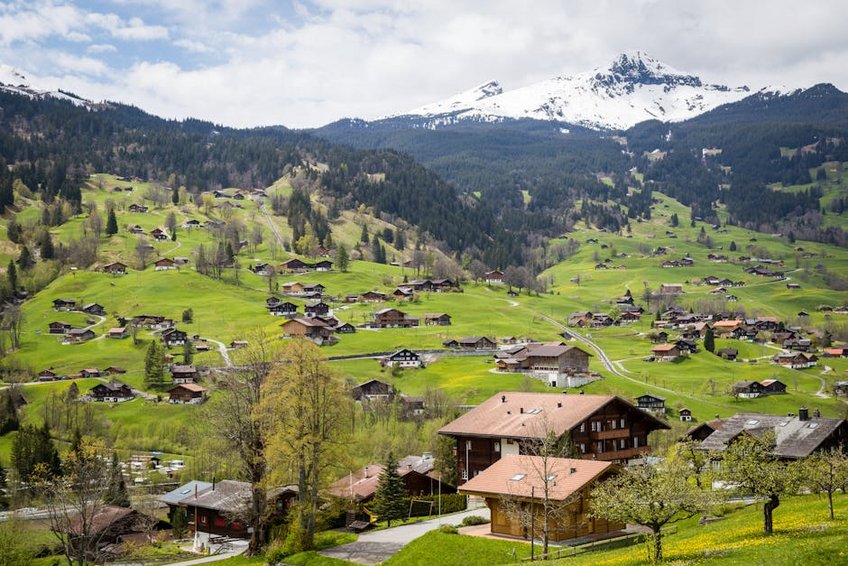
Alt: “interlaken-swiss-alps-view-between-lake-thun-brienz”
Interlaken Travel Guide – Planning Your Trip
Strategic planning transforms a good visit into an unforgettable one. Your Interlaken travel guide should start with deciding your primary interests: iconic railway journeys, heart-pounding sports, or serene lake and valley hikes. Accommodation books up quickly, especially for summer and the December Christmas markets. Booking trains and major activities like paragliding or Jungfraujoch tickets months in advance secures better prices and guarantees availability.
Budget realistically. Switzerland is expensive, and the Jungfrau Region represents a premium experience. A mid-range daily budget starts around $150-200 USD per person, excluding major excursion costs. The Swiss Travel Pass or regional passes like the Jungfrau Travel Pass can offer significant savings if you plan extensive train and cable car travel. Always have some Swiss Francs in cash for smaller vendors and mountain huts.
Best Time to Visit Interlaken
Visit between June and September for the most reliable warm weather, with average highs of 68-75°F (20-24°C). This is peak season for hiking, paragliding, and lake activities. All mountain transport and trails are open. However, this period also brings the largest crowds and highest prices. Book everything at least four months ahead. Late afternoon showers are common, so pack a light rain layer.
Shoulder seasons of May and October offer fewer tourists and lower costs, with temperatures between 50-60°F (10-16°C). Some high-altitude trails may be closed due to snow. Winter, from December to March, transforms the region into a skier’s paradise, with temperatures from 25-35°F (-4 to 2°C). Interlaken itself has limited skiing but is a gateway to the ski areas of Grindelwald and Mürren.
Budget Planning and Costs
Daily costs vary dramatically based on your activity level.
Essential Preparation Checklist
Pack versatile layers, including a waterproof jacket, comfortable walking shoes, and a warm fleece even in summer. For hiking, proper ankle-supporting boots are essential. Bring a universal power adapter (Switzerland uses Type J plugs), a reusable water bottle, and a daypack. Sunscreen and sunglasses are crucial due to high-altitude UV exposure. Download the SBB Mobile app for real-time Swiss train schedules.
Secure comprehensive travel insurance that covers adventure sports and medical evacuation. U.S. and EU passport holders do not need a visa for stays under 90 days. Inform your bank of travel plans to use credit/debit cards. Reserve your top two must-do activities and major trains (Jungfraujoch, Schilthorn) before arrival to avoid disappointment.
Top Attractions and Activities
Interlaken offers an unparalleled mix of natural wonders and human ingenuity. The star attractions involve ascending the surrounding mountains via an incredibly efficient network of trains, gondolas, and funiculars. On the valley floor, the lakes provide a setting for more relaxed pursuits like cruising and swimming. Adrenaline activities are woven into the very fabric of the town, with outfitters lining the main street.
Prioritize based on weather. Save clear, sunny days for the high-altitude peaks and panoramic viewpoints. Use cloudy or rainy days for exploring the St. Beatus Caves, the town’s museums, or taking a scenic lake cruise. Purchasing a pass for multiple days of travel is almost always more economical than buying individual point-to-point tickets for each journey.
Must-See Highlights
The Jungfraujoch – Top of Europe is the undeniable pinnacle. The railway journey itself is spectacular, culminating at 11,332 feet (3,454 meters) at Europe’s highest station. Tickets cost approximately $210 USD round-trip. Book the first train of the day for the clearest skies. The Schilthorn offers a competing 360-degree panorama, featuring the Piz Gloria revolving restaurant from a James Bond film. A cable car journey from Stechelberg costs around $110 USD.
For a classic view of Interlaken, ride the funicular to Harder Kulm. The ride takes just ten minutes. The two lakes and entire town stretch out below from the viewing platform. Go for sunset if possible. Lastly, a cruise on Lake Brienz is a serene must. The emerald water, backed by steep forests and cliffs, is unforgettable. Boats depart regularly from Interlaken Ost.
Hidden Gems and Local Favorites
Escape the crowds by hiking the Saxeten Valley. This peaceful, working agricultural valley feels worlds away. Access it by postal bus from Unterseen. Visit the open-air museum of Ballenberg to see historic Swiss buildings from across the country. It’s a full-day, immersive cultural experience. For a unique waterfall adventure, walk behind the cascading water at the Trümmelbach Falls inside the mountain. Ten glacier-fed waterfalls thunder through a corkscrewing gorge.
Locals love the Justistal valley for quiet hiking and alpine cheese farming. Rent an e-bike in Interlaken and cycle the mostly flat path along Lake Brienz to the picturesque village of Iseltwald. Enjoy a coffee by the pier. These spots offer the authentic Bernese Oberland atmosphere without the intense tourism focus.
Adventure Sports Capital
Interlaken is the birthplace of modern commercial adventure tourism in the Alps. Tandem paragliding launches from the Beatenberg or Harder Kulm. Flights cost $180-250 USD for 15-20 minutes. Canyon jumping and river rafting on the Lütschine River provide intense thrills. For a unique perspective, try skydiving with views of the Eiger north face. All reputable operators like Outdoor Interlaken and Alpin Center prioritize safety with certified guides. Always check their credentials.
Practical Travel Information
Navigating the logistics in Interlaken is straightforward thanks to Swiss efficiency. The town has two main train stations: Interlaken Ost (East) is the hub for trains to the Jungfrau Region and lakes, while Interlaken West is closer to many hotels and has connections to Thun and Bern. A local bus network connects all districts. The tourist office on Höheweg is an invaluable resource for maps, last-minute advice, and weather updates.
Accommodation ranges from legendary grand hotels to sociable hostels. Staying within a 10-minute walk of either train station maximizes convenience. Many hotels offer guest cards providing free local bus travel and minor discounts. If driving, note that parking in town is limited and expensive. Most hotels charge a daily fee for parking spaces.
| Accommodation Type | Best For & Features | Price Range (USD/Night) |
|---|---|---|
| Hostel / Guesthouse | Solo travelers & budgets; dorm beds, shared kitchens, social atmosphere | $35 – $70 |
| Mid-Range Hotel | Couples & families; private ensuite, breakfast included, good location | $150 – $300 |
| Luxury Historic Hotel | Splurge & special occasions; full spa, fine dining, impeccable service | $400 – $800+ |
| Apartment Rental | Groups & longer stays; self-catering, more space, local neighborhood feel | $120 – $250 |