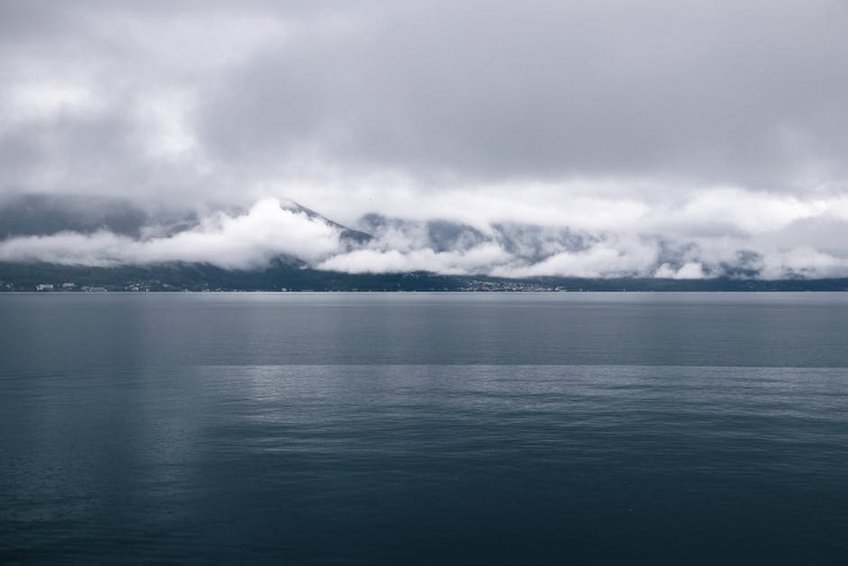
Geneva Travel Guide
Planning a trip to Switzerland’s most international city requires balancing its high costs with unparalleled access to diplomacy, history, and alpine beauty. This Geneva travel guide provides specific strategies for enjoying luxurious waterfront views and world-class museums without exceeding your vacation budget. You will discover the best neighborhoods for different travelers, seasonal tips for ideal weather, and how to navigate the city’s efficient but unique public transport system.
Essential Geneva Information
Situated where the Rhône River exits Lake Geneva, the city serves as a global hub for diplomacy and finance. It hosts the European headquarters of the United Nations and the Red Cross, creating a uniquely international atmosphere. French is the official language, but English is widely spoken in tourist areas and international institutions.
The Swiss Franc (CHF) is the local currency, though Euros are often accepted with change given in Francs. Geneva is compact and walkable, with a world-class public transport network included for free with most hotel stays. The city’s blend of old-world charm and modern global influence defines its distinct character.
Key Facts and Figures
Understanding a few basic metrics helps set realistic expectations for your visit.
- Population: Approximately 200,000 in the city, with over 1 million in the greater metro area, nearly 40% of whom are foreign nationals.
- Language: French is official; German and Italian are national languages; English proficiency is high in service sectors.
- Time Zone: Central European Time (CET), UTC+1, shifting to UTC+2 for Daylight Saving Time from late March to late October.
- Budget ($100-$150/day): Stay in hostels like City Hostel Geneva or budget hotels in Paquis. Use free transport, picnic from Migros or Coop supermarkets, and focus on free attractions like the UN park and Old Town walks.
- Mid-Range ($200-$300/day): Hotels like Hotel Suisse or CitizenM offer central locations. Dine at lunchtime for cheaper *menu du jour* specials, visit paid museums, and take a Lake Geneva cruise.
- Luxury ($400+/day): Stay at lakeside icons like Le Richemond or Four Seasons. Enjoy fine dining at Le Chat-Botté, private guided tours, and chauffeur services. Book spa treatments with views of the Jet d’Eau.
- Geneva Tourism Official Website
- Swiss Federal Railways (SBB)
The Lay of the Land
Geneva splits naturally into left and right banks, or Rives, connected by several bridges. The Right Bank (Rive Droite) is the historic and commercial heart, home to the Old Town, shopping streets, and major hotels. The Left Bank (Rive Gauche) features the international district with the UN and botanical gardens.
Lake Geneva forms the city’s scenic centerpiece, with the iconic Jet d’Eau fountain visible from most vantage points. Key districts include Eaux-Vives for local vibe, Carouge for bohemian charm, and Paquis for diverse dining. Navigating between them is straightforward with trams and buses.
Historical Context and Influence
Geneva’s history as a center for Protestant Reformation under John Calvin in the 16th century shaped its sober, intellectual reputation. This legacy is visible in the stark architecture of St. Pierre Cathedral. The city later became a haven for philosophers like Rousseau and, in the 20th century, the birthplace of modern humanitarianism.
This dual identity—Calvinist past and cosmopolitan present—creates fascinating contrasts. You see it in the juxtaposition of the Reformation Wall with the sleek glass palaces of international organizations. Understanding this history enriches a visit beyond the surface-level luxury.
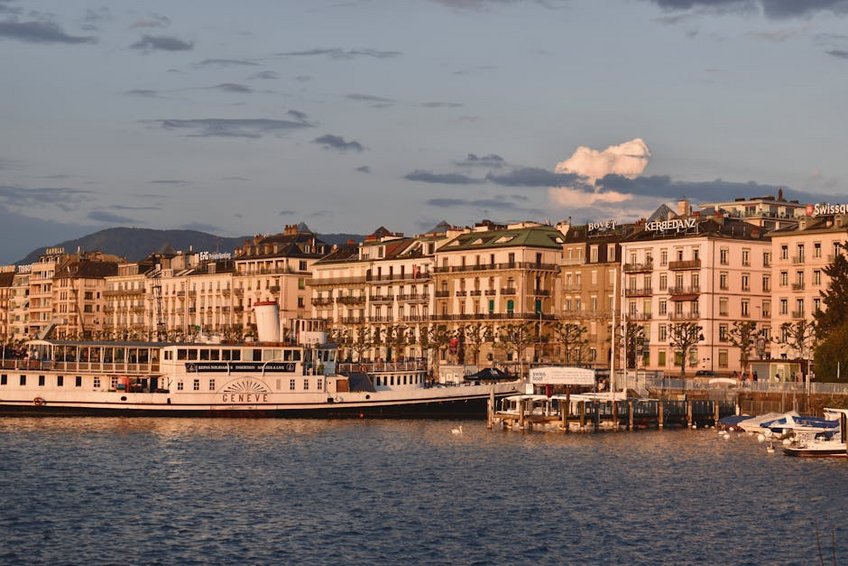
Alt: “geneva-old-town-cobblestone-streets-cathedrale-st-pierre”
Geneva Travel Guide – Planning Your Trip
Effective planning transforms a visit to this expensive city into a manageable and deeply rewarding experience. Your Geneva travel guide strategy should prioritize advance bookings for accommodations and major attractions, especially during summer and diplomatic conference seasons. Allocate a daily budget of $150-$300 per person for mid-range comfort, including meals, transport, and entry fees.
Focus your itinerary on a mix of iconic sights and local neighborhoods to capture the city’s full spirit. Utilize the free public transport pass provided by your hotel from the moment you check in. This pass covers buses, trams, and yellow taxi-boats, offering incredible value and mobility.
Best Time to Visit Geneva
The ideal months are late May through June and September. Temperatures range from 60-75°F (15-24°C) with long daylight hours and minimal rain. These shoulder seasons offer pleasant weather for lakeside strolls and day trips without the peak summer crowds. Hotel rates are also more reasonable compared to July and August.
Winter (December-February) is cold, 30-40°F (-1 to 4°C), but festive with Christmas markets and potential access to nearby ski resorts. Spring (April-May) can be unpredictable with rain. The city hosts major auto shows and diplomatic events in March, which drive up prices and occupancy.
Budget Planning and Costs
Geneva is among Europe’s most expensive cities, but tiered planning makes it accessible.
Essential Preparation Checklist
Pack versatile layers, a waterproof jacket, and comfortable walking shoes for cobblestone streets. A universal power adapter (Type J, Swiss standard) and a reusable water bottle are essential. Switzerland’s tap water is excellent and free, saving money and plastic.
Ensure your passport is valid for at least three months beyond your stay. While Switzerland is in the Schengen Area, it’s not an EU member, but Schengen visa rules apply. Purchase comprehensive travel insurance that covers medical emergencies and trip interruption. Book popular restaurants 1-2 weeks in advance.
Top Attractions and Cultural Experiences
This Swiss city balances monumental international institutions with intimate historic quarters. Allocate time for both the grand scale of the Palais des Nations and the narrow, winding streets of the Old Town. Many museums, like the Patek Philippe Museum, offer exceptional quality that justifies their entry fee.
The lake itself is a primary attraction, best experienced from the water or the promenades that line its shores. Don’t miss the chance to explore districts like Carouge, which feel like a separate village with a Mediterranean atmosphere. This variety ensures your visit remains dynamic.
Must-See Highlights
The Jet d’Eau, pumping water 140 meters into the air, is the city’s defining symbol. View it from the Jardin Anglais for classic photos or from the Bains des Pâquis pier for a closer perspective. St. Pierre Cathedral offers a climb to its north towers for a panoramic view over red-tiled roofs and the lake.
The International Red Cross and Red Crescent Museum provides a powerful, immersive look at humanitarian action. The Palace of Nations, the UN’s European headquarters, requires pre-booked guided tours but offers a unique glimpse into global diplomacy. Each site provides a different lens on Geneva’s identity.
Hidden Gems and Local Favorites
Explore the Halles de Rive, a covered market, for local cheeses, meats, and produce. It’s less touristy than the Plainpalais flea market. The Promenade de la Treille features the world’s longest wooden bench and lovely views, a favorite spot for locals to relax.
Visit the Musée Barbier-Mueller in the Old Town for a superb, compact collection of ancient and tribal art. For a unique walk, follow the “Escalade” historical route, marked by plaques, commemorating the 1602 battle. These spots offer authentic atmosphere away from the main tourist circuits.
Art and Museum Scene
The Musée d’Art et d’Histoire is the city’s largest art museum, with collections spanning archaeology to modern art. Its free permanent collection is a major bonus for budget travelers. The Museum of Modern and Contemporary Art (MAMCO) in a converted factory is a hub for cutting-edge works.
For watch enthusiasts, the Patek Philippe Museum is unparalleled, tracing five centuries of horology. The Fondation Baur presents exquisite collections of East Asian ceramics and paintings. Purchasing a Geneva Pass can provide savings if visiting multiple venues in a short time.
Practical Travel and Navigation
Geneva Airport (GVA) is just 4 km from the city center, connected by a 6-minute train ride to Cornavin station. The Swiss travel system is famously efficient and clean. Upon hotel check-in, you’ll receive a Geneva Transport Card for free unlimited travel on the network for your entire stay.
Accommodation choices greatly impact your experience. The Right Bank near the train station offers convenience, while the Left Bank near the UN is quieter but farther from the Old Town. Book at least two months in advance for summer or event periods to secure better rates.
| Accommodation Type | Best For / Key Features | Avg. Nightly Price (USD) |
|---|---|---|
| Luxury Lakeside | Splurge, iconic views, top service (Le Richemond, Beau-Rivage) | $500 – $1,200+ |
| Boutique Hotel | Design, central location, character (Hotel d’Angleterre, N’vY) | $250 – $450 |
| Business Hotel | Convenience, modern amenities, near train station (Mövenpick, Nash) | $180 – $320 |
| Budget/Apartment | Long stays, families, self-catering (City Hostel, Airbnb in Carouge) | $90 – $200 |