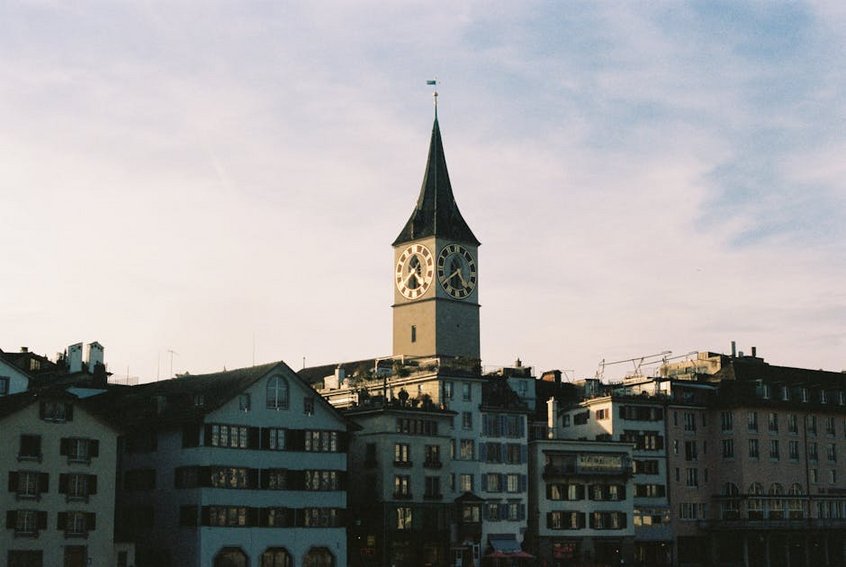
Zurich Travel Guide: Your Essential City Adventure
Navigating Zurich successfully requires blending its dual identities as a global financial hub and a stunning historic lakeside city. This Zurich travel guide provides the specific strategies and local knowledge to maximize your visit, from budget-friendly transport passes to locating the best fondue spots in the Old Town. You will learn the optimal seasons for lake activities, the smartest areas to stay for your interests, and how to efficiently see both iconic landmarks and hidden local gems within your available timeframe.
Essential Zurich Information
Zurich serves as the largest city in Switzerland and functions as a major global center for banking and finance. It sits at the northwestern tip of Lake Zurich, where the Limmat River flows out, creating a picturesque urban waterfront. The city’s history spans over two millennia, evolving from a Roman customs post into a powerful medieval trade guild center.
The official language is Swiss German, though English is widely spoken in tourism and business sectors. Zurich operates on the Swiss Franc (CHF), not the Euro, though many businesses accept Euros at less favorable exchange rates. The city consistently ranks among the world’s most livable destinations, known for its exceptional cleanliness, efficient public transport, and high quality of life.
Its compact city center is surprisingly walkable, with an unparalleled public transportation network of trams, buses, trains, and boats. This efficiency makes it easy for visitors to explore diverse neighborhoods, from the upscale Bahnhofstrasse shopping avenue to the trendy industrial district of Zurich West.
City Layout and Key Districts
Understanding Zurich’s layout helps you plan your daily itineraries logically.
- The Altstadt (Old Town) straddles both banks of the Limmat River and contains most historical landmarks, including Grossmünster and Fraumünster churches, along with narrow, cobblestone lanes filled with shops and cafes.
- Kreis 4 and 5, known as Zurich West, is the former industrial zone transformed into the city’s trendiest area, featuring innovative architecture, art galleries, street food markets, and nightlife centered around Langstrasse.
- The area around Bahnhofstrasse and Paradeplatz is the financial and luxury shopping district, home to globally renowned banks and high-end boutiques, emanating a more formal atmosphere.
- Budget Traveler ($100-150/day): Stay in a hostel dorm, utilize the Zurich Card for transport, eat lunch at department store cafeterias like Manor or Migros, enjoy free activities like hiking Uetliberg or swimming in the lake, and limit paid museum entries to one or two must-sees.
- Mid-Range Traveler ($250-400/day): Book a 3-star hotel or private Airbnb in districts like Aussersihl, dine at traditional Swiss taverns (beizis) for dinner, take a short lake cruise, and visit 2-3 major museums such as the Kunsthaus or Swiss National Museum.
- Luxury Traveler ($600+/day): Reserve a room at a 5-star hotel on Bahnhofstrasse, enjoy fine dining at a Michelin-starred restaurant, take a private guided tour of the Old Town, and indulge in shopping for Swiss watches or chocolates at Confiserie Sprüngli.
- Zurich Tourism Official Website
- Zurich Public Transport (ZVV)
- MySwitzerland – Zurich Destination Guide
Climate and Weather Patterns
Zurich experiences a temperate climate with four distinct seasons, each offering different travel experiences. Summers (June-August) are generally pleasant and warm, with average highs between 68-77°F (20-25°C), ideal for lake swimming and outdoor dining. However, occasional heatwaves or sudden thunderstorms can occur.
Winter (December-February) is cold, with temperatures often hovering around freezing, 30-35°F (-1 to 2°C), and frequent overcast skies. Snowfall in the city is common but not excessive. This season is perfect for Christmas markets and cozy fondue dinners. Spring and fall are transitional, with milder temperatures and higher chances of rain, but also fewer tourists.
Visa and Entry Requirements
Switzerland is part of the Schengen Area. US, Canadian, UK, and Australian passport holders do not need a visa for tourist stays of up to 90 days within a 180-day period. Your passport must be valid for at least three months beyond your intended departure date from the Schengen zone. While Switzerland is not in the EU, customs regulations are closely aligned, so standard duty-free allowances apply.
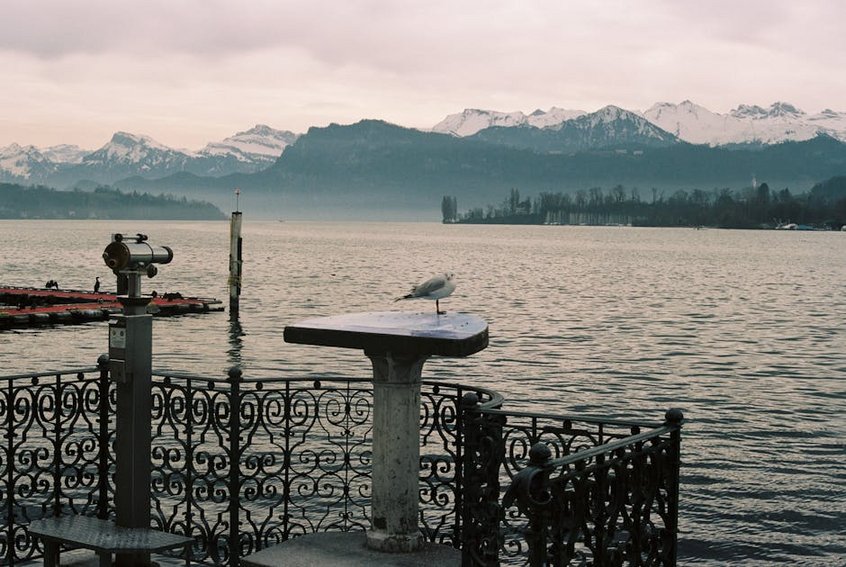
Alt: “zurich-old-town-limmat-river-grossmunster-church-view”
Zurich Travel Guide – Planning Your Trip
Crafting a smooth visit to this Swiss metropolis involves strategic decisions on timing, budgeting, and pacing. A successful Zurich travel guide prioritizes efficiency due to the city’s high costs, enabling you to experience its best aspects without overspending. You must balance iconic sightseeing with local neighborhood exploration to get a true feel for the city’s character.
Investing in a Zurich Card for the duration of your stay is almost always financially advantageous. This pass provides unlimited travel on public transport, free or discounted museum admissions, and other perks. You can purchase it online in advance or at any major train station or tourist office upon arrival.
Best Time to Visit Zurich
The optimal time for a standard sightseeing trip is late spring (May-June) or early autumn (September-October). During these shoulder seasons, you’ll encounter pleasant weather with highs of 60-70°F (15-21°C), manageable crowds, and vibrant city life. Hotel rates are typically lower than in the peak summer months.
Peak summer (July-August) brings the warmest weather, perfect for lake activities, but also the highest prices and tourist densities. Winter visits (November-December) are magical due to the renowned Christmas markets, but daylight is limited to about 8 hours and temperatures average 32-40°F (0-4°C). For ski enthusiasts, Zurich serves as a convenient gateway to nearby Alpine resorts.
Budget Planning and Costs
Zurich is famously expensive, but strategic planning makes it accessible.
Essential Preparation Checklist
Pack for variable weather regardless of season. Essential items include a comfortable waterproof jacket or coat, sturdy walking shoes for cobblestones, a universal power adapter (Switzerland uses Type J plugs with 230V voltage), and a reusable water bottle. Swiss tap water is excellent and free.
Prepare financially by notifying your bank of travel plans and confirming your credit card has no foreign transaction fees. While cards are widely accepted, always carry some Swiss Francs in cash for smaller cafes, markets, and public restrooms. Download essential apps before arrival: SBB Mobile for public transport, the local weather app, and Google Maps for offline navigation.
Top Attractions and Zurich Activities
Zurich’s appeal lies in its mix of pristine nature, profound history, and cutting-edge culture. You can spend a morning exploring a world-class art museum, an afternoon hiking a forested mountain, and an evening enjoying innovative cuisine. The city’s efficient layout means you can experience remarkable diversity within a single day.
Focus your sightseeing on the walkable Old Town core and use the excellent tram system to reach outlying districts like Zurich West. Many of the best experiences are free or low-cost, such as wandering the Lindenhof hill for panoramic views, exploring the vibrant Niederdorf lanes, or strolling along the pristine lakeside promenades.
Must-See Highlights
Start at the twin-towered Grossmünster, the Romanesque Protestant church that is a city symbol. Climb the tower for a small fee to earn breathtaking 360-degree views over the rooftops to the lake and Alps. Directly across the Limmat River, visit Fraumünster Church to see its stunning stained-glass windows created by artist Marc Chagall.
Dedicate an afternoon to Lake Zurich. You can simply relax on its grassy banks, take a refreshing swim at designated bathhouses (Freibäder) like Seebad Enge, or board a public ferry for a scenic and affordable short cruise. For a panoramic perspective, take the S-Bahn train to Uetliberg, the city’s local mountain, and walk the Planet Trail for views extending across the entire basin.
The Bahnhofstrasse is one of the world’s most exclusive shopping avenues. Even if you’re not buying, the window-shopping and people-watching are exceptional. Nearby, peek into the opulent lobbies of major banks at Paradeplatz to understand the city’s financial heartbeat.
Hidden Gems and Local Favorites
Venture to the Zurich West district to experience the city’s contemporary pulse. Explore the Im Viadukt arches, where old railway viaducts now house trendy boutiques and a market hall with local food vendors. Visit the Freitag Tower, a unique store made from stacked shipping containers, selling the iconic recycled-material bags.
For a peaceful escape, seek out the Old Botanical Garden, a hidden terraced garden behind the University with a beautiful palm house. Alternatively, visit the Friedhof Fluntern, a serene cemetery that is the final resting place of notable figures like James Joyce, offering a quiet, contemplative space away from the urban bustle.
Museum and Culture Deep Dive
Zurich boasts over 50 museums. The Kunsthaus Zurich holds one of Switzerland’s most important art collections, with masterpieces from Monet to Munch. The Swiss National Museum, located in a fairy-tale castle next to the main train station, offers an immersive journey through Swiss cultural history.
For something unique, visit the Rietberg Museum, set in a park, which focuses on non-European art. The Museum of Design (Museum für Gestaltung) showcases applied arts and is a haven for design enthusiasts. Many museums offer free admission on specific days or hours, so check their websites in advance to plan your budget.
Practical Travel Information
Navigating Zurich is remarkably straightforward thanks to its integrated and punctual public transportation system. The Zurich Airport (ZRH) is a major international hub with excellent rail connections directly to the city center. Accommodation ranges from luxury palaces to clean, modern hostels, with location being the key factor in your choice.
Booking accommodations several months in advance is crucial for peak seasons like summer and the Christmas market period. While staying in the Old Town is picturesque, neighborhoods just a 5-10 minute tram ride away, like Wiedikon or Hottingen, often offer better value and a more local atmosphere.
| Accommodation Type | Best For / Key Features | Average Nightly Rate (USD) |
|---|---|---|
| Hostel / Budget Hotel | Solo travelers & backpackers; shared facilities, central locations near train stations | $80 – $150 |
| Mid-Range 3-4 Star Hotel | Couples & families; private bathrooms, breakfast included, often near city center or main tram lines | $200 – $350 |
| Boutique / Design Hotel | Style-conscious travelers; unique interiors, often in trendy districts like Zurich West | $300 – $500 |
| Luxury 5-Star Hotel | Splurge & business travelers; prime Bahnhofstrasse or lakefront locations, spas, fine dining | $500 – $1,000+ |