Monaco Travel Guide: Experience Glamour on the Côte d’Azur
This Monaco travel guide unlocks the secrets of the world’s second-smallest country, a glamorous enclave where Formula 1 streets host daily life and Belle Époque palaces overlook a sparkling marina. You can explore the historic Rock, try your luck at the legendary casino, and experience the millionaire’s playground atmosphere that has captivated visitors for over a century. We detail the essential itineraries, budgeting strategies, and cultural insights needed to navigate this unique principality like a seasoned traveler, not just a tourist passing through.
Essential Monaco Information
Monaco is a sovereign city-state on the French Riviera, entirely surrounded by France except for its Mediterranean coastline. The principality spans just 2.1 square kilometers, making it an incredibly walkable destination. Its history is dominated by the House of Grimaldi, who have ruled since 1297, weaving a rich tapestry of European aristocracy, modern wealth, and timeless tradition.
The local language is French, though English and Italian are widely spoken in hospitality and business sectors. Monaco uses the Euro (€) and enjoys a very high standard of living. It’s crucial to understand the distinction between Monaco-Ville (the historic old town on the Rock), Monte-Carlo (the famed casino and luxury district), and La Condamine (the bustling port area). This micro-nation offers an unparalleled concentration of luxury, history, and scenic beauty.
Monaco’s Unique Districts – What You Need to Know
Each of Monaco’s four quartiers offers a distinct atmosphere and set of attractions for visitors to explore during their stay.
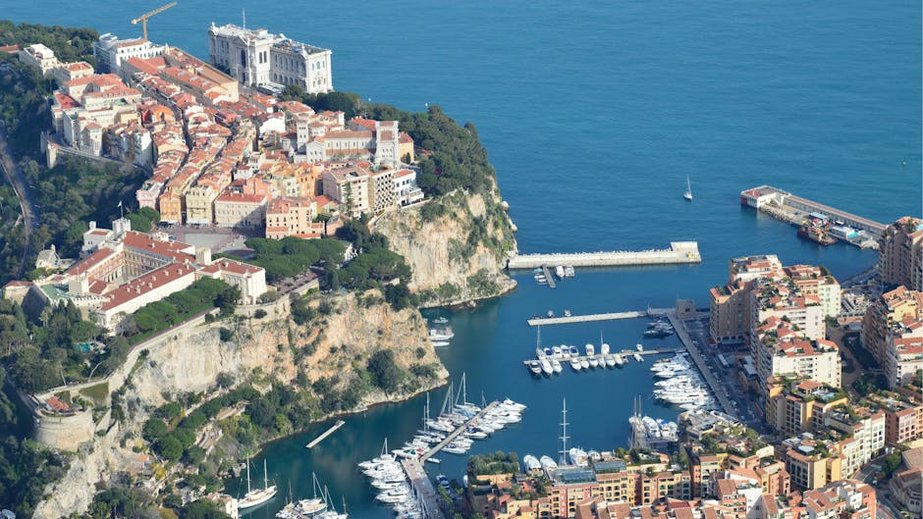
- Monaco-Ville (The Rock): The historic heart, home to the Prince’s Palace, the Oceanographic Museum, and stunning panoramic views. Expect narrow, winding streets and a more traditional, quieter vibe away from the main bustle.
- Monte-Carlo: The global symbol of luxury, centered around the Casino de Monte-Carlo, the Café de Paris, and designer boutiques. This is the epicenter of glamour, high-stakes gaming, and opulent hotels.
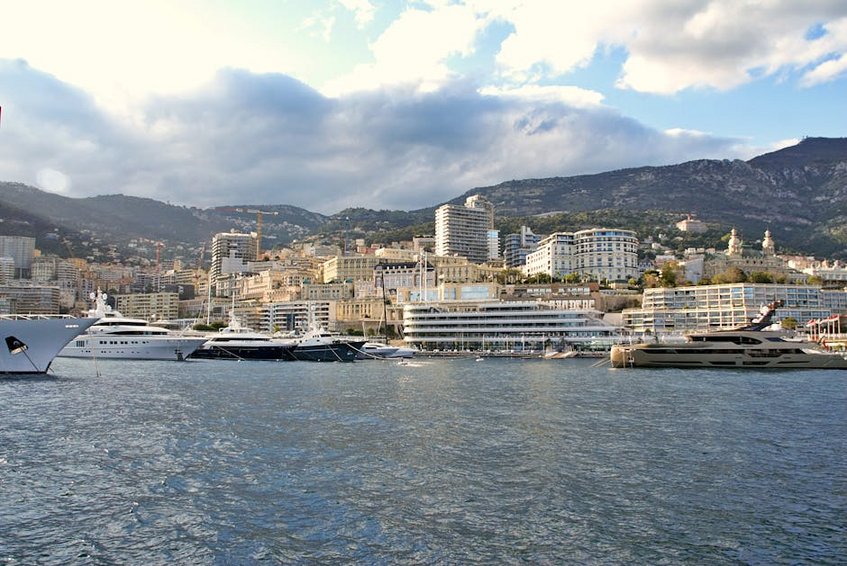
- La Condamine: This district surrounds Port Hercule, the main marina filled with superyachts. It features a more local feel with the Condamine Market, practical shops, and numerous cafes and restaurants with slightly more moderate prices.
- Fontvieille: A largely modern, reclaimed land area housing the Prince’s car collection, a scenic park, and industrial port facilities. It’s quieter and offers pleasant walking paths along the sea.
- Budget-Conscious (€150-250/day): Stay in a French border town, use public transport, enjoy picnics from markets, visit free sights like the Palace square and Cathedral, and limit paid attractions to one per day.
- Mid-Range Comfort (€400-700/day): Stay in a 3-4 star Monaco hotel like the Columbus Monte-Carlo, dine at mid-range brasseries, purchase a museum pass, use taxis occasionally, and enjoy a cocktail at a trendy bar.
- Luxury Experience (€1,200+/day): Stay at the Hôtel de Paris Monte-Carlo or Hôtel Hermitage, dine at Michelin-starred restaurants like Le Louis XV, charter a yacht for an afternoon, gamble at the private casino salons, and shop at Avenue des Beaux-Arts.
- Monaco Tourist Authority
- French Government Visa Information
Key Details – Visas, Currency, and Connectivity
As Monaco is not part of the European Union but maintains an open border with France, Schengen Area rules apply. US, Canadian, UK, and Australian passport holders can visit visa-free for up to 90 days within a 180-day period. Ensure your passport is valid for at least three months beyond your planned departure date from the Schengen Area.
The Euro (€) is the official currency. Credit cards are accepted virtually everywhere, including American Express in most high-end establishments. Monaco operates on Central European Time (CET, UTC+1) and switches to CEST (UTC+2) for Daylight Saving. The country has excellent 4G/5G coverage, and free public Wi-Fi “Monaco Wireless” is available in many public areas, though a secure travel VPN is always recommended for public networks.
Climate and What to Pack
Monaco enjoys a classic Mediterranean climate with mild, wet winters and hot, dry summers. Winter temperatures (December-February) average 50°F (10°C), while summer (June-August) sees highs around 82°F (28°C). The sun shines for about 300 days per year.
Packing requires a focus on smart-casual attire. Even high-end restaurants and the casino require elegant, polished clothing; think collared shirts, tailored trousers, dresses, and closed-toe shoes. Jeans, shorts, and sneakers are often prohibited in the casino gaming rooms. Always pack a light jacket or wrap for evenings and a comfortable pair of shoes for exploring the hilly streets of Monaco-Ville.
Alt: “monte-carlo-casino-facade-mediterranean-coastline”
Monaco Travel Guide – Planning Your Trip
Planning your Monaco visit requires balancing ambition with realism, given the compact size and premium costs. This principality is perfect for a 2-3 day stop as part of a larger French Riviera itinerary, allowing you to experience its highlights without exhausting your budget. Focus on pre-booking key attractions and dining reservations to ensure access, especially during major events like the Grand Prix or the Monte-Carlo Tennis Masters.
Your daily budget will be the single biggest planning factor. While entry to the principality itself is free, every service, meal, and activity carries a premium. We provide detailed cost breakdowns below. Strategically, consider staying in nearby French towns like Nice, Beausoleil, or Cap-d’Ail and taking the short train or bus ride into Monaco for daytime exploration. This can dramatically reduce accommodation costs.
Transport within Monaco is efficient and often free for tourists. The public elevators and escalators built into the cliffs are a lifesaver for navigating the steep terrain. The local bus network (CAM) is comprehensive, and a €5.50 day pass offers unlimited travel. Walking remains the best way to absorb the atmosphere, from the harbor to the palace.
Best Time to Visit Monaco
The ideal time for a classic glamorous experience is between May and September. These months offer long, sunny days with temperatures between 70-82°F (21-28°C), perfect for coastal walks and outdoor dining. This period also includes the iconic Formula 1 Grand Prix in late May and the Monaco Yacht Show in September, though these events bring peak prices and crowds.
For milder weather and fewer tourists, target the shoulder seasons of April or October. You’ll still enjoy pleasant temperatures of 60-70°F (15-21°C) with a higher chance of availability and better value. The winter months are the quietest and least expensive, though some seasonal attractions may have reduced hours and you risk rainy days around 50°F (10°C).
Budget Planning and Costs
Your spending will vary drastically based on your style. Here’s a realistic tiered overview.
Essential Preparation Checklist
Secure your accommodations months in advance, especially for a summer visit or during an event. International drivers need a valid license and must be prepared for tight, complex driving and expensive parking if renting a car. For US travelers, ensure your credit cards have no foreign transaction fees and inform your bank of travel plans to prevent blocks.
Pack adapters for Type C/E plugs (230V). While not mandatory, travel insurance covering medical evacuation is highly advisable. Make a shortlist of must-see attractions and pre-book tickets online for the Oceanographic Museum and the Prince’s Palace State Apartments to skip queues. Confirm the dress code for any high-end restaurants or the casino you plan to visit.
Top Attractions and Activities
Monaco’s attractions blend high culture, natural beauty, and sheer spectacle. The top sights are remarkably concentrated, allowing you to see most highlights in a single, well-planned day. Start your morning at the highest point, Monaco-Ville, and work your way down toward the sea and the Monte-Carlo district.
Beyond the iconic postcard locations, take time to appreciate the meticulous public gardens like the Jardins Saint-Martin or the Japanese Garden. These oases of calm provide beautiful, free viewpoints. The changing of the guard at the Prince’s Palace (daily at 11:55 AM) is a brief but classic ceremony that connects you to the nation’s enduring monarchy.
Must-See Highlights
The Prince’s Palace of Monaco is the official residence of the ruling monarch and the top historic site. Tour the State Apartments to see opulent décor and heritage. The Oceanographic Museum, founded by Prince Albert I, is a world-class institution with an impressive aquarium and sweeping terrace views.
No visit is complete without seeing the Casino de Monte-Carlo, even if you don’t gamble. Admire the Beaux-Arts architecture and opulent interiors from the atrium (free before 2 PM). For automotive fans, the Monaco Top Cars Collection in Fontvieille displays part of the Prince’s private collection of vintage and classic cars, offering a unique glimpse into royal life.
Hidden Gems and Local Favorites
Visit the Marché de la Condamine, a covered market where locals shop for fresh produce, cheese, and flowers. Upstairs, “La Table du Marché” offers a lively, affordable lunch spot. For a peaceful escape, walk the Chemin des Révoires, a path leading to the highest point in Monaco with panoramic views rarely seen by tourists.
Discover the Exotic Garden (Jardin Exotique), home to thousands of succulent plants and offering stunning cliffside vistas. Your ticket includes entry to the Observatory Cave below. For a different perspective, take the €2 ferry boat (“Bateau Bus”) that shuttles across Port Hercule, providing unique views of the superyachts and skyline.
Experiencing the Grand Prix Circuit
Even outside of race weekend, you can walk or drive the famous Formula 1 circuit. Follow the route from the start/finish straight by the Casino, down the steep descent to the Fairmont Hairpin, and along the port tunnel. Many tour operators offer guided drives in sports cars along the route.
The Monaco Grand Prix Museum, located near the Stade Louis II in Fontvieille, houses a collection of racing cars, trophies, and memorabilia chronicling the history of the race. It’s a must for motorsport enthusiasts visiting during the off-season to feel the spirit of the event.
Practical Travel Information
Navigating Monaco is straightforward thanks to its size and efficient infrastructure. The principality is exceptionally safe, with one of the highest police-to-citizen ratios in the world. Getting around is a mix of walking, using public lifts, and hopping on the efficient bus network.
Accommodation ranges from the impossibly luxurious to the practically non-existent in the budget category. Most hotels cater to the high-end market, making alternative lodging in France a popular and smart choice for many travelers. Booking directly through hotel websites can sometimes yield better rates or added benefits like breakfast.
| Experience Category | Options & Features | Price Range (USD) |
|---|---|---|
| Glitz & Glamour | Casino visit, Michelin-starred dinner, luxury hotel suite, designer shopping | $1,500 – $5,000+ per day |
| Yachting & Harbor | Afternoon yacht charter, lunch at a portside restaurant, visiting the Yacht Club | $800 – $3,000 per day |
| Cultural & Historical | Museum passes, palace tours, cathedral, walking tours, garden visits | $80 – $200 per day |
| Romantic Getaway | Boutique hotel, scenic cliff walks, fine dining with a view, sunset cocktails | $400 – $1,200 per day |