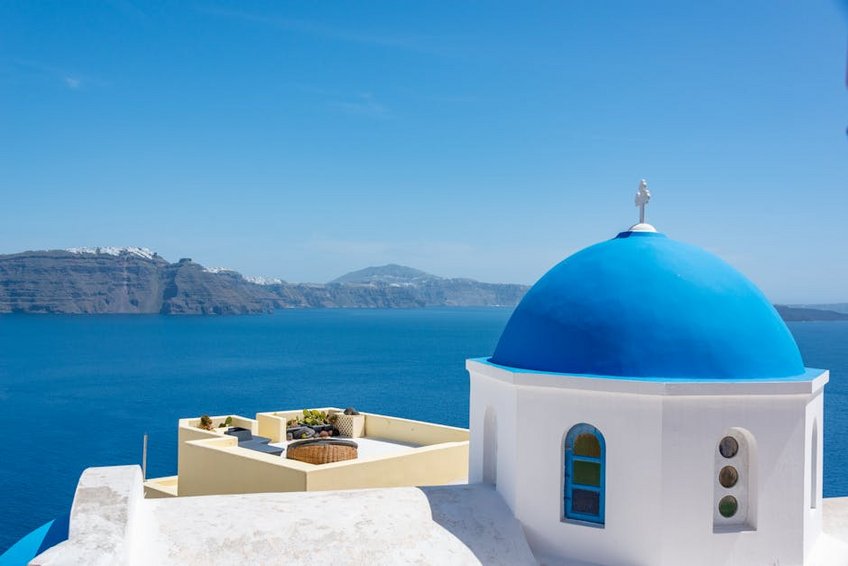
Santorini Travel Guide: Discover the Greek Island Paradise
Santorini captivates travelers with its dramatic caldera cliffs and iconic white-washed architecture against the deep blue Aegean Sea. This comprehensive Santorini travel guide provides essential insights for planning your ideal Greek island vacation, from Oia’s legendary sunsets to ancient Akrotiri ruins. You will discover detailed seasonal advice, budget breakdowns, and authentic cultural experiences beyond the postcard views.
Essential Greek Island Information
Santorini forms the southernmost member of the Cyclades archipelago in the Aegean Sea. The island’s unique crescent shape results from a massive volcanic eruption around 1600 BC. This event created the steep caldera cliffs that define its landscape today.
Local populations concentrate in several main towns, including Fira, Oia, and Imerovigli. These villages offer stunning vistas over the submerged volcano crater. Traditional cave houses built into the cliffs provide unique accommodation options.
What You Need to Know Before Visiting
Understanding basic island logistics improves your travel experience significantly.
- Santorini International Airport (JTR) handles direct flights from major European hubs and connecting flights via Athens, with ferry services from Piraeus port taking 5-8 hours.
- The Greek national currency is the Euro (€), with credit cards widely accepted in tourist areas but cash preferred in smaller villages and for taxi fares.
- Primary languages are Greek and English, with most tourism workers fluent in English and signage commonly bilingual for visitor convenience.
- Budget travel averages $80-150 daily per person, covering hostel dorm beds, self-catering meals, public buses, and free activities like hiking and beach visits. Focus on accommodations in Perissa or Kamari away from caldera views.
- Mid-range budgets of $200-350 daily include boutique hotels with partial caldera views, taverna dining, rental ATVs, and organized wine tours. Split stays between Fira and Oia provide balanced experiences.
- Luxury experiences exceed $500 daily, featuring cave suite accommodations with private pools, fine dining at sunset restaurants, private yacht charters, and personalized guided tours. Premium caldera-view locations command highest rates.
- Santorini Municipal Tourism Organization
- Lonely Planet Santorini Guide
Key Geographical and Historical Details
Santorini’s total land area spans approximately 76 square kilometers with around 70 kilometers of coastline. The island’s highest point is Profitis Ilias mountain, reaching 567 meters above sea level. Volcanic activity continues today with Nea Kameni islet in the caldera center.
Ancient Thera ruins near Kamari date back to the 9th century BC, showcasing Dorian, Roman, and Byzantine influences. The prehistoric settlement at Akrotiri remains exceptionally preserved under volcanic ash. This Minoan-era site offers fascinating archaeological insights.
Climate and Weather Patterns
The island enjoys a typical Mediterranean climate with hot, dry summers and mild, wetter winters. Summer temperatures average 77-86°F (25-30°C) from June through August, with minimal rainfall and strong Meltemi winds providing cooling relief. Winter months see averages of 50-59°F (10-15°C) with increased precipitation.
Sea temperatures remain swimmable from May through October, peaking at 75-77°F (24-25°C) in August. Spring and autumn offer ideal conditions with comfortable temperatures and fewer crowds. These shoulder seasons present perfect photography conditions.
Santorini Travel Guide – Planning Your Trip
Effective itinerary planning balances iconic sights with authentic local experiences across the island’s diverse villages. Your Santorini travel guide should allocate days for caldera exploration, beach visits, and cultural immersion. Consider splitting your stay between different areas to appreciate varied atmospheres.
Advance reservations prove crucial for popular accommodations, restaurants, and tours during peak visitation periods. Booking three to six months ahead secures optimal choices, especially for caldera-view hotels and sunset dining. Flexible travelers find better rates and availability during shoulder seasons.
Transportation planning requires understanding the limited public bus network and narrow village pathways unsuitable for large vehicles. Renting an ATV or compact car provides maximum flexibility for beach hopping and inland exploration. Taxis and private transfers offer convenience at higher costs.
Best Time to Visit Santorini
Peak season runs from late June through August, offering guaranteed sunny weather and full operational hours for all services. Temperatures reach 82-90°F (28-32°C) with minimal cloud cover, perfect for beach activities and sailing tours. However, crowds swell dramatically, especially at sunset viewpoints.
Shoulder months of April-May and September-October provide ideal conditions with temperatures around 68-77°F (20-25°C). These periods offer comfortable exploration weather with fewer tourists and moderate prices. Late October begins the transition toward winter closures.
Budget Planning and Costs
Destination expenses vary significantly based on travel style and seasonal demand.
Essential Preparation Checklist
Pack lightweight, breathable clothing for summer visits with sturdy walking shoes for cobblestone pathways and volcanic terrain. Include swimwear, sun protection with SPF 50+, and a light jacket for evening breezes and ferry decks. Winter visits require layers and waterproof gear for occasional rain.
Required documents include a valid passport with at least six months remaining for most nationalities, with EU and US citizens enjoying 90-day visa-free stays. Travel insurance covering medical emergencies and trip interruptions proves valuable. European Health Insurance Cards provide coverage for EU residents.
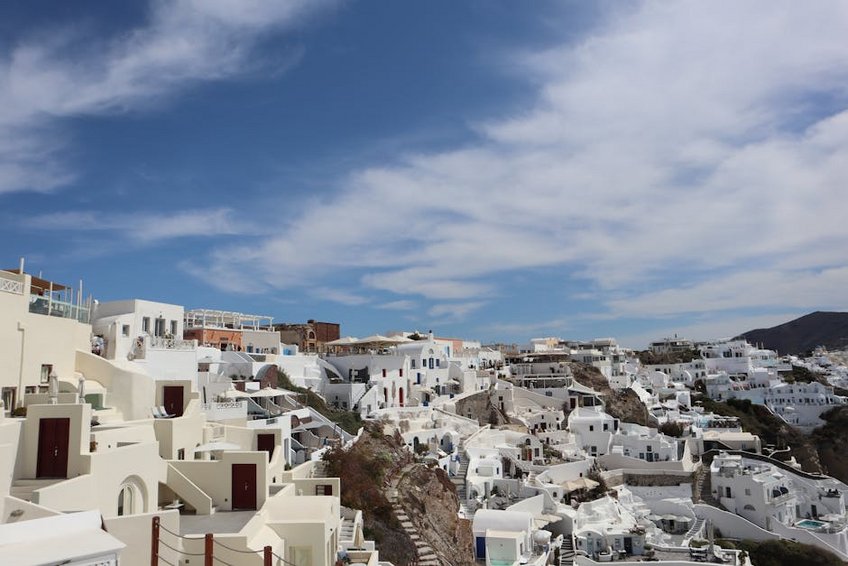
Alt: “santorini-caldera-cliff-village-white-houses-blue-domes”
Top Attractions and Activities
Santorini’s diverse experiences span geological wonders, historical sites, and culinary adventures across multiple villages. The island offers more than just sunset photography opportunities, though Oia’s evening spectacle remains unforgettable. Balance your itinerary between popular highlights and lesser-known discoveries.
Active travelers enjoy hiking the 10-kilometer Fira to Oia caldera trail with breathtaking views throughout. This pathway connects several villages along the cliff edge, passing through Firostefani and Imerovigli. Allow three to four hours for the full route with photo stops.
Maritime experiences include catamaran cruises around the caldera with swimming stops at hot springs. Traditional boat tours depart from Ammoudi Bay below Oia or the old port of Fira. These excursions typically include meals and snorkeling equipment.
Must-See Highlights
Oia village represents the island’s most photographed location, particularly during sunset when crowds gather at the Byzantine castle ruins. Arrive at least two hours before sunset for prime viewing positions. The village’s narrow pathways reveal art galleries, boutique shops, and cave house architecture.
Ancient Akrotiri archaeological site showcases remarkably preserved Minoan settlement remnants covered by volcanic ash. This “Greek Pompeii” features multi-story buildings, advanced drainage systems, and vibrant frescoes. Allow two hours for thorough exploration with audio guide assistance.
Red Beach near Akrotiri features dramatic crimson cliffs created from volcanic mineral deposits. Access requires careful navigation down a rocky path, with swimming in clear waters beneath striking formations. Arrive early to avoid midday crowds during peak season.
Hidden Gems and Local Favorites
Pyrgos village presents a tranquil alternative to crowded caldera towns with panoramic views from its Venetian castle summit. This inland settlement features traditional architecture, fewer tourists, and excellent tavernas. Evening visits reveal beautiful lighting across the hillside.
Profitis Ilias monastery near Pyrgos offers the island’s highest vantage point at 567 meters elevation. The 18th-century complex includes a small museum with religious artifacts and historical documents. The winding drive provides spectacular photo opportunities.
Emporio village features a fascinating maze of medieval passageways and fortified mansions from the pirate era. Explore the castle ruins and windmills before visiting nearby Perissa Beach. This area maintains authentic local character away from tourism centers.
Santorini Wine Tasting Experiences
The island’s volcanic soil produces distinctive Assyrtiko white wines with mineral characteristics. Several established wineries offer tasting tours with caldera views, particularly in the Megalochori and Pyrgos areas. Venetsanos Winery provides exceptional sunset vistas from its cliffside location.
Wine museum in Messaria presents an underground journey through traditional wine-making techniques using animated exhibits. This unique attraction includes tasting of various local varieties with commentary. Combine with visits to nearby Santo Wines cooperative.
Practical Travel Information
Navigating Santorini requires understanding transportation limitations and accommodation variations across different villages. The island’s infrastructure caters well to tourism while maintaining Greek island charm. Advance planning ensures smooth logistics throughout your stay.
Accommodation choices range from luxury cave suites with private plunge pools to budget-friendly studios in beach towns. Caldera-view properties command premium rates, while inland and beach areas offer better value. Consider location priorities versus budget constraints carefully.
| Category | Options/Features | Price Range (USD) |
|---|---|---|
| Luxury Accommodation | Caldera-view cave suites with private pools, concierge service, breakfast | $400-800 per night |
| Mid-Range Hotels | Boutique hotels with balcony views, daily cleaning, central locations | $150-300 per night |
| Budget Stays | Studios/apartments in Perissa/Kamari, basic amenities, shared pools | $80-140 per night |
| Transportation | ATV rentals, compact cars, taxi transfers, public bus passes | $30-100 per day |
| Dining | Taverna meals, fine dining, casual cafes, grocery self-catering | $15-80 per meal |