Athens Travel Guide: Ancient History Meets Modern Life
Your Athens travel guide starts with the Acropolis casting its timeless shadow over a bustling contemporary metropolis. This destination seamlessly connects you with democracy’s birthplace while offering vibrant street art, innovative cuisine, and Mediterranean hospitality. We provide detailed itineraries, cost breakdowns, and cultural insights for your Greek capital adventure.
Essential Athens Information
Athens serves as Greece’s political and cultural heart with over three million residents. The urban sprawl covers 412 square kilometers within the Attica basin, framed by mountains and the Saronic Gulf. Summer temperatures regularly hit 95°F (35°C), while winter sees averages around 50°F (10°C) with moderate rainfall.
The city’s history spans three millennia, from Classical glory to Ottoman rule and modern independence. You encounter this layered past through preserved ruins, Byzantine churches, and neoclassical architecture. English is widely spoken in tourist areas, though learning basic Greek phrases enhances local interactions.
Athens Through the Ages
Understanding historical periods clarifies the city’s architectural and cultural evolution.
- Classical Era (5th-4th BCE): Democracy, philosophy, and theater flourished under Pericles, leaving the Parthenon and Agora.
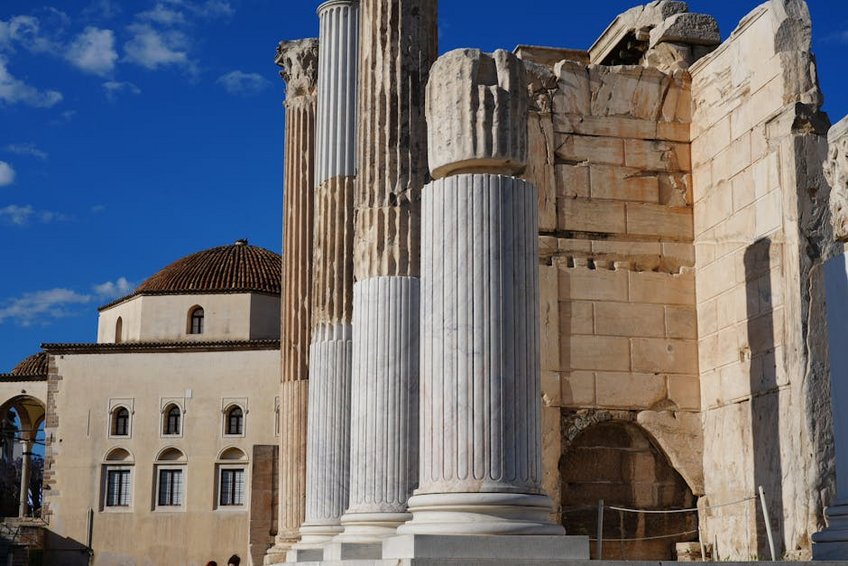
- Roman Period (146 BCE-330 CE): Integration brought the Temple of Olympian Zeus and Hadrian’s Library additions.
- Ottoman Rule (1458-1832): Four centuries introduced mosques and traditional Plaka district housing styles.
- Modern Greece (1834-present): Independence restoration and 2004 Olympics spurred contemporary infrastructure and museums.
- Budget traveler: $50-70 daily covers hostel dorms, street food, museum discounts, and public transport. Save by visiting free National Garden walks and changing of the guard ceremonies.
- Mid-range visitor: $100-150 daily includes boutique hotels, taverna meals, site combination tickets, and occasional taxis. This range balances comfort with authentic experiences without luxury extras.
- Luxury experience: $250-400 daily provides five-star hotels, fine dining, private guides, and premium Acropolis viewing times. Add sunset yacht tours for approximately $150 per person.
- Greek National Tourism Organization
- Lonely Planet Athens Guide
Geographic and Climate Overview
Athens occupies a coastal basin surrounded by Mounts Hymettus, Penteli, and Parnitha. The Saronic Gulf coastline provides beaches within 30 minutes from the city center. Urban heat island effects make summers hotter than surrounding regions, averaging 86-95°F (30-35°C).
Winter remains mild with January lows around 43°F (6°C) and occasional snow on surrounding peaks. Spring (March-May) brings 60-75°F (15-24°C) with blooming wildflowers across archaeological sites. Autumn (September-November) offers similar pleasant temperatures ideal for outdoor exploration.
Language and Cultural Basics
Modern Greek remains the official language, with English fluency common in tourism sectors. Younger Athenians often speak excellent English, while older residents may prefer basic Greek greetings. Key phrases include “Yassas” (hello), “Efharisto” (thank you), and “Parakalo” (please/you’re welcome).
Greeks value personal connections, so expect friendly conversations with shopkeepers and restaurant staff. Punctuality follows a relaxed Mediterranean approach, with dinners often starting after 8 PM. Dress modestly when visiting monasteries and churches, covering shoulders and knees.
Planning Your Athens Travel Guide
Your Athens travel guide requires strategic timing to balance weather, crowds, and cultural events. Peak summer months bring intense heat but also extended daylight for exploring ancient ruins. Shoulder seasons provide optimal conditions with manageable tourism numbers and pleasant temperatures.
Budget between $80-150 daily per person for mid-range comfort, covering accommodation, meals, and attractions. Prioritize purchasing combination tickets for major archaeological sites to save money and time. Book Acropolis tickets online in advance during April-October to avoid lengthy queues.
Alt: “acropolis-hill-parthenon-temple-ancient-ruins-athens”
Best Time to Visit Athens
Visit between April-June or September-October for ideal 68-82°F (20-28°C) temperatures and smaller crowds. July-August sees peak tourism with prices 30% higher and midday heat reaching 95°F (35°C). Winter offers 50-60°F (10-16°C) with occasional rain but minimal waits at major sites.
Spring wildflowers enhance the Temple of Olympian Zeus grounds from March onward. Autumn delivers clear skies perfect for Lycabettus Hill sunset views through November. December features Christmas markets and shorter site hours, with some attractions closing on major holidays.
Budget Planning and Costs
Daily expenses vary significantly based on accommodation style and dining preferences.
Essential Preparation Checklist
Pack comfortable walking shoes with good traction for marble surfaces at archaeological sites. Include sun protection (hat, sunscreen, sunglasses) from May-September and a light jacket for cooler evenings. Power adapters for Type C/F outlets (220V) ensure your devices stay charged throughout the day.
EU passport holders need only valid ID, while US visitors require passports valid three months beyond departure. Travel insurance covering medical evacuation proves wise given uneven ancient site terrain. Download offline maps and translation apps before arrival for seamless navigation.
Top Attractions and Activities
The Acropolis represents the undeniable highlight, but Athens offers diverse experiences across historical periods. You can explore Ancient Agora’s philosophical foundations, Byzantine churches in Monastiraki, and contemporary art in former industrial zones. Allow minimum three full days to appreciate the city’s chronological layers properly.
Ancient sites generally open 8 AM-8 PM summer, 8 AM-3 PM winter, with reduced hours on Mondays. Purchase the €30 multi-site ticket covering Acropolis, Agora, Roman Forum, and other locations for five days. Consider guided tours for deeper context at major locations, averaging €50-80 per person.
Must-See Historical Sites
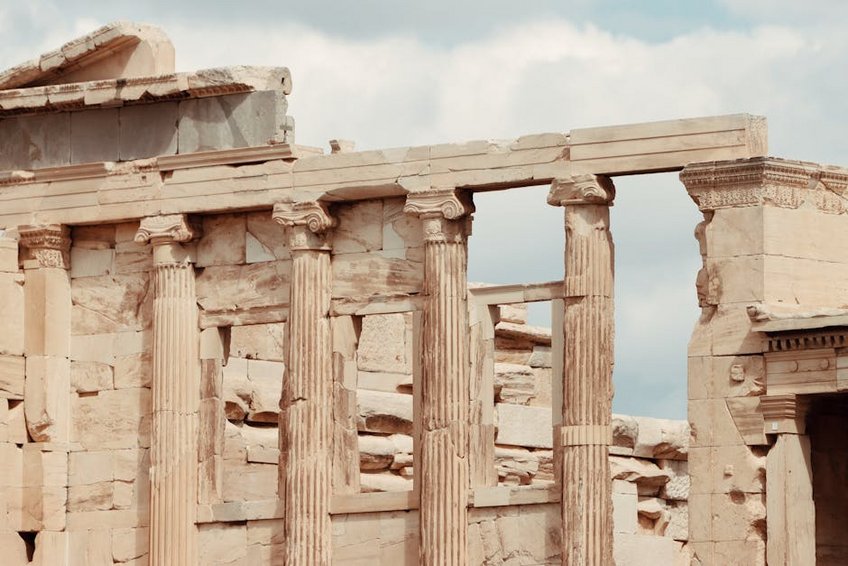
The Acropolis showcases the Parthenon, Erechtheion, and Temple of Athena Nike from 5th century BCE. Arrive at opening time (8 AM) for cooler temperatures and photographic opportunities without crowds. Allocate 2-3 hours for the archaeological site and Acropolis Museum combination visit.
Ancient Agora served as the commercial and political heart where Socrates taught philosophy. The Temple of Hephaestus remains Greece’s best-preserved Doric temple, dating from 415 BCE. Allow 90 minutes minimum, plus additional time for the Agora Museum within the reconstructed Stoa of Attalos.
Roman Forum and Tower of the Winds illustrate Athens’ incorporation into the Roman Empire. This compact site features the Gate of Athena Archegetis and octagonal horologion (water clock). Visit en route to Monastiraki Flea Market for efficient itinerary planning.
Hidden Gems and Local Favorites
Philopappos Hill provides panoramic Acropolis views without entrance fees or significant crowds. The shaded walking paths lead to the Philopappos Monument and Socrates’ Prison rock chamber. Locals frequent this area for afternoon strolls and sunset photography sessions.
Benaki Museum of Islamic Art displays exceptional Ottoman-era artifacts in a restored neoclassical mansion. This lesser-known museum occupies a peaceful neighborhood near Kerameikos archaeological site. The rooftop café offers excellent Parthenon vistas alongside traditional Greek coffee.
Street art tours in Exarcheia reveal political and social commentary through vibrant murals. This anarchist-leaning neighborhood features ever-changing artworks by local and international creators. Guided walking tours cost approximately €35 and operate Wednesday through Sunday afternoons.
Day Trips from Athens
Cape Sounion’s Temple of Poseidon perches dramatically on coastal cliffs 70 kilometers southeast. Sunset visits provide breathtaking Aegean Sea views where Lord Byron carved his name. Drive approximately 90 minutes or join organized tours costing $50-70 per person including transportation.
Delphi’s archaeological site and museum lie 180 kilometers northwest, requiring full-day commitment. Ancient Greeks considered this the world’s center, marked by the Oracle of Apollo. Organized bus tours depart daily at 7:30 AM, returning by 7 PM, with prices averaging $80-100.
Hydra island offers car-free relaxation just two hours by ferry from Piraeus port. Stone mansions, waterfront cafes, and swimming coves characterize this Saronic Gulf destination. Day trip ferries cost $60-80 roundtrip, with multiple daily departures from April through October.
Practical Travel Information
Athens International Airport (ATH) handles direct flights from major European and North American hubs. The metro Line 3 connects directly to Syntagma Square downtown in 40 minutes for €10. Taxis charge flat €38 daytime rate to central hotels, increasing to €54 between midnight and 5 AM.
Accommodation clusters in distinct neighborhoods catering to different travel preferences and budgets. Plaka offers traditional charm near major sites, while Kolonaki provides upscale shopping and dining options. Psiri and Gazi districts deliver vibrant nightlife with converted industrial spaces hosting bars and clubs.
| Category | Options/Features | Price Range (USD) |
|---|---|---|
| Budget Accommodation | Hostels in Psiri, shared dorms, free Wi-Fi, communal kitchens | $25-40 per night |
| Mid-Range Hotels | Boutique hotels in Plaka, private bathrooms, breakfast included | $80-150 per night |
| Luxury Stays | Five-star hotels near Syntagma, spa services, rooftop pools | $200-400 per night |
| Public Transport Pass | Unlimited metro, bus, tram rides for 3 days | $20-30 per person |