Budapest Travel Guide: Discover the Danube’s Shining Twin Cities
Your Budapest travel guide begins with this essential truth. This Hungarian capital offers stunning architecture, rich history, and vibrant thermal bath culture along the Danube River. This guide provides the practical details you need for a seamless visit.
Essential Budapest Information
Budapest formed officially in 1873, merging Buda, Óbuda, and Pest. The city is often called the “Paris of the East” for its grandeur. Its unique layout features historic Buda on the west bank and bustling Pest on the east.
The official language is Hungarian, but English is widely spoken in tourist areas. The local currency is the Hungarian Forint (HUF), though Euros are sometimes accepted. Credit cards work at most hotels, restaurants, and larger shops.
Hungary is a member of the European Union and the Schengen Area. US citizens can visit visa-free for up to 90 days within a 180-day period. Always check current entry requirements before your departure date.
City Layout and Key Districts
Understanding the districts helps you navigate efficiently.
- Buda (District I & II): The historic hillside featuring Buda Castle, Fisherman’s Bastion, and quiet, scenic streets with panoramic views across the river.
- Pest (District V & VII): The vibrant, flat downtown core. This area houses the Parliament, ruin bars, Andrássy Avenue, and most shopping and dining options.
- Óbuda (District III): The oldest part of the city, north of central Buda. It offers Roman ruins and a more local, residential atmosphere away from the main crowds.
- Budget Traveler ($50-70/day): Stay in hostels, use public transport, eat street food like lángos, visit free walking tours, and enjoy the many low-cost thermal baths like Széchenyi.
- Mid-Range Traveler ($100-150/day): Comfortable hotel in District V or VI, dine at casual restaurants, take a Danube cruise, visit paid museums like the House of Terror, and indulge in a few spa treatments.
- Luxury Traveler ($250+/day): Five-star hotels like the Four Seasons Gresham Palace, fine dining at Michelin-starred restaurants, private guided tours, and premium spa experiences at the Gellért Baths.
- Official Budapest Tourist Information
- Wikitravel Budapest Guide
- Budapest Public Transport (BKK)
Climate and Weather Patterns
Budapest experiences a continental climate with four distinct seasons. Summers (June-August) are warm and can be humid, with average highs around 80°F (27°C). This is the peak tourist season with long, sunny days.
Winters (December-February) are cold and gray, with temperatures often hovering near freezing, 32°F (0°C). Snow is possible but not always heavy. Spring and fall offer the most pleasant weather for sightseeing.
Local Customs and Etiquette Basics
Tipping is customary in Hungary. In restaurants, a 10-15% tip is standard for good service. You should leave the tip in cash on the table, even if you pay the bill by card.
Greet people with a firm handshake and direct eye contact. When using public transport, always validate your ticket in the orange machines. Failure to do so results in a steep on-the-spot fine.
Alt: “budapest-danube-river-parliament-building-night-view”
Planning Your Budapest Travel Guide
Crafting your ideal itinerary requires balancing iconic sights with local immersion. Most visitors find four to five days perfect for a comprehensive experience. This allows time for major landmarks, museum visits, and relaxing thermal baths.
Budget planning is crucial for a stress-free trip. The city offers excellent value compared to Western Europe. Costs vary significantly based on your dining, accommodation, and activity choices.
Book popular accommodations and special tours several months in advance for summer visits. For other seasons, a few weeks’ notice is usually sufficient. Always confirm the opening hours of attractions, as they can change seasonally.
Best Time to Visit Budapest
The ideal months are late April to early June and September to October. During these periods, temperatures range from 55-75°F (13-24°C), crowds are thinner, and hotel rates are lower. The famous outdoor terraces are open and comfortable.
July and August bring heat, higher prices, and the largest tourist crowds. December is magical for Christmas markets but very cold, around 32°F (0°C). Winter offers cheap flights and a chance to enjoy steamy thermal baths in the crisp air.
Budget Planning and Costs
Your daily budget dictates your experience.
Essential Preparation Checklist
Pack comfortable walking shoes for cobblestone streets and layers for variable weather. Include a swimsuit and flip-flops for the thermal baths. A reusable water bottle is useful, as tap water is safe to drink throughout the city.
Ensure your passport is valid for at least three months beyond your planned departure. Purchase comprehensive travel insurance that covers medical emergencies. Download the BKK app for real-time public transport schedules and ticket purchasing.
Top Attractions and Iconic Activities
This Danube River city dazzles with its architectural majesty. The Hungarian Parliament Building is a neo-Gothic masterpiece best viewed from across the river. Fisherman’s Bastion provides the city’s most famous panoramic photo opportunity.
Thermal bath culture is central to local life. The Széchenyi Thermal Baths in City Park are the largest medicinal baths in Europe. The Art Nouveau Gellért Baths offer a more historic and ornate soaking experience.
Crossing the Chain Bridge between Buda and Pest is a rite of passage. For a unique perspective, take a evening river cruise to see the buildings illuminated. The views are unforgettable.
Must-See Historical Highlights
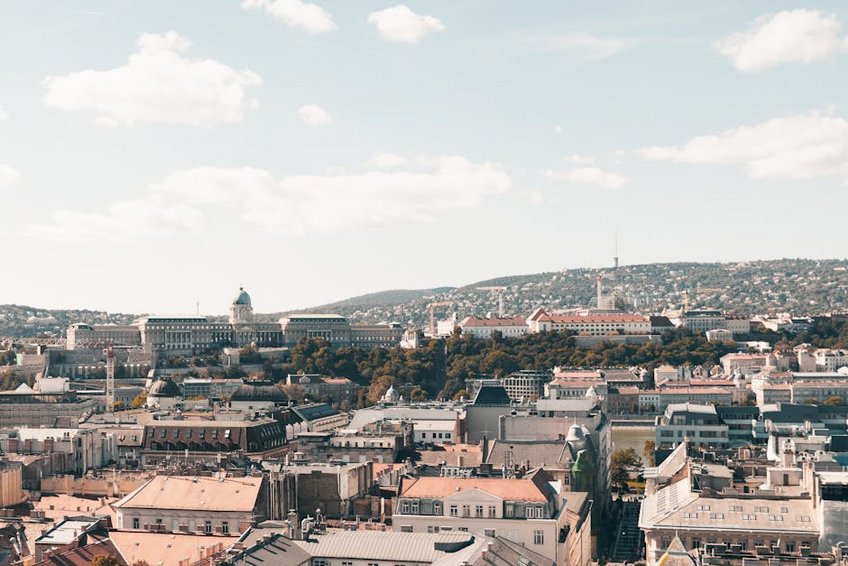
Buda Castle is a UNESCO World Heritage site housing the Hungarian National Gallery and Budapest History Museum. The funicular ride up Castle Hill is a classic experience. Allow half a day to explore the castle district thoroughly.
The Hungarian Parliament Building is the third largest parliament building in the world. You must join a guided tour to see the stunning interior, including the Holy Crown of Hungary. Book tickets online well in advance.
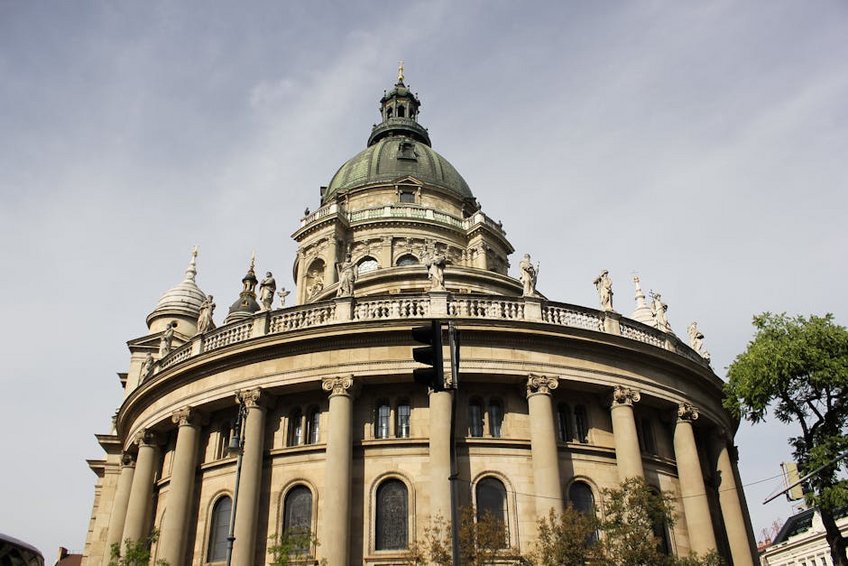
St. Stephen’s Basilica is the largest church in Budapest. You can climb to the dome’s observation deck for a 360-degree city view. The interior is opulent and houses the mummified right hand of St. Stephen.
Hidden Gems and Local Favorites
Visit the Memento Park on the city’s outskirts, an open-air museum dedicated to the statues of the communist era. It’s a fascinating and sobering look at Hungary’s recent history. You can reach it by public bus.
Explore the Gozsdu Udvar, a long, covered passageway in the Jewish Quarter filled with restaurants, bars, and craft stalls. It’s livelier than the famous ruin bars and feels more integrated into daily life.
For a peaceful escape, take the Children’s Railway in the Buda Hills. It’s operated almost entirely by children (under adult supervision). The train ride through the forest offers serene nature views.
Thermal Baths and Spa Culture
Beyond the famous baths, consider Rudas Baths for a more authentic, Turkish-style experience with a stunning rooftop pool. The Király Baths also feature original 16th-century Ottoman architecture.
Remember, baths are segregated on certain days for swimming attire and other days for textile-free bathing. Check schedules online. Bring your own towel and a plastic bag for your wet swimsuit to save on rental fees.
Practical Travel Information
Navigating Budapest is straightforward with its efficient and affordable public transport system. The BKK network includes metros, trams, buses, and trolleybuses. A single ticket costs about $1.10, but daily or multi-day travel passes offer better value.
Accommodation options span from luxury hotels to budget hostels and private apartments. District V (Belváros) is most central for sightseeing. District VII (the Jewish Quarter) is ideal for nightlife and ruin bars.
| Accommodation Type | Best Districts & Features | Average Price Range (USD) |
|---|---|---|
| Luxury Hotel | District V (Inner City). River views, historic buildings, concierge. | $200-400/night |
| Mid-Range Hotel/Boutique | District VI (Terézváros) or VII. Modern amenities, good locations. | $80-150/night |
| Budget Hotel/Hostel | District VIII or XIII. Basic comfort, social atmosphere. | $25-70/night |
| Vacation Rental/Apartment | Across Buda & Pest. More space, kitchen, local neighborhood feel. | $60-120/night |