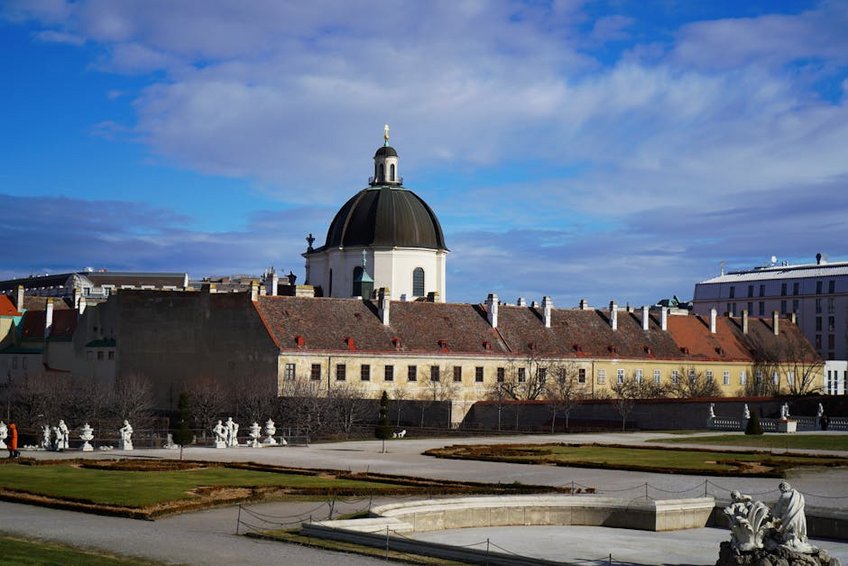
Vienna Travel Guide: Explore Imperial Splendor and Coffeehouse Culture
This Vienna travel guide provides everything you need for an enriching trip to Austria’s elegant capital. The city seamlessly blends imperial history with a vibrant modern arts scene, from the opulent halls of the Hofburg Palace to the innovative galleries in the MuseumsQuartier. You’ll discover how to navigate its efficient transport, savor legendary coffeehouse culture, and experience world-class music, all while staying within your budget.
Essential Vienna Information
Vienna, Austria’s capital, sits along the banks of the Danube River in the heart of Europe. It served as the center of the powerful Habsburg Empire for centuries, which explains the staggering concentration of palaces and museums. The city’s historical core is a UNESCO World Heritage Site, preserving its architectural and cultural legacy.
Today, it functions as a major international hub for diplomacy, culture, and business. German is the official language, but English is widely spoken in tourist areas, hotels, and restaurants. The local currency is the Euro (€), and credit cards are accepted almost universally, though it’s wise to carry some cash for smaller shops and markets.
Vienna’s Cultural Identity
The city’s character is defined by a unique blend of tradition and modernity.
- Coffeehouse Culture: Historic cafes like Café Central and Café Sacher are social institutions where lingering for hours over a melange and a slice of cake is not just accepted but encouraged.
- Musical Heritage: As the home of Mozart, Beethoven, and Strauss, live classical music is woven into daily life, with performances ranging from grand opera to intimate chamber concerts.
- Contemporary Arts: The MuseumsQuartier, one of the world’s largest cultural complexes, houses modern art museums, festivals, and avant-garde exhibitions right beside imperial stables.
- Budget Traveler ($70-100/day): Stay in a hostel or budget hotel, use the Vienna City Card for transport, enjoy free museum first Sundays, and eat at würstelstand sausage stands or market halls like Naschmarkt.
- Mid-Range Traveler ($150-250/day): Afford a central 3-star hotel, dine at traditional gasthaus restaurants, take a guided walking tour, and attend a standing-room ticket at the Vienna State Opera.
- Luxury Traveler ($350+/day): Experience a 5-star palace hotel like Hotel Sacher, book premium seats for a Mozart concert, enjoy a private horse-drawn fiaker tour, and dine at award-winning restaurants.
- Vienna Tourist Board Official Site
- UNESCO World Heritage Centre – Historic Centre of Vienna
Key Historical Context
Vienna’s grandeur stems directly from the Habsburg monarchy, which ruled from 1273 until the end of World War I. Their patronage of arts, music, and architecture created the magnificent cityscape you see today. The Ringstrasse, a grand circular boulevard built in the 19th century, is lined with monumental buildings like the Parliament, City Hall, and the State Opera.
Understanding this imperial past enriches a visit to sites like Schönbrunn Palace, the former summer residence with its 1,441 rooms. The city also played a pivotal role in intellectual movements, including the Vienna Secession in art and the development of psychoanalysis by Sigmund Freud.
Neighborhoods and Districts
Vienna is organized into 23 districts, each with a distinct personality. The Innere Stadt (District 1) is the historic center, containing most major sights. Just outside the Ring, districts like Leopoldstadt (District 2) offer a more local, residential feel and the sprawling Prater park.
Trendy Neubau (District 7) is known for its independent boutiques and the MuseumsQuartier. For a more village-like atmosphere, explore Hietzing (District 13) near Schönbrunn or the wine taverns (Heurigen) in the outer districts of Grinzing and Nussdorf.
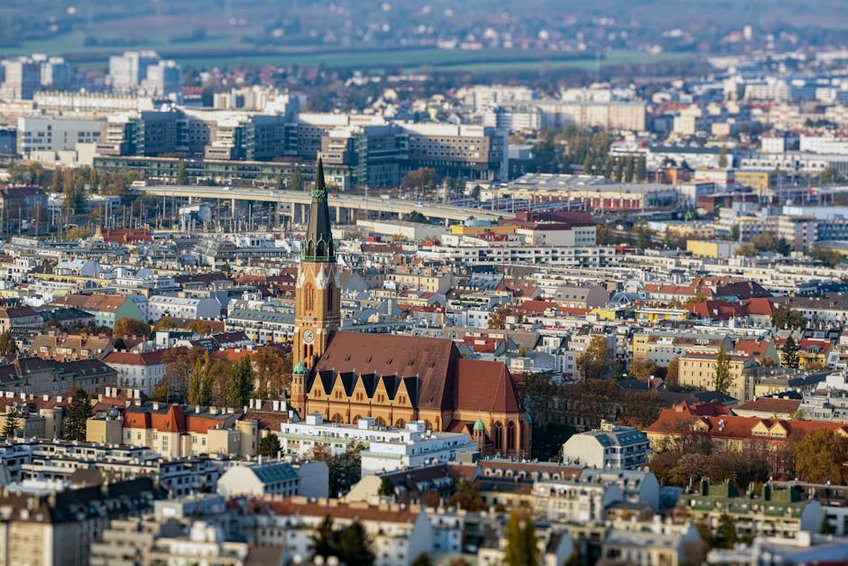
Alt: “vienna-austria-hofburg-palace-imperial-architecture-sunny-day”
Vienna Travel Guide – Planning Your Trip
Successful planning for the Austrian capital balances iconic sightseeing with local immersion. Your Vienna vacation should account for the city’s seasonal rhythms, from the glittering Christmas markets in December to the open-air film and music festivals in summer. Advance reservations are crucial for popular attractions like the Spanish Riding School and top opera performances.
Budget considerations vary widely; you can enjoy free park concerts and affordable street food or splurge on a five-course dinner and a private guided tour of the Imperial Apartments. This Vienna travel guide recommends purchasing a Vienna City Card for unlimited public transport and discounts, which offers significant savings for busy itineraries.
Best Time to Visit Vienna
Peak season runs from April through October, with the warmest weather (68-80°F / 20-27°C) and longest days. This is ideal for cafe terraces and palace gardens but brings larger crowds and higher prices. Book accommodations at least three months in advance for summer visits. The festive December period is another crowded but magical peak.
Shoulder seasons—March to early April and November—offer cooler temperatures (45-60°F / 7-16°C) and fewer tourists. Late fall is perfect for museum-hopping and enjoying cozy coffeehouses. Winter (January-February) is cold (30-40°F / -1 to 4°C) but uncrowded, with potential for charming snowfall and lower hotel rates, excluding the Christmas market weeks.
Budget Planning and Costs
A daily budget can be tailored to different comfort levels.
Essential Preparation Checklist
Pack comfortable walking shoes for cobblestone streets, a smart-casual outfit for concerts or fine dining, and layers for variable weather. A reusable water bottle is handy, as Vienna’s tap water is excellent. Essential tech includes a universal power adapter (Type F, 230V) and offline maps downloaded to your phone.
U.S. and EU passport holders do not need a visa for stays under 90 days. Purchase comprehensive travel insurance that covers medical care and trip interruptions. Book major attractions and popular restaurants online several weeks ahead, especially for travel in high season.
Top Attractions and Cultural Activities
The city’s imperial legacy offers an overwhelming array of palaces, museums, and concert halls. A strategic approach is key to avoiding burnout. Focus on one major palace per day, complement it with a museum or garden stroll, and always leave time for a leisurely coffee break. Many attractions are clustered along the Ringstrasse or within the First District.
Beyond the highlights, consider dedicating time to a specific interest, whether it’s Art Nouveau, Viennese wine, or the works of Klimt. The city’s excellent public transport makes it easy to hop between districts, allowing you to contrast the grand center with more residential, local neighborhoods.
Must-See Highlights
Schönbrunn Palace is the essential imperial experience. Tour the opulent state rooms, get lost in the hedge maze, and climb to the Gloriette for panoramic views. Allocate at least half a day here. Tickets start at $20 for an Imperial Tour. Pre-book online to skip long lines.
The Kunsthistorisches Museum rivals the Louvre, housing works by Bruegel, Vermeer, and an entire gallery dedicated to the Habsburg art collection. Across the Ring, the Hofburg Palace complex contains the Sisi Museum, Imperial Apartments, and Silver Collection, offering a deep dive into royal life. A combined ticket costs around $35.
St. Stephen’s Cathedral, with its iconic colorful tiled roof, dominates the city center. Pay a small fee to climb the South Tower for breathtaking views over the old city. For a different perspective, ride the giant Ferris wheel in the Prater amusement park, a symbol of Vienna featured in classic films.
Hidden Gems and Local Favorites
Escape the crowds at the Hundertwasserhaus, a fantastically colorful and uneven apartment block designed by artist Friedensreich Hundertwasser. Nearby, the Kunst Haus Wien museum showcases more of his work. For a serene green space, visit the Stadtpark or the larger Volksgarten, famous for its rose gardens.
Experience authentic Heuriger culture in the outer districts like Grinzing. These family-run wine taverns serve young wine and cold buffets in rustic gardens. Take tram line 38 to Grinzing and wander from one inviting tavern to the next. It’s a cherished local tradition far from the tourist center.
Classical Music and Performance
Attending a performance is a core Viennese experience. The Vienna State Opera offers daily tours and world-class productions. For budget-conscious visitors, standing-room tickets (Stehplätze) are available for just $5-15 on the day of the performance, requiring early queuing.
Alternatively, enjoy a Mozart or Strauss concert in a historic setting like the Musikverein or the Konzerthaus. While tourist-oriented, these concerts provide an accessible and high-quality introduction to Viennese classics. Book online in advance for the best seat selection.
Practical Travel Information
Getting around Vienna is straightforward thanks to one of the world’s best public transport systems. The network includes U-Bahn (subway), trams, and buses, all integrated under the same ticket system. A single trip costs $2.80, but visitors should purchase a 24, 48, or 72-hour travel pass or the discount-inclusive Vienna City Card.
Accommodation ranges from grand historic hotels to modern design hostels. Staying within the Ringstrasse (District 1) puts you steps from major sights but at a premium price. Districts just outside the Ring, like Mariahilf (6) or Landstrasse (3), offer better value and excellent transit links to the center.
| Category | Options/Features | Price Range (USD) |
|---|---|---|
| Budget Hostel | Dorm bed, shared kitchen, social atmosphere, central location | $25-45 per night |
| Mid-Range Hotel | Private room with ensuite, breakfast included, near public transport | $100-180 per night |
| Boutique Hotel | Design-focused, unique decor, prime central district location | $200-350 per night |
| Luxury Palace Hotel | Historic 5-star, spa, fine dining, concierge service | $400+ per night |