Barcelona Travel Guide: Exploring Architecture, Beaches, and Catalan Culture
Barcelona captivates visitors with its unique blend of Gaudí’s modernist architecture, vibrant Mediterranean beaches, and deep-rooted Catalan traditions. This Barcelona travel guide provides the essential insights for navigating its distinct neighborhoods, savoring authentic tapas, and securing tickets to iconic sites like the Sagrada Família. You will find practical advice on transportation, seasonal timing, and cultural etiquette to fully experience this dynamic Spanish city.
Essential Barcelona Information
Barcelona is the capital of Catalonia, an autonomous region in northeastern Spain with its own language and cultural identity. The city sits on the coast of the Mediterranean Sea, offering a mild climate year-round that complements its outdoor lifestyle. Its history spans from Roman foundations to a 1992 Olympic Games transformation into a global destination.
The local language is Catalan, though Spanish is universally spoken and English is common in tourist areas. Understanding basic Catalan phrases like “bon dia” (good day) shows cultural respect. The city operates on Central European Time and uses the Euro (€) as its currency, with credit cards accepted almost everywhere.
Neighborhoods and Districts – What You Need to Know
Each district in Barcelona offers a different vibe and experience, shaping your visit significantly.
- Eixample: Famous for its grid layout and containing the Sagrada Família and Passeig de Gràcia with Casa Batlló. This area is ideal for architecture enthusiasts and offers upscale shopping.
- Gothic Quarter (Barri Gòtic): The historic heart with narrow medieval streets, the Barcelona Cathedral, and Roman ruins. It is perfect for history lovers but can be very crowded during peak hours.
- Gràcia: A former independent town, now a bohemian neighborhood with charming plazas, independent boutiques, and a strong local feel. It is less touristy and great for evening dining.
- Budget Traveler ($70-100/day): Stay in hostels or budget guesthouses ($30-50/night), use metro passes, eat menú del día lunches ($12-15), and visit free attractions like Gothic Quarter streets and Barceloneta Beach. Focus on picnics from markets like La Boqueria.
- Mid-Range Traveler ($150-250/day): Book a boutique hotel in Gràcia or Eixample ($100-150/night), dine at mid-range tapas bars, take guided tours for key sites, and use taxis occasionally. This allows for paid entry to 2-3 major attractions daily.
- Luxury Traveler ($350+/day): Enjoy 4 or 5-star hotels with rooftop pools ($250+/night), chef-led food tours, private architectural guides, and premium seating at flamenco shows. This includes fine dining at Michelin-starred restaurants and private transport options.
- Official Barcelona Tourism Website
- Lonely Planet Barcelona Guide
- Barcelona Public Transport (TMB)
Key Details on Climate and Weather
Barcelona enjoys a Mediterranean climate characterized by hot, dry summers and mild, somewhat wetter winters. Summer temperatures from June to August typically range from 75°F to 85°F (24°C to 29°C), with high humidity and intense sun. This is peak beach season but also the most crowded period, requiring advance bookings for everything.
Spring (April-May) and autumn (September-October) offer the most pleasant conditions, with temperatures between 60°F and 75°F (15°C and 24°C). These shoulder seasons provide a balance of good weather and fewer tourists. Winter sees temperatures from 45°F to 60°F (7°C to 15°C), with occasional rain but very few crowds, making it ideal for museum visits.
Local Transportation – The Metro and Beyond
Barcelona’s public transport network is efficient and comprehensive. The metro system has eight lines that connect all major tourist areas, running from 5 AM until midnight on weekdays, with extended hours on weekends. A single metro ticket costs €2.40, but travelers should purchase a T-Casual card for ten rides at €11.35, offering significant savings.
For extensive sightseeing, the Hola Barcelona Travel Card provides unlimited travel on metro, buses, and trams for 48 hours (€17.50), 72 hours (€25.50), or 96 hours (€33.50). Buses are useful for reaching Park Güell or Montjuïc, while walking is the best way to explore the Gothic Quarter and waterfront areas.
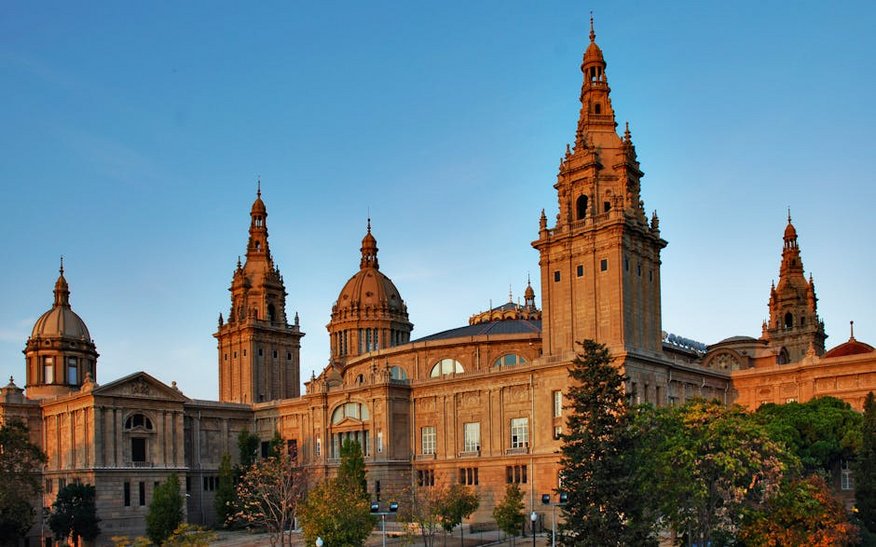
Alt: “barcelona-sagrada-familia-gaudi-architecture-sunset-silhouette”
Barcelona Travel Guide – Planning Your Trip
Effective planning transforms a visit to the Catalan capital. A successful Barcelona travel guide must account for advance ticket purchases, neighborhood selection, and a balanced itinerary mixing iconic sites with local discoveries. You should book major attractions like the Sagrada Família at least two weeks ahead, especially for summer visits.
Allocate your time between architectural wonders, museum explorations, beach relaxation, and culinary adventures. Stay centrally in Eixample or Gràcia to minimize transit time. Purchase a city pass if you plan to visit multiple paid attractions, as it can streamline entry and provide cost savings on transportation.
Best Time to Visit Barcelona
The optimal months for a Barcelona visit are late April through early June and September through October. You will encounter pleasant weather with averages of 65-75°F (18-24°C), manageable tourist crowds, and lower accommodation prices compared to peak summer. These periods are perfect for walking tours and outdoor dining without extreme heat.
July and August see soaring temperatures exceeding 85°F (29°C) and dense crowds, though the beach scene is vibrant. November to March is the low season, with cooler weather around 55°F (13°C) and occasional rain, but you will find the shortest lines at museums and better hotel rates. Avoid major local holidays like La Mercè in September, when the city is packed.
Budget Planning and Costs
A daily budget in Barcelona varies dramatically based on your travel style and accommodation choices.
Essential Preparation Checklist
Secure your travel documents and key reservations well in advance. Ensure your passport is valid for at least three months beyond your departure date from the Schengen Area. U.S. and EU citizens do not need a visa for stays under 90 days. Purchase comprehensive travel insurance that covers medical emergencies and trip cancellations.
Book flights and accommodations three to six months ahead for summer travel. Pre-purchase timed-entry tickets online for the Sagrada Família, Park Güell, and Casa Batlló. Pack comfortable walking shoes, a sun hat, a reusable water bottle, and a power adapter for European Type C/F outlets (220V). Download offline maps and the local TMB app for public transport.
Top Attractions and Catalan Experiences
The city’s landmarks tell a story of artistic genius and historical layers. Antoni Gaudí’s surreal creations define the city’s skyline, from the ongoing masterpiece of the Sagrada Família to the whimsical Park Güell. Beyond modernism, the medieval maze of the Gothic Quarter and the panoramic views from Montjuïc hill provide contrasting perspectives.
Barcelona’s coastal location gifts it with several urban beaches, most famously Barceloneta, which buzzes with activity from morning until late evening. The cultural scene is equally rich, with world-class art museums dedicated to Picasso and Miró, and the atmospheric performances of traditional Catalan sardana dances.
Must-See Architectural Highlights
The Basílica de la Sagrada Família is Gaudí’s unfinished masterpiece, a UNESCO site combining Gothic and Art Nouveau forms. Book a ticket with tower access for panoramic city views. Visit early (before 9 AM) to avoid the largest crowds and experience the stained-glass light show inside.
Park Güell is a colorful public park with mosaic-covered structures and city overlooks. The Monumental Zone requires a timed ticket (€10 online). Casa Batlló and La Pedrera (Casa Milà) on Passeig de Gràcia showcase Gaudí’s residential work, with night tours offering a unique illuminated experience. General admission starts at €35.
Hidden Gems and Local Favorites
Escape the crowds at the Bunkers del Carmel, a former anti-aircraft battery offering 360-degree free views of the city. It is a popular sunset spot with locals. For a unique market experience, visit Mercat de Sant Antoni, a restored iron-and-brick market less touristy than La Boqueria.
Explore the El Raval neighborhood’s contemporary art scene at the MACBA museum and its vibrant street art. Discover the tranquil courtyards and artisan shops in the El Born district, hidden behind the popular Santa Maria del Mar church. These spots provide authentic interactions away from main tourist circuits.
Beaches and Outdoor Activities
Barcelona’s coastline stretches for 4.5 km, featuring several distinct beaches. Barceloneta Beach is the most famous and busiest, lined with chiringuitos (beach bars). For a quieter atmosphere, head north to Bogatell Beach or Mar Bella Beach, the latter being popular with the LGBTQ+ community and featuring a designated nudist area.
For green space, visit the Ciutadella Park, a large central park with a boating lake, the Catalan Parliament, and the Barcelona Zoo. You can rent a bicycle or join a segway tour to cover more ground along the waterfront promenade or through the park’s shaded paths.
Practical Travel Information and Logistics
Navigating the city is straightforward with its integrated transport system. Barcelona-El Prat Airport (BCN) is the main international gateway, located 12 km southwest of the city center. The Aerobús shuttle connects Terminal 1 and 2 to Plaça de Catalunya in 35 minutes for €6.75. Alternatively, the R2 Nord train line is cheaper but slightly slower.
For accommodations, balance location, budget, and amenities. Central districts offer convenience but higher prices and noise. Staying just outside the core, in areas like Poble Sec or Sants, can provide better value and a more residential feel, with excellent metro access to all major sites.
| Accommodation Type | Best For & Features | Average Nightly Price (USD) |
|---|---|---|
| Hostel / Budget Hotel | Solo travelers & backpackers; dorm rooms, social atmosphere, basic amenities | $30 – $70 |
| Mid-Range Boutique Hotel | Couples & small groups; design-focused, prime location (Eixample/Gràcia), breakfast included | $100 – $200 |
| Apartment Rental | Families & longer stays; kitchenette, multiple bedrooms, local neighborhood feel | $120 – $250 |
| Luxury Hotel | Splurge & special occasions; rooftop pools, spa services, fine dining, panoramic views | $250 – $500+ |