Rome Travel Guide for Unforgettable Exploration
Navigating the Eternal City can feel overwhelming with its dense layers of history and bustling neighborhoods. This Rome travel guide provides the essential structure and insider knowledge you need to move from iconic monuments to hidden trattorias with confidence. You will discover a balanced itinerary blending must-see sights with authentic local experiences across Rome’s diverse districts.
Understanding the Eternal City
Rome’s foundation myth, involving Romulus and Remus, dates to 753 BC. The city evolved from a small settlement into the capital of the Roman Republic and then the vast Roman Empire. Its history is literally layered beneath your feet, with medieval churches built atop ancient temples.
Modern Rome functions as both Italy’s capital and the center of the Catholic world. The city is administratively divided into 15 *municipi*, but visitors primarily explore the historic center within the Aurelian Walls. Key areas include the ancient Roman Forum, the Vatican City, and the Renaissance-era Trastevere.
City Layout and Key Districts
Knowing Rome’s neighborhoods helps you plan efficient days. Each area has a distinct character and primary attractions.
- Historic Center (Centro Storico): Home to the Pantheon, Piazza Navona, and Trevi Fountain. It’s the most compact and walkable zone for first-time visitors, packed with Baroque art and bustling piazzas.
- Vatican City (Città del Vaticano): An independent city-state housing St. Peter’s Basilica and the Vatican Museums. Allocate at least half a day here, preferably with a skip-the-line tour booked weeks in advance.
- Trastevere: Located across the Tiber River, this medieval maze of cobblestone lanes is famous for its vibrant evening atmosphere, artisan shops, and some of Rome’s best traditional restaurants.
- Budget Traveler ($80-120/day): Stay in a hostel or budget hotel outside the center, use public transport, enjoy pizza al taglio and free sights. Prioritize one major paid attraction per day and book online to avoid fees.
- Mid-Range Traveler ($150-250/day): Stay in a 3-star hotel in Trastevere or near Termini, enjoy sit-down meals, take a guided Vatican tour, and use taxis occasionally. This range allows for comfort without extravagance.
- Luxury Traveler ($350+/day): Book a 5-star hotel near the Spanish Steps, dine at Michelin-starred restaurants, hire private drivers for day trips to Tivoli, and enjoy exclusive after-hours access tours of museums.
- Roma Turismo Official Tourism Website
- CoopCulture Official Ticket Site for Colosseum & Roman Forum
Climate and Weather Patterns
Rome enjoys a Mediterranean climate with distinct seasons influencing your visit. Summers are hot and dry, with July and August temperatures often exceeding 86°F (30°C). This period sees peak crowds, especially at major outdoor sites like the Colosseum.
Spring (April to June) and autumn (September to October) offer ideal conditions. Temperatures range comfortably from 60°F to 75°F (15°C to 24°C) with lower humidity. Winter is mild but rainy, with January averages around 48°F (9°C), offering the fewest tourists.
Language and Local Customs
While English is widely spoken in tourist areas, learning a few Italian phrases is appreciated. A simple “*buongiorno*” (good day) or “*grazie*” (thank you) goes a long way. Italians typically greet friends with a kiss on both cheeks.
Observe local dining etiquette: cappuccino is a morning drink, pasta is a first course (*primo*), and dinner often starts after 8:00 PM. Dress modestly when visiting churches, covering shoulders and knees.
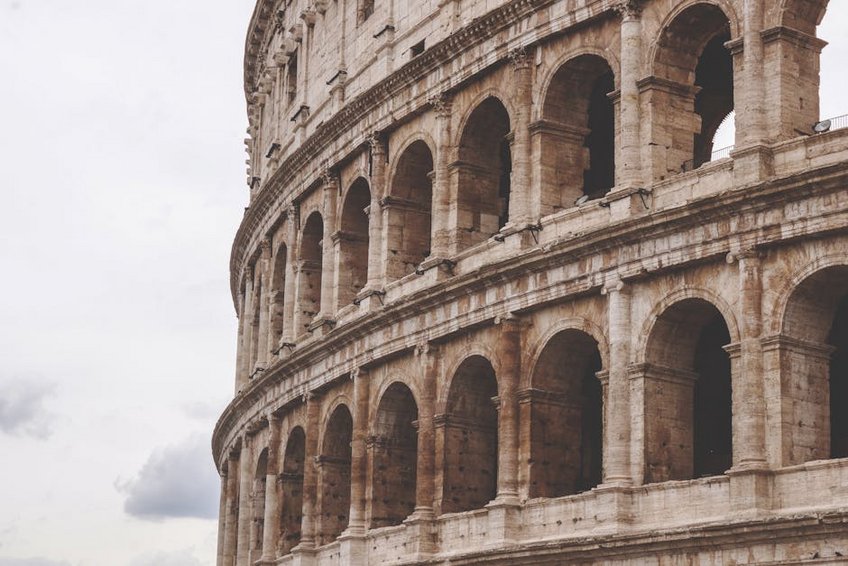
Alt: “rome-colosseum-ancient-ruins-sunset-italy”
Rome Travel Guide – Planning Your Trip
Careful planning maximizes your time and minimizes stress in this bustling capital. Prioritize booking time-sensitive entries like the Colosseum and Vatican weeks, if not months, ahead. This strategy prevents long queues and guarantees access to top attractions during your preferred time slots.
Budget for a mix of ticketed sites and free wonders. While the Colosseum and Borghese Gallery require paid tickets, exploring the Pantheon, Spanish Steps, and countless piazzas costs nothing. Factor in a city tax, payable at your hotel, of roughly 3-6 Euros per person per night.
Best Time to Visit Rome
The absolute best months for a visit are April, May, September, and October. You’ll enjoy pleasant weather between 65°F and 75°F (18°C-24°C) and manageable crowds. Major holidays like Easter and Christmas bring significant crowds and higher prices, so plan accordingly if visiting then.
July and August can be punishingly hot, with temperatures soaring above 95°F (35°C). Many Romans leave the city in August, so some smaller family-run shops may close. Winter offers budget savings and sparse crowds but pack an umbrella and warm layers for damp, chilly days.
Budget Planning and Costs
Daily costs vary dramatically based on your travel style. Rome can accommodate backpackers and luxury seekers alike.
Essential Preparation Checklist
Prepare comfortable walking shoes with good support for cobblestones. Pack a power adapter for Italy’s Type L outlets (230V) and a portable power bank for your phone. Bring a refillable water bottle to use at the city’s many free public *nasoni* drinking fountains.
Ensure your passport is valid for at least three months beyond your departure date. EU and US citizens do not need a visa for tourist stays under 90 days. Purchase comprehensive travel insurance that covers medical emergencies and trip interruptions. Download offline maps and the official Roma Pass app for transit planning.
Top Attractions and Unmissable Experiences
The city’s iconic landmarks tell the story of Western civilization. From imperial power to Renaissance genius, each site offers a unique window into the past. Balancing these with local neighborhood life creates a richer, more memorable visit.
Remember that many major sites are closed on specific days. The Vatican Museums are closed on Sundays (except the last Sunday of the month). The Borghese Gallery requires pre-booked, timed entry and is closed on Mondays. Always verify opening hours before you go.
Must-See Ancient & Historic Sites
The Colosseum, Roman Forum, and Palatine Hill share a combined ticket. Enter the Forum first to beat the Colosseum crowds. A guided tour provides essential context to appreciate the sprawling ruins. The standard ticket is valid for 24 hours across the two sites.
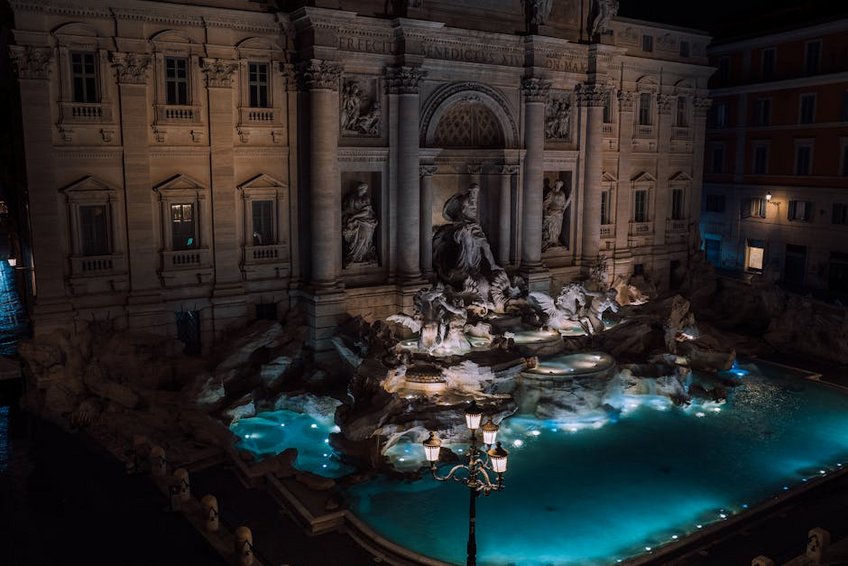
The Pantheon, a marvel of Roman engineering with its unreinforced concrete dome, is free to enter. Visit in the morning when light streams through the oculus. Nearby, the Trevi Fountain is most magical at dawn or late evening, avoiding the midday masses.
Art and Architecture Masterpieces
The Vatican Museums house one of the world’s greatest art collections, culminating in the Sistine Chapel. Book a “Prime Entry” or guided tour to enter before the general public. St. Peter’s Basilica is free, but climbing to the dome cupola costs about 8 Euros.
The Galleria Borghese, set in a beautiful villa, requires reservations for its two-hour timed slots. It showcases Bernini’s breathtaking sculptures like “Apollo and Daphne.” The Spanish Steps and Piazza di Spagna offer excellent people-watching and high-end shopping along Via dei Condotti.
Neighborhood Wanderings and Hidden Gems
Cross the Tiber to explore Trastevere’s tangled streets. Visit the Basilica di Santa Maria for its stunning gold mosaics. The area comes alive at night with bustling restaurants; seek out those filled with locals, not just tourists.
The Aventine Hill offers peace and spectacular views. Find the famous keyhole at the Priory of the Knights of Malta for a perfectly framed view of St. Peter’s dome. The Protestant Cemetery in Testaccio is a serene oasis, final resting place of poets Keats and Shelley.
Practical Travel Information and Logistics
Navigating Rome is straightforward with a basic understanding of its systems. The city has two main metro lines (A and B) that intersect at Termini Station, useful for reaching the Vatican or Colosseum directly. Buses and trams cover areas the metro doesn’t reach.
Taxis are white with a “TAXI” sign on the roof. Only use official metered cabs or book through apps like FREE NOW. Avoid unlicensed drivers soliciting rides at the airport or train stations, as they charge exorbitant rates.
| Accommodation Type | Best Areas & Features | Average Price Range (USD) |
|---|---|---|
| Budget Hotel/Hostel | Near Termini Station; basic amenities, shared bathrooms, social atmosphere. | $70-120/night |
| Mid-Range Boutique Hotel | Trastevere or Monti; private bath, breakfast included, characterful design. | $180-300/night |
| Luxury Hotel | Near Spanish Steps or Piazza Navona; 5-star service, spa, rooftop bars, prime location. | $400-800+/night |
| Vacation Rental (Apartment) | Prati or Trastevere; kitchenette, more space, local living experience. | $150-350/night |