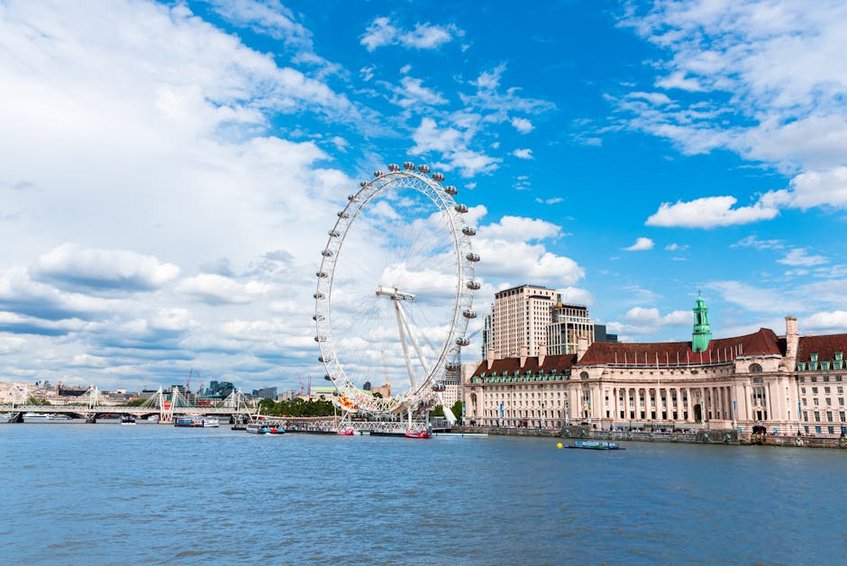
London Travel Guide: Discover the City’s Iconic Sights and Hidden Corners
This London Travel Guide provides the strategic insights you need to navigate one of the world’s most dynamic capitals efficiently. You will uncover a seamless blend of royal history, cutting-edge culture, and vibrant neighborhoods, all accessible via an extensive transit network. We cover essential planning, from securing theatre tickets to navigating the Tube, ensuring your visit is both enriching and practical.
Essential London Information
London is the capital of England and the United Kingdom, spanning the River Thames in southeastern England. Its history stretches back to Roman times as Londinium, evolving through medieval, Tudor, and Victorian eras into the global metropolis you see today. The city operates on Greenwich Mean Time (GMT) and British Summer Time (BST), uses the British Pound (£), and English is the primary language.
The city is divided into 32 boroughs plus the historic City of London, each with its own character. Central zones for visitors typically include Westminster, Kensington, Camden, and Southwark. Public transport is the most efficient way to travel, managed by Transport for London (TfL).
Key Details for Your Visit
Before you go, a few fundamental facts will help you plan.
- Currency is the British Pound Sterling (£); cards are widely accepted, but carry some cash for markets and smaller cafes. ATMs are plentiful.
- The electrical standard is 230V with Type G plugs; travelers from North America and Europe will need a power adapter for their devices.
- Tipping is customary but not aggressive; leave 10-12% for good restaurant service, and round up for taxi fares. Tipping is not expected in pubs.
- Budget: $80-$120 per day. Stay in hostels or budget hotels in Zones 2-3, use Oyster card caps, eat supermarket meals or pub lunches, and focus on free attractions like museums and parks.
- Mid-Range: $200-$350 per day. This covers a 3-4 star central hotel, daily Tube travel, main attraction tickets, and meals at casual restaurants or gastropubs. It offers the best balance of comfort and experience.
- Luxury: $500+ per day. Enjoy 5-star hotels in Mayfair, fine dining, private guided tours, and premium theatre seats. This tier offers convenience and exclusive access without budget constraints.
- Official Visit London Tourism Board
- English Heritage – Historical Site Information
- Transport for London (TfL) Official Site
Understanding London’s Layout
London is massive, so focusing your time by geographic area saves hours. Central London houses most iconic landmarks like the Houses of Parliament and Buckingham Palace. North London offers vibrant street life in Camden and leafy Hampstead Heath, while the East End buzzes with Shoreditch’s street art and Brick Lane’s curry houses.
South of the river, you find cultural powerhouses like the Tate Modern and The Shard alongside historic Borough Market. West London presents upscale shopping in Knightsbridge and museums in South Kensington. Grouping activities by region minimizes unnecessary Tube journeys.
Visa and Entry Requirements
Entry rules depend on your passport nationality. Citizens of the US, Canada, Australia, and the EU do not need a visa for tourist stays under six months. Your passport must be valid for the duration of your stay. Always check the latest UK government advice before booking your trip, as policies can change.
Alt: “london-skyline-river-thames-big-ben-tower-bridge”
London Travel Guide – Planning Your Trip
Strategic planning transforms a good London visit into a great one. This capital demands more than a wish list; it requires a tactical approach to tickets, transit, and timing. Your London Travel Guide success hinges on booking key attractions in advance and mastering the Oyster card system for getting around.
Budget realistically, as the city is among the world’s most expensive for accommodation and dining. Allocate funds for major attractions, which often cost between $25-$40 per person. Prioritize a few paid highlights and balance them with London’s many excellent free museums and parks.
Best Time to Visit London
Peak season runs from June through August, offering the warmest weather (average 68-72°F / 20-22°C) and longest days. However, this brings maximum crowds and premium prices. Major attractions have long queues, and hotels require booking three to four months in advance for the best rates and locations.
Shoulder seasons (April-May and September-October) are ideal. You’ll enjoy milder temperatures (55-65°F / 13-18°C), fewer tourists, and more manageable costs. Winter (November-February) is cold (40-48°F / 4-9°C) and dark by late afternoon, but it features festive Christmas markets and lower hotel rates, except around the holidays.
Budget Planning and Costs
A realistic daily budget varies dramatically by travel style.
Essential Preparation Checklist
Packing smart is crucial for London’s unpredictable weather. Bring comfortable walking shoes, a compact umbrella, and a versatile layering system including a waterproof jacket. A power adapter and a portable charger for your phone are non-negotiable for navigation and photos.
Book top-tier attractions like the London Eye, Tower of London, and popular theatre shows weeks, if not months, ahead. Secure an Oyster card or set up a contactless payment card for transit upon arrival. Ensure you have adequate travel health insurance that covers the UK.
Top London Attractions and Activities
London’s iconic landmarks define its skyline and history. From the Crown Jewels at the Tower to the views from the London Eye, these sites are must-sees for first-time visitors. Efficient visiting involves timed-entry tickets and early morning starts to beat the tour groups that descend by mid-day.
Beyond the postcard sights, the city’s energy flows through its markets, green spaces, and neighborhood walks. Allocate time to simply wander through Covent Garden’s performers, along the South Bank, or through the peaceful Kyoto Garden in Holland Park. This balance creates a richer experience.
Must-See Historical Landmarks
The Tower of London is a fortress, palace, and prison holding the Crown Jewels. Book the first entry slot and join a Yeoman Warder tour. Buckingham Palace’s Changing of the Guard occurs on select days; check the schedule and arrive an hour early for a good view.
Westminster Abbey, a Gothic masterpiece, is the site of coronations and royal burials. Purchase tickets online to skip the longest queues. The Houses of Parliament and Big Ben are best admired from Westminster Bridge or from the opposite bank near the London Eye.
World-Class Museums and Galleries
London’s major national museums offer free general admission, a huge benefit. The British Museum in Bloomsbury houses the Rosetta Stone and Egyptian mummies. The Natural History Museum in South Kensington wows with its dinosaur skeleton and earthquake simulator.
For art, the National Gallery in Trafalgar Square displays European masters like Van Gogh and da Vinci. The Tate Modern, in a former power station on the South Bank, focuses on contemporary and modern art. Donation of £5 is suggested but optional at free institutions.
Neighborhood Exploration and Markets
Each London district tells a different story. Explore Notting Hill for pastel-colored homes and the Portobello Road Market (best on Saturdays). Camden Town offers a punk-rock vibe, alternative fashion, and a sprawling market by the canal, ideal for people-watching.
For food, Borough Market is a gourmet paradise under railway arches near London Bridge. Sample artisan cheeses, fresh oysters, and gourmet sandwiches. Columbia Road Flower Market transforms a East End street into a fragrant garden every Sunday morning.
Practical London Travel Information
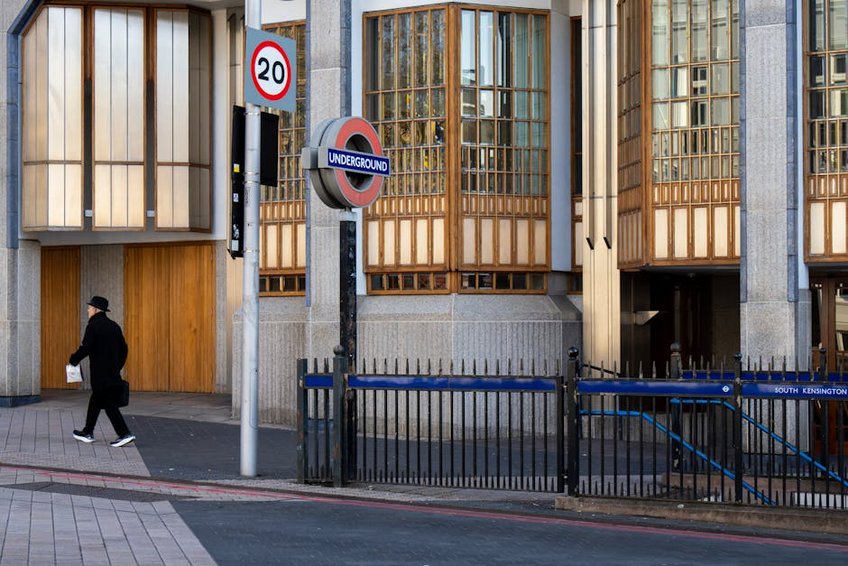
Navigating London is straightforward with its integrated system. The London Underground (Tube) is the fastest way to cover long distances, while buses offer scenic above-ground routes. Walking is often the best method in central Zone 1, where many sights are closer than Tube maps suggest.
Accommodation choices range from hostels to luxury palaces. Location significantly impacts your experience; staying within Zones 1-2 maximizes your time, even if the nightly rate is higher. Consider proximity to a Tube station as a critical factor in your hotel selection.
| Accommodation Type | Best For & Key Features | Average Nightly Rate (USD) |
|---|---|---|
| Hostel / Budget Hotel | Solo travelers & tight budgets; shared facilities, basic rooms, social atmosphere. | $80 – $150 |
| Mid-Range Hotel | Couples & families; private en-suite, good locations in Zones 1-2, often includes breakfast. | $200 – $350 |
| Serviced Apartment | Longer stays & groups; kitchenette, more space, laundry facilities, residential feel. | $250 – $450 |
| Luxury Hotel | Splurge & special occasions; prime locations (Mayfair, Knightsbridge), concierge, premium amenities. | $400 – $800+ |