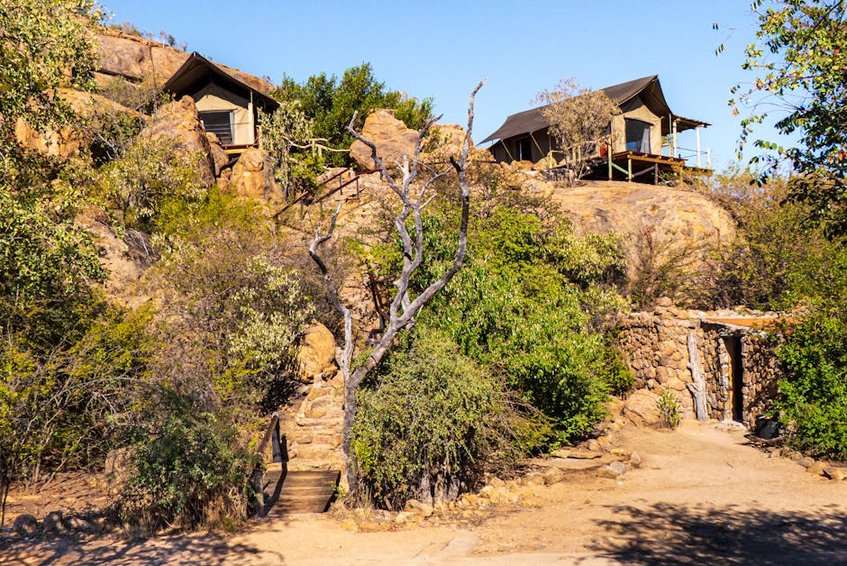
Nature Lodges and Eco-Stays in Turkey: Immersive Escapes
Turkey’s diverse landscape provides a spectacular backdrop for sustainable travel through its network of nature lodges and eco-stays. These accommodations offer a unique way to connect with the country’s natural beauty, from the pine-clad mountains of the Kaçkar range to the serene valleys of Cappadocia. This guide explores the best eco-friendly retreats, providing practical advice for planning your visit to these sustainable sanctuaries.
Understanding Turkey’s Eco-Tourism Scene
Turkey’s commitment to sustainable tourism has grown significantly, blending ancient traditions of living in harmony with the land. The concept of “doğa dostu” (nature-friendly) travel is now central to many rural tourism initiatives across the country. These efforts help preserve fragile ecosystems while supporting local communities financially.
Various regions have developed distinct eco-tourism identities based on their unique environments. The Black Sea coast focuses on lush mountain retreats and tea plantation stays. Central Anatolia highlights cave dwellings and steppe landscapes. The Aegean and Mediterranean coasts combine sea access with forest hideaways.
What Defines an Eco-Stay in Turkey
Genuine eco-accommodations in Turkey share several key sustainable features.
- Properties utilize renewable energy sources, primarily solar power, and employ advanced water conservation systems like greywater recycling, which is crucial in Anatolia’s drier regions.
- They source over seventy percent of their food from local organic farms and village markets, reducing food miles and showcasing regional cuisine like Aegean herbs and Black Sea cornbread.
- Construction uses traditional, locally-sourced materials such as stone, wood, and clay, often built by regional craftsmen using centuries-old techniques that naturally regulate temperature.
- Budget travelers can find village guesthouses for $30-$60 per night, using local buses ($2-$5 per ride) and self-catering. Focus on free activities like hiking village trails. Total daily cost: $50-$80 per person.
- Mid-range visitors typically spend $100-$180 nightly for full-board at established eco-lodges. Include rental car expenses ($40-$60 daily) for flexibility. Guided day hikes cost $25-$50. Total daily cost: $150-$250 per person.
- Luxury experiences at high-end retreats run $250-$400+ per night with all meals and premium guided activities like private photography tours or foraging workshops. Transfers via private driver add $100-$150 daily. Total daily cost: $400-$600+ per person.
- Turkish Ministry of Culture and Tourism
- Lonely Planet Turkey Travel Guide
Key Regions for Sustainable Stays
The Black Sea region, particularly around Rize and Artvin, offers lodges nestled within tea gardens and misty forests. Accommodations here often feature wooden chalet designs and organize guided treks along the ancient Pontic trails. Winter brings cozy evenings by wood-burning stoves.
Cappadocia provides a completely different experience with its cave hotels and eco-retreats carved into fairy chimneys. These stays maintain a constant cool temperature in summer and warmth in winter naturally. Many participate in vineyard preservation and traditional pottery workshops.
The Aegean coast, especially near Kaz Dağları (Mount Ida), focuses on olive grove retreats and permaculture farms. Guests can join harvesting activities and learn about biodiversity conservation in this biologically rich mountain range.
Cultural Integration and Community Impact
Successful eco-lodges actively integrate with nearby villages, creating a reciprocal relationship. They often employ staff from local communities, providing stable income beyond seasonal agriculture. This model helps preserve rural populations and traditional knowledge.
Many properties organize cultural exchanges, inviting guests to participate in village life. Activities might include learning to make gözleme (Turkish flatbread) with local women, joining a köy kahvaltısı (village breakfast), or listening to stories from elders. These interactions ensure tourism benefits flow directly to residents.
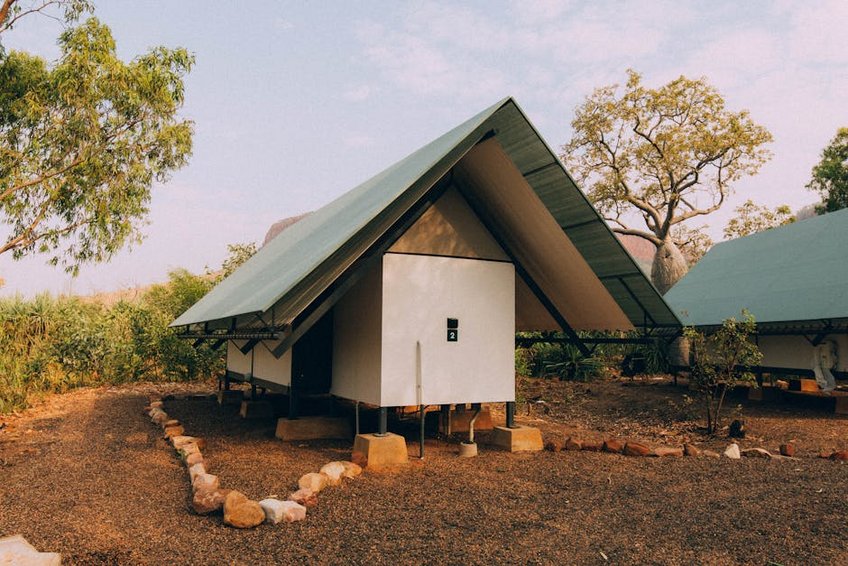
Alt: “traditional-wooden-lodge-kackar-mountains-turkey-eco-retreat”
Nature Lodges and Eco-Stays in Turkey – Planning Your Trip
Effective planning transforms a good eco-stay into an exceptional experience. Research each property’s sustainability certifications, as genuine eco-lodges often display memberships with organizations like ÇEVKO or local eco-tourism associations. Direct booking through their websites typically ensures better rates and confirms your stay supports them directly.
Consider your travel priorities when selecting a region. For mountain hiking and cool summer climates, target the Kaçkar Mountains or Bolu. For historical landscapes combined with unique geology, choose Cappadocia. Coastal forest escapes with swimming access are best found around the Datça Peninsula or near Olympos.
Budget approximately $80-$150 per night for most mid-range eco-stays, including breakfast. Luxury properties with full-board meal plans and guided activities range from $200-$400 nightly. Authentic village guesthouses (pansiyons) offer simpler accommodations for $30-$60 per night.
Best Time to Visit Turkish Eco-Lodges
Visit between late April and early June for optimal conditions across most regions. Temperatures range from a pleasant 60-75°F (15-24°C) with minimal rainfall. Wildflowers bloom spectacularly in mountain meadows during May. Crowds remain smaller than in peak summer.
September through October offers another excellent window with warm days and cool nights, perfect for hiking. The autumn foliage in the Black Sea region is particularly stunning. Winter (December-February) suits those seeking solitude by the fireplace, with mountain lodges offering access to snowshoeing.
Budget Planning and Costs
Your budget should account for accommodation, meals, transportation, and activities.
Essential Preparation Checklist
Pack versatile, layered clothing suitable for variable mountain and coastal climates. Include sturdy hiking shoes with good traction, a reusable water bottle with filter, and a power bank for charging devices. Many remote lodges have limited electricity hours. A Turkish phrasebook or translation app enhances interactions in rural areas.
Secure comprehensive travel insurance covering outdoor activities and remote area medical evacuation. Check visa requirements, as many nationalities can obtain an e-Visa online for $50-$70. Inform your bank of travel plans to prevent card blocks when booking in remote locations. Download offline maps for your target region.
Top Regions and Their Signature Stays
The Black Sea region’s lodges emphasize wooden architecture and connection to the verdant landscape. Many operate as family-run tea plantation guesthouses where you can participate in the harvest. The air carries the scent of damp earth and alpine flowers, creating a deeply refreshing atmosphere.
Cappadocia’s cave eco-hotels showcase ancient architectural wisdom. These spaces maintain perfect temperatures year-round without air conditioning or heating. Waking up to panoramic views of the fairy chimney valleys from your cave window is an unforgettable experience that connects you to millennia of history.
The Aegean coast’s eco-retreats often incorporate ancient ruins and olive groves into their design. You might find yourself swimming in a natural pool beside a Lycian tomb or dining under centuries-old olive trees. This region perfectly blends historical depth with natural beauty.
Must-See Eco-Destinations
Kaçkar Mountains National Park hosts exceptional lodges like the iconic Doğa Karadeniz in Ayder. This area offers access to high mountain pastures (yaylas) and glacial lakes. Spring brings vibrant wildflower meadows, while autumn presents breathtaking foliage displays across the valleys.
The Datça Peninsula boasts several eco-retreats committed to preserving the region’s pristine Mediterranean coastline. Properties here often have their own organic gardens and offer sailing trips to secluded coves. The peninsula’s microclimate creates an exceptionally clean environment with crystal-clear waters.
Lake District around Eğirdir features eco-stays focused on freshwater conservation and birdwatching. Accommodations built from local stone provide stunning lake views. Visitors can join guided kayak tours at sunrise to witness the water’s tranquil beauty and diverse birdlife.
Hidden Gems and Local Favorites
Explore the lesser-known İğneada Floodplain Forests near the Bulgarian border, where eco-lodges specialize in bird conservation. This unique ecosystem contains rare longoz forests that flood seasonally. Local guides offer exceptional wildlife spotting tours away from mainstream tourism.
Discover the village of Adatepe in the Kaz Dağları, where restored stone houses operate as eco-pensions. The community-run model here ensures tourism directly benefits all villagers. Guests can join workshops on natural soap making using local olive oil and herbs from the mountain slopes.
Activities for Nature Immersion
Most sustainable properties organize daily activities that deepen your connection to the environment. Guided botanical walks identify medicinal herbs and endemic plants. Star-gazing sessions away from light pollution reveal stunning night skies, particularly in Cappadocia’s open landscapes.
Many lodges offer hands-on participation in their sustainable practices. You might help harvest vegetables from the organic garden, collect eggs from free-range chickens, or learn traditional preservation techniques. These activities provide meaningful insight into sustainable living practices.
Practical Travel Information
Transportation to remote eco-lodges requires careful planning. Most regions are accessible via domestic flights to nearby airports followed by ground transfer. Renting a car provides maximum flexibility for exploring surrounding villages and natural sites at your own pace.
Accommodation standards vary significantly across different price points. Basic village houses offer simple rooms with shared bathrooms. Mid-range lodges provide private facilities and consistent hot water. Luxury properties feature design elements, spa facilities, and gourmet dining focusing on hyper-local ingredients.
| Lodge Type | Key Features | Price Range (USD) |
|---|---|---|
| Village Guesthouse | Simple rooms, shared bathroom, homemade meals, village immersion | $30-$60/night |
| Standard Eco-Lodge | Private bathroom, solar hot water, organic breakfast, guided walks | $80-$150/night |
| Design Eco-Retreat | Architectural design, spa treatments, gourmet meals, private tours | $180-$300/night |
| Luxury Conservation Lodge | All-inclusive, conservation activities, premium guiding, transfer included | $350-$500+/night |