Street Food Guide in Turkey: A Culinary Adventure
Exploring the street food in Turkey offers an authentic and delicious window into the country’s rich culinary culture, blending Central Asian, Middle Eastern, and Mediterranean influences into every bite. From sizzling skewers of meat to flaky pastries filled with cheese, the variety is immense, affordable, and integral to daily Turkish life. This guide provides essential tips on what to eat, where to find it, and how to navigate the vibrant street food scene like a local, ensuring you savor every moment and flavor of your culinary journey.
Essential Turkish Street Food Information
Turkish street food is far more than a quick snack; it’s a deeply rooted social tradition. Vendors have perfected their crafts over generations, operating from simple carts, bustling kiosks, and small storefronts called “büfe.” The history of this cuisine reflects Turkey’s position along the Silk Road, introducing spices and techniques that evolved into today’s iconic dishes. Each city and region often boasts its own specialty, making travel a continuous tasting tour.
Understanding the rhythm of the day is key. Breakfast sees simit sellers, while lunch hours bring queues for döner and lahmacun. Evenings are for grilled fish sandwiches by the water or steaming mussels. Hygiene standards are generally good, especially at busy stalls with high turnover. Look for spots popular with locals, as a constant stream of customers means fresh ingredients and practiced, speedy service.
Understanding the Street Food Landscape
Navigating the scene requires knowing the main types of vendors. This knowledge helps you find the best quality and most authentic experiences during your trip.
- Sebilci (Water Sellers): A historic tradition, these vendors offer chilled water or traditional drinks like şerbet from ornate brass dispensers, often found near mosques and markets, costing around $0.50 USD.
- Simitçi (Simit Sellers): Carrying rings of sesame-crusted bread on poles or from carts, these ubiquitous vendors provide Turkey’s favorite breakfast and snack for about $0.75 USD.
- Dönerci & Köfteci: Specialized shops or stands dedicated to spinning vertical meat spits (döner) or crafting grilled meatballs (köfte), serving complete meals on bread or plates from $3-$7 USD.
- Budget Traveler ($12-$18 USD/day): Focus on staples: simit for breakfast ($0.75), a döner dürüm for lunch ($3-$4), a slice of lahmacun or a few midye dolma for a snack ($2), and a serving of köfte or çiğ köfte for dinner ($4-$6). Drink tap water or affordable ayran.
- Mid-Range Explorer ($20-$35 USD/day): Enjoy more variety: breakfast gözleme ($2-$3), a premium fish sandwich for lunch ($5-$6), assorted meze and pastry snacks ($4-$5), and a mixed grill plate from a köfteci for dinner ($8-$10). Include fresh juices and Turkish coffee.
- Premium Foodie ($40-$60 USD/day): Taste everything without limit: gourmet breakfast spreads, seafood meze by the Bosphorus, guided street food tours, and tasting portions of numerous specialties from high-end vendor establishments. This budget allows for taxi hops between food districts.
- GoTürkiye – Official Tourism Portal of Turkey
- The World Factbook – Turkey
Key Dining Etiquette Tips
While street eating is casual, observing a few customs shows respect. Most food is eaten with the right hand, though utensils are often provided for saucy dishes. It’s common to stand at a high counter or eat while walking. However, taking a few minutes to enjoy your food at the stall shows appreciation for the vendor’s work.
Payment is typically made after eating. Carrying small Turkish Lira bills (like 10, 20, or 50 TL notes) makes transactions smooth. A simple “eline sağlık” (health to your hands) is a polite compliment to the cook. Don’t be shy to point at what you want if there’s a language barrier; the transaction is usually visual and straightforward.
Regional Variations Across Turkey
The street food offerings change dramatically from coast to interior. Istanbul synthesizes flavors from across the nation. The Black Sea region, especially Trabzon, is famous for kuymak (cheesy cornmeal) and hamsi (anchovy) dishes. Gaziantep in the southeast is a UNESCO City of Gastronomy, where spicy lahmacun and baklava reign supreme.
In coastal cities like Izmir, seafood takes center stage with midye dolma (stuffed mussels) and balık ekmek (fish sandwiches). Central Anatolia, including Ankara, offers heartier fare like tandır kebab and gözleme. Sampling these regional differences is a core part of the adventure.
Alt: “istanbul-street-food-vendor-simit-bread-istanbul”
Street Food Guide in Turkey – Planning Your Culinary Trip
Your street food adventure succeeds with a little strategy. Focus your explorations in specific neighborhoods known for culinary excellence, like Istanbul’s Kadıköy or Beyoğlu districts. Allocate a realistic budget; you can eat generously for $15-$25 USD per day solely from street vendors and local cafes. This approach lets you taste more variety than sitting in restaurants for every meal.
Comfort is crucial. Wear good walking shoes, as the best finds are often discovered by wandering side streets. Carry hand sanitizer and packets of tissues, as napkins are sometimes just thin paper. A reusable water bottle is wise, though you can easily refill it with bottled water from any shop. Lastly, bring an adventurous appetite and a flexible schedule—the best discoveries are unplanned.
Best Time for a Street Food Tour
Visit between April and June or September and October for ideal street food conditions. Spring and fall temperatures range from 60-75°F (15-24°C), perfect for walking and eating outdoors without summer’s intense heat. Crowds are thinner than in peak July-August, meaning shorter lines at popular stalls.
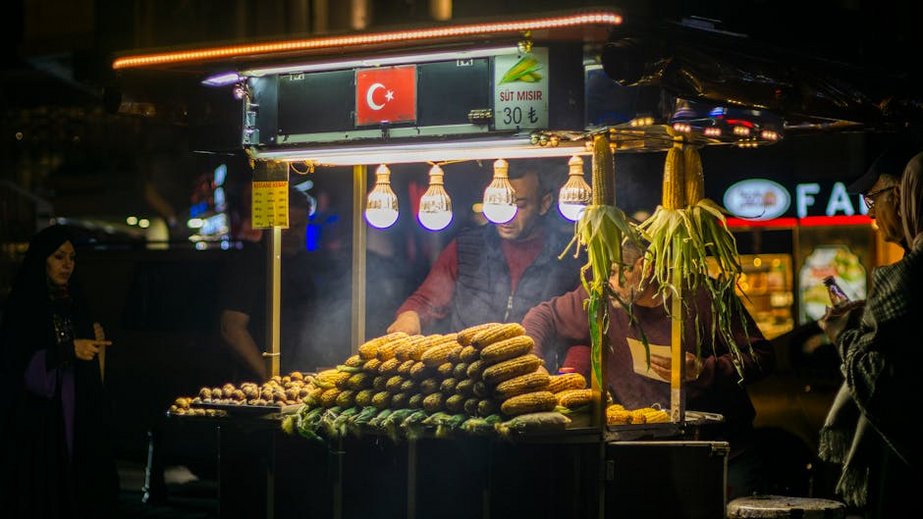
Winter months from November to March are cooler, 40-50°F (4-10°C), but street food thrives with heartier, warming dishes like roasted chestnuts, grilled corn, and steaming sahlep. Summer offers the widest variety, including fresh fruit and chilled drinks, but be prepared for high temperatures exceeding 86°F (30°C) and more tourists.
Budget Planning and Daily Costs
Street food is incredibly cost-effective. Here’s a breakdown of daily budgets for different spending styles focused solely on street eats and casual dining.
Essential Preparation Checklist
Pack digestive aids or probiotics, as introducing new oils and spices can challenge your system. Download offline maps of cities like Istanbul, Ankara, and Izmir to mark famous food stalls. Research basic Turkish food phrases: “Bir tane, lütfen” (One, please), “Acılı?” (Spicy?), and “Kaç para?” (How much?).
Ensure you have a chip-and-PIN credit card for larger markets, but rely primarily on cash (Turkish Lira) for street vendors. Purchase a local SIM card for data to translate menus and search for recommendations on the go. Comfortable, loose-fitting clothing is a must for a day of progressive eating.
Top Street Foods and Where to Find Them
No guide is complete without detailing the iconic items you must try. Each dish tells a story of regional ingredients and culinary history. From dough-based snacks to protein-packed wraps, the spectrum of flavors is astounding. Prioritize these classics, then branch out to discover your own personal favorites among the countless options available.
Location matters immensely. In Istanbul, the Eminönü district near the Galata Bridge is legendary for balık ekmek. The bustling İstiklal Avenue is lined with savory and sweet options. In Ankara, the historic Ulus district offers traditional Anatolian flavors. Always observe where locals are queuing; that’s your best indicator of quality and taste.
Must-Try Classics
Döner Kebab: Slices of seasoned, vertically roasted meat (lamb, beef, or chicken) served in bread (dürüm) or on a plate with rice. The best versions use high-quality meat with a perfect fat ratio. Look for shops where the spit is busy and freshly carved.
Lahmacun: A thin, crispy dough topped with minced meat, vegetables, and herbs, baked in a stone oven. Often called “Turkish pizza,” it’s typically rolled with fresh parsley, onion, and a squeeze of lemon. Cost is usually $1-$2 per piece.
Midye Dolma & Midye Tava: Mussels stuffed with spiced rice (dolma) or fried in a light batter (tava). Consume from reputable vendors with high turnover, especially in coastal cities. They are sold by the half-dozen or dozen, with lemon wedges.
Hidden Gems and Local Favorites
Venture beyond the most famous names to discover dishes beloved by residents. Kokoreç is seasoned lamb intestines grilled on a rotisserie, chopped, and served in bread—an adventurous choice with a unique, savory flavor. İçli Köfte are deep-fried bulgur wheat shells filled with spiced meat and nuts, often found in southeastern Turkish neighborhoods.
For a sweet break, seek out Taş Kadayıf, a shredded wheat dessert filled with walnuts, baked, and soaked in syrup. Or try Kestane Şekeri (candied chestnuts) in Bursa. These lesser-known items provide a deeper connection to Turkey’s diverse regional pantry.
Sweet Treats on the Go
Turkish sweets are a street food category of their own. Lokma are hot, deep-fried dough balls soaked in syrup, sold by weight. Macun is a traditional paste made from various herbs and fruits, scraped onto a stick—a colorful, old-fashioned candy. Don’t miss roasted chestnuts (kestane) or corn (mısır) from braziers in cooler months, offering warmth and simple, satisfying flavor.
Practical Travel Information for Foodies
Navigating Turkey for a street food journey requires practical know-how. Major international airports in Istanbul (IST and SAW), Ankara (ESB), and Izmir (ADB) are your gateways. Within cities, public transport like trams, metros, and ferries are efficient and cheap, often dropping you near major food markets. Taxis and ride-sharing apps like BiTaksi are useful for connecting distant culinary hotspots.
Accommodation choices should prioritize location. Staying in central districts like Istanbul’s Sultanahmet (for history) or Beyoğlu (for modern vibrancy) places you within walking distance of countless food options. Even mid-range hotels often include lavish breakfasts, so you can start the day fueled before hitting the streets.
| Food Category | Prime Examples & Features | Average Price Range (USD) |
|---|---|---|
| Grilled Meats | Döner kebab, Adana kebap, şiş köfte (skewered meatballs) | $3 – $8 per serving |
| Seafood | Balık ekmek (fish sandwich), midye tava (fried mussels), ahtapot (grilled octopus) | $4 – $12 per serving |
| Baked Goods & Pastries | Lahmacun, pide (Turkish flatbread), gözleme (stuffed pastry), börek (filled phyllo) | $1 – $5 per item |
| Snacks & Sweets | Simit, roasted chestnuts/corn, lokma, dondurma (Turkish ice cream) | $0.50 – $4 per item |