Gastronomy Cities in Turkey: Your Ultimate Culinary Roadmap
Turkey’s reputation as a culinary powerhouse stretches far beyond the familiar döner kebab, anchored by historic cities where food is the central cultural pillar. A journey through the gastronomy cities in Turkey offers a direct path to understanding the nation’s soul, tracing ancient spice routes through bustling bazaars and family-run kitchens. This guide maps the essential destinations, from the southeastern spice capital to Aegean olive groves, providing the practical details you need to craft your own unforgettable food pilgrimage.
Understanding Turkey’s Culinary Geography
Turkish cuisine is not a monolith but a vibrant tapestry of regional specialties shaped by geography and history. The southeastern provinces, bordering Syria and Iraq, boast intensely flavorful, spice-forward dishes born from ancient trade routes. Conversely, the verdant Aegean and Mediterranean coasts celebrate the bounty of the sea and sun with olive oil-based mezes and fresh herbs.
This diversity is officially recognized through UNESCO’s Creative Cities Network, which designates cities for their gastronomic heritage. Exploring these regions in sequence allows you to taste a clear evolution of flavors, techniques, and ingredients. Your journey becomes a living history lesson, each plate telling a story of migration, trade, and local tradition.
Key Regions and Their Flavor Profiles
Before planning your route, understanding these core regional identities is essential.
- Southeastern Anatolia (Gaziantep, Şanlıurfa, Mardin): The undisputed heartland of bold flavors, featuring spicy stews like lahmacun and ciğer kebab, along with iconic desserts such as baklava and pistachio-based treats. The climate and history here favor rich, complex, and often meat-centric dishes.
- Aegean Coast (Izmir, Ayvalık, Çeşme): Defined by the “Zeytinyağlı” (olive oil dishes) tradition. Expect an abundance of fresh vegetables, wild greens, and seafood, all prepared with high-quality local olive oil. Meze culture is paramount, best enjoyed with a view of the sea.
- Black Sea (Trabzon, Rize): A unique culinary zone with a focus on corn, kale, anchovies (hamsi), and dairy. The humid, lush landscape produces a cuisine that is hearty, distinctive, and less influenced by Ottoman palace traditions than other regions.
- Budget Traveler ($50-70/day): Focus on street food (simit, dürüm, balık ekmek), self-guided market tours, and affordable lokantas. Stay in hostels or budget guesthouses, and use intercity buses for transport. This budget allows for one paid food tour or cooking class per week.
- Mid-Range Traveler ($100-150/day): Enjoy a mix of famous restaurants and local finds. Stay in comfortable boutique hotels or well-located Airbnb apartments. Hire private guides for half-day market tours, take several hands-on cooking classes, and use domestic flights for longer hops.
- Luxury Traveler ($250+/day): Indulge in multi-course tasting menus at Istanbul’s finest restaurants. Stay in luxury hotels with renowned chefs. Arrange private, full-day culinary experiences with translators and drivers, including visits to remote farms, private cheese tastings, and bespoke vineyard tours.
- Republic of Turkey Ministry of Culture and Tourism – Gastronomy Portal
- UNESCO Creative Cities Network – Gaziantep
The UNESCO Creative Cities of Gastronomy
Turkey boasts two cities with this prestigious designation, offering a guaranteed high level of culinary heritage and innovation. Gaziantep was the first in the world to receive the title, a testament to its profound food culture centered on pistachios, spices, and meticulous craftsmanship. Hatay, ancient Antioch, earned its place for being a historical crossroads, where Turkish, Arab, and Armenian flavors merge into something uniquely complex.
Visiting these cities provides structured insight, with dedicated food museums, documented culinary trails, and festivals. They serve as ideal anchors for a trip focused on Turkish culinary destinations, offering both deep tradition and contemporary dining scenes. You will find that local pride in food is palpable in every interaction.
Seasonal Considerations for Food Travel
Timing your visit is crucial for the freshest ingredients. Spring (April-May) brings artichokes, fresh almonds, and wild greens to the Aegean tables. Summer sees peak produce like tomatoes, eggplants, and peppers, essential for salads and stuffed dishes. Autumn is harvest time for grapes, figs, and of course, olives, with many pressing festivals.
Winter, while cooler, is ideal for southeastern cities where hearty stews and kebabs are most comforting. The citrus harvest along the Mediterranean coast also peaks in winter. For a balanced experience, consider late spring or early autumn, when the weather is mild and seasonal specialties overlap.
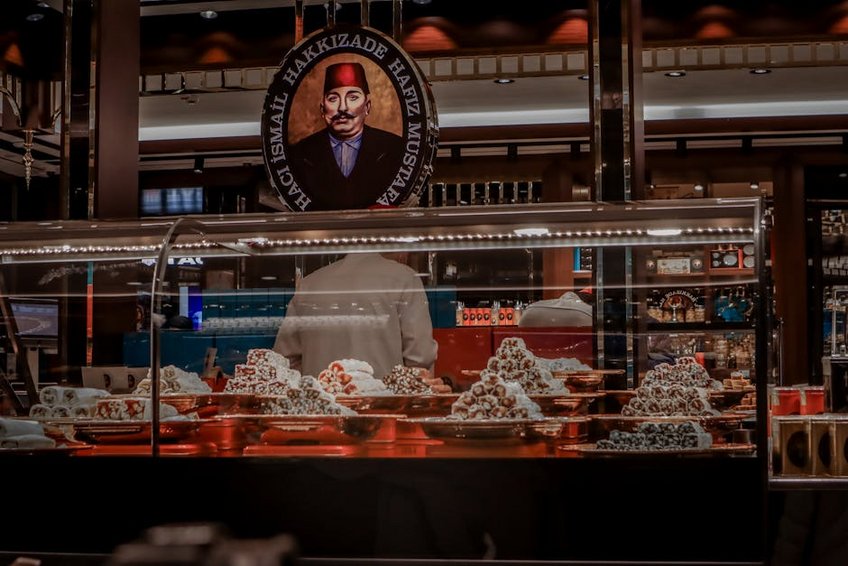
Alt: “gaziantep-baklava-workshop-pistachio-pastry-chef”
Gastronomy Cities in Turkey – Planning Your Culinary Route
Crafting an itinerary around the gastronomy cities in Turkey requires balancing geography with appetite. A focused trip might concentrate on the southeastern circuit or the Aegean coast, while a more ambitious two-week journey could connect both by internal flight. The key is to allocate enough time in each location to move beyond the famous dishes and discover neighborhood eateries.
Budgeting for this type of travel is remarkably flexible. Street food and local lokantas (canteens) offer incredible value, while high-end restaurants in Istanbul or Bodrum provide sophisticated tasting menus. Your largest expenses will be inter-city transport and guided food tours, which are highly recommended for deeper access. Prioritize spending on experiences like cooking classes over luxury accommodation.
Best Time for a Turkish Food Tour
The optimal months for a culinary tour are between April and June, and again from September to November. During these periods, daytime temperatures range from a pleasant 65-80°F (18-27°C), making it comfortable to explore markets and walk between meals. The summer heat, often exceeding 95°F (35°C) in the southeast, can diminish your appetite for heavy, spice-laden foods.
Shoulder seasons also mean fewer tourist crowds at major food landmarks, allowing for more intimate market visits and shorter waits at legendary kebab shops. If your goal is to experience specific harvest festivals, like the October olive oil festivals in Ayvalık, plan your dates accordingly. Winter travel is best suited for city-specific deep dives rather than multi-city routes.
Budget Planning and Costs
Your daily budget will define your culinary experience. Here is a realistic breakdown.
Essential Preparation Checklist
Beyond your passport and visa, specific preparations will enhance your food journey. Pack comfortable walking shoes for endless market exploration and loose-fitting clothing for multi-course meals. A small phrasebook or translation app for menu terms is invaluable, as is a basic understanding of Turkish dining etiquette, like saying “Afiyet olsun” (enjoy your meal).
Make advance reservations for highly acclaimed restaurants, especially in Istanbul and for popular cooking classes. Secure a Turkish SIM card upon arrival for navigating with apps like Yemeksepeti (for restaurant reviews) and Google Maps. Inform guides of any dietary restrictions clearly, as nuts, dairy, and gluten are prevalent. Consider travel insurance that covers unexpected illness, as trying many new foods is part of the adventure.
Top Culinary Destinations and Must-Try Experiences
Each gastronomic city offers a distinct portfolio of flavors and food-based activities. Gaziantep is a non-negotiable stop for dessert lovers and spice enthusiasts, where you can tour a baklava atelier. Hatay, meanwhile, presents a symphony of influences in dishes like künefe and sour pomegranate kebabs. These are not just places to eat, but to learn and participate.
On the coast, Izmir’s boyoz pastry for breakfast and fresh seafood mezes define the easy-going Aegean lifestyle. Venturing into the Black Sea region around Trabzon reveals a completely different cuisine, where everything from bread to dessert is made with corn and anchovies reign supreme. Balancing these contrasts makes for a richly layered trip.
Must-See Food Markets and Bazaars
No culinary tour is complete without time in the vibrant markets. Gaziantep’s Bakırcılar Çarşısı (Coppersmiths Bazaar) is as much a museum as a market, filled with spice stalls, dried fruits, and copper cookware. In Istanbul, the Misir Çarşısı (Spice Bazaar) is iconic, but for a local experience, venture to the Feriköy Organic Market on Saturdays.
In Hatay, the ancient Uzun Çarşı offers a dizzying array of spices, olives, and the region’s famous pepper pastes. For cheese lovers, the weekly markets in Van or around the Sea of Marmara are destinations in themselves. Allocate at least half a day per major market to wander, taste samples, and observe the vibrant commercial theater.
Hidden Gems and Local Favorites
Move beyond the guidebook lists to find truly memorable meals. In Gaziantep, ask a local to direct you to the best yuvalama (tiny lamb and yogurt meatball soup), a home-style dish rarely on tourist menus. In the backstreets of Mardin, family homes sometimes operate as informal restaurants serving işkembe (tripe soup) for breakfast.
Along the Aegean, look for “Ev Yemekleri” (Home Food) signs for affordable, home-cooked lunch plates. In Cappadocia, visit a local vineyard in Ürgüp for a wine tasting paired with regional mezes, a growing scene often overlooked by food-focused travelers. These experiences often provide the most authentic connection to daily life and tradition.
Hands-On Cooking Classes and Workshops
Participating in a cooking class transforms you from an observer to a participant. In Gaziantep, classes often start in the market selecting ingredients before learning to roll yufka (dough) for baklava. Istanbul offers a huge range, from Bosphorus-view palace kitchens to intimate home classes in residential neighborhoods like Kadıköy.
In the Cappadocia region, classes might focus on pottery kebabs cooked in a traditional testi (clay pot). Aegean classes emphasize gathering and cooking wild greens (ot) and preparing zucchini flower dolmas. Booking these workshops in advance is crucial, as the best ones fill quickly, especially during peak travel seasons.
Practical Travel Logistics and Navigation
Navigating between Turkey’s food cities requires a mix of transport modes. Domestic flights efficiently connect Istanbul (IST/SAW) with hubs like Gaziantep (GZT), Izmir (ADB), and Trabzon (TZX). For shorter hops, such as Gaziantep to Şanlıurfa, comfortable intercity buses are frequent, affordable, and often include snacks. Within cities, taxis and ride-sharing apps like BiTaksi are cost-effective for reaching scattered eateries.
Accommodation choices should prioritize location. In Istanbul, staying in Beyoğlu or Kadıköy puts you near fantastic food streets. In Gaziantep, choose lodging near the old city center. Many boutique hotels are converted historic houses, adding to the cultural immersion. Renting an apartment can provide kitchen access to experiment with local ingredients.
| City | Signature Dishes & Experiences | Recommended Stay |
|---|---|---|
| Gaziantep | Ali Nazik Kebab, Pistachio Baklava, Copper Market Tour | 3-4 nights |
| Hatay (Antakya) | Künefe, Pomegranate Syrup Kebabs, St. Pierre Church & Food | 2-3 nights |
| Istanbul | Bosphorus Seafood, Ottoman Palace Cuisine, Spice Bazaar | 4-5 nights |
| Izmir & Aegean | Aegean Meze, Boyoz Breakfast, Olive Oil Farm Visit | 3-4 nights |