Spring Festivals in Turkey: A Cultural Awakening
Witnessing the Spring Festivals in Turkey offers a vibrant window into the nation’s soul, where ancient traditions and modern celebrations burst forth with the season’s new life. You’ll experience everything from the solemn remembrance of the Battle of Gallipoli to the riotous colors of tulip displays and the intoxicating energy of music gatherings along the Aegean coast. This guide details the key events, practical travel advice, and cultural insights you need to plan an unforgettable spring journey through this diverse landscape.
Essential Turkish Spring Festival Information
Spring in Turkey is a season of profound cultural significance, marking a transition from the quiet introspection of winter to joyous communal celebration. The period from late March through May sees the entire country bloom, both literally with wildflowers and culturally with events that span centuries of history. These gatherings are deeply woven into the national identity, reflecting Turkey’s unique position at the crossroads of continents and civilizations.
Timing your visit for these celebrations requires understanding the dual calendar influences at play. Many official and secular festivals follow the Gregorian calendar, while Islamic religious observances like Ramadan and Eid al-Fitr shift annually based on the lunar Hijri calendar. This means the atmosphere in spring can vary significantly from year to year, adding a layer of unique spontaneity to your cultural adventure.
Historical and Cultural Roots
The origins of these spring celebrations are remarkably diverse. You can trace threads back to ancient Anatolian earth goddess rituals celebrating fertility, to Byzantine traditions, and to the enduring legacy of the Ottoman Empire’s love for floral beauty, particularly the tulip. Modern Turkey blends these layers with contemporary arts and national pride, creating festivals that are both timeless and dynamically current.
Key Festival Categories
Spring events generally fall into three broad types. National commemorations like Çanakkale Victory Day are solemn and patriotic. Nature-centric celebrations, such as Istanbul’s Tulip Festival, focus on the sheer beauty of the season. Lastly, performing arts and film festivals showcase Turkey’s vibrant modern creative scene, attracting international artists and audiences to cities like Istanbul and Antalya.
Regional Variations and What to Expect
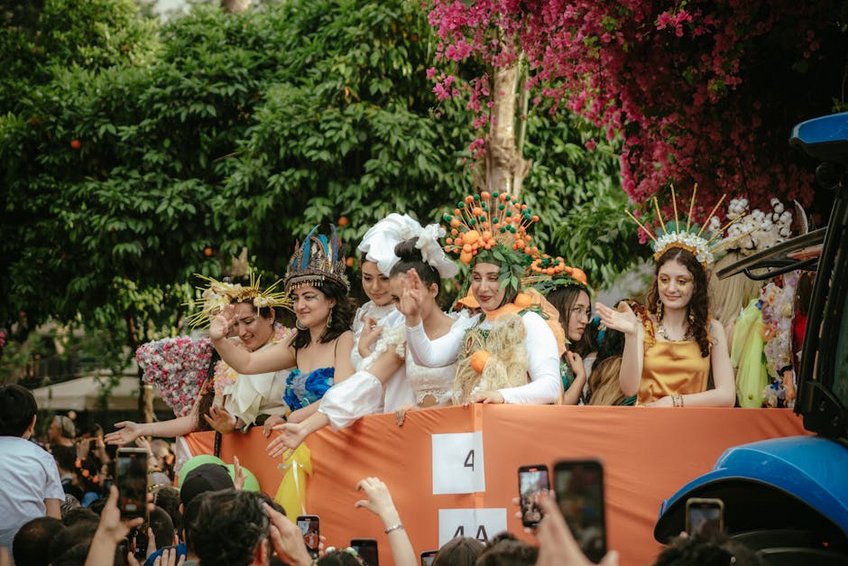
The festival character changes dramatically from region to region. The Aegean coast hosts lively open-air music events, while Cappadocia’s celebrations might incorporate its stunning hot air balloon-filled skies. Central Anatolia’s events often feel more traditional, and the Black Sea region adds its own distinct folkloric flair. Expect warm hospitality, crowded but festive public spaces, and a palpable sense of shared joy.
Alt: “istanbul-tulip-festival-emirgan-park-spring-color-display”
Spring Festivals in Turkey – Planning Your Trip
Successfully navigating the Spring Festivals in Turkey requires strategic planning around timing, location, and local norms. Your first decision point is choosing which of the major April events aligns with your interests, as this will determine your base city and set the tone for your entire journey. Booking flights and central accommodations should happen at least three to four months in advance, especially for Istanbul during the Tulip Festival.
Budgeting needs to account for the premium pricing of the spring tourist season. While festival events themselves are often free, surrounding costs for hotels, flights, and dining will be at their annual peak. We recommend allocating funds for a mix of scheduled festival activities and serendipitous local discoveries you’ll encounter in the festive public squares and parks.
Logistically, prepare for variable spring weather that can swing from sunny and warm to unexpectedly cool and rainy, particularly in early April. Packing layers is essential. Also, familiarize yourself with local transportation apps like BiTaksi for Istanbul and consider purchasing an Istanbulkart for seamless public transit use in the major metropolitan areas where most large festivals are held.
Best Time to Visit for Festival-Goers
The absolute peak period spans mid-April to early May. This window captures Istanbul’s Tulip Festival at its most brilliant, the profound commemorations of Çanakkale Victory Day on April 23-24, and comfortable weather averaging 55-68°F (13-20°C). The later May dates see the start of the Istanbul Music Festival and excellent conditions in Cappadocia, with temperatures reaching up to 75°F (24°C).
Visiting in late March or early April can be a strategic choice for smaller crowds and lower prices, though some floral displays may not be at full peak and the weather is less predictable. The timing of Eid al-Fitr, a major religious holiday, will also drastically affect domestic travel crowds and hospitality availability, so check the lunar calendar for your specific year.
Budget Planning and Costs
Your budget will define your festival experience. Here is a breakdown of common costs for a one-week trip.
- Budget Traveler ($800-$1200): Stay in hostels or guesthouses, use public transport, enjoy street food and cheap local eateries. Focus on free festival events like park displays and public parades. This requires booking far in advance for the best deals.
- Mid-Range Explorer ($1500-$2500): This allows for comfortable boutique hotels, intercity flights or train travel, dining at respected local restaurants, and tickets to select paid festival performances or guided historical tours. It offers the best balance of comfort and cultural immersion.
- Luxury Experience ($3500+): Includes 5-star hotels with festival views, private guided tours of event sites, fine dining reservations, and premium seating at concert or performance events. This tier offers maximum convenience and exclusive access during the busy season.
- Republic of Turkey Ministry of Culture and Tourism
- Istanbul.com Festival Guide
Essential Preparation Checklist
Begin by securing your Turkish e-Visa online, a quick process for most Western passport holders. Ensure your travel insurance covers standard medical and potential trip interruptions. Pack a versatile wardrobe including a light waterproof jacket, comfortable walking shoes, a scarf for visiting mosques, and adapters for Turkish Type F power outlets (220V).
Digitally, download offline maps of your target cities, the BiTaksi app for taxis, and a translation app for help with Turkish phrases. Book high-demand experiences like hot air balloon flights in Cappadocia or popular concert tickets the moment your travel dates are confirmed. Finally, inform your bank of your travel plans to avoid card blocks on international transactions.
Top Festivals and Cultural Events
Turkey’s spring calendar is packed with events, but a few stand out as truly unmissable cultural phenomena. These festivals transform cities and landscapes, offering deep dives into Turkish history, art, and national spirit. Each provides a completely different lens through which to understand the country, from somber historical reflection to pure aesthetic pleasure.
Beyond the major headline events, every town and village often has its own local spring celebration or “şenlik.” These smaller gatherings can be the most authentic, featuring village fairs, local wrestling matches, folk music, and agricultural shows. Remaining open to these spontaneous discoveries often leads to the most memorable personal interactions.
Must-See Highlights
The Istanbul Tulip Festival (April) is a visual masterpiece, with over 30 million bulbs painting parks like Emirgan Grove and Gülhane Park in dazzling patterns. It is completely free and represents a revival of Ottoman floral passion. Çanakkale Victory and Martyrs’ Day (April 23-24) is a deeply moving patriotic event at Gallipoli, commemorating the 1915 battle with dawn services and naval ceremonies.
International Istanbul Film Festival (April) showcases cutting-edge cinema from Turkey and across the world in venues like the historic İstiklal Avenue. The Istanbul Music Festival (starting late May) brings classical, opera, and ballet to stunning venues including the Hagia Irene Museum. Finally, the Antalya International Theater Festival (May) fills the Mediterranean city with innovative performances and street art.
Hidden Gems and Local Favorites
For a unique experience, seek out the Mesir Macunu Festival in Manisa (typically March). This historic event features the throwing of a traditional healing paste from a mosque minaret, reenacting a 16th-century Ottoman tradition. The Hıdırellez celebration on May 5-6, observed across Turkey but especially vibrant in Thrace, welcomes spring with wishes written on trees and nighttime fires, rooted in ancient folk beliefs.
In Cappadocia, the spring balloon festivals aren’t one official event but a season where the sky is filled with hundreds of colorful balloons at dawn, creating an unofficial daily spectacle. Along the Aegean, the Bodrum Ballet Festival uses ancient ruins as a backdrop for world-class dance, while smaller fishing towns host impromptu seafood and music festivals as the weather warms.
Performing Arts and Film Scene
Spring is the premier season for performing arts in Turkey’s major cultural capitals. Istanbul and Ankara become hubs for theater premieres, orchestral performances, and contemporary dance. Venues range from the magnificent modern halls of the Istanbul Opera House to more intimate stages in the Beyoğlu district. Ticket prices vary widely but are generally very reasonable compared to Western capitals.
Practical Travel Information
Navigating Turkey during the lively spring festival season is straightforward with the right information. The country’s tourism infrastructure is well-developed, especially along the key festival routes connecting Istanbul, Çanakkale, Ankara, and Cappadocia. Domestic travel options are plentiful, allowing you to design an itinerary that connects multiple events across different regions efficiently.
Accommodation choices span from historic cave hotels in Cappadocia to sleek design hotels in Istanbul’s trendy neighborhoods. Your choice should balance proximity to festival venues with access to public transportation links. Staying in a central location, even at a slightly higher cost, can save you significant time and stress during busy festival days when traffic increases.
| Accommodation Type | Best For & Features | Spring Price Range/Night (USD) |
|---|---|---|
| Hostel / Guesthouse | Solo travelers & budget groups; social atmosphere, basic amenities, central locations. | $15 – $40 |
| Boutique Hotel | Cultural immersion; often in restored historic buildings, personalized service, unique character. | $80 – $180 |
| Cave Hotel (Cappadocia) | Unique experience; carved into rock formations, thermal insulation, stunning views. | $120 – $350+ |
| Luxury Chain Hotel | Maximum comfort; international standards, spas, fine dining, prime city-center views. | $200 – $500+ |