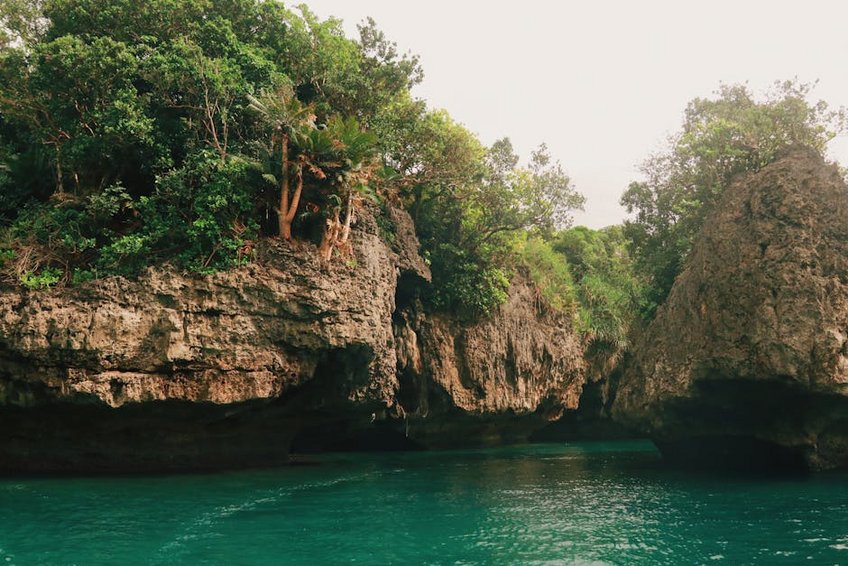
Island Exploration in the Philippines: Your Guide to 7,641 Tropical Adventures
Island exploration in the Philippines offers a staggering diversity of landscapes, from powdery white-sand beaches and world-class diving reefs to towering limestone cliffs and hidden lagoons. This Southeast Asian archipelago spans over 7,600 islands, each offering unique cultural encounters, adventure activities, and serene getaways. This guide provides the essential planning tips, destination highlights, and cultural insights you need to craft your perfect Philippine island-hopping itinerary.
Essential Philippines Archipelago Information
The Philippines is a nation defined by its geography, an archipelago split into three main island groups: Luzon, Visayas, and Mindanao. Its tropical climate brings a distinct dry season from November to April, known as the “Amihan” or northeast monsoon, and a rainy season from May to October, the “Habagat” southwest monsoon. Understanding these seasonal patterns is crucial for scheduling your Philippine archipelago travel.
History has shaped these islands through Malay, Spanish, American, and Asian influences, creating a vibrant cultural tapestry. Filipino and English are the official languages, with English widely spoken in tourism hubs, making communication straightforward for international visitors. The local currency is the Philippine Peso (PHP), and while credit cards are accepted in cities, carrying cash is essential for remote island stops.
Understanding the Island Groups
Knowing the three regions helps plan your route efficiently.
- Luzon: The northernmost and largest island, home to the capital Manila, the Banaue Rice Terraces, and surfing spots like La Union and Baler. It offers a mix of intense city life and majestic mountain scenery.
- Visayas: The central heart of Philippine island hopping, featuring famous destinations like Palawan (El Nido, Coron), Bohol, Cebu, and Boracay. This region is renowned for its iconic beaches, diving, and chocolate hills.
- Mindanao: The southern region, offering more off-the-beaten-path adventures like surfing in Siargao, river rafting in Cagayan de Oro, and exploring the untouched landscapes of the Zamboanga Peninsula.
- Budget Traveler ($35-50 USD/day): Stays in dormitory hostels or basic fan rooms, eats at local *carinderias* (eateries), uses public jeepneys and economy-class ferries, and focuses on free activities like beach lounging and hiking. Island-hopping tours are joined as part of a large group.
- Mid-Range Traveler ($70-120 USD/day): Books private rooms in boutique hotels or Airbnbs, enjoys meals at a mix of local and nicer restaurants, takes Grab taxis in cities, flies between major islands, and joins smaller group tours for activities like diving or private island visits.
- Luxury Traveler ($200+ USD/day): Resorts to high-end island resorts with private pools, dines at top-rated restaurants, charters private boat tours for flexible island hopping, and books premium experiences like private guided tours and PADI diving courses.
- Philippine Department of Tourism
- Lonely Planet Philippines Travel Guide
Climate and Weather Patterns
The tropical climate means warm temperatures year-round, averaging 78°F to 90°F (25°C to 32°C). The key difference is rainfall. The dry season, particularly from late December to April, provides the most reliable weather for beach trips and island hopping. This period sees minimal rain, lower humidity, and calmer seas.
Meanwhile, the rainy season brings brief but heavy afternoon showers and a higher chance of typhoons, especially from July to October. Travel is still possible, with fewer crowds and lush greenery, but ferry schedules can be disrupted. Shoulder months like May and November offer a balance with transitioning weather.
Cultural Context and Visa Requirements
Most Western travelers, including US, UK, Canadian, and EU passport holders, receive a visa-free stay for 30 days upon arrival. For longer trips, you can apply for an extension at any Bureau of Immigration office in the country. Filipinos are famously hospitable, and a friendly, respectful demeanor goes a long way.
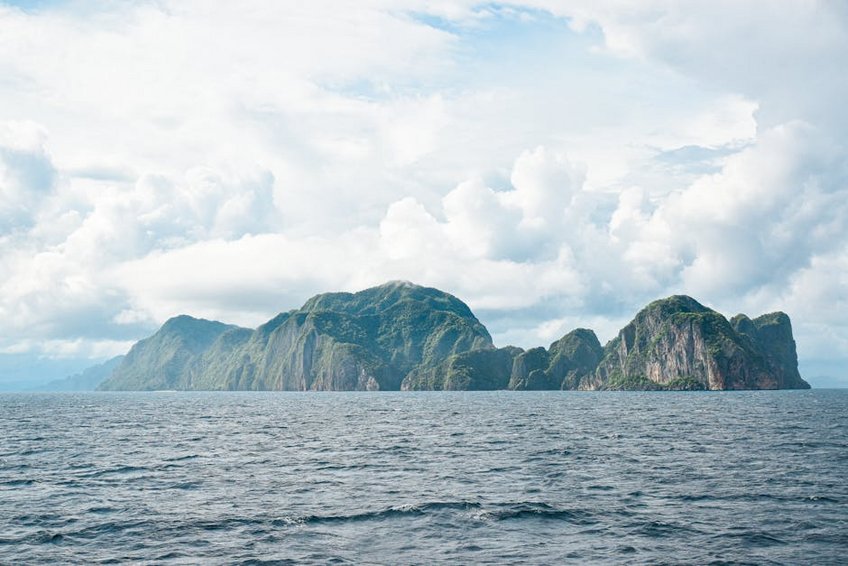
Alt: “philippines-island-hopping-boat-turquoise-water-palm-trees”
Island Exploration in the Philippines – Planning Your Trip
Crafting your itinerary for island exploration in the Philippines requires balancing ambition with reality. Distances between island groups are significant, and travel often involves a combination of flights and ferries. A successful plan focuses on one or two regions per trip rather than trying to cover the entire archipelago. For first-time visitors, concentrating on the Visayas region provides a perfect introduction to the country’s famous beaches and aquatic life.
Your budget will dictate your pace and comfort. While hostels and local ferries keep costs low, domestic flights between islands save valuable time. Booking inter-island ferries a day or two in advance is wise, especially during peak season from December to March. Always build in flexibility, as weather can alter boat schedules, particularly in the remote areas ideal for true exploration.
Best Time to Visit the Philippine Islands
The absolute best window for tropical island hopping is during the dry season, from late December through April. January to April offers peak sunshine, with average temperatures between 80°F and 90°F (27°C and 32°C), virtually guaranteeing perfect beach weather. This is also the busiest and most expensive period, requiring accommodation bookings months in advance.
For a balance of good weather and smaller crowds, target the shoulder months of November and May. You might experience brief rain showers, but skies are generally clear, and sea conditions remain favorable for boat trips. The true rainy season from June to October is best avoided for extensive island-hopping plans due to higher typhoon risks, though dedicated surfers seek out Siargao during this time.
Budget Planning and Costs
Daily costs vary dramatically based on your travel style. Here’s a realistic breakdown for a week-long trip.
Essential Preparation Checklist
Packing smart is key for a multi-island adventure. Essentials include quick-dry clothing, a high-SPF reef-safe sunscreen, a waterproof dry bag for boat trips, a universal power adapter (outlets are Type A/B, 220V), and a reusable water bottle with a filter. Sturdy sandals are more useful than hiking boots for most terrain.
Beyond gear, ensure your travel insurance covers medical evacuation and adventure activities like scuba diving. Download offline maps on apps like Google Maps or Maps.me, and have digital copies of your passport and vaccine records. For getting around, apps like Grab (Southeast Asia’s Uber) are invaluable in cities, while ferry schedules can be checked on websites like 12Go Asia.
Top Philippine Island Destinations and Activities
The sheer number of islands means you can tailor your journey to specific interests, whether it’s world-class diving, epic kitesurfing, serene beach escapes, or challenging trekking. Each major destination offers a unique flavor of the archipelago’s beauty. From the dramatic karst landscapes of Palawan to the perfect waves of Siargao, there’s an island calling your name.
While famous spots like Boracay and El Nido are popular for good reason, incorporating lesser-known stops creates a more balanced and authentic experience. Traveling between these hubs typically involves short domestic flights from Manila or Cebu, followed by van transfers and boat rides. Embracing this “journey” is part of the authentic Southeast Asia island adventure.
Must-See Highlights and Iconic Spots
Palawan consistently tops travel lists, with El Nido and Coron offering breathtaking lagoons, limestone cliffs, and superb wreck diving. In El Nido, Tour A (Big Lagoon, Secret Lagoon) is non-negotiable. A ferry ride away, Coron is famed for its pristine Kayangan Lake and WWII-era Japanese shipwrecks accessible to snorkelers and divers.
Meanwhile, Bohol provides a change of pace with its unique Chocolate Hills and adorable tarsier sanctuaries. For vibrant marine life, the reefs around Moalboal in Cebu offer the famous sardine run and turtle encounters right from the shore. Boracay, after its rehabilitation, remains a benchmark for perfect white sand and a vibrant, if developed, social scene.
Hidden Gems and Local Favorites
Venture beyond the postcard sites to discover the Philippines’ quieter charm. Siquijor, the “Island of Fire,” is known for mystic folklore but captivates with its laid-back vibe, beautiful waterfalls like Cambugahay, and historic balete trees. It’s easily reached by ferry from Dumaguete.
Further north, the Batanes Islands offer a dramatically different landscape of rolling hills, stone houses, and rugged coastlines more reminiscent of Scotland than a tropical paradise. Access is via a flight from Manila. For diving enthusiasts, Apo Island near Dumaguete is a protected marine sanctuary teeming with life, a less crowded alternative to Tubbataha Reefs Natural Park.
Adventure and Water Sports Hotspots
Siargao, the “Surfing Capital of the Philippines,” is the go-to for surfers of all levels, with Cloud 9 being the iconic break. The island also boasts stunning lagoons like Sugba and peaceful palm-tree-lined roads perfect for motorbike exploration. The kitesurfing scene is rapidly growing in Boracay’s Bulabog Beach during the Habagat season.
For diving, the Tubbataha Reefs Natural Park, a UNESCO site accessible only via liveaboard during a short season (March to June), is a bucket-list destination for serious divers. More accessible is the wreck diving in Coron or the thriving coral walls of Malapascua Island, famous for regular thresher shark sightings.
Practical Travel Logistics and Navigation
Navigating 7,641 islands requires a mix of transport modes. Domestic flights are the fastest way to cover large distances between island groups, with carriers like Philippine Airlines, Cebu Pacific, and AirAsia offering frequent, competitive fares. For shorter hops between neighboring islands, a network of ferries and bangka (outrigger boats) is the lifeblood of travel.
Accommodation ranges from five-star luxury resorts to basic beachfront huts. Booking platforms like Booking.com and Agoda are widely used, but for remote islands, contacting properties directly via Facebook or email is common. Always confirm boat transfer arrangements with your hotel, as some islands require specific, timed pick-ups from a main port.
| Transport Type | Best For / Key Features | Price Range (USD) |
|---|---|---|
| Domestic Flight | Connecting major hubs (Manila to Cebu, Palawan, Siargao). Book 2-3 months ahead for best prices. | $25 – $80+ one-way |
| Fast Ferry (e.g., OceanJet) | Major island routes in Visayas (Cebu to Bohol, Dumaguete). More comfortable, faster, fixed schedules. | $10 – $25 one-way |
| Public Ferry (RORO) | Longer, cheaper routes with vehicle transport. Basic amenities, slower travel. | $5 – $15 one-way |
| Private Bangka Charter | Custom island-hopping tours, group travel, remote destinations. Price is for whole boat. | $50 – $150 per day |