Kuala Lumpur Travel Guide: Your Essential Itinerary for Malaysia’s Capital
This Kuala Lumpur travel guide unlocks a dynamic city where futuristic skyscrapers meet historical temples and bustling street markets. You will explore diverse districts, from the golden spires of the Petronas Towers to the aromatic lanes of Chinatown, all within a remarkably walkable and connected metropolis. We will cover essential planning, from navigating the efficient transit system to finding the best local food, ensuring your city exploration is seamless and deeply rewarding.
Essential Kuala Lumpur Information
Kuala Lumpur, often called KL, serves as Malaysia’s federal capital and cultural heart. The city’s history dates to 1857 when tin miners established a settlement at the confluence of the Klang and Gombak rivers. Today, it is a major global hub, seamlessly blending Malay, Chinese, and Indian influences into a unique national identity.
The tropical climate means consistently warm temperatures year-round, averaging between 75°F and 90°F (24°C to 32°C). High humidity is common, punctuated by intense but brief afternoon thunderstorms, especially during the inter-monsoon periods. Understanding this weather pattern helps in planning daily sightseeing schedules effectively.
Key Facts at a Glance
Arm yourself with these core details before your trip.
- Language: Bahasa Malaysia is official, but English is widely spoken in tourist areas, and you will also hear Mandarin, Tamil, and various dialects.
- Currency: Malaysian Ringgit (MYR). Credit cards are accepted in malls and hotels, but street markets and smaller eateries operate primarily on cash.
- Timezone: Malaysia Standard Time (MST), which is GMT+8. There is no daylight saving time adjustment.
- Budget Traveler ($40-60 USD/day): Stay in hostels in Chinatown, eat exclusively at hawker centers, use public transit, and focus on free attractions like the Batu Caves and city parks.
- Mid-Range Traveler ($80-150 USD/day): Book a 4-star hotel in Bukit Bintang, enjoy mixed meals at restaurants and markets, use Grab taxis for convenience, and visit all major paid attractions.
- Luxury Traveler ($200+ USD/day): Experience 5-star hotels like The Majestic, dine at fine-dining establishments, hire private drivers for day trips, and enjoy spa treatments and exclusive tours.
- Tourism Malaysia Official Website
- Wikitravel Kuala Lumpur Guide
Visa and Entry Requirements
Travelers from the US, UK, Canada, and most EU nations do not require a visa for tourist stays of up to 90 days. Your passport must be valid for at least six months beyond your date of entry into Malaysia. Immigration officers may ask for proof of onward travel and sufficient funds, though this is not consistently enforced.
Always check the latest requirements with the Malaysian Immigration Department before departure. Entry rules can change, particularly regarding health declarations or vaccination records. This simple verification prevents unexpected issues at Kuala Lumpur International Airport.
Local Culture and Etiquette
Malaysian society is predominantly Muslim, and modest dress is appreciated, especially when visiting mosques or government buildings. You should remove your shoes before entering someone’s home and always use your right hand for giving or receiving items. Public displays of affection are generally frowned upon in conservative areas.
Tipping is not a common practice in Malaysia, as a 10% service charge is often included in hotel and restaurant bills. However, leaving small change for exceptional service is appreciated. Bargaining is expected in street markets but not in shopping malls or established retail stores.
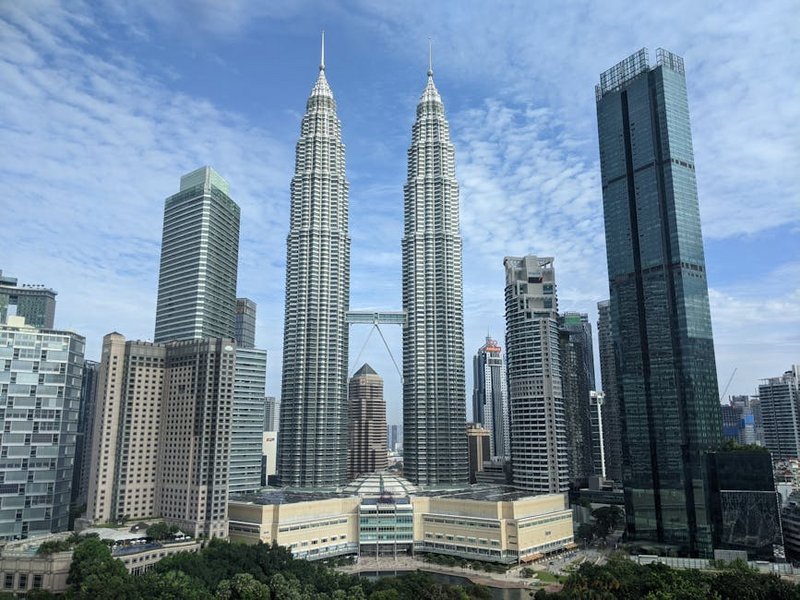
Alt: “kuala-lumpur-petronas-towers-sunset-skyline-view”
Kuala Lumpur Travel Guide – Planning Your Trip
Successful exploration of the Malaysian capital requires thoughtful preparation. Your itinerary should balance iconic landmarks with neighborhood immersion. Focus your hotel search on central areas like Bukit Bintang or KLCC for maximum walkability to major attractions and transit hubs.
Budget planning is straightforward, as Kuala Lumpur offers exceptional value. You can enjoy a luxurious meal for under $20 USD or a filling street food feast for just a few dollars. Allocate funds for attraction tickets, like the Sky Deck at the Petronas Towers, which often requires advance online booking.
Download essential apps before arrival: Grab for ride-hailing, Google Maps for navigation, and the KL Travel Pass app for public transport information. Purchase a local SIM card at the airport for affordable data, which is crucial for real-time navigation and translation services throughout your stay.
Best Time to Visit Kuala Lumpur
The ideal months for a KL visit are between May and July and December to February. These periods fall outside the heaviest monsoon rains, offering more predictable sunny weather for outdoor exploration. Average temperatures hover around 86°F (30°C) with manageable humidity levels.
Conversely, the primary monsoon season affects the east coast from November to March, but Kuala Lumpur on the west coast still experiences increased rainfall. The city remains enjoyable year-round, as rain typically comes in short, heavy bursts. Hotel prices may rise during major festivals like Ramadan, Chinese New Year, and Deepavali.
Budget Planning and Costs
Your daily budget dictates the style of your Malaysian adventure.
Essential Preparation Checklist
Pack lightweight, breathable clothing made from cotton or linen, a compact umbrella, and a reusable water bottle. Comfortable walking shoes are non-negotiable for navigating the city’s sprawling pedestrian networks and markets. Include a lightweight scarf or shawl for covering shoulders when visiting religious sites.
Ensure you have a valid passport, travel insurance with medical coverage, and digital copies of all reservations. Book accommodations at least one month in advance for peak season visits. Consider purchasing tickets online for popular attractions to avoid long queues under the tropical sun.
Top Attractions and City Experiences
The city’s skyline is dominated by the iconic Petronas Twin Towers, a masterpiece of modern Islamic architecture. You can visit the skybridge on the 41st floor or the observation deck on the 86th floor for panoramic urban views. Across the KLCC park, the Aquaria KLCC offers an impressive walkthrough tunnel showcasing regional marine life.
For cultural depth, explore the Islamic Arts Museum Malaysia, which houses one of the world’s finest collections. The nearby National Mosque (Masjid Negara) provides a serene space for reflection. Meanwhile, the bustling Central Market is a heritage art deco building now filled with local craft stalls and cultural performances.
Must-See Highlights
The Batu Caves are an essential day trip, featuring a massive limestone hill with Hindu temples inside its caves. You must climb 272 colorful steps to reach the main Cathedral Cave. Go early in the morning to avoid both the heat and the crowds that arrive by late morning.
Merdeka Square is the historical heart where Malaya declared independence. Flanked by colonial-era buildings like the Sultan Abdul Samad Building, it’s perfect for photography. In the evening, head to the KL Tower observation deck for a 360-degree night view that rivals the Petronas Towers’ perspective.
Explore the Thean Hou Temple, a magnificent six-tiered Chinese temple dedicated to the sea goddess Mazu. Its location on a hill offers another superb vantage point of the city. Admission is free, making it a valuable stop for both cultural insight and photography.
Hidden Gems and Local Favorites
Venture to the Royal Selangor Visitor Centre in Setapak to see the world’s largest pewter tankard and try a hands-on pewtersmithing workshop. This experience provides unique insight into a traditional Malaysian craft. The on-site cafe is also a pleasant spot for a break.
Discover the KL Forest Eco Park, one of the oldest permanent forest reserves in the country, located mere minutes from the busy Bukit Bintang district. Its canopy walkway lets you experience a tropical rainforest without leaving the city. It’s a quiet escape from the urban energy.
For an authentic local experience, visit a *pasar malam* (night market) in a residential neighborhood like Taman Connaught on Wednesday nights. You will find incredibly cheap street food, household goods, and a lively atmosphere far from the tourist track. Use the Grab app to get there easily.
Family-Friendly Activities
Sunway Lagoon Theme Park in nearby Petaling Jaya offers a full day of entertainment with water rides, a wildlife park, and amusement attractions. It’s easily accessible via train from KL Sentral station. Book tickets online for a small discount and to skip the ticket counter lines.
Within the city, KidZania at Curve Mall provides an interactive educational experience where children can role-play various professions. The National Planetarium, located near the Lake Gardens, features space exhibits and a theater. Both are excellent indoor options for rainy afternoons.
Practical Travel and Navigation
Kuala Lumpur International Airport (KUL) is the main gateway, located about 45 minutes south of the city center. The KLIA Ekspres train provides the fastest transfer to KL Sentral in 28 minutes. Alternatively, airport taxis operate on a fixed-fare coupon system, while ride-hailing apps like Grab offer more flexible pricing.
Within the city, the integrated transit network of LRT, MRT, and Monorail lines is efficient, affordable, and air-conditioned. Purchase a Touch ‘n Go card for seamless travel across all systems. For areas not served by rail, the Grab app is ubiquitous, reliable, and significantly cheaper than traditional taxis.
| Accommodation Area | Best For | Average Nightly Rate (USD) |
|---|---|---|
| Bukit Bintang | Shopping, nightlife, central location, food hubs | $60 – $150 |
| KLCC (Near Petronas) | Luxury stays, skyline views, proximity to parks | $120 – $300+ |
| Chinatown (Petaling Street) | Budget travelers, street food, market shopping | $25 – $70 |
| Bangsar | Upscale dining, expat vibe, quieter residential feel | $80 – $200 |