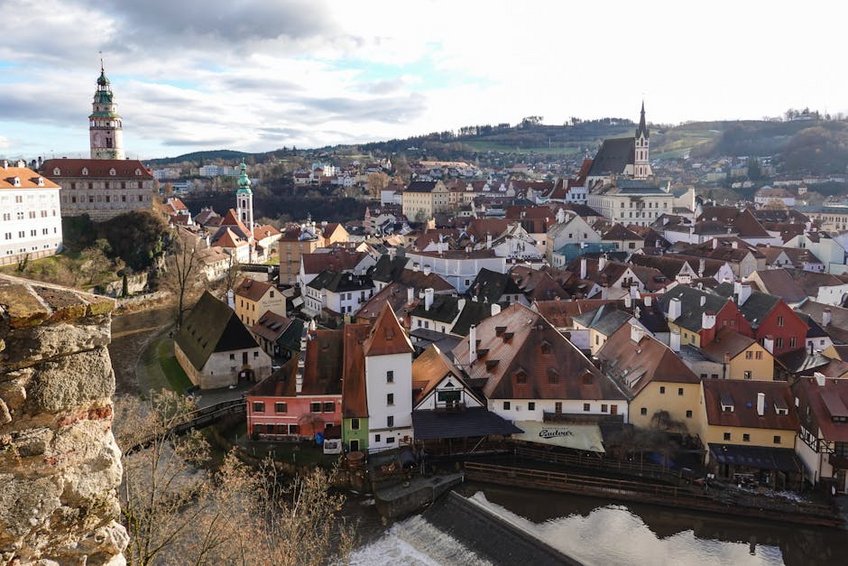
Fairytale Towns in Czechia: A Journey Through Bohemian and Moravian Gems
Discovering the fairytale towns in Czechia feels like stepping into a storybook where cobblestone lanes wind past pastel-hued burgher houses and ancient castle spires pierce the sky. These historic settlements, preserved through centuries, offer an authentic glimpse into Central European culture far from the crowds of Prague. Your journey through these enchanting places reveals the soul of the Czech lands, from Bohemian breweries to Moravian wine cellars.
The Allure of Czechia’s Historic Towns
Czechia’s landscape is dotted with remarkably preserved historic towns, many recognized as UNESCO World Heritage Sites for their architectural and cultural value. Their fairy-tale ambiance stems from a perfect storm of Gothic, Renaissance, and Baroque architecture that survived the turbulent 20th century largely intact. Visitors find themselves transported to another era, wandering fortified walls and town squares that have changed little in 400 years.
The country’s central location in Europe made these towns prosperous trade and cultural crossroads, which is reflected in their ornate buildings and wealthy patronage. Each region offers a distinct character; Bohemian towns often feature sturdy Romanesque foundations and brewing traditions, while Moravian counterparts exude a warmer, wine-producing culture. This diversity within a compact area makes for an incredibly rich travel itinerary.
What Defines a Czech Fairytale Town
Several key elements combine to create that unmistakable storybook feeling in these Czech destinations.
- An intact historic core with original medieval or Renaissance town planning, featuring a central square ringed by arcaded burgher houses, often in cheerful shades of pink, yellow, and blue.
- The presence of a commanding castle or chateau perched on a hill overlooking red-tiled roofs, serving as a visual anchor and reminder of feudal history.
- A network of cobblestone alleyways, fortified gates, and ancient city walls that you can still walk along, creating a powerful sense of place and timelessness.
- Budget Travel ($60-90/day): Stay in hostels or private rooms in pensions ($30-45), enjoy hearty Czech lunches at local *hospoda* pubs for $8-12, use regional trains/buses ($5-15 daily), and focus on free wandering and affordable castle gardens.
- Mid-Range Comfort ($120-180/day): Book well-located 3-4 star hotels or boutique apartments ($70-100), dine at quality restaurants with Czech classics and wine ($25-40), rent a compact car for flexibility ($35/day + fuel), and join a guided walking tour or two.
- Luxury Experience ($250+/day): Reserve historic hotel suites in restored buildings ($150+), enjoy gourmet tasting menus with Moravian wines ($60-80), hire a private driver-guide for multi-day touring ($200/day), and arrange exclusive after-hours castle visits.
- Czech Tourism Official Website
- UNESCO World Heritage List – Czechia
Bohemia vs. Moravia: Regional Characters
Understanding the regional differences enhances your appreciation. Bohemia, the western part of Czechia, features towns with a more Germanic architectural influence, profound brewing history, and dramatic rocky landscapes. Towns like Český Krumlov and Telč are classic examples, with their intricate sgraffito facades and connection to powerful noble families like the Rožmberks.
Meanwhile, Moravia in the east presents a softer, more Slavic and wine-focused culture. Towns such as Mikulov and Kroměříž are set amidst rolling vineyards and feature splendid episcopal palaces. The atmosphere here feels more pastoral, with traditions deeply tied to the land and Catholic heritage, offering a different but equally captivating facet of the Czech fairytale experience.
UNESCO Recognition and Preservation
The UNESCO designation has been crucial for conservation. It provides funding and a framework for meticulous restoration projects that maintain historical authenticity while adapting buildings for modern use. This careful stewardship means visitors see not ruins, but living towns where people still reside, work, and celebrate traditions in breathtaking historic settings.
This preservation effort extends beyond major sites to smaller villages, ensuring the broader cultural landscape remains intact. When you visit, you directly contribute to sustaining this heritage through tourism revenue that funds further restoration, creating a virtuous cycle that keeps these towns alive for future generations.
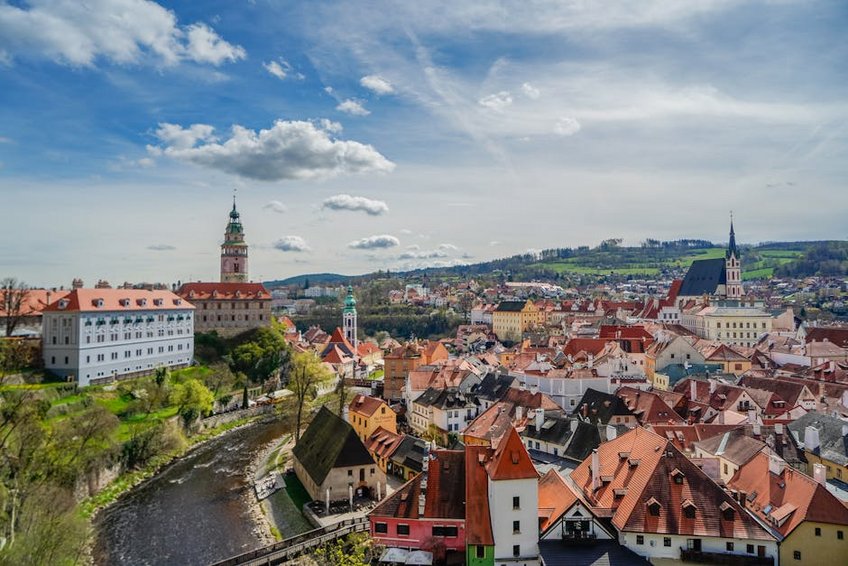
Alt: “cesky-krumlov-castle-river-vltava-cobblestone-streets-bohemia”
Fairytale Towns in Czechia – Planning Your Trip
Crafting an itinerary to explore these magical places requires thoughtful logistics due to their scattered locations across the country. A successful route balances major highlights with quieter gems, considering travel times which rarely exceed two to three hours by car between regions. Renting a vehicle offers the most flexibility for reaching smaller villages with infrequent public transport connections.
Focus your planning on a specific region—either South Bohemia or South Moravia—for a more relaxed pace. Attempting to cover both extensive areas in one trip often leads to rushed visits. Instead, choose a central base like České Budějovice for Bohemia or Brno for Moravia, taking day trips to surrounding towns to minimize constant hotel changes.
Best Time to Visit Czech Fairytale Towns
The ideal months are late May through June and September. These periods offer pleasant weather averaging 65-75°F (18-24°C), manageable crowds, and vibrant greenery or early autumn colors. July and August bring peak tourism, with longer days but higher prices and crowded main squares, particularly in Český Krumlov.
Shoulder seasons like April and October provide a quieter, more atmospheric experience with cooler temperatures of 50-60°F (10-15°C), perfect for cozy cafes. Winter, especially December, transforms towns into magical Christmas markets with sparkling lights and mulled wine, though some castle interiors close and daylight is limited to 8 hours.
Budget Planning and Costs
Travel costs in Czechia remain reasonable compared to Western Europe, with your budget largely defined by accommodation and dining choices.
Essential Preparation Checklist
Pack comfortable walking shoes with good grip for uneven cobblestones, plus layered clothing for variable Central European weather that can shift quickly. A lightweight rain jacket is essential year-round. For tech, bring a universal power adapter (Type E sockets, 230V) and a portable battery pack, as you’ll be photographing constantly.
EU and US passport holders need no visa for stays under 90 days. Ensure your passport is valid for three months beyond your departure date. While not mandatory, travel insurance covering medical emergencies and trip interruption is highly recommended. Book accommodation at least two months ahead for summer visits, especially for Saturday nights in popular towns.
Top Historic Towns and Their Highlights
Beyond the famous Český Krumlov, a wealth of stunning towns awaits discovery. Each presents a unique chapter in the nation’s history, from silver mining prosperity to aristocratic garden design. Dedicating at least a full day to each major town allows you to experience its daily rhythm, from morning market bustle to peaceful evening ambiance after day-trippers depart.
These places are living museums where history permeates every stone. You’ll notice details like Gothic stone portals, Renaissance sgraffito depicting biblical scenes, and Baroque statues guarding bridges. Engaging with this layered history transforms a simple visit into a deep cultural immersion, revealing why these towns have captivated travelers for centuries.
Must-See Highlights Beyond Český Krumlov
Telč’s UNESCO-listed square is a Renaissance masterpiece, with a continuous arcade of pastel facades featuring intricate gables that create a breathtakingly harmonious streetscape. The adjacent castle houses splendid Renaissance interiors. Visit in the morning when soft light illuminates the facades and crowds are minimal. Entry to the castle state rooms costs about $8.
Kutná Hora, a former silver mining boomtown, astonishes with the Gothic Sedlec Ossuary decorated with human bones and the majestic St. Barbara’s Cathedral. The town’s wealth from silver financed extraordinary architecture. The bone chapel is a somber yet fascinating visit for $5, best appreciated with the audio guide to understand its history.
Hidden Gems and Local Favorites
For an authentic experience away from international crowds, head to Slavonice near the Austrian border. This tiny Renaissance jewel features exquisite sgraffito-covered houses and a peaceful, local atmosphere. The surrounding countryside is perfect for cycling, with rental shops in town. You can easily explore every lane in a few hours, then enjoy traditional Czech pastry at a local cukrárna.
In Moravia, the walled town of Mikulov, perched below a castle amidst vineyards, offers superb wine tasting in historic cellars. The Dietrichstein family tomb and the Holy Hill pilgrimage site provide cultural depth. Visit during the autumn harvest for festive atmosphere, or in spring when the apricot trees blossom across the Palava hills.
Castle Gardens and Aristocratic Estates
The chateau gardens in Kroměříž are a UNESCO highlight, representing a pinnacle of Baroque landscape design with geometric patterns, fountains, and a majestic rotunda. The adjacent Archbishop’s Palace contains an outstanding art collection. These gardens are worth a special trip, especially in late spring when the flower beds are in full bloom. The combined ticket costs approximately $10.
Similarly, the castle gardens in Český Krumlov offer stunning elevated views over the town’s red roofs and the Vltava River’s oxbow bend. The revolving auditorium in the garden is a unique architectural feature still used for summer performances. Allocate at least two hours to walk from the castle interiors through the layered gardens down to the town.
Practical Travel Information and Logistics
Navigating between these towns is straightforward with a mix of train, bus, and car options. The Czech rail system (ČD) is reliable and connects major towns, while regional buses (like those from ČSAD) serve smaller destinations. For maximum freedom, especially for visiting multiple towns in one day or reaching remote locations, a rental car is optimal. Roads are generally well-maintained and scenic.
Accommodation ranges from historic hotels within restored Baroque buildings to modern apartments and family-run pensions. Staying within the historic center, even if more expensive, dramatically enhances your experience, allowing for early morning and late evening exploration when the towns are most magical. Book directly with smaller properties for potential better rates and local tips.
| Transportation Mode | Best For / Key Features | Approximate Daily Cost (USD) |
|---|---|---|
| Regional Train (ČD) | Connections between major towns like Prague, České Budějovice, Brno. Scenic routes, comfortable. | $10-25 (per journey) |
| Local Bus Services | Reaching smaller villages, more frequent service than trains in some areas. | $3-8 (per journey) |
| Rental Car | Maximum flexibility, visiting multiple sites per day, remote areas. Requires parking. | $35-50 + fuel & parking |
| Private Driver/Tour | Stress-free multi-day itineraries with guided commentary. Luxury option. | $200-300 (per day) |