Castle Tours in Scotland: Your Guide to Historic Strongholds and Scenic Ruins
Scotland’s landscape is famously dotted with ancient stone fortresses, romantic ruins, and storied palaces that whisper tales of clans, kings, and rebellion. A dedicated castle tour in Scotland offers the most immersive way to connect with this dramatic history, moving beyond simple sightseeing to step directly into the past. This guide provides detailed planning advice, from choosing the right regions and tours to understanding the practicalities of visiting these iconic sites across the Highlands and Lowlands.
Essential Information on Scottish Castles
Scotland’s castle heritage spans over a millennium, reflecting evolving architectural styles and turbulent history. Early structures from the 12th century were simple motte-and-bailey earthworks, later evolving into formidable stone tower houses designed for defense. The Renaissance introduced more palatial residences, while the 18th and 19th centuries saw a Gothic revival, leading to the romanticized ruins and elaborate restorations we see today.
These buildings were centers of power, conflict, and daily life for Scottish nobility. Visiting them provides context for the nation’s complex narrative, including the Wars of Independence and the Jacobite risings. Each region presents a different character, from the coastal fortresses of Aberdeenshire to the isolated keeps of the Hebrides.
Types of Castles You’ll Encounter
Understanding these categories helps you tailor your itinerary to your interests.
- Tower Houses: Iconic Scottish “castles” like Craigievar or Glamis are tall, fortified homes from the 16th-17th centuries, featuring a “laird’s lug” for eavesdropping and often built on the sites of older fortifications.
- Royal Fortresses: Major strongholds like Edinburgh and Stirling Castles served as key royal residences and military hubs, controlling strategic points and housing the Honours of Scotland (the crown jewels).
- Clan Strongholds: Castles like Dunvegan (MacLeods) or Eilean Donan (MacRaes) were seats of powerful Highland clans, embodying family loyalty and regional authority for centuries.
- Budget Explorer ($50-100/day): Focus on exterior views of free ruins, purchase an HES Explorer Pass for prepaid entry to many sites, use public transport between major cities, and stay in hostels or budget B&Bs. Self-guided touring is key.
- Mid-Range Traveler ($150-300/day): Join small-group minibus tours from companies like Rabbie’s, book entry to 2-3 major castles, rent a car for flexibility, and stay in comfortable guesthouses or hotels with breakfast included.
- Luxury Experience ($400+/day): Hire a private driver-guide for a customized itinerary, book exclusive after-hours tours or falconry experiences at castles like Glamis, stay in historic castle hotels (e.g., Barcaldine Castle), and dine in castle restaurants.
- Historic Environment Scotland
- VisitScotland
Key Historical Periods and Context
Castle construction and destruction directly mirror Scotland’s history. The Wars of Independence (1296-1357) saw English forces capture and refortify key sites like Stirling. The Jacobite uprisings of the 18th century, particularly 1745-46, led to the deliberate destruction of many clan castles to subdue the Highlands, creating many of the picturesque ruins we see today.
Later, the Victorian era sparked a “castle revival.” Wealthy industrialists like the 1st Marquess of Bute restored ruins like Cardiff Castle, while others built new Baronial-style mansions, blending medieval aesthetics with modern comfort. This period saved many sites from complete decay.
Preservation and Stewardship
Major organizations care for these historic sites. Historic Environment Scotland (HES) manages over 300 properties, including Edinburgh and Urquhart Castles. The National Trust for Scotland looks after gems like Craigievar and Crathes. Many remain in private hands, often still occupied by descendants, offering a uniquely personal tour experience.
Your entry fees directly contribute to vital conservation work. These organizations balance public access with preserving fragile stonework, artifacts, and landscapes against weather and visitor wear, ensuring future generations can enjoy them.
Alt: “scotland-edinburgh-castle-rock-skyline-historic”
Castle Tours in Scotland – Planning Your Trip
Successfully exploring Scottish strongholds requires strategic planning. Your experience will differ vastly between a summer coach tour to major sites and a winter self-drive adventure to remote ruins. First, decide on your primary focus: deep historical immersion, stunning photography, or a scenic overview of the most famous locations. This choice dictates your itinerary, transport, and budget.
Consider the scale of the country. Concentrating on a specific region like Aberdeenshire’s “Castle Trail” or the Isle of Skye allows for deeper exploration with less driving. Alternatively, a route from Edinburgh to Inverness lets you sample iconic sites like Stirling and Urquhart Castle. Always book tickets online in advance for popular castles to guarantee entry and skip lines.
Best Time to Visit Scottish Castles
The peak season runs from late May through early September, offering long daylight hours (up to 17-18 hours in the north) and the warmest weather, averaging 55-65°F (13-18°C). This is ideal for extensive touring, but major sites will be crowded. Book all tours and accommodations at least three months in advance for this period.
Shoulder seasons (April-May, September-October) provide a excellent balance. You’ll encounter fewer visitors, cooler temperatures of 45-55°F (7-13°C), and stunning autumn colors. Some smaller sites reduce their opening hours after October. Winter visits (November-March) are atmospheric but limited; many castles close or operate on weekends only, with short days and cold, wet weather averaging 35-45°F (2-7°C).
Budget Planning and Costs
Costs vary widely based on your travel style and tour type.
Essential Preparation Checklist
Pack for variable conditions regardless of season. Waterproof walking shoes with good grip are non-negotiable for uneven cobblestones and grassy ruins. Layer clothing with a waterproof outer shell. Bring a power bank for your phone, as you’ll use it for tickets, maps, and photos. A quality camera is recommended for capturing details.
Ensure you have valid travel insurance covering trip interruptions. EU and US passport holders don’t need a visa for tourist visits under 6 months. If driving, request an automatic car if you’re not comfortable with manual transmission, and familiarize yourself with UK road signs. Download offline maps for areas with poor mobile reception.
Top Regions and Iconic Castle Tours
The Scottish landscape is divided into distinct regions, each offering a unique castle touring experience. The Central Belt provides easy access to world-famous royal fortresses, while the Northeast is known for its concentration of pristine tower houses. The wild Highlands and Islands deliver dramatic settings and clan histories, often requiring more travel time but offering unparalleled scenery.
Choosing a base city like Edinburgh, Stirling, or Inverness allows for effective day trips. For a comprehensive highlights tour, a route from Edinburgh to Stirling, through Perthshire to Blair Castle, and onward to the Highlands is classic. Island-hopping tours to Skye, Mull, and the Orkneys reveal isolated gems shaped by Norse and Gaelic influences.
Must-See Highlights and Famous Strongholds
Edinburgh Castle dominates the capital’s skyline. Allocate at least half a day to see the Crown Jewels, Stone of Destiny, and Mons Meg. Book the first entry time to avoid the biggest crowds. Adult tickets cost around £19.50 when booked online.
Stirling Castle was a pivotal royal residence during the Wars of Independence. Its recent restoration brilliantly recreates the lavish Renaissance interiors of James V. The views over the battlefields of Bannockburn and Stirling Bridge are superb. Combine your visit with the nearby National Wallace Monument.
Eilean Donan Castle is perhaps Scotland’s most photographed fortress, situated on a tidal island where three lochs meet. While the interior is a 20th-century reconstruction, its exterior and setting are unforgettable. It’s a key stop on any West Highlands or Isle of Skye tour.
Hidden Gems and Lesser-Known Ruins
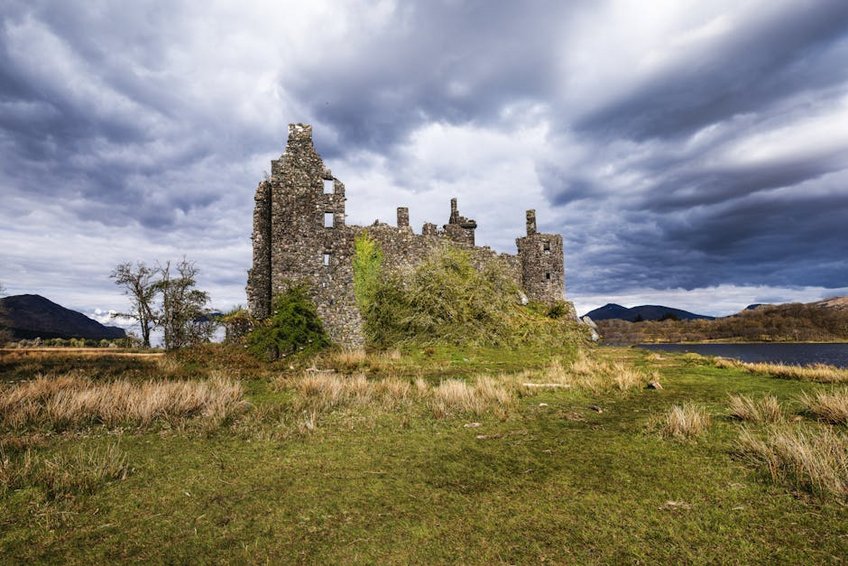
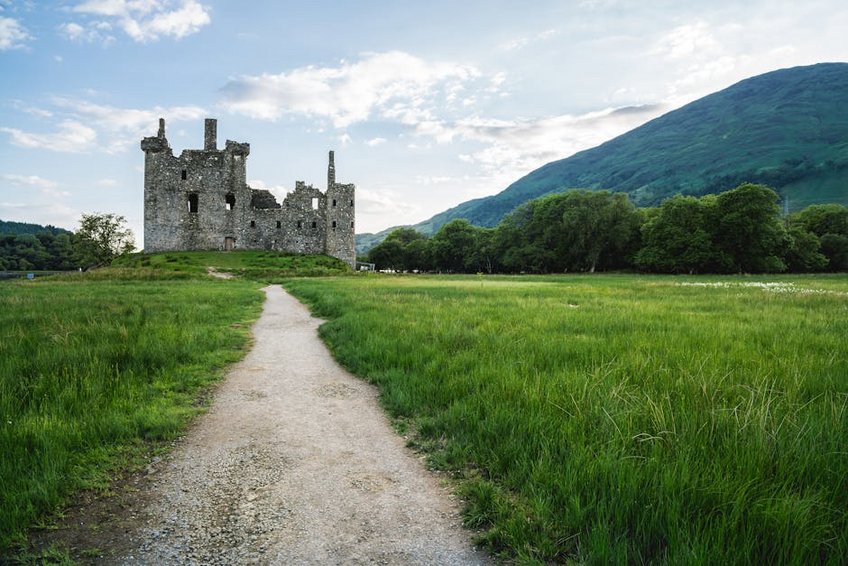
Venture beyond the postcard sites to find atmospheric ruins with few visitors. Kilchurn Castle, at the head of Loch Awe, is a romantic ruin accessible by a short walk. Its backdrop of mountains and water is stunning, especially at sunrise. Access is free and managed by HES.
In Aberdeenshire, Dunnottar Castle is a spectacular clifftop ruin, though not exactly “hidden.” For a true gem, seek out Craigievar Castle nearby. Its pink-hued, fairy-tale exterior and remarkably preserved interior offer an intimate look at 17th-century tower house life. It’s managed by the National Trust for Scotland.
Clan Castle Tours and Ancestral Connections
For those with Scottish heritage, visiting ancestral clan seats is a profound experience. Dunvegan Castle on Skye is the oldest continuously inhabited castle in Scotland and the seat of the MacLeod chiefs. You can view relics like the Fairy Flag.
Other notable clan seats include Castle Sinclair Girnigoe (Clan Sinclair), Brodie Castle (Clan Brodie), and Armadale Castle with its excellent Clan Donald Museum. Many offer genealogical research services or special tours for diaspora visitors seeking to connect with their roots.
Practical Travel and Tour Information
Navigating Scotland to visit its castles involves a mix of transportation. Major cities and towns are well-connected by train and bus, but reaching remote sites almost always requires a car or an organized tour. Driving offers ultimate flexibility, allowing you to discover unplanned ruins and control your schedule at each stop. Scottish roads are generally well-maintained, but single-track roads in rural areas require using passing places.
Organized tours remove the stress of navigation and driving on the left. Options range from large coach tours covering major highlights to small-group minibus tours with more depth and flexibility. For a truly tailored experience, consider hiring a private driver-guide who can craft an itinerary based on your specific historical or ancestral interests.
| Tour Type | Best For / Features | Price Range (Per Person) |
|---|---|---|
| Large Coach Tour | First-time visitors, seniors, budget-conscious travelers covering major sites like Edinburgh, Stirling, and Loch Ness quickly. | $100-$250 for day tours |
| Small-Group Minibus Tour | Travelers seeking more depth, access to smaller roads, and guide interaction. Companies like Rabbie’s or Discover Scotland. | $150-$400 for multi-day tours |
| Self-Drive Itinerary | Maximum flexibility, photographers, families, and those wanting to explore remote ruins at their own pace. | $500-$1500+ (car rental, fuel, accommodation) |
| Private Driver-Guide | Luxury experience, customized ancestral tours, special access, and in-depth historical commentary. | $700-$1200+ per day |