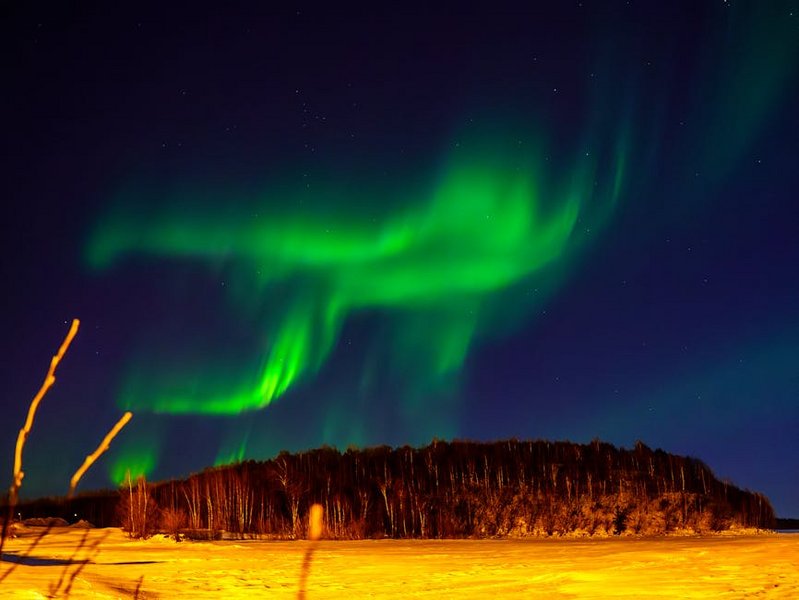
Northern Lights Guide in Finland
Experiencing the aurora borealis in Finland offers a high probability of success thanks to its location within the Arctic Circle and numerous dedicated wilderness resorts. Your northern lights guide in Finland should focus on the Lapland region, where dark skies from September through March provide optimal viewing conditions away from light pollution. This guide will detail the best locations, timing strategies, and practical tips to maximize your chances of witnessing this natural spectacle, including cultural insights and essential gear for the Arctic winter.
Understanding the Aurora Borealis
The northern lights, or aurora borealis, occur when charged solar particles collide with Earth’s atmosphere, creating mesmerizing curtains of green, purple, and red light. Finland’s geographical position under the “auroral oval” makes it one of the world’s most reliable destinations for this phenomenon. The scientific predictability, combined with pristine environments, creates ideal conditions for aurora hunting.
Historically, the lights hold deep significance in Sami culture, Finland’s indigenous people, who interpreted them as mystical fires or messages from the spirit world. Today, understanding the solar activity and Kp index, a scale measuring geomagnetic storm strength, helps modern travelers plan their expeditions. A Kp index of 3 or higher is typically needed for strong displays visible in Finnish Lapland.
The Science Behind the Lights
Knowing what causes the aurora enhances the experience. Several key factors determine visibility.
- Solar Wind: Eruptions from the sun send particles toward Earth, with larger coronal mass ejections leading to more intense and widespread displays visible further south.
- Earth’s Magnetosphere: Our planet’s magnetic field channels these particles toward the poles, where they interact with gases like oxygen (green light) and nitrogen (purple/red light).
- Atmospheric Conditions: Clear, dark skies are mandatory; even a faint glow from a city can obscure the aurora, making remote Lapland locations superior.
- Budget Trip ($1,500-$2,500 per person): Includes hostels or guesthouses, self-guided hunting using public aurora alerts, supermarket meals, and free activities like public saunas. Fly into Rovaniemi and use local buses. Save by avoiding guided tours and booking flights 5-6 months early.
- Mid-Range Trip ($3,000-$5,000 per person): Features stays in aurora cabins or standard hotel packages, 2-3 guided tours (snowmobile, reindeer farm), and restaurant meals. This offers the best value with guided expertise and comfortable lodging, often including airport transfers.
- Luxury Trip ($6,000+ per person): Stays in glass igloos or exclusive wilderness lodges, private guided aurora photography sessions, gourmet dining, and helicopter tours. This tier maximizes comfort, privacy, and expert guidance for a seamless, high-probability experience.
- Visit Finland Official Tourism Site
- Finnish Meteorological Institute Aurora Forecast
Cultural Significance in Finland
For the Sami people, the aurora borealis is woven into folklore and tradition. They believed the lights were the energy of departed souls or the flash of a magical fox running across the snow. This cultural layer adds depth to a modern viewing experience. Respecting these traditions is part of responsible travel in the region.
Many local guides share these stories during tours, connecting the scientific wonder with ancient narratives. This cultural context transforms a simple sighting into a more meaningful encounter with Finnish heritage. You will appreciate the lights beyond their visual beauty.
Predictability and Forecasting
Unlike weather, aurora activity can be forecasted days in advance by monitoring solar data. Reliable forecasts come from space weather agencies. The Finnish Meteorological Institute provides excellent local aurora forecasts and all-sky camera networks.
Apps and websites track the Kp index in real-time, giving hunters a crucial advantage. However, patience remains essential, as the sky can change from empty to vibrant within minutes. A successful trip balances technology with the willingness to wait outdoors on cold nights.
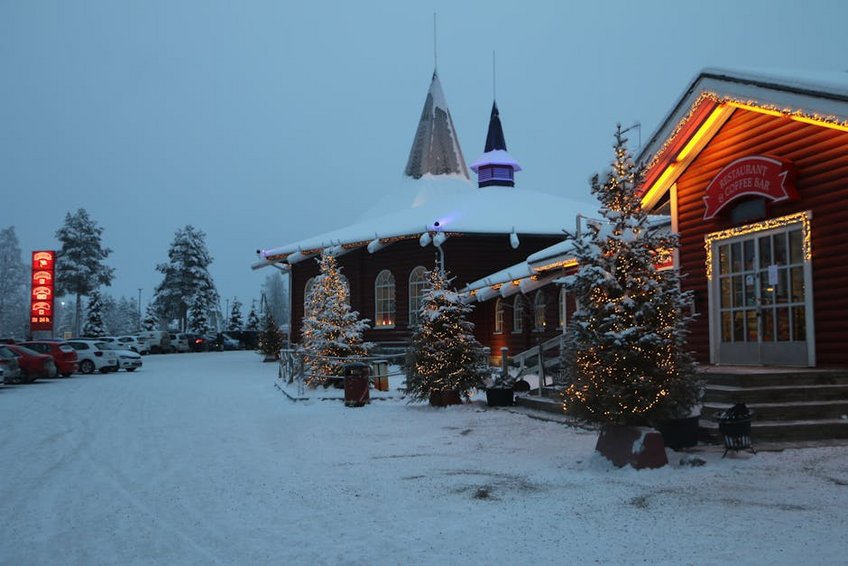
Alt: “aurora-borealis-over-finnish-lapland-cabin-winter-night”
Northern Lights Guide in Finland – Planning Your Trip
Effective planning for an aurora hunt in Finland centers on selecting the right season and region within Lapland. The core season runs from late August to early April, with peak darkness from December to February offering the longest viewing windows. Your northern lights guide in Finland must prioritize locations north of the Arctic Circle, like Rovaniemi, Saariselkä, or Utsjoki, which guarantee polar night conditions in deep winter.
Budgeting requires accounting for Arctic premiums; expect higher costs for accommodations, tours, and winter gear rentals. Booking flights into Helsinki and a connecting flight to Ivalo or Kittilä Airport is standard. You should reserve specialized aurora cabins or glass igloos at least six to nine months in advance, especially for December and March visits.
Success hinges on flexibility. Dedicate a minimum of five nights to account for potential cloud cover. Combine aurora watching with daytime activities like dog sledding or snowshoeing to create a full Arctic adventure itinerary regardless of nightly solar activity.
Best Time to Visit Finland for Aurora
The optimal period for aurora viewing spans from September to March, balancing darkness with tolerable weather. September and March offer milder temperatures, around 23°F to 32°F (-5°C to 0°C), with increased solar activity during the equinoxes. The trade-off is shorter nights compared to midwinter.
December through February provides the polar night, with up to 24 hours of darkness north of the Arctic Circle, maximizing potential viewing time. Temperatures can plunge to -22°F to 4°F (-30°C to -15°C). February often has clearer skies than December. Ultimately, late February and early March present the best combination of reliable darkness, active solar weather, and slightly warmer conditions.
Budget Planning and Costs
A Finland aurora trip varies widely based on accommodation and tour choices. A realistic budget covers flights, lodging, tours, and meals.
Essential Preparation Checklist
Packing for Finland’s winter is non-negotiable for comfort and safety. You need a high-quality down jacket, thermal base layers, insulated waterproof boots, and accessories like mittens, a balaclava, and heat packs. Technical gear is crucial for extended nights outside.
Documentation includes a valid passport; U.S. and EU citizens do not need a visa for stays under 90 days. Purchase comprehensive travel insurance covering cold-weather activities and potential trip interruptions. Book all key accommodations and tours before departure, as remote Lapland services have limited capacity.
Top Destinations and Aurora Activities
Finnish Lapland offers diverse basecamps, each with unique advantages for the aurora hunter. Rovaniemi, the official hometown of Santa Claus, provides excellent infrastructure and family-friendly options. More remote areas like Inari or Kilpisjärvi offer minimal light pollution and stunning wilderness backdrops, significantly increasing visibility and photographic potential.
Activities are designed around the nocturnal schedule. Daytime adventures include visiting Sami communities, ice fishing, or exploring national parks. As darkness falls, the focus shifts to guided hunts, which utilize expert knowledge of local weather patterns and scenic viewpoints inaccessible to independent travelers.
Must-See Locations in Lapland
Rovaniemi serves as the most accessible gateway, with numerous tour operators and the iconic Arctic TreeHouse Hotel. For a higher probability of clear skies, head further north to Saariselkä, a fell region with dedicated Aurora Chalets offering wake-up calls for lights sightings.
Inari, on the shores of Lake Inari, is the cultural heart of Sami territory. The remote darkness here is profound, and the Sami Siida museum provides cultural context. Levi and Ylläs are popular ski resorts that combine downhill skiing with evening aurora tours, offering a balanced activity holiday.
Hidden Gems and Remote Viewpoints
Beyond the main resorts, true wilderness awaits. Utsjoki, Finland’s northernmost municipality, provides exceptional darkness. Local guides here offer snowmobile trips to isolated spots along the Teno River. Pyhä-Luosto National Park features ancient forests and fells, with several wilderness huts where you can wait for the lights in total silence.
Seek out lakeside locations like Pallas-Yllästunturi National Park. Frozen lakes provide unobstructed, 360-degree views of the horizon. These spots require more planning and possibly a rental car with winter tires, but they reward visitors with uncrowded and immersive experiences.
Guided Tours vs. Independent Hunting
Guided tours provide expertise, transportation, and thermal clothing, increasing your chances significantly. Options range from minibus tours to snowshoe hikes or reindeer-drawn sleigh rides into silent forests. Photography tours are invaluable for learning camera settings specific to the aurora.
Independent hunting is feasible with a rental car and diligent forecast monitoring. Designated “Aurora Spots” are marked along roads near major towns. This approach offers flexibility but requires confidence in winter driving and navigating in the dark. A hybrid strategy of one guided tour followed by independent nights often works best.
Practical Travel Information for Finland
Navigating Finnish Lapland requires understanding Arctic logistics. Transportation hinges on flights to northern airports like Ivalo (IVL) for Inari or Kittilä (KTT) for Levi and Ylläs. Rovaniemi (RVN) has the most connections from Helsinki. Within regions, rental cars offer freedom, but ensure they are equipped with studded winter tires.
Accommodation ranges from city hotels to remote glass igloos. Booking directly with wilderness lodges often includes full-board meals and activities. For budget travelers, hostels and Airbnb options exist in larger towns, but remote areas have very limited inexpensive lodging.
| Accommodation Type | Key Features & Best For | Price Range (USD/Night) |
|---|---|---|
| Glass Igloo / Aurora Cabin | In-room viewing, thermal glass, often includes sauna & meals. Best for a guaranteed comfortable viewing experience. | $400 – $1,000+ |
| Wilderness Lodge | Remote location, guided activities included, full-board. Best for immersive nature and all-inclusive planning. | $250 – $600 |
| Hotel (e.g., Rovaniemi) | Central location, restaurants, tour booking desks. Best for first-time visitors and families wanting convenience. | $100 – $300 |
| Holiday Apartment / Hostel | Self-catering kitchen, social atmosphere. Best for budget travelers and those with a rental car for hunting. | $50 – $150 |