Island Tour in Malta: Your Complete Guide to Exploring the Archipelago
An island tour in Malta offers a concentrated journey through millennia of history, distinct cultures, and stunning Mediterranean landscapes across three inhabited islands. You’ll discover ancient megalithic temples older than Stonehenge, Baroque cities built by the Knights, and dramatic coastal cliffs with crystal-clear waters. This guide provides the essential planning details, from choosing the best ferry routes to finding hidden coves, ensuring you experience the full diversity of Malta, Gozo, and Comino.
Essential Malta Archipelago Information
The Maltese Islands are a Southern European nation with a complex history reflected in their language and architecture. Malta served as a strategic fortress for the Phoenicians, Romans, Knights of St. John, and the British Empire. This layered past creates a unique cultural tapestry where English and Maltese are both official languages. You will notice this blend in place names, road signs, and the ubiquitous red telephone boxes.
Geographically, the archipelago consists of Malta, Gozo, and Comino, along with several smaller uninhabited islets. Malta is the largest and most populated, home to the capital Valletta. Gozo is greener and more rural, known for its tranquility and crafts. Tiny Comino is famous almost solely for the Blue Lagoon. Understanding this hierarchy helps you plan an efficient multi-island itinerary that matches your travel style.
Key Historical Facts to Know
Knowing these points enriches your visit significantly.
- The Ħaġar Qim and Mnajdra Temples date from 3600-3200 BC, making them among the world’s oldest free-standing structures. Visit early morning to avoid crowds and experience the solstice alignments.
- Valletta, built by the Knights of St. John after the Great Siege of 1565, is a UNESCO World Heritage site packed with Baroque palaces, churches, and fortifications within a compact, walkable grid.
- The islands were a British colony from 1814 to 1964, which is why cars drive on the left, English is widely spoken, and you’ll find traditional British food items alongside Maltese cuisine.
- Budget Traveler: $70-100 per day. This covers hostel dorms, extensive use of public buses and ferries, self-catering meals, and free sightseeing like walking tours and public beaches. Focus on guesthouses in areas like St. Julian’s or Mellieħa Bay.
- Mid-Range Traveler: $150-250 per day. This allows for private rooms in boutique hotels, daily use of taxis or ride-shares, meals at good local restaurants, and paid entry to major attractions like St. John’s Co-Cathedral and the Hypogeum.
- Luxury Traveler: $350+ per day. This includes 5-star waterfront hotels, private guided tours with historians, fine dining, and private boat charters to secluded coves. Consider stays at properties like the Iniala Harbour House in Valletta.
- Malta Tourism Authority
- Gozo Channel Ferry Line
- Heritage Malta
Navigating Language and Local Culture
While English is universally spoken for tourism and business, the Maltese language is a fascinating Semitic language written in Latin script. You will hear it everywhere in daily life. Learning a few basic phrases like “Merħba” (Welcome) or “Grazzi” (Thank you) is appreciated by locals. The culture is warm and family-oriented, with strong Catholic traditions visible in numerous village festas.
Maltese people are generally very hospitable and helpful to visitors. However, when visiting churches or more conservative villages, modest dress covering shoulders and knees is expected and respected. This is especially important during religious feast days, which are vibrant, noisy community events with processions and fireworks worth experiencing.
Climate and Weather Patterns
Malta enjoys a typical Mediterranean climate with hot, dry summers and mild, wetter winters. Summer temperatures from June to September often reach 86-95°F (30-35°C) with intense sun and low humidity. This is peak season for beach and sea activities. The sea remains warm well into October, perfect for swimming and snorkeling.
Winter, from December to February, sees temperatures averaging 55-61°F (13-16°C) with occasional rain and strong winds. While not ideal for sunbathing, this season is excellent for sightseeing without crowds and lower accommodation prices. The shoulder seasons of April-May and October-November offer the best balance of pleasant weather, warm seas, and manageable tourist numbers.
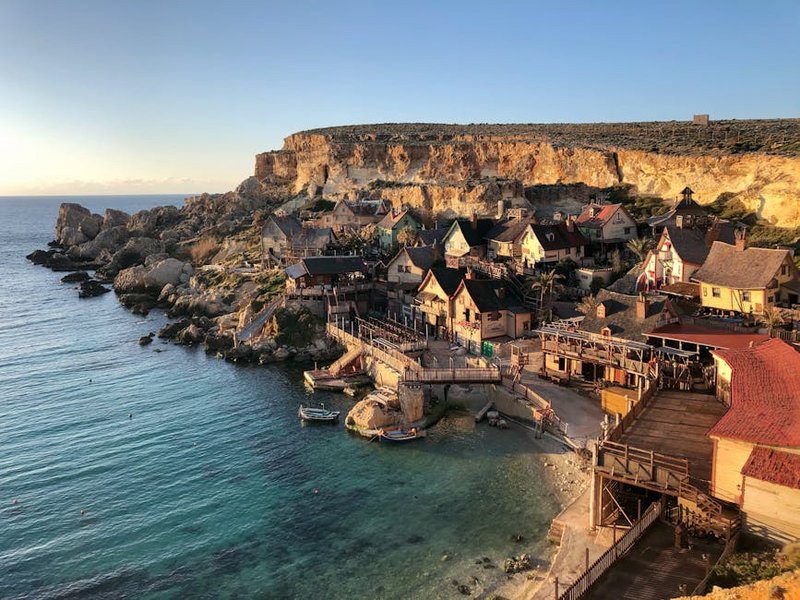
Alt: “malta-valletta-harbor-fortifications-baroque-architecture”
Island Tour in Malta – Planning Your Trip
Careful planning maximizes your time across the islands. A balanced Malta exploration involves allocating days based on your interests: history and nightlife in Malta, countryside and diving in Gozo, and a day trip to Comino’s lagoons. We recommend a minimum of one week to experience the three main islands without feeling rushed, allowing for ferry travel and unexpected discoveries.
Your budget for an island tour in Malta can vary widely. Public ferries between islands are affordable, while private boat charters offer flexibility at a premium. Accommodation ranges from budget guesthouses in Sliema to luxury hotels in Valletta. Dining costs are reasonable, especially if you seek out local pastizzerias and family-run konfetturerias for snacks.
Best Time to Visit the Maltese Islands
For optimal beach weather and guaranteed boat tours, visit between late May and late September. Sea temperatures are ideal, and all seasonal attractions are open. However, this is peak tourist season, with higher prices and crowded sights like the Blue Lagoon. Book ferries and popular hotels at least three months in advance for July and August visits.
The shoulder months of April, May, and October are arguably the best times for a comprehensive archipelago travel experience. You’ll enjoy pleasant temperatures of 68-77°F (20-25°C), fewer crowds at major sites, and more availability for tours and restaurants. The sea is swimmable from May through October, with water temperatures peaking in August and September.
Budget Planning and Costs
Here is a breakdown of typical daily budgets for different travel styles.
Essential Preparation Checklist
Pack light, breathable clothing for summer, a sun hat, high-SPF sunscreen, and sturdy walking shoes for historic sites with uneven stone. A waterproof jacket is useful for winter and spring visits. Bring a European Type G power adapter, as Malta uses the UK-style three-pin plug. A reusable water bottle is essential for staying hydrated during sightseeing.
Ensure your passport is valid for at least three months beyond your planned departure date from the Schengen Area. U.S. and EU citizens do not need a visa for stays up to 90 days. Purchase comprehensive travel insurance that covers medical emergencies and potential trip disruptions, especially if booking expensive boat tours or diving packages. Download the Tallinja app for real-time public bus schedules across Malta.
Top Attractions and Island Activities
Malta’s compact size means you can experience ancient history, vibrant cities, and natural wonders in a single day. The main island offers World Heritage sites like Valletta and the Megalithic Temples. Gozo provides a slower pace with its iconic Azure Window site (though the arch collapsed, the area remains dramatic) and the Ġgantija Temples. Comino is virtually uninhabited but draws visitors to its stunning Blue and Crystal Lagoons.
Beyond the famous spots, seek out quieter experiences. Visit the silent city of Mdina at dusk, explore the lesser-known beaches of Gozo like Ramla Bay, or take a coastal walk along the Dingli Cliffs. Each island has a distinct character, making inter-island ferries not just transport but a key part of the sightseeing journey, offering magnificent harbor views.
Must-See Highlights Across the Islands
In Valletta, prioritize St. John’s Co-Cathedral for its breathtaking Baroque interior and Caravaggio masterpiece. The Upper Barrakka Gardens offer the best free panorama of the Grand Harbor. Book tickets online in advance for the Ħal Saflieni Hypogeum, a unique subterranean prehistoric burial site with limited daily entries.
On Gozo, the Citadel in Victoria provides 360-degree views of the island. The inland sea and Dwejra Bay area, famous for the former Azure Window, are fantastic for geology and snorkeling. The Ġgantija Temples are another remarkable prehistoric complex. Comino is all about the Blue Lagoon; arrive on the first ferry before 10 AM to enjoy relative peace before the day-tripper crowds arrive.
Hidden Gems and Local Favorites
Escape the crowds at St. Peter’s Pool, a natural limestone swimming platform on Malta’s southern coast near Marsaxlokk. The fishing village of Marsaxlokk itself is wonderful for its Sunday fish market and colorful luzzu boats. For a serene beach alternative to Golden Bay, try Għajn Tuffieħa Bay, accessible via a long staircase but with beautiful red sand and fewer amenities.
In Gozo, visit the Ta’ Mena Estate for a taste of local produce and wine. The salt pans near Marsalforn, where sea salt is still harvested traditionally, make for fascinating photography, especially at sunset. For a unique cultural experience, attend one of the village festas (feasts) that occur throughout summer, featuring street decorations, brass bands, and spectacular fireworks displays.
Adventure and Water Activities
The clear Mediterranean waters are perfect for diving, with numerous wrecks, caves, and reefs. Gozo is particularly renowned for its diving sites, including the Blue Hole and the Inland Sea. Reputable schools offer PADI courses and guided dives. Kayaking tours along the coasts, especially around Gozo and Comino, provide a peaceful way to explore sea caves and secluded bays.
For hikers, the islands offer excellent coastal trails. The Victoria Lines trail crosses Malta along a historic British fortification. In Gozo, the coastal path from Xlendi to the Ta’ Ċenċ cliffs is spectacular. Sailing charters are a premium way to experience the archipelago, allowing you to create your own itinerary and access remote swimming spots inaccessible by land.
Practical Travel Information
Getting around the islands involves a mix of ferries, buses, and taxis. The main ferry connections are the efficient Malta-Gozo service (Čirkewwa to Mġarr) and the numerous Comino shuttle boats departing from both Malta (Marfa) and Gozo. On land, Malta has an extensive but often slow bus network; ride-hailing apps like Bolt and eCabs are reliable and affordable for shorter trips.
Accommodation choices should align with your itinerary. Staying in Sliema or St. Julian’s in Malta offers convenience, nightlife, and easy ferry access. For a quieter base, consider Mellieħa, close to the Gozo ferry. In Gozo, staying in Victoria provides central access, while coastal towns like Marsalforn or Xlendi offer seaside charm. Comino has only one hotel, the Comino Hotel, for an isolated getaway.
| Tour Type | Key Features & Best For | Approximate Price Range (USD) |
|---|---|---|
| Guided Full-Day 3-Island Tour | Includes coach pickup, guided commentary, Blue Lagoon stop, and Gozo highlights. Best for first-time visitors wanting a structured overview. | $65 – $100 per person |
| Private Boat Charter (Full Day) | Complete flexibility, custom itinerary, swimming stops at hidden caves, onboard lunch. Ideal for families or groups seeking a personalized experience. | $400 – $800 for the boat |
| Self-Guided Ferry & Bus Tour | Maximum freedom using public ferries and buses. Requires planning but is most cost-effective. Best for independent travelers. | $25 – $40 (transport only) |
| Gozo Quad Bike/Jeep Tour | Adventure-focused exploration of Gozo’s interior and coast. Includes guide, vehicle, and sometimes lunch. Great for active travelers. | $75 – $120 per person |