Cultural Tour in Skopje
Skopje presents a living mosaic where Ottoman-era bazaars, Byzantine churches, and colossal modernist monuments coexist in a vibrant urban landscape. Your cultural tour in Skopje unravels centuries of complex history, from Roman ruins to the enduring legacy of the 1963 earthquake that reshaped the city’s identity. This guide details essential sites, navigates the contrasting architectural styles, and provides practical tips for experiencing North Macedonia’s captivating capital.
Essential Historical Context
Understanding Skopje’s past transforms a simple visit into a meaningful journey through its layered identity. The city’s strategic position on the Vardar River made it a coveted prize for empires, including the Romans, Byzantines, and Ottomans. Each ruler left an indelible mark, creating the eclectic visual tapestry you explore today.
The 20th century brought dramatic change, most notably the devastating earthquake of 1963 that destroyed over 75% of the city’s buildings. The subsequent reconstruction under a modernist vision, followed by the controversial “Skopje 2014” project, adds a fascinating chapter of renewal and national identity-building to your exploration. This context is key to appreciating the city’s unique character.
Key Historical Periods and Legacies
Skopje’s timeline is divided into distinct eras, each contributing visible landmarks and cultural influences.
- Roman & Byzantine: Scupi Archaeological Site showcases the city’s ancient foundations, while the Church of St. Panteleimon in nearby Gorno Nerezi features priceless 12th-century frescoes considered masterpieces of Byzantine art.
- Ottoman Era (1392-1912): This period endowed Skopje with its enduring Ottoman core, including the Čaršija (Old Bazaar), numerous mosques like Mustafa Paşa, and the iconic Stone Bridge, which remains the city’s symbolic centerpiece.
- Yugoslav Modernism (Post-1963): The earthquake’s aftermath led to a radical modernist rebuild, with landmarks like the Macedonian Opera and Ballet and the Central Post Office designed by renowned Japanese architect Kenzo Tange.
- Contemporary Macedonia (Post-1991): The “Skopje 2014” project filled the center with neoclassical buildings and over 100 monuments, sparking debate but creating the city’s current, highly theatrical downtown aesthetic.
- Budget Traveler ($45-65/day): Stay in a hostel in the Old Bazaar, enjoy cheap street food like burek, use public buses, and focus on free sights like walking tours and monument-viewing. Museum entry fees are your main cost.
- Mid-Range Traveler ($80-120/day): This allows for a comfortable hotel room, meals at traditional tavernas (kafanas), taxi rides between districts, and guided tours of key sites like the Memorial House of Mother Teresa and the Museum of the Macedonian Struggle.
- Luxury Traveler ($150+/day): Stay at a boutique hotel or high-end international chain, dine at Skopje’s finest restaurants, hire a private guide for a full-day deep-dive historical tour, and enjoy evening performances at the Macedonian Opera.
- North Macedonia Travel
- Lonely Planet: Skopje Guide
Understanding the City’s Layout
Skopne is geographically and culturally divided by the Vardar River, making navigation intuitive for visitors. The north bank, centered on Macedonia Square, is home to the modern city center with its grandiose new buildings and statues.
Crossing the Stone Bridge leads you into the Čaršija, the sprawling Ottoman-era Old Bazaar on the south bank. This area, with its maze-like streets, traditional craftsmen, and historic hamams, offers a completely different atmosphere and is essential for an authentic cultural experience.
Cultural Etiquette and Local Customs
North Macedonians are known for their hospitality. A handshake is the standard greeting, and it’s polite to use titles like “Gospodin” (Mr.) or “Gospođa” (Mrs.) initially. When visiting religious sites, modest dress is required; cover shoulders and knees, and remove shoes before entering mosque prayer halls.
In restaurants, tipping around 10% is customary for good service. While English is widely spoken in tourist areas, learning a few Macedonian phrases like “Zdravo” (Hello) and “Blagodaram” (Thank you) is warmly appreciated and enriches your interactions.
Alt: “skopje-stone-bridge-ottoman-bazaar-vardar-river”
Cultural Tour in Skopje – Planning Your Itinerary
To fully absorb the city’s contrasts, a well-planned itinerary is crucial. Allocate time for both the monumental city center and the atmospheric Old Bazaar. Your cultural tour in Skopje should balance structured sightseeing with leisurely exploration of the Čaršija’s side streets and cafes.
Consider purchasing the Skopje City Card, which offers free or discounted entry to many museums and attractions, along with public transport access. Most major sites are within walking distance in their respective districts, but comfortable shoes are essential for navigating cobblestones and bridge crossings.
Best Time to Visit Skopje
The ideal months for exploring Skopje are from April to June and September to October. During these shoulder seasons, daytime temperatures range from a pleasant 65°F to 80°F (18°C to 27°C), and crowds are thinner than in peak summer.
July and August can be very hot, often exceeding 90°F (32°C), which can be taxing for extensive walking tours. Winters (December-February) are cold, with averages around 35°F (2°C), but offer a stark, crowd-free atmosphere and lower accommodation prices.
Budget Planning and Costs
Skopje is an exceptionally affordable European capital. Your daily budget dictates the depth of your experience.
Essential Preparation Checklist
Prepare for varied terrain and weather. Pack sturdy walking shoes, a reusable water bottle, and layers—especially a light jacket for cooler evenings. A power adapter for Type F sockets (standard in Europe) is necessary for charging devices.
Ensure your passport is valid for at least three months beyond your planned departure date. US and EU citizens do not need a visa for tourist stays under 90 days. While not mandatory, travel insurance that covers medical emergencies is highly recommended for any international trip.
Top Attractions and Cultural Sites
Skopje’s attractions are a direct reflection of its tumultuous history. You will encounter ancient ruins, solemn memorials, and flamboyant new constructions often within the same city block. Prioritizing sites based on your interests is key to a rewarding visit.
The city’s compact nature means you can cover significant ground in two to three days. Start in Macedonia Square to witness the “Skopje 2014” aesthetic, then cross the river to lose yourself in the timeless ambiance of the Old Bazaar for a complete contrast.
Must-See Highlights
The Stone Bridge is your constant reference point, connecting the old and new city. On the north side, Macedonia Square is dominated by the massive “Warrior on a Horse” statue and surrounded by neoclassical government buildings. Just off the square, the Memorial House of Mother Teresa, a native of Skopje, is a serene and architecturally striking tribute.
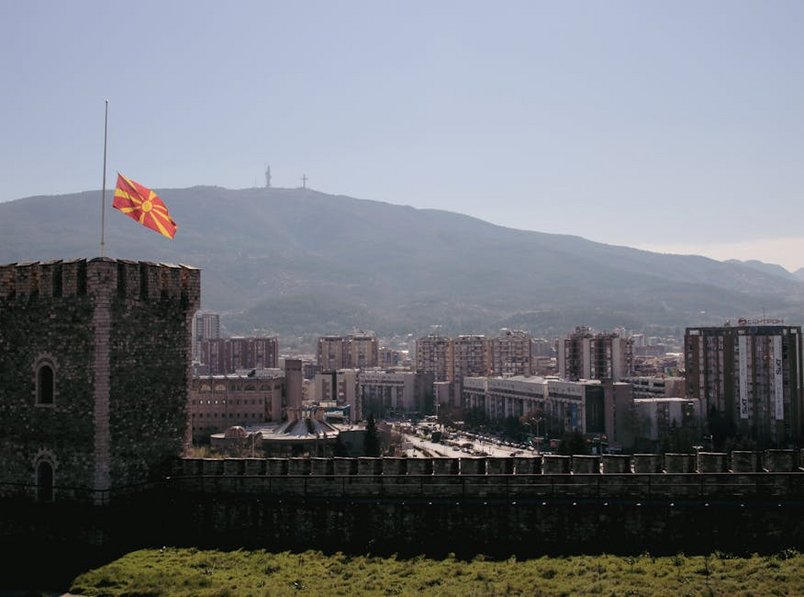
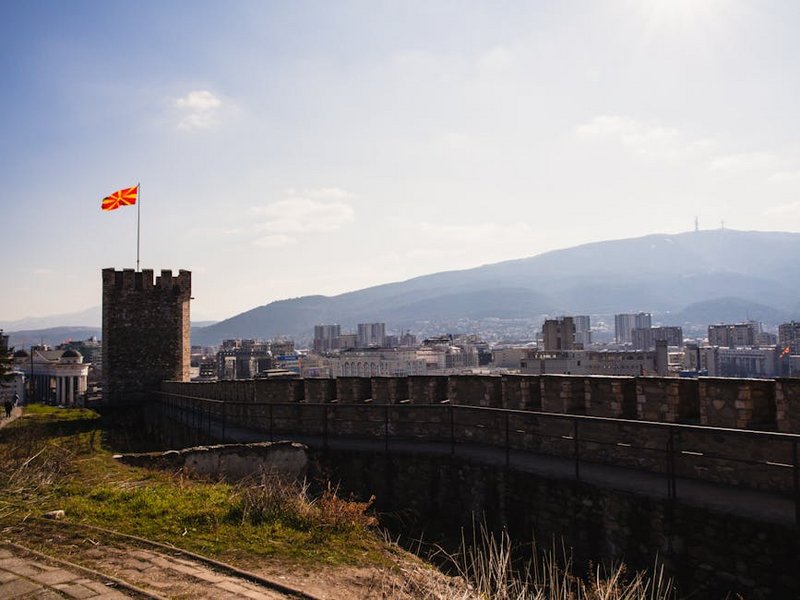
Across the bridge, the Old Bazaar (Čaršija) is one of the largest and best-preserved Ottoman marketplaces in the Balkans. Mustafa Paşa Mosque and the nearby Suli An caravanserai showcase magnificent 15th-century Islamic architecture. Don’t miss the medieval Kale Fortress, which offers panoramic views over the entire city.
Hidden Gems and Local Favorites
Venture beyond the main bazaar streets to find the Čifte Hammam, a 15th-century Turkish bath complex that now houses the National Art Gallery. For a poignant historical experience, visit the Museum of the City of Skopje, located in the old railway station whose clock remains frozen at 5:17—the exact moment the 1963 earthquake struck.
Take a short taxi ride to the Matka Canyon, a stunning natural gorge just 9 miles (15 km) southwest of the city center. Here, you can visit medieval monasteries, take a boat ride on the lake, and enjoy a meal at a waterside restaurant, offering a perfect nature retreat from the urban intensity.
Museum and Gallery Guide
Skopje’s museums provide crucial context. The Museum of the Macedonian Struggle is a highly immersive, albeit nationalistic, walkthrough of the country’s path to independence. The Archaeological Museum of Macedonia, housed in a grand new building, contains artifacts from the region’s rich ancient past.
For contemporary art, visit the Museum of Contemporary Art, a gift from international artists after the 1963 earthquake, located on the Kale Fortress slopes. Its collection and hilltop views are exceptional.
Practical Travel Information
Navigating Skopje is straightforward for English-speaking travelers. The city’s international airport (SKP) is well-connected to major European hubs. Upon arrival, taxis, buses, and ride-sharing apps like Cammeo provide easy transfers to the city center, which is only a 25-minute drive away.
Accommodation options cater to all budgets and preferences. For an authentic cultural immersion, staying in the Old Bazaar area is unparalleled. For modern conveniences and proximity to the grand plazas, the city center north of the river is ideal.
| Accommodation Type | Best Area & Features | Price Range (USD/Night) |
|---|---|---|
| Hostel / Guesthouse | Old Bazaar: historic setting, social atmosphere, basic amenities. | $15 – $35 |
| Mid-Range Hotel | City Center: modern rooms, breakfast included, walkable to squares. | $50 – $90 |
| Boutique Hotel | Old Bazaar: renovated traditional houses, unique design, central location. | $100 – $150 |
| Luxury Hotel | Waterfront/City Center: international brands, full spa, fine dining, river views. | $160+ |