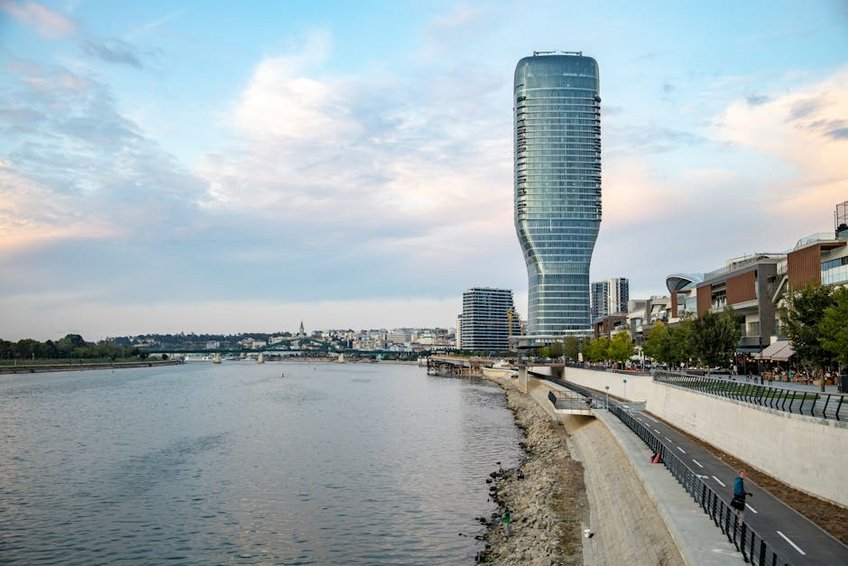
Nightlife in Belgrade: Europe’s Ultimate 24-Hour Party Capital
Belgrade offers a legendary nightlife scene that thrives around the clock, blending gritty underground clubs with elegant river barges. Your experience ranges from all-night electronic music rafts on the Sava River to bohemian quarter pubs where locals have partied for decades. This guide provides essential tips for navigating the city’s famous splavovi, understanding its unique late-night culture, and staying safe while enjoying one of Europe’s most vibrant after-dark destinations.
Essential Belgrade Nightlife Information
Belgrade’s reputation as a party capital stems from its unique history and geographical position at the crossroads of Europe. The city’s nightlife culture, particularly the famous splavovi (floating river clubs), developed distinctively after the 1990s. This created an environment where parties often start late and last until sunrise, with venues scattered across the city’s two rivers.
Local attitudes toward nightlife are famously liberal, with a “work hard, play hard” mentality prevalent among Belgraders. The scene is less about dress codes and exclusivity and more about music, atmosphere, and endurance. Understanding this cultural backdrop is key to appreciating why the city’s after-dark offerings feel so different from other European capitals.
What You Need to Know Before You Go
Prepare for a unique schedule and pricing structure that differs from Western Europe.
- Parties start exceptionally late, with most clubs not filling until 1-2 AM and peak hours occurring around 4 AM, requiring a complete adjustment to your usual evening timeline.
- Cash remains king in many smaller clubs and bars, though cards are widely accepted on the splavovi; always carry some Serbian dinars (RSD) for taxis, entry fees, and smaller purchases.
- The legal drinking age is 18, and ID checks are common at popular venues, especially for younger-looking patrons; carry a passport or other government-issued photo ID at all times.
- Budget nights cost $20-40, covering entry to 1-2 clubs, local beer or rakija, and taxi rides; focus on student-friendly spots in the Vracar district or early hours at kafanas for affordable drinks and free entry.
- Mid-range evenings run $60-120, including premium club entries, several drinks, and maybe a taxi between districts; this budget works well for the famous splavovi and popular downtown bars with higher drink prices.
- Luxury experiences exceed $150, featuring bottle service at upscale clubs, VIP areas, and dinner at high-end restaurants beforehand; venues like Bank and Mint Club cater to this crowd with exclusive ambiance.
- Official Belgrade City Website
- National Tourism Organization of Serbia
Key Neighborhoods and Their Vibes
Belgrade’s nightlife clusters in distinct districts, each offering a different experience. The Savamala district along the Sava River is the epicenter of the splavovi scene, hosting dozens of floating clubs playing everything from turbo-folk to techno. This area buzzes from Thursday to Sunday, with crowds moving between barges via the riverbank pathways.
Meanwhile, the bohemian Skadarlija quarter provides a more traditional experience with its cobblestone streets and kafanas (traditional taverns). Here, live acoustic music, hearty Serbian food, and rakija (fruit brandy) flow freely in a more relaxed, conversational setting. This area is ideal for starting your evening before heading to louder venues.
Music Scene Diversity
Belgrade’s club scene caters to remarkably diverse musical tastes across its various districts. The city has become a major destination for electronic music lovers, attracting world-class DJs to industrial warehouses and river barges. Venues like Drugstore and 20/44 have gained international recognition for their authentic underground atmosphere and serious sound systems.
Conversely, mainstream clubs and many splavovi feature commercial hits and regional turbo-folk music, a genre that dominates the local pop culture. This creates a fascinating dichotomy where you can experience cutting-edge techno and populist folk anthems on the same night, often just a short taxi ride apart.
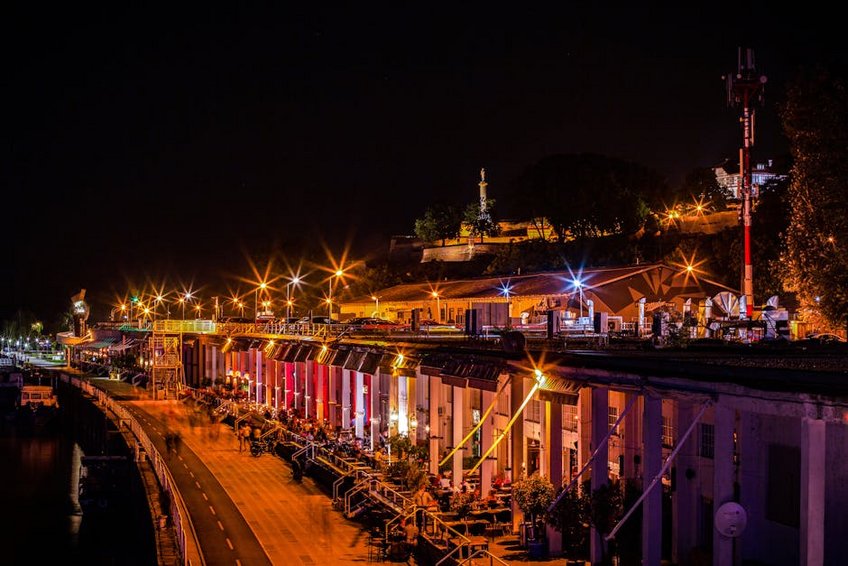
Alt: “belgrade-sava-river-splavovi-night-clubs-illuminated”
Nightlife in Belgrade – Planning Your Trip
Successfully experiencing Belgrade’s legendary after-dark culture requires specific planning around timing, budgeting, and venue selection. Your nightlife in Belgrade adventure should account for the city’s late-starting schedule, which means adjusting your sleep patterns or planning afternoon naps. Most visitors find the Thursday-to-Sunday period offers the best energy, though dedicated clubs operate every night.
Budget planning is crucial, as costs can vary dramatically between a night in a traditional kafana and bottle service on an upscale splav. While entry fees are generally reasonable (typically $5-15), drink prices inside can be high, especially for imported spirits. Planning your transportation between districts is also essential, as walking between the river, downtown, and other areas can be lengthy late at night.
Best Time to Visit for Nightlife
Visit Belgrade for nightlife between May and September when the splavovi are in full swing and the weather allows for outdoor parties. Daytime temperatures range from 70-90°F (21-32°C), creating perfect conditions for the city’s famous riverbank and fortress gatherings. This period coincides with numerous festivals like the Belgrade Beer Fest in August.
The shoulder months of April and October still offer active club scenes, particularly in indoor venues, with fewer tourists and milder temperatures of 50-70°F (10-21°C). Winter sees the action move entirely to indoor clubs and kafanas, offering a more local, intimate experience, though some splavovi close from November to March.
Budget Planning and Costs
Your spending will vary significantly based on venue type and consumption habits.
Essential Preparation Checklist
Pack comfortable shoes for dancing and walking on cobblestones, along with versatile layers since evenings can cool near the river even in summer. Bring earplugs if you plan to spend hours in loud electronic clubs, as sound systems are powerful. A portable phone charger is essential for navigating and calling taxis throughout a long night.
Ensure your travel insurance covers any potential incidents, as standard policies might exclude certain activities. Download the Car:Go or Yandex.Taxi apps for reliable, metered rides, as hailing taxis on the street can lead to overcharging. Book accommodations in the Stari Grad or Dorcol districts to be within walking distance of many venues.
Top Venues and Nighttime Experiences
Belgrade’s club landscape offers everything from glamorous mega-clubs to hidden basements playing obscure music genres. The city’s signature experience remains the splavovi, floating venues moored along the Sava and Danube rivers that host anything from live bands to international DJs. These barges create a unique party atmosphere that you won’t find anywhere else in Europe.
For a more grounded experience, the city’s many kafanas provide a deep dive into Serbian hospitality, music, and cuisine. These traditional taverns feature long wooden tables, hearty portions of grilled meats, and live folk music that often inspires spontaneous dancing and singing. They represent the soulful, communal side of Belgrade’s after-dark culture.
Must-See Nightlife Highlights
Begin at Kalemegdan Fortress for sunset drinks with panoramic views over the confluence of the Sava and Danube, a perfect pre-game ritual. Then head to the splavovi along the Sava’s right bank, where barges like Lasta and Plastik host legendary electronic music nights. Entry typically costs $10-15, with parties peaking around 4 AM.
Experience a traditional kafana in Skadarlija, where live tamburica music accompanies plates of cevapi and kajmak. Restaurants like Tri Sesira (Three Hats) offer authentic atmospheres with dinner for $25-40 per person. Afterwards, explore the Savamala district’s industrial-chic bars and clubs housed in converted warehouses.
Hidden Gems and Local Favorites
Locals frequent smaller, less touristy venues in neighborhoods like Dorcol and Vracar. Kvaka 22 in Dorcol is a tiny, unassuming bar that transforms into a vibrant gathering spot with an excellent cocktail menu and eclectic crowd. It represents the city’s growing craft cocktail scene away from the mainstream clubs.
For authentic live rock music, visit the underground club Gunner’s Pub near Kalemegdan, which hosts local bands in an intimate, gritty setting. The clientele here is predominantly Serbian, offering a genuine local experience far from the tourist-heavy splavovi. These spots often have minimal or no cover charge.
Sunrise and After-Hours Culture
Belgrade’s parties famously extend into daylight hours, with certain clubs operating until 8 AM or later. The after-hours scene typically moves to specialized venues or continues at the same location as the normal crowd disperses. This creates a unique opportunity to experience sunrise over the rivers from a dance floor.
Many locals follow the tradition of having breakfast at the famous burek shops in the city center after clubbing, creating a surreal but delightful scene of partygoers eating savory pastries at dawn. This ritual represents the seamless integration of nightlife into daily life that defines the Belgrade experience.
Practical Nightlife Travel Information
Navigating Belgrade after dark requires understanding the city’s transportation options, safety considerations, and venue logistics. While generally safe, certain precautions will ensure your experience remains enjoyable from start to finish. The city’s layout means you’ll likely need transportation between districts, as walking from downtown to the main splavovi area takes 30-45 minutes.
Accommodation location significantly impacts your nightlife experience, with central districts providing easy access to both traditional and modern venues. Booking hotels or apartments in Stari Grad places you within walking distance of Skadarlija and many bars, while staying in New Belgrade offers proximity to the splavovi but requires taxis to reach other areas.
| Venue Type | Key Features & Atmosphere | Price Range (USD) |
|---|---|---|
| Splav (River Club) | Floating barges with electronic/turbo-folk music, late peaks, summer-only | Entry: $5-15, Drinks: $5-10 |
| Kafana (Tavern) | Traditional live music, hearty food, rakija, communal tables, earlier hours | Meal: $20-40, No cover |
| Underground Club | Industrial spaces, techno/house focus, serious crowds, authentic vibe | Entry: $10-20, Drinks: $4-8 |
| Mainstream Club | Commercial music, dress codes, VIP sections, international crowd | Entry: $15-25, Drinks: $8-15+ |