Weekend Guide to Tbilisi: Discover Georgia’s Vibrant Capital
Exploring Tbilisi over a weekend delivers a captivating mix of ancient history, warm hospitality, and dynamic culture packed into a compact, walkable city. You will wander through cobblestone streets in the Old Town, soak in famous sulfur baths, and taste world-class wine, all while surrounded by architecture that tells a story of Silk Road trade, Persian influence, and Soviet resilience. This guide provides the essential itinerary, practical tips, and local secrets to maximize your short visit to Georgia’s unforgettable capital.
Essential Tbilisi Information
Tbilisi, founded in the 5th century, is strategically positioned at the crossroads of Europe and Asia. This history is visible everywhere, from the Narikala Fortress overlooking the Mtkvari River to the diverse religious sites like synagogues, mosques, and churches standing side-by-side. The city’s name derives from the Georgian word “tbili,” meaning warm, a reference to the area’s natural hot springs.
The local currency is the Georgian Lari (GEL). While credit cards are widely accepted in hotels and restaurants, you will need cash for markets, taxis, and smaller shops. The official language is Georgian, which uses its own unique script, but English is commonly spoken in tourist areas, and Russian serves as a lingua franca for older generations.
What You Need to Know Before You Go
Prepare for your trip with these key logistical points.
- Visa Requirements: Citizens of the EU, UK, US, Canada, and Australia receive a 365-day visa-free stay upon arrival, making entry incredibly straightforward for most Western travelers.
- Power and Connectivity: Georgia uses 220V electricity with Type C and F plugs (standard European two-pin). Purchase a local SIM card from Magti or Geocell at the airport for affordable 4G data across the city.
- Getting from the Airport: Tbilisi International Airport (TBS) is 17 km (10.5 miles) east. A taxi to the city center takes 20-30 minutes and costs 20-30 GEL ($8-$12). The airport bus 337 is a cheaper alternative, running 24/7 for 1 GEL.
- Budget Traveler ($150-$250): Stay in a hostel or guesthouse ($15-$25/night), eat at local bakeries and small kinkhali (dumpling) joints, use public transport, and enjoy free walking tours and park visits. Your main expenses will be food and a few paid attractions.
- Mid-Range Traveler ($300-$500): This allows for a comfortable boutique hotel in Sololaki ($70-$100/night), dining at excellent traditional restaurants like Shavi Lomi or Azarphesha, taking occasional taxis, and enjoying a private sulfur bath experience with a scrub.
- Luxury Traveler ($600+): Opt for a 5-star hotel like the Stamba or Rooms Hotel Tbilisi ($200+/night), private guided tours of the city and nearby Mtskheta, fine dining at places like Barbarestan, and a chauffeur-driven day trip into the Kakheti wine region.
- Georgia National Tourism Administration
- Lonely Planet Tbilisi Guide
Key Cultural Details
Georgian culture is deeply rooted in supra, the traditional feast. A tamada (toastmaster) leads elaborate, heartfelt toasts celebrating life, friendship, and heritage. Participating respectfully in this ritual, even with a simple “Gaumarjos!” (Cheers!), will endear you to locals. Family and hospitality are paramount, and you may often be invited for coffee or wine.
Dress modestly when entering churches, which means covered shoulders and knees for all visitors. Women are often provided with headscarves at entrances. This is a sign of respect in a country where the Georgian Orthodox Church plays a central societal role. Always remove your hat indoors as well.
Navigating the City Layout
Tbilisi is divided by the Mtkvari River, with the historic Old Town (Altstadt) on the eastern bank. This district is the heart of your weekend, home to the baths, winding lanes, and Sioni Cathedral. Across the river, you find the Avlabari district, known for the massive Holy Trinity Cathedral, and the more modern Vera and Vake neighborhoods, full of cafes and boutiques.
The city’s terrain is hilly, so comfortable walking shoes are non-negotiable. Fortunately, a modern cable car connects Rike Park to the Narikala Fortress, and a funicular ascends to Mtatsminda Park. The metro system is efficient and deep, with stations doubling as Soviet-era time capsules.
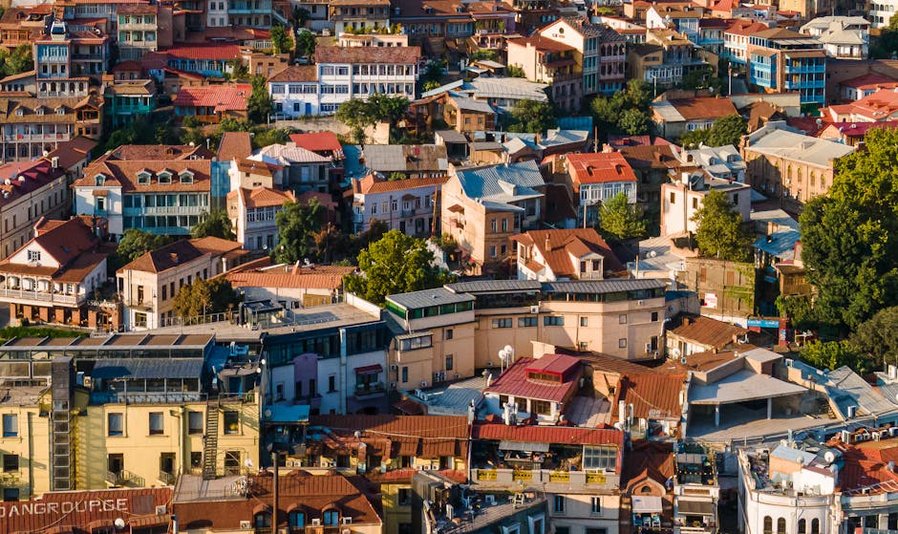
Alt: “tbilisi-old-town-sulfur-baths-cobblestone-streets-narikala-fortress”
Weekend Guide to Tbilisi – Planning Your Trip
To experience the best of Tbilisi in 48-72 hours, strategic planning is essential. Your itinerary should balance iconic sights with immersive local experiences and ample time for spontaneous discovery in the charming backstreets. Prioritize the Old Town and the stunning views from the fortress, but also schedule a leisurely evening at a traditional restaurant with live polyphonic singing.
Booking your accommodation in the Old Town or nearby Sololaki district places you within walking distance of most major attractions. Reserve the famous sulfur baths in advance, especially for private rooms. For a seamless experience, consider purchasing a Tbilisi City Card if you plan to use public transport extensively and visit several museums.
Best Time to Visit Tbilisi
The ideal windows for a Tbilisi weekend are late spring (May to June) and early autumn (September to October). During these months, daytime temperatures range from a pleasant 68°F to 80°F (20°C to 27°C), with minimal rain and comfortably cool evenings. The city is lively but not overwhelmingly crowded, and the surrounding hills are green or autumnal.
Summer (July-August) can be hot, often exceeding 90°F (32°C), though it is dry. Winter (December-February) is cold, with averages of 32°F to 41°F (0°C to 5°C), and you may see snow, creating a magical atmosphere around the old churches. The Christmas and New Year period is particularly festive with markets and decorations.
Budget Planning and Costs
A weekend in Tbilisi can suit various budgets, as the city offers excellent value.
Essential Preparation Checklist
Pack layers, as temperatures can shift between day and night. Include comfortable, broken-in walking shoes for cobblestones, a light jacket for cooler evenings, and a scarf for visiting churches. A universal power adapter (Type C/F) is necessary, and a reusable water bottle is useful, though tap water in Tbilisi is generally safe to drink.
Ensure your passport has at least six months’ validity. While travel insurance is not mandatory, it is highly recommended for medical coverage and trip interruptions. Download the Bolt app for reliable, app-based taxi hailing, and have Google Maps or Maps.me ready for offline navigation in the maze-like Old Town.
Top Attractions and Weekend Activities
Your two-day itinerary should blend must-see historical landmarks with authentic local life. Start with the classic panoramic view from Narikala to orient yourself, then descend into the tapestry of the Old Town. Leave time to simply get lost among the wooden balconies, hidden courtyards, and vibrant street art that characterize the city’s most historic district.
Balance sightseeing with culinary exploration. Schedule a long lunch to sample multiple Georgian dishes and dedicate an evening to understanding the country’s ancient winemaking tradition at a wine bar. The pace can be as relaxed or as packed as you prefer, with plenty of cozy cafes perfect for people-watching and recharging.
Must-See Highlights
Narikala Fortress, dating to the 4th century, offers the definitive postcard view of Tbilisi. You can hike up from the Old Town or take the cable car from Rike Park. Nearby, the giant “Mother of Georgia” statue symbolizes the national character—welcoming with a cup of wine for friends, stern with a sword for enemies. Visit in the late afternoon for the best light.
The Abanotubani (Sulfur Bath District) is iconic, with its brick-domed bathhouses built over natural hot springs. Even if you do not bathe, the area is photogenic and steeped in history. The historic baths like Orbeliani are beautifully tiled, while more modern options offer private rooms. It is a unique experience central to the city’s identity.
Holy Trinity Cathedral (Sameba) in Avlabari is one of the largest Orthodox churches in the world. Its grandeur is awe-inspiring, and the interior is serene and golden. Across the river, the Sioni Cathedral and Anchiskhati Basilica represent the ancient heart of the city’s religious life, holding revered icons and a sense of deep history.
Hidden Gems and Local Favorites
Venture beyond the main drag of Shardeni Street to find the Dry Bridge Market. This sprawling open-air flea market operates daily and is a treasure trove of Soviet memorabilia, antique jewelry, vintage cameras, and traditional Georgian handicrafts. It is more for browsing than serious buying, but it offers a fascinating glimpse into the past.
For a peaceful escape, visit the Tbilisi Botanical Garden nestled in the ravine behind the baths. Alternatively, ride the funicular up to Mtatsminda Park. While the amusement park rides are dated, the views over the entire city at sunset are spectacular. Locals favor the terrace of the Funicular Restaurant Complex for the vista.
Art and Modern Tbilisi
Tbilisi’s contemporary art scene thrives in places like the Tbilisi History Museum, housed in a stunning caravanserai, and the Fabrika Tbilisi complex. Fabrika is a former sewing factory transformed into a multi-space hub with hostels, cafes, co-working spaces, and galleries, representing the city’s creative, post-industrial rejuvenation.
Street art is prolific, especially in the Sololaki and Marjanishvili districts. Take a self-guided tour to find works by famous local and international artists. This modern expression contrasts beautifully with the aging, elegant architecture, telling a story of a city that proudly honors its past while dynamically shaping its future.
Practical Travel Information
Navigating Tbilisi is straightforward thanks to its compact core and affordable transportation options. The metro is efficient, with two lines intersecting at the central Station Square. Each ride costs 1 GEL ($0.40) with a reusable Metromoney card. Buses and minibusses (marshutkas) cover wider areas but can be confusing for first-time visitors.
Taxis are inexpensive and best ordered via the Bolt app to avoid price negotiations. For a unique perspective, cross the Mtkvari River on the Bridge of Peace, a modern, glass-and-steel pedestrian bridge, or take the short cable car ride to the fortress. Most key sites in the Old Town are best explored on foot.
| Category | Options/Features | Price Range (USD) |
|---|---|---|
| Budget Accommodation | Hostels & Guesthouses in Old Town, shared facilities, social atmosphere | $15 – $40 per night |
| Mid-Range Dining | Traditional restaurants (e.g., Pasanauri, Klike’s Khinkali), full meal with wine | $15 – $25 per person |
| Main Attractions | Sulfur Bath Private Room (1 hr), Cable Car Ride, Museum Entrances | $10 – $30 per activity |
| Local Transportation | Metro/Bus Ride, Bolt Taxi ride across central city | $0.40 – $5 per journey |