Music and Culture in Vienna: A Traveler’s Guide to the Imperial City
Vienna’s cultural heritage is a living tapestry woven from centuries of imperial history, musical genius, and architectural grandeur. The city invites you to walk in the footsteps of Mozart and Beethoven while exploring opulent palaces and vibrant contemporary art scenes. Your journey into music and culture in Vienna offers an immersive experience where every street corner and coffeehouse tells a story of artistic revolution and timeless elegance.
Vienna’s Cultural Foundation
Vienna’s identity as a cultural capital was forged during the centuries-long rule of the Habsburg Monarchy, which turned the city into a political and artistic epicenter of Europe. This imperial patronage attracted composers, architects, and thinkers, creating an environment where Baroque, Classical, and later, Art Nouveau movements could flourish. The city’s layout itself, with its Ringstraße boulevard encircling the historic center, is a testament to 19th-century urban planning designed to showcase power and culture.
This historical context explains why Vienna feels like an open-air museum. Monuments like the Hofburg Palace and the Vienna State Opera are not just attractions but active participants in the city’s cultural life. The Viennese approach to preserving tradition while fostering innovation creates a dynamic atmosphere. You will find century-old traditions like the Opera Ball coexisting with cutting-edge exhibitions at the MuseumsQuartier.
Understanding the Musical Legacy
To fully appreciate Vienna, understanding its musical hierarchy is key. The city’s soundtrack was composed by masters who lived and worked here.
- The First Vienna School: This refers to the Classical period giants—Haydn, Mozart, and Beethoven—who developed symphonic forms and chamber music, often supported by aristocratic patrons. Their homes, now museums, are scattered throughout the city center.
- The Second Vienna School: Centuries later, composers like Schoenberg, Berg, and Webern revolutionized music with atonality. This represents Vienna’s continual artistic reinvention, a shift you can explore at the Arnold Schönberg Center.
- The Waltz Dynasty: The Strauss family, particularly Johann Strauss II, defined an era with the Viennese waltz. This music symbolizes the city’s joy and is performed daily by ensembles like the Wiener Hofburg Orchester.
- Budget Traveler ($60-100/day for culture): Focus on standing room tickets at the Vienna State Opera (€10-15), free entry to the Austrian National Library’s State Hall, and museum visits on free first Sundays. Use the excellent public transport and enjoy coffee at traditional cafes like Café Sperl instead of more touristy spots.
- Mid-Range Explorer ($100-200/day for culture): This allows for seated tickets at the Musikverein (€50-80), a combined ticket for the Schönbrunn Palace Grand Tour and Gloriette, and a guided tour of the Kunsthistorisches Museum. Stay in a boutique hotel in the Neubau district and dine at classic Viennese Beisln.
- Luxury Connoisseur ($200+/day for culture): Secure premier seats for the Vienna Philharmonic, book a private guide for the Hofburg’s Imperial Apartments and Sisi Museum, and attend a formal ball with gown/tuxedo rental. Experience fine dining at a restaurant like Steirereck and stay at a luxury heritage hotel like the Hotel Sacher.
- Vienna Tourist Board (Official Site)
- Wiener Musikverein (Concert Hall)
- Vienna State Opera
Key Cultural Districts
The Innere Stadt, or First District, is the UNESCO-listed historic core containing most imperial sites. Here, you can visit St. Stephen’s Cathedral and the Spanish Riding School within a short walk. Meanwhile, the MuseumsQuartier (MQ), one of the world’s largest cultural complexes, represents modern Vienna. It houses the Leopold Museum, with its unparalleled Schiele collection, and the MUMOK, focused on modern art.
Across the city, you will find neighborhoods with distinct vibes. The Spittelberg area offers Biedermeier-era charm with cobblestone streets, while the Naschmarkt provides a sensory overload of food and flea market finds. Each district contributes a unique note to the city’s overall cultural symphony, offering different experiences from high art to everyday Viennese life.
Architectural Styles Through the Ages
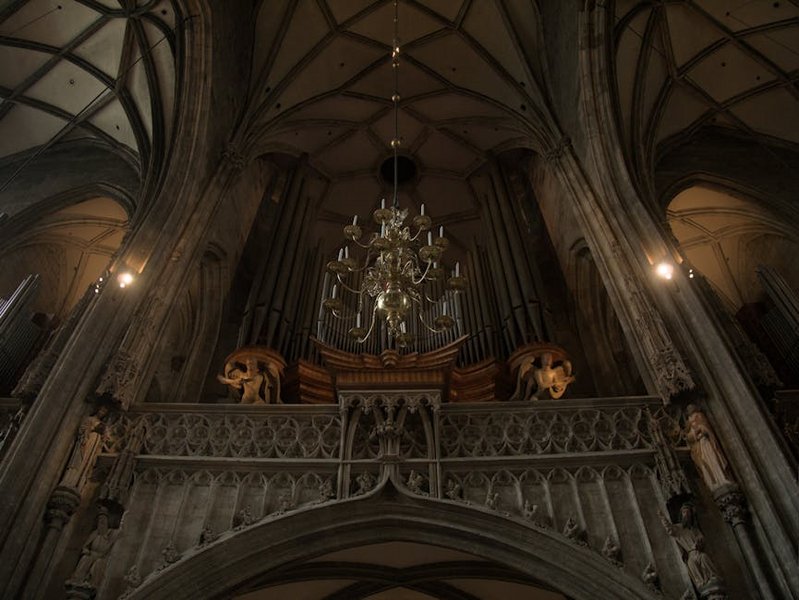
Vienna’s skyline narrates its history through stone and glass. The Gothic spires of St. Stephen’s Cathedral dominate the center, a landmark for over 700 years. The subsequent Baroque period, favored by the Habsburgs, produced overwhelming opulence, best seen in the gold-leaf ceilings of the Belvedere Palace. This was a deliberate display of imperial power and religious devotion.
The 19th century brought Historicism and the Ringstraße style, seen in the neo-Gothic Rathaus and neo-Renaissance Burgtheater. Then, around 1900, Vienna birthed its own radical style: Jugendstil, or Art Nouveau. Architects like Otto Wagner and Adolf Loos, and artist Gustav Klimt, broke from ornamentation. You can see this shift at the Secession building with its famous “Golden Cabbage” dome and Wagner’s elegant Stadtbahn stations.
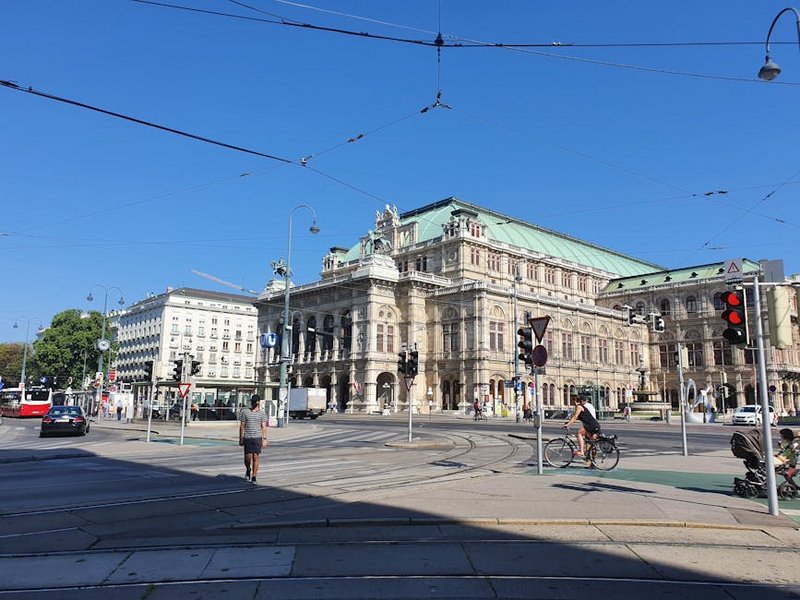
Alt: “vienna-state-opera-historic-building-ringstrasse-evening”
Music and Culture in Vienna – Planning Your Trip
A successful cultural trip to Vienna requires strategic planning to align with performance seasons and exhibition schedules. The city’s artistic calendar is packed year-round, but peak seasons like the Opera Ball in February or the summer festival season demand early bookings. You should decide if your focus is classical music, visual arts, or a blend, as this will shape your itinerary and ticket priorities.
Budgeting for a Vienna cultural trip involves allocating funds for high-value experiences like opera tickets, which can range from standing room deals to premium seats. Consider purchasing city passes like the Vienna Pass or discount cards that offer bundled museum entries. Accommodation near the Ringstraße provides walking access to major venues but commands a higher price, while staying in adjacent districts like Mariahilf offers better value with excellent transit links.
Your daily pace in Vienna should balance scheduled performances with leisurely exploration. Mornings are ideal for museum visits before crowds arrive, while afternoons can be for palace tours or coffeehouse culture. Evenings are, of course, reserved for concerts and theater. Always leave room for serendipity, like stumbling upon a free choir performance in a historic church or a small gallery opening.
Best Time to Visit for Cultural Events
The absolute peak for music and culture in Vienna runs from late September to June, aligning with the opera, concert, and theater season. This period offers the richest selection of performances, with temperatures ranging from 30°F to 65°F (-1°C to 18°C). The famous Vienna Opera Ball occurs in February, and Christkindlmarkt Christmas markets illuminate December. Booking tickets and hotels three to six months in advance is crucial for this high season.
Summer (July-August) brings a different vibe, with temperatures between 65°F and 85°F (18°C and 29°C). The major opera houses are closed, but the city hosts the Musikfilm Festival at Rathausplatz and the ImPulsTanz dance festival. Many museums remain open, and you can enjoy outdoor classical concerts in palace gardens. This season is less crowded and can be more affordable, though some traditional venues are quiet.
Budget Planning and Costs
Your budget for Vienna’s arts scene can be tailored to different levels of comfort and access.
Essential Preparation Checklist
Before you depart, secure tickets for must-see performances. Book key venues like the Staatsoper, Musikverein, or Burgtheater as soon as schedules are released, often 2-3 months in advance. For popular exhibitions at the Albertina or Belvedere, purchase timed-entry tickets online to avoid long queues. Also, research dress codes; while most concerts are smart-casual, opera premieres and balls require formal attire.
Pack comfortable walking shoes for cobblestone streets and a versatile outfit that can transition from daytime museum visits to an evening concert. Ensure you have a power adapter for Type C/F plugs (230V). While not mandatory, learning a few German phrases like “Danke” (Thank you) and “Zweimal Karten, bitte” (Two tickets, please) is appreciated. Finally, download the Wiener Linien app for seamless public transport navigation.
Top Attractions and Musical Experiences
The heart of Vienna’s cultural offerings beats in its historic venues and world-class museums. A visit to the Musikverein, home of the Vienna Philharmonic, is a pilgrimage for any music lover, offering acoustics considered among the finest globally. Similarly, the Vienna State Opera presents a different production nearly every night during the season, from grand classics to modern interpretations. These institutions are the pillars of the city’s performing arts scene.
Beyond performance halls, the city’s museum landscape is staggering. The Kunsthistorisches Museum rivals the Louvre, housing works by Bruegel and Vermeer in a magnificent building. Just across the square, the Naturhistorisches Museum offers a different kind of wonder. For a deep dive into Austrian modern art, the Leopold Museum’s collection of Egon Schiele and Gustav Klimt is unparalleled, providing context for the artistic revolutions of the early 20th century.
Must-See Highlights
The Vienna State Opera (Staatsoper) is the undisputed flagship. Take a guided daytime tour to see its magnificent staircase and auditorium, then return in the evening for a performance. The Belvedere Palace is essential not just for its stunning Baroque architecture and gardens, but as the home of Klimt’s “The Kiss.” Plan your visit for the morning to see the painting with fewer crowds before exploring the palace’s extensive Austrian art collection.
Schönbrunn Palace, the former summer residence, requires half a day. The Grand Tour gives access to 40 imperial rooms, while the gardens, Gloriette, and the world’s oldest zoo are additional highlights. For a unique musical experience, attend a Mozart or Strauss concert at the Wiener Musikverein or the golden hall of the Wiener Konzerthaus. These performances, while tourist-oriented, are performed by excellent orchestras in historic settings.
Hidden Gems and Local Favorites
Venture beyond the Ringstraße to discover Vienna’s intimate cultural spaces. The Theater an der Wien, a historic theatre where Beethoven’s “Fidelio” premiered, now specializes in innovative opera and musical productions. In the 8th district, the quiet Greek Orthodox Church of the Holy Trinity offers stunning Byzantine frescoes in a serene setting, a stark contrast to the bustling cathedral.
For a local experience, visit the charming Café Hawelka in the 1st district, a historic haunt for artists known for its *Buchteln* (jam-filled buns). The Hundertwasserhaus, a fantastical apartment building designed by artist Friedensreich Hundertwasser, is a vibrant example of rebellious architecture. Nearby, the Kunst Haus Wien museum, also by Hundertwasser, showcases his work and hosts photography exhibitions, often overlooked by standard tourist routes.
Specialized Museum Visits
Vienna excels in highly specialized museums that cater to niche interests. The Third Man Museum is dedicated entirely to the classic post-war film set in Vienna, a fascinating dive into cinematic and Cold War history. The Globe Museum, part of the Austrian National Library, houses an extraordinary collection of terrestrial and celestial globes, the only one of its kind in the world.
For music scholars, the Haus der Musik is an interactive sound museum that is both educational and fun. The Beethoven Museum in Heiligenstadt chronicles the composer’s life in the village where he wrote his Heiligenstadt Testament. These smaller museums offer deep, focused experiences that provide a more complete picture of Vienna’s multifaceted cultural identity beyond the major highlights.
Practical Travel Information
Navigating Vienna is straightforward thanks to its efficient and clean public transport system (Wiener Linien). A network of U-Bahn (subway), trams, and buses connects all cultural districts. Purchasing a 24-, 48-, or 72-hour travel pass is the most cost-effective and convenient option. Taxis and ride-shares are readily available but expensive for short trips within the compact center, where walking is often the best choice.
Accommodation in Vienna caters to all preferences, from opulent historic hotels to modern design hostels. Staying within the Ringstraße (Innere Stadt) places you within walking distance of major opera houses and museums but at a premium. The adjacent districts of Leopoldstadt, Mariahilf, and Neubau offer excellent value, character, and are just a short U-Bahn ride away from all major sites, often with better local dining options.
| Accommodation Type | Best For / Features | Price Range (USD/Night) |
|---|---|---|
| Luxury Heritage Hotel | History buffs, full service, central location, elegant decor | $300 – $600+ |
| Boutique Design Hotel | Modern travelers, unique style, often in trendy districts like Neubau | $150 – $300 |
| Mid-Range Business Hotel | Comfort & convenience, reliable standards, good transit links | $100 – $200 |
| Pension or Guesthouse | Budget-conscious, local charm, often family-run | $70 – $120 |