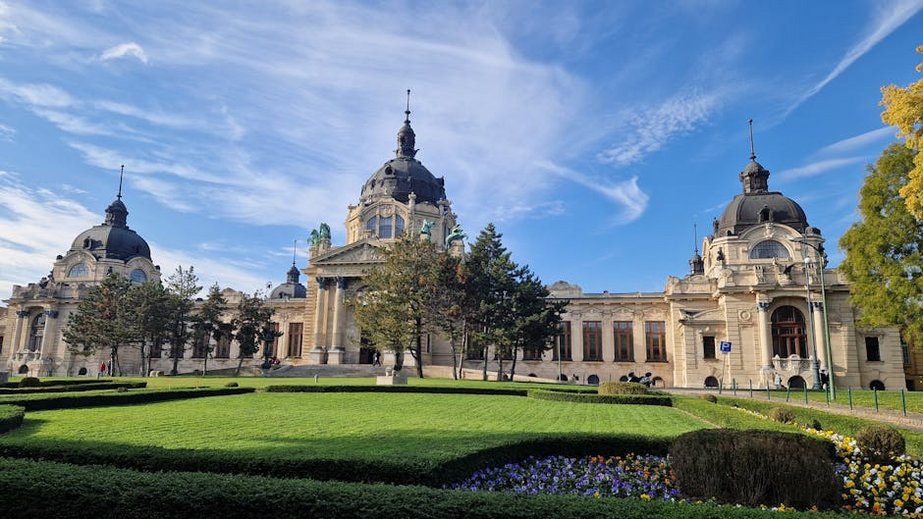
Thermal Bath Experience in Budapest: Relaxation and Culture Combined
Budapest’s thermal bath experience immerses you in centuries-old spa traditions within stunning architectural settings. The city’s natural hot springs feed historic bathhouses offering therapeutic waters and serene atmospheres. This guide covers booking strategies, cultural insights, and health benefits for your visit.
Essential Information about Budapest’s Thermal Baths
Budapest sits on over 100 thermal springs, creating a unique spa culture dating back to Roman times. These mineral-rich waters range from 21°C to 76°C (70°F to 169°F) with varying therapeutic properties. The bathhouses blend Ottoman, Art Nouveau, and modern architectural styles for a visually captivating visit.
History and Cultural Significance
The Romans first built baths here in the 2nd century AD, establishing the area’s spa reputation. Ottoman rule in the 16th century added Turkish-style hammams and dome structures still visible today. The 19th-century Hungarian revival produced grand bath palaces like Széchenyi, symbolizing national pride and wellness.
Thermal bathing remains a daily ritual for many locals, serving as social hubs beyond mere relaxation. These spaces historically treated ailments through doctor-prescribed hydrotherapy sessions funded by the state. Today, they represent a living heritage where tourism and local tradition seamlessly coexist.
Health Benefits of Thermal Waters
Different bathhouses feature waters with distinct mineral compositions targeting specific health conditions. Sulfur-rich springs help with joint inflammation and psoriasis, while calcium-magnesium waters aid circulation. Medical studies show consistent bathing can reduce chronic pain and improve mobility over several weeks.
Before your spa day, understand what your chosen bath’s water treats effectively. Consult your doctor if you have heart conditions or are pregnant, as thermal immersion affects blood pressure. Most facilities offer medical consultations for designing personalized therapeutic bathing schedules.
- Musculoskeletal relief: Warm sulfur waters at Gellért Baths soothe arthritis and rheumatism symptoms within 20-minute sessions.
- Skin condition improvement: Radium content in certain springs at Rudas Baths helps combat eczema and dermatitis through regular soaking.
- Stress reduction: Magnesium in thermal water lowers cortisol levels, promoting mental relaxation and better sleep patterns after evening visits.
- Budget option ($15-$25): Municipal baths like Lukács or Pünkösdfürdő offer basic thermal pools without luxury amenities. Save by visiting on discounted Wednesday evenings or purchasing multi-entry passes valid for ten visits. Bring your own towel, lock, and sandals to avoid rental fees totaling $5-$8.
- Mid-range option ($30-$50): Landmark baths like Széchenyi or Gellért provide full access to indoor/outdoor pools and sauna complexes. This tier includes locker rental and sometimes a cabin for changing, with optional massage treatments starting at $35 extra. Book online for 10-15% discounts unavailable at door ticket counters.
- Luxury option ($70-$120): Premium packages at Rudas or Veli Bej include private cabins, unlimited wellness area access, and signature treatments. Expect champagne massages, private thermal pools, and personalized service with dedicated attendants. These experiences often require reservations 72 hours ahead and include premium robe and slipper rentals.
- Budapest Tourism Office Official Guide
- Lonely Planet Budapest Baths Guide
- Budapest Bath Association Website
Types of Baths and Facilities
Budapest’s bathhouses typically include indoor therapeutic pools, outdoor swimming pools, and various steam rooms. Separate sections for men and women remain in traditional Turkish-style establishments like Király Baths. Modern complexes like Széchenyi provide mixed-gender outdoor pools alongside single-sex indoor thermal areas.
Additional amenities range from classic massage services to innovative beer spa treatments at newer venues. Expect to find cold plunge pools, saunas, and relaxation rooms with loungers at most major locations. Some facilities rent lockers, towels, and swimwear, but bringing your own saves money and ensures comfort.
Planning Your Thermal Bath Experience in Budapest
Your thermal bath experience in Budapest requires strategic timing and ticket selection for optimal enjoyment. Visit on weekdays between October and April for smaller crowds and authentic local atmosphere. Book tickets online through official websites to skip entry lines that exceed 30 minutes during peak summer weekends.
Allocate $40-$80 daily per person for bath entry, treatments, and locker rentals at premium establishments. Budget-conscious travelers can access municipal baths like Lukács for under $20 with basic facilities. Reserve popular spa treatments like thermal massages two weeks ahead, especially for weekend time slots.
Best Time to Visit Budapest Baths
Peak season runs from June through August, with outdoor pools bustling and temperatures reaching 30°C (86°F). These months offer vibrant social scenes but require booking all services 48 hours in advance. Shoulder months of May and September provide pleasant 18-24°C (64-75°F) weather with moderate visitor numbers.
Winter visits between November and February transform baths into steamy oases amid snow, with temperatures dipping to -2°C (28°F). This season offers magical atmospheres but shorter daylight hours of 8-9 hours daily. February hosts the Budapest Winter Festival, combining bath visits with cultural events across the city.
Budget Planning and Costs
Budget categories vary based on bathhouse prestige, included services, and treatment add-ons. Always check official websites for current pricing, as rates increase 5-10% annually.
Essential Preparation Checklist
Pack a swimsuit, flip-flops, and a waterproof bag for wet items after your bathhouse visit. Bring two towels—one for drying and one for sitting on in saunas—as rental towels often cost $3-$5. Consider aqua shoes for mosaic tile floors that become slippery when wet, especially in historic sections.
Carry Hungarian Forints for locker deposits and small purchases, though cards work at main ticket offices. Download the BudapestGO app for public transport directions to bath locations across different districts. Check official websites for temporary closures, as facilities rotate cleaning schedules weekly, particularly on Mondays.
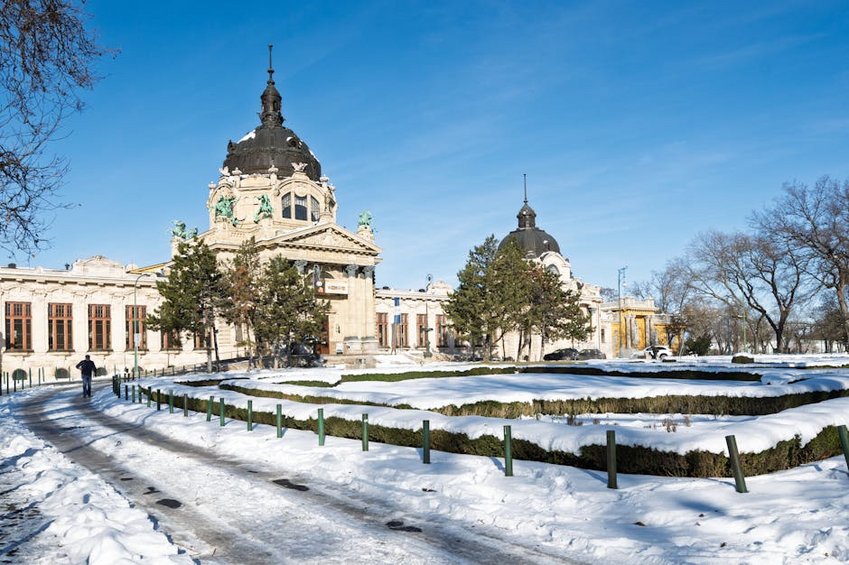
Alt: szechenyi-baths-outdoor-pools-historic-architecture-budapest
Top Bathhouses and Activities
Budapest’s bath scene features iconic establishments alongside hidden neighborhood gems frequented by residents. Each location presents unique architectural styles, water compositions, and atmospheric qualities worth exploring. Combine multiple bath visits to appreciate the variety across the city’s thermal offerings.
Must-See Bathhouses
Széchenyi Thermal Bath dominates City Park with 18 pools, including three outdoor ones operating year-round. Its yellow Neo-Baroque buildings house medicinal waters at 38°C (100°F) ideal for joint therapy. Visit around 6 AM to join the local “chess players” community before tourist crowds arrive by 10 AM.
Gellért Baths showcase spectacular Art Nouveau architecture with stained glass, mosaics, and marble columns since 1918. The thermal water here contains sulfate, calcium, and magnesium, particularly beneficial for spinal issues. Book the wave pool experience for a unique aquatic massage unavailable at other historic locations.
Rudas Baths feature a 16th-century Ottoman dome covering an octagonal pool with water temperatures reaching 42°C (108°F). This establishment maintains separate days for men and women, with mixed bathing only on weekends. Climb to the rooftop pool for panoramic Danube River views, especially stunning at sunset.
Hidden Gems and Local Favorites
Lukács Baths in Buda attract fewer tourists while offering similar therapeutic waters at lower prices. Their drinking hall lets you sample different mineral waters believed to aid digestion and kidney function. The onsite hospital still provides prescribed hydrotherapy, maintaining the location’s medical authenticity.
Király Baths preserve Ottoman architecture with a central dome filtering natural light into the atmospheric main pool. This small bath operates with single-sex days, creating a tranquil environment unlike busier mixed facilities. Find it behind unassuming doors in Buda’s residential neighborhood, requiring precise navigation via GPS.
Veli Bej Bath recently restored its 16th-century Turkish origins with modern wellness additions like an infrared sauna. Locals favor this spot for its peaceful ambiance and lack of large tour groups throughout the week. The bath’s magnesium-rich waters specifically target muscle relaxation after strenuous city exploration.
Spa Treatments and Additional Services
Beyond thermal soaking, most bathhouses offer massage therapies ranging from traditional Hungarian to Asian techniques. A 30-minute Swedish massage typically costs $35-$45, while a 50-minute aromatherapy session runs $55-$65. Book these services upon arrival, as same-day availability depends on therapist schedules and daily capacity.
Unique experiences include beer spa treatments at Széchenyi, where you bathe in warm beer with hops and malt. The Széchenyi Beer Spa charges $75 per person for 45 minutes, including unlimited beer tasting during the session. Other specialties include chocolate massages at Gellért and herbal compress therapies at Rudas Baths’ wellness center.
Practical Travel Information
Budapest’s thermal baths spread across both Buda and Pest sides, connected by efficient public transportation. The city’s BKK network includes metros, trams, and buses reaching all major bathhouse entrances within 30-45 minutes. Purchase a 24-hour travel pass for $7 to move freely between multiple bath locations in one day.
Accommodations near City Park or Gellért Hill provide walking access to several famous baths, saving transit time. For a quieter stay, choose lodging in the Buda hills near Lukács or Király Baths, though restaurants are fewer. Book hotels three months ahead for summer visits, as thermal tourism peaks between June and August.
| Bathhouse | Key Features | Price Range (USD) |
|---|---|---|
| Széchenyi Thermal Bath | 18 pools, outdoor chess, beer spa, Neo-Baroque architecture | $25-$35 |
| Gellért Baths | Art Nouveau design, wave pool, thermal waterfall, central location | $30-$40 |
| Rudas Baths | Ottoman dome, rooftop pool, weekend mixed bathing, panoramic views | $20-$30 |
| Király Baths | Historic Turkish atmosphere, single-sex days, tranquil environment | $15-$20 |
| Lukács Baths | Medical hydrotherapy, drinking hall, local crowd, affordable pricing | $12-$18 |
| Veli Bej Bath | Recently restored, infrared sauna, magnesium-rich water, peaceful | $18-$25 |