Fairy Chimneys in Nevsehir: Discovering Turkey’s Geological Marvel
Turkey’s Cappadocia region is home to one of the planet’s most unique landscapes, centered around the Fairy Chimneys in Nevsehir. These astonishing rock formations, sculpted by millions of years of volcanic activity and erosion, create a scene that feels genuinely otherworldly. This guide provides the essential travel details, from navigating the open-air museums to booking the perfect hot air balloon ride, ensuring you experience this geological wonder to its fullest.
Essential Information on Cappadocia’s Landscape
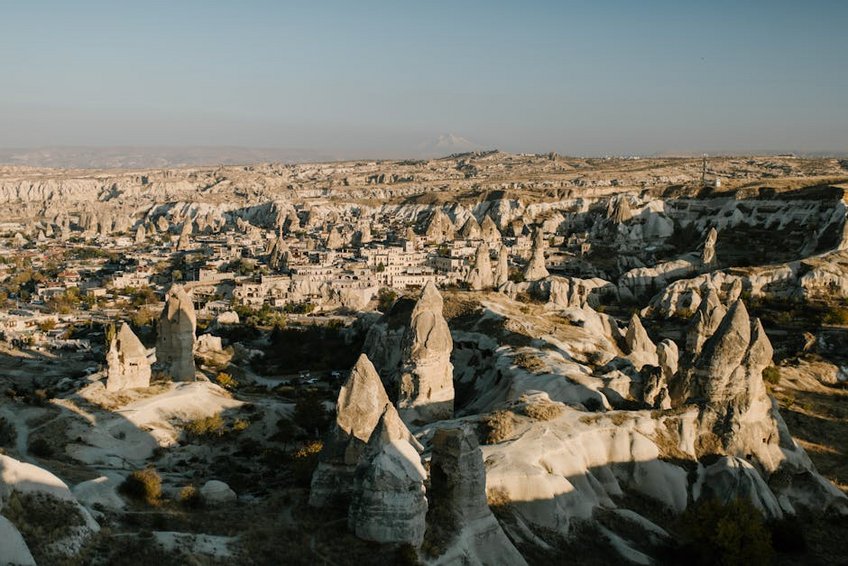
Located in central Turkey, the province of Nevsehir serves as the heart of the historical Cappadocia region. This area spans approximately 5,000 square kilometers, characterized by its soft volcanic rock, known as tuff, which was deposited by ancient eruptions from Mount Erciyes and Mount Hasan. Over eons, wind and water carved the dramatic spires and valleys we see today.
The term “fairy chimney” describes the tall, conical rock formations topped with a harder basalt cap, which protects the softer stone underneath from completely eroding away. This natural process has created an ever-changing landscape that continues to evolve slowly. Recognized as a UNESCO World Heritage site, the region preserves a fragile balance between natural history and human settlement.
Geological Formation and History
The creation of this landscape is a story millions of years in the making.
- Volcanic activity from surrounding mountains deposited layers of ash, which solidified into soft tuff and were later covered by harder lava flows that formed protective caps.
- Erosion from rainfall, snowmelt, and wind over thousands of years sculpted the valleys and isolated the capped pillars, creating the iconic chimney shapes visible today.
- Human history intertwines with this geology, as early inhabitants found the soft rock perfect for carving out homes, churches, and entire underground cities for shelter and defense.
- Budget travelers can manage on $40-60 USD per day by staying in hostel dorms, using public dolmuş transport, eating at local kebab shops, and focusing on free valley hikes. Entrance fees to major sites like Göreme Open-Air Museum add about $10 per day.
- Mid-range visitors spending $100-180 USD daily can enjoy a private room in a cave hotel, rent a car for flexibility, join a guided small-group tour of an underground city, and enjoy sit-down restaurant meals. A hot air balloon ride is the major splurge in this category.
- A luxury experience at $300+ USD per day includes suites in five-star cave hotels, private guided tours with expert historians, gourmet dining, and premium balloon flights with champagne celebrations and longer durations.
- Turkish Ministry of Culture and Tourism
- UNESCO World Heritage Centre: Göreme National Park
UNESCO World Heritage Status
The Göreme National Park and the Rock Sites of Cappadocia were inscribed on the UNESCO list in 1985. This designation protects not only the surreal natural formations but also the incredible rock-cut architecture and Byzantine art found within them. The park encompasses several open-air museums, underground cities, and numerous valleys filled with carved dwellings.
This status ensures conservation efforts are in place, but it also means visiting certain sites requires adherence to specific rules to prevent damage. The most famous concentrations of the chimneys are found in the valleys surrounding the towns of Göreme, Uchisar, and Pasabag, all within Nevsehir province.
Key Valleys and Viewpoints
While chimneys are scattered throughout the region, specific valleys offer the most accessible and impressive views. The Love Valley is famous for its towering, phallic-shaped spires, while Pigeon Valley gets its name from the thousands of dovecotes carved into the cliffs, historically used for collecting fertilizer. The Zelve Open-Air Museum presents a fascinating archaeological site where entire communities once lived within the rock.
For panoramic vistas, the summit of Uchisar Castle, a natural rock fortress, provides a 360-degree view of the entire region. Sunset at this spot, or from the ridge in Red Valley, offers breathtaking colors washing over the stone landscape, a prime moment for photographers.
Alt: “cappadocia-fairy-chimneys-valley-sunrise-hot-air-balloons”
Fairy Chimneys in Nevsehir – Planning Your Trip
Organizing a visit to see the Fairy Chimneys in Nevsehir involves considering season, budget, and your desired activities. The region is a year-round destination, but each season offers a dramatically different experience, from snowy winter wonderlands to hot, dry summers. Your itinerary should balance guided tours for historical insight with ample free time to wander the valleys independently.
Accommodation ranges from budget-friendly hostels in Göreme to luxurious cave hotels with modern amenities carved into the rock itself. Booking these unique stays, especially during peak seasons, requires planning several months in advance. Transportation between sites is most flexible with a rental car, but local tours and dolmuş (shared minibuses) provide reliable alternatives.
Best Time to Visit Cappadocia
Visit Cappadocia between April and June or September and October for the most stable weather and pleasant temperatures. During these spring and autumn months, daytime highs range from 60-75°F (15-24°C), and nights are cool, perfect for exploring. These are also the prime seasons for hot air ballooning, as calm morning winds create ideal flying conditions.
The summer months of July and August can be very hot, with temperatures often exceeding 86°F (30°C), though the dry heat is manageable. Winter, from December to February, is cold with averages of 30-40°F (-1 to 4°C) and occasional snow, which creates a magical, starkly beautiful landscape but may lead to balloon flight cancellations.
Budget Planning and Costs
A trip to Cappadocia can suit various budgets, with daily expenses varying significantly based on your choices.
Essential Preparation Checklist
Packing for Cappadocia requires layers due to significant temperature swings between day and night. Sturdy, broken-in hiking shoes with good grip are non-negotiable for navigating uneven, rocky trails. Bring a daypack with water, sunscreen, a hat, and a light jacket regardless of the season.
Most travelers need an e-Visa for Turkey, easily obtained online before arrival. Travel insurance that covers activity cancellations is wise, especially if you’ve pre-booked a balloon flight. Reserve your cave hotel and balloon tour at least three months in advance for peak season visits, and consider downloading an offline maps app for navigating the valleys.
Top Attractions and Activities
Beyond simply viewing the rock formations, Cappadocia offers immersive experiences that connect you with the land’s history and beauty. The region is a living museum where you can hike through ancient valleys, explore multi-level underground cities, and witness Byzantine frescoes in rock-cut churches. Each activity provides a different perspective on how nature and human ingenuity have shaped this place.
Adventure blends with culture here. You can spend a morning floating silently over the chimneys in a balloon and an afternoon learning about early Christian history in a 10th-century church. Balancing these iconic experiences with quiet exploration of lesser-known valleys is the key to a fulfilling trip.
Must-See Highlights
The Göreme Open-Air Museum is the undisputed cultural heart of the region, a complex of numerous rock-cut churches adorned with vibrant frescoes dating back to the 10th and 11th centuries. Allow at least two hours to explore sites like the Dark Church, which requires a separate ticket but houses the best-preserved paintings. Visit right at opening to avoid the largest tour groups.
The Kaymakli Underground City is one of the deepest and most extensive of the region’s subterranean hideouts, descending eight levels into the earth. Walking through narrow tunnels, ancient storerooms, and wineries offers a humbling glimpse into past communities’ lives. Pair this with a visit to the panoramic viewpoint at Uchisar Castle for a full day of contrasting perspectives.
Hidden Gems and Local Favorites
For a quieter experience away from the main tourist trails, head to the Ihlara Valley. This 14-kilometer-long canyon features a river running through it and over a hundred rock-cut churches along its walls. It’s a fantastic place for a long, scenic hike that combines natural beauty with historical sites, ending at the Belisırma village for a riverside lunch.
The Çavuşin village offers an alternative to the busy Göreme Open-Air Museum. Here, you can explore the old rock-cut Church of St. John the Baptist and wander through an abandoned old village built into a massive rock face. The nearby Red Valley is also less crowded than Love or Rose Valley and provides spectacular sunset views over the red-and-ochre-striped cliffs.
Hot Air Ballooning Over the Valleys
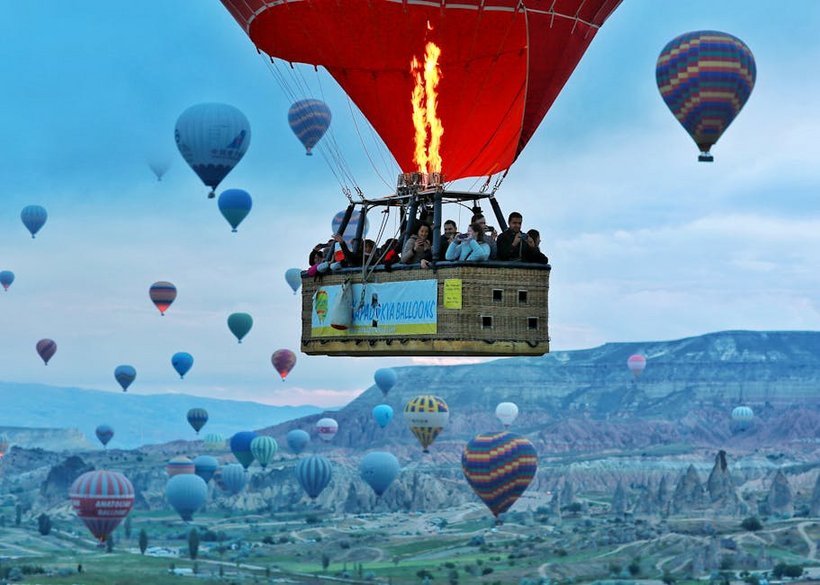
A sunrise hot air balloon flight is the iconic Cappadocia experience, offering a bird’s-eye view of the chimneys and valleys as the first light paints them in golden hues. Flights typically last 60 to 90 minutes and are operated by numerous companies with strict safety standards. Booking with a reputable operator is crucial for safety and a quality experience.
Be prepared for very early morning pickups, often before dawn. Flights are highly weather-dependent and can be cancelled for wind or rain, with operators usually offering a reschedule or refund. The post-flight celebration with a champagne toast and certificate is a standard and delightful conclusion to the adventure.
Practical Travel Information
Navigating Cappadocia requires understanding the local transport network and accommodation styles. The main hub for tourists is Göreme, which has the highest concentration of hotels, restaurants, and tour agencies. The nearby towns of Uchisar, Urgup, and Ortahisar offer quieter alternatives, often with more upscale cave hotels and equally stunning views of the rock formations.
While many attractions are within walking distance of Göreme, the region’s vastness makes some form of transport necessary for a comprehensive visit. Options range from rental cars for ultimate freedom to organized tours that handle all logistics. The table below compares the primary methods for getting around the valleys and sites.
| Transport Method | Key Features & Best For | Daily Cost Range (USD) |
|---|---|---|
| Rental Car | Maximum flexibility, exploring remote valleys, families or groups. Requires international license. | $40 – $80 |
| Local Guided Tours | Stress-free, includes expert commentary, covers major sites like underground cities and open-air museums. | $30 – $60 per person |
| Dolmuş (Minibus) | Very affordable, connects main towns (Göreme, Urgup, Avanos), no set schedule—leaves when full. | $1 – $3 per ride |
| Private Driver/Taxi | Customizable full-day itineraries, comfort and convenience, ideal for those with limited time. | $80 – $150 for 8 hours |