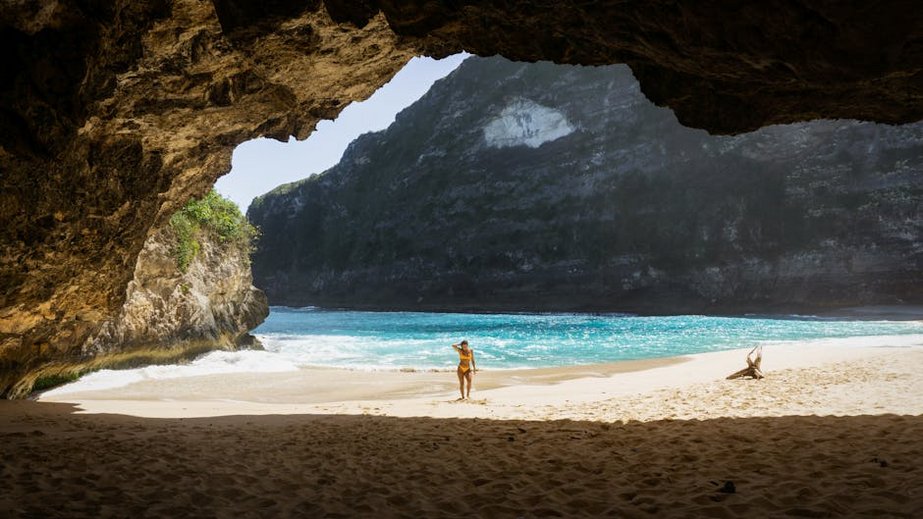
Discover Mugla’s Secret Coves: A Coastal Explorer’s Guide
Turkey’s Turquoise Coast presents over 1,200 kilometers of stunning shoreline, with Mugla province holding its most precious secrets. Finding hidden coves in Mugla offers a unique escape from crowded resorts, revealing intimate beaches with crystalline water and dramatic cliff backdrops. This guide details access points, seasonal timing, and local insights for your secluded coastal adventure, ensuring you experience the authentic Aegean and Mediterranean beauty.
Mugla’s Coastal Geography and History
Mugla’s coastline is a complex tapestry of peninsulas, deep bays, and sheltered inlets carved over millennia. The region’s unique geology, featuring limestone karst formations, has created countless small bays accessible only by sea or rugged footpaths. This natural architecture provided perfect hiding spots for ancient traders and later for Ottoman ships, adding historical intrigue to every secluded beach you discover today.
From the Datca Peninsula stretching toward the Greek island of Symi to the deep cuts of the Gokova Gulf, each area offers a different character. The contrast between the pine-forested northern shores near Bodrum and the stark, dramatic cliffs south of Marmaris defines your exploration. Understanding these micro-regions helps you choose the perfect secluded spot matching your ideal landscape.
Key Regions for Secluded Exploration
Your search should focus on these distinct coastal areas within Mugla.
- Datca Peninsula: A 70-kilometer finger of land with remote beaches like Hayitbuku and coves only reachable by boat, featuring sheltered waters and ancient ruins nearby.
- Gokova Gulf: A massive, Y-shaped inlet with dozens of secret bays along its southern shore, including the famous Cleopatra Island and lesser-known spots like Kargi Cove.
- Hisaronu Gulf: Southwest of Marmaris, this area boasts sheltered inlets like Orhaniye and Selimiye, where pine forests meet the sea in serene, protected settings.
- Bodrum Peninsula: Beyond the city’s glamour, the southern coast near Gumusluk and Turkbuku hides small, rocky coves with excellent snorkeling conditions.
- Budget Explorer ($50-80/day): Rent a compact car ($30/day), hike to free coastal access points, pack picnics, and use public dolmus buses between towns. Occasional water taxi rides cost $10-20 per trip for reaching offshore islands or coves.
- Mid-Range Adventurer ($100-200/day): Charter a small private boat with captain for half-day explorations ($150-250 split between 4), stay in mid-range boutique hotels in Datca or Bozburun, and enjoy dinners at local fish restaurants. This offers the best balance of comfort and authentic access.
- Luxury Cruiser ($300+/day): Book a private gulet yacht for multi-day blue voyages focusing on secluded anchorages, with a crew handling all meals and logistics. Stay in high-end waterfront villas with private beach access. This provides effortless discovery of the region’s most exclusive spots.
- GoTurkiye – Official Tourism Portal of Turkey
- Lonely Planet – Mugla and the Aegean Coast Travel Guide
Understanding Access and Preservation
Many of Mugla’s most beautiful secluded spots lack road access entirely. This intentional preservation protects the coastline from overdevelopment and maintains its wild character. Reaching these beaches often requires a short hike, a kayak trip, or hiring a local fisherman for a boat transfer, which becomes part of the adventure itself.
Local environmental initiatives actively work to keep these areas pristine. You’ll notice an absence of facilities, which means practicing ‘leave no trace’ principles is non-negotiable. Carrying out all waste, respecting marine life, and using reef-safe sunscreen are essential steps for every responsible visitor exploring these fragile ecosystems.
Historical Significance of the Coastline
This coast was a vital corridor for Lycian, Carian, and Roman civilizations. Watch for ancient harbor ruins or submerged artifacts while snorkeling in clear, shallow bays. The Knights of Saint John later used hidden inlets for shelter, adding a layer of medieval history to the landscape. These layers of human history make finding a quiet cove feel like a personal archaeological discovery.
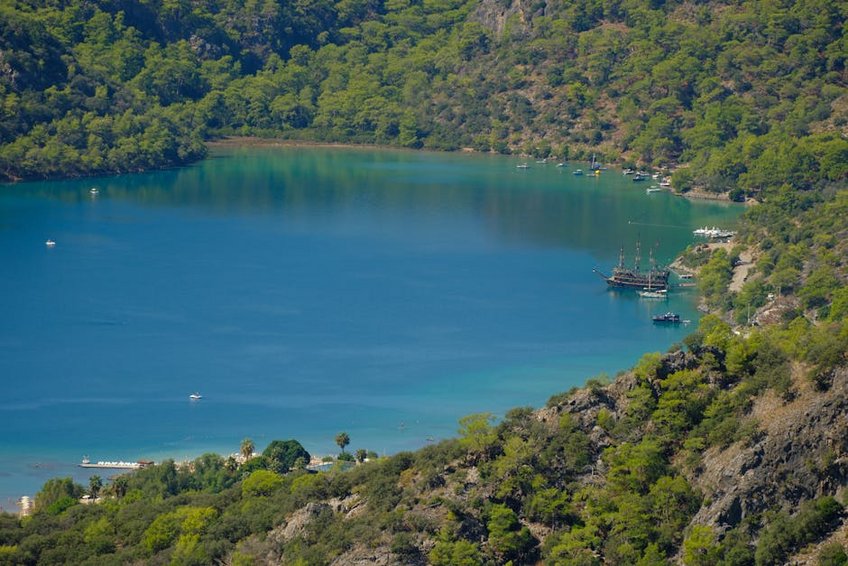
Alt: “datca-peninsula-secluded-cove-turquoise-aegean-sea”
Hidden Coves in Mugla – Planning Your Trip
Successfully discovering hidden coves in Mugla requires strategic timing and preparation. The summer months from June to September offer the warmest water for swimming, but also bring the largest crowds to popular access points. For a more solitary experience, target the shoulder seasons of May or late September through October, when temperatures remain pleasant and the summer rush has subsided.
Your transportation choice defines your adventure. Renting a car provides flexibility for reaching trailheads near places like Akyaka or Bozburun. For true exploration, however, consider a bareboat charter or hiring a local gulet for a day to access coves completely invisible from land. Combining both methods often yields the best results, allowing you to scout by sea and return to favorites by land.
Budget between $50 and $150 per day for a self-guided adventure, covering car rental, simple lunches, and occasional boat transfers. Guided boat tours focusing on secluded spots range from $80 to $200 per person for a full-day excursion, including lunch and snorkeling gear. Remember that the most pristine locations have no vendors, so pack ample water, snacks, and sun protection.
Best Time to Visit for Seclusion and Swimming
Visit Mugla’s coastline between mid-May and mid-June for optimal conditions balancing warmth and solitude. Air temperatures hover between 75-85°F (24-29°C), and sea temperatures reach a refreshing 70-75°F (21-24°C). Crowds are minimal before European school holidays begin, and wildflowers still bloom along coastal paths, enhancing the scenic beauty of your hikes to remote beaches.
Late September through October presents another excellent window, with sea temperatures retaining summer warmth at 77-82°F (25-28°C) and air temperatures cooling to a comfortable 80-75°F (27-24°C). The summer haze clears, offering spectacular visibility for photography and snorkeling. This period also sees fewer daily boats touring the coastline, increasing your chances of having a bay all to yourself.
Budget Planning and Costs
Your daily budget varies significantly based on your chosen access method.
Essential Preparation Checklist
Pack sturdy, water-friendly hiking sandals like Keens or Tevas for rocky trails and pebble beaches. Bring a high-SPF, reef-safe sunscreen, a wide-brimmed hat, and a UV-protection long-sleeve shirt for sun safety. A dry bag for your electronics, a waterproof phone case, and a quality cooler bag for picnics are indispensable for a full day exploring remote shores.
Essential documentation includes a valid passport, an International Driving Permit if renting a car, and comprehensive travel insurance covering water activities. Download offline maps on Maps.me or Google Maps for trail navigation where cellular service is unreliable. Book your initial accommodations and any major boat charters at least two months in advance for peak season travel.
Top Secluded Coves and How to Reach Them
Beyond the famous beaches, Mugla’s coastline conceals gems requiring extra effort to find. These spots reward travelers with serene swimming conditions, outstanding natural beauty, and a genuine sense of discovery. Each cove has its own personality, from sandy crescents to dramatic rock amphitheaters, ensuring your exploration never feels repetitive.
Access methods vary from well-marked forest trails to unmarked paths known only to locals. Engaging with fishermen in small villages like Sogut or Orhaniye can yield valuable tips and even spontaneous boat rides to their favorite secret spots. Always verify current access conditions, as trail status can change after winter storms.
Must-See Hidden Coves
Kargi Cove, on the southern Gokova Gulf, features a perfect semicircle of pebble beach framed by towering pine forests. Reach it via a steep 20-minute hike from the main Marmaris-Datca road, or by boat from Akyaka. There are no facilities, so bring everything you need for the day. The water here is exceptionally clear, making it ideal for snorkeling around the rocky edges.
Hayitbuku, on the Datca Peninsula, offers a more developed yet still remote feeling with a few small pensions and a restaurant serving fresh fish. The cove itself has a long, sandy beach protected by a natural breakwater. Access is by car via a winding road from Datca town, taking about 40 minutes. It remains blissfully quiet compared to the peninsula’s better-known beaches.
Kizilkuyruk Cove near Bozburun is accessible only by sea, making it a true hideaway. Local boat tours from Bozburun harbor include it on their itineraries, or you can rent a kayak and paddle from nearby Serce Harbor. The cove’s name means “red tail,” inspired by the stunning colors of the surrounding cliffs at sunset, a spectacular sight best enjoyed from the water.
Local Favorites and Insider Tips
In the Hisaronu Gulf, ask locals in Orhaniye about “Kizkumu,” a unique sandbar you can walk across to a small island. Arrive early morning to have it to yourself before daily tour boats arrive around 11 a.m. The nearby “Keci Bay” (Goat Bay) requires a 30-minute hike but offers complete solitude and excellent snorkeling around its rocky outcrops.
Near Bodrum, locals favor the small coves between Gumusluk and Yalikavak, accessible via footpaths from the main coastal road. “Aquarium Bay” lives up to its name with incredible underwater visibility. For a small fee, you can use the sunbed facilities of a cliffside restaurant, which provides ladder access directly into the deep, clear water—a perfect compromise between comfort and seclusion.
Snorkeling and Nature Exploration
The protected waters of these secluded bays create ideal snorkeling environments. You’ll commonly spot damselfish, sea bream, and octopus in the rocky shallows. In areas with posidonia seagrass meadows, look for sea turtles feeding during early morning hours. Always maintain a respectful distance from all marine life and avoid touching corals or standing on seagrass beds to protect the delicate ecosystem.
Beyond the water, coastal paths are rich with maquis shrubland flora like wild oregano, thyme, and lavender. Spring brings brilliant red poppies and yellow broom flowers. Birdwatchers may spot Audouin’s gulls, kingfishers, and the occasional peregrine falcon hunting along the cliff faces. Carry a small pair of binoculars to fully appreciate the land-based natural wonders.
Practical Travel Information for Mugla
Navigating Mugla’s coastline requires understanding the local transportation network. While main towns like Marmaris, Bodrum, and Fethiye have frequent dolmus (shared minibus) connections, reaching remote trailheads often necessitates a rental car. Consider basing yourself in smaller hubs like Datca, Akyaka, or Bozburun, which provide easier access to secluded areas while still offering essential services.
Accommodation ranges from simple guesthouses in fishing villages to luxury boutique hotels with private beach clubs. For authentic access, choose family-run pensions in coastal villages where owners can share invaluable local knowledge about hidden spots. Booking.com and Airbnb offer the widest selection, but for the best small pensions, sometimes a direct phone call yields better rates and availability.
| Accommodation Type | Best For | Price Range/Night (USD) |
|---|---|---|
| Village Pension | Budget travelers, local interaction, basic comfort | $40 – $70 |
| Boutique Hotel | Mid-range comfort, style, personalized service | $100 – $200 |
| Private Villa | Families/groups, privacy, self-catering, direct sea access | $250 – $600+ |
| Gulet Cabin Cruise | Multi-day exploration, visiting multiple coves, all-inclusive | $150 – $400 per person/day |