Cultural and Historical Routes in Antalya: Traverse Millennia on the Turkish Riviera
Antalya offers an unparalleled journey through time, where ancient ruins, Ottoman architecture, and living traditions coexist with stunning Mediterranean beaches. Exploring the cultural and historical routes in Antalya lets you walk the same streets as Roman emperors, marvel at Byzantine mosaics, and discover hidden caravanserais, all within a single region. This guide provides detailed itineraries, seasonal advice, and local insights to help you experience the depth of Turkey’s Turquoise Coast.
Antalya’s Heritage: A Crossroads of Civilizations
Antalya’s location on the Mediterranean made it a prized possession for successive empires, each leaving a distinct mark on its landscape and culture. From the Lycians and their cliff-cut tombs to the Romans with their grand theaters, the layers of history are astonishingly well-preserved. The region serves as an open-air museum, where you can trace the footsteps of Saint Paul and see the harbor used by Crusaders.
Core Historical Periods and Their Legacies
Understanding the timeline enriches every site visit. The legacy of each civilization is visible in distinct architectural styles and artifacts.
- Lycian Era (15th-4th centuries BC): Independent city-states left elaborate rock tombs, like those in Myra, and the unique Lycian Way hiking trail, one of the world’s top long-distance paths.
- Hellenistic & Roman Period (2nd century BC – 4th century AD): This era gifted Antalya with monumental structures, including the awe-inspiring Aspendos Theatre with near-perfect acoustics and the colonnaded streets of Perge.
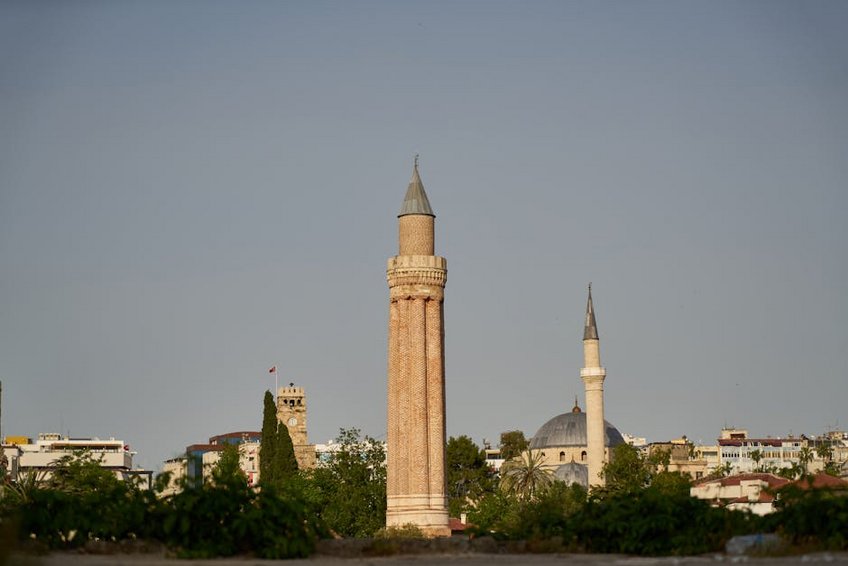
- Byzantine & Seljuk Rule (4th – 13th centuries AD): Byzantine churches with intricate floor mosaics, such as those in Side, transitioned into Seljuk architecture featuring intricately carved minarets and the iconic fluted minaret of Yivli Minare Mosque in Kaleiçi.
- Budget Traveler ($40-60/day): Stay in hostels or guesthouses, use local buses (dolmuş) for transport, self-cater or eat at local lokantas, and purchase a museum pass for multi-site entry. Focus on free walking tours in Kaleiçi and public beaches.
- Mid-Range Traveler ($80-150/day): This allows for comfortable boutique hotels in Kaleiçi, a rental car for 2-3 days, restaurant meals, guided tours for key sites like Perge, and entrance to all major archaeological parks.
- Luxury Traveler ($250+/day): Stay in 5-star resorts or historical manor houses, hire a private driver-guide for multi-day itineraries, enjoy fine dining with sea views, and arrange exclusive access or photography sessions at sites outside public hours.
- Republic of Turkey Ministry of Culture and Tourism – Antalya
- UNESCO World Heritage Centre – Xanthos-Letoon
- The Culture Route – Historical Travel Guides
Geography of the Antalya Region
The province stretches from the Taurus Mountains down to the sea, creating diverse microclimates and settlement patterns. Ancient cities were strategically built at river mouths or on defensible hillsides. This terrain means your exploration will involve scenic drives along the coast, ascents into pine-forested highlands, and walks through fertile plains dotted with ruins.
Modern Antalya city, with its preserved old quarter of Kaleiçi, is the ideal base. Key archaeological zones are concentrated east and west along the coast, reachable within a 1-2 hour drive. The Lycian Way long-distance trail offers a immersive, slow-travel alternative for dedicated hikers.
Cultural Significance and UNESCO Recognition
Antalya’s historical value is globally recognized. The archaeological site of Xanthos-Letoon is a UNESCO World Heritage site, representing the fusion of Lycian traditions with Hellenistic influence. Aspendos Theatre is a protected monument of exceptional preservation, still hosting annual performance festivals. These designations ensure conservation efforts and highlight the region’s importance in human history.
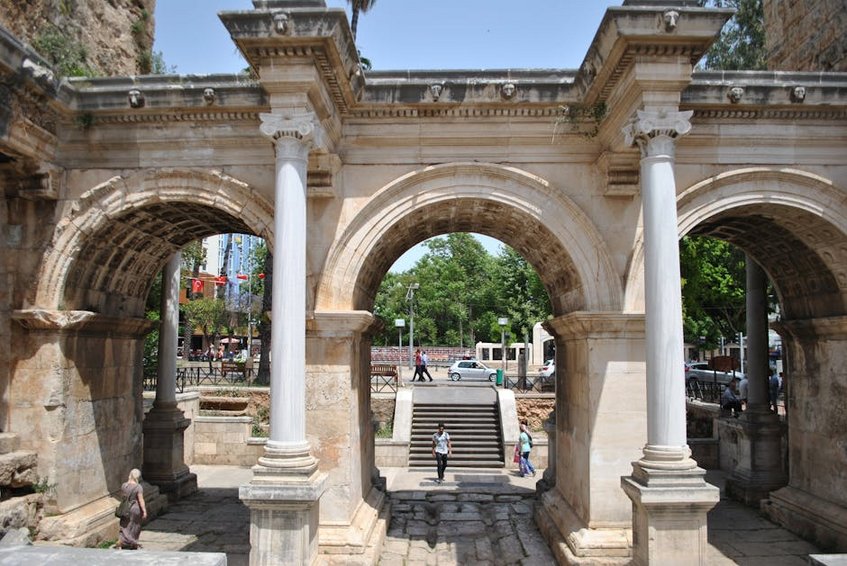
Alt: “antalya-kaleici-old-harbor-ottoman-houses-mediterranean”
Cultural and Historical Routes in Antalya – Planning Your Trip
Designing your heritage exploration requires balancing site visits with logistical reality. Distances between major ruins can be significant, and the summer heat is intense. A successful trip hinges on choosing a thematic focus—whether Roman theaters, Lycian tombs, or Ottoman lore—and building your route accordingly. Prioritize your must-see list and allow for leisurely discovery in the winding streets of old towns.
Budget considerations vary widely. Entrance fees to major sites range from $5-$15 USD. Hiring a knowledgeable private guide for a day (approx. $80-$120 USD) can dramatically enhance your understanding. Renting a car offers the most flexibility for reaching remote sites, though reliable guided tours are available from the city center.
Best Time to Visit for Historical Exploration
The optimal months for exploring Antalya’s outdoor ruins are April-May and September-October. During these shoulder seasons, daytime temperatures range from a pleasant 68-82°F (20-28°C), making extensive walking comfortable. Crowds are thinner, and the landscape is green in spring or golden in autumn.
Summer (June-August) sees highs of 95°F (35°C) or more, demanding early morning site visits. Many cultural festivals, like the Aspendos Opera and Ballet Festival, occur in June and September. Winter is mild (50-60°F / 10-15°C) and rainy, but offers the chance to have major sites nearly to yourself.
Budget Planning and Costs
Your daily budget shapes the experience. Costs are per person, excluding international flights.
Essential Preparation Checklist
Pack for variable conditions and active days. Sturdy, broken-in walking shoes are non-negotiable for uneven stone paths. Bring a sun hat, high-SPF sunscreen, a reusable water bottle, and a lightweight scarf for visiting mosques. A power bank for your phone and a European (Type C/F) power adapter are essential.
Digitally, download offline maps and translation apps. Physically, carry small bills of Turkish Lira for entrance fees and rural vendors. EU and US passport holders typically receive a 90-day tourist visa on arrival (e-Visa recommended). Ensure your travel insurance covers medical evacuation and activities like hiking.
Top Historical Routes and Archaeological Sites
Beyond the city, the Antalya region is a constellation of ancient cities. The most efficient approach is to follow coastal clusters. The “Archaeological East” route covers Perge, Aspendos, and Side. The “Lycian West” route leads to Phaselis, Olympos, and the Myra ruins. Each cluster can be thoroughly explored in a full day from Antalya, with time for swimming breaks at nearby beaches.
These sites are not mere piles of stone; they are complete cities with agoras, baths, temples, and necropolises. At Perge, you can visualize daily life walking its colonnaded main street. At Aspendos, the sheer scale of the theater highlights Roman engineering prowess. Allow at least 2-3 hours per major site to appreciate its scope.
Must-See Highlights: The Great Theaters and Cities
Aspendos Theatre: The best-preserved Roman theater in the world, with a capacity for 15,000. Its remarkable acoustics allow a whisper on stage to be heard in the top rows. Visit in the late afternoon for the best light on its magnificent façade. Entry is about $10 USD.
Perge: A sprawling Hellenistic and Roman city featuring a stunning stadium, a long colonnaded street, elaborate bath complexes, and well-preserved city gates. It provides the most complete picture of urban planning from that era. Allocate a minimum of three hours here.
Myra (& Demre): Famous for its dramatic cliff-face Lycian rock tombs and the larger-than-life Roman theater. Nearby is the Church of St. Nicholas (the original Santa Claus), an important Byzantine pilgrimage site. Combining these makes for a full day trip south of Antalya.
Hidden Gems and Local Favorites
Venture slightly off the main tourist trail for equally impressive but quieter experiences. Termessos is an eagle’s nest city high in the Taurus Mountains, requiring a hike to reach its ruins scattered among wild pine forests. Its isolation helped it repel even Alexander the Great.
Alanya Castle and the Red Tower (Kızıl Kule) offer a spectacular blend of Seljuk military architecture and panoramic views. The castle town within its walls is a living community with cafes and shops. For a unique underwater history, the Uluburun Shipwreck artifacts in the Bodrum Museum (a 3-hour drive) showcase Bronze Age trade, though replicas are sometimes displayed in Antalya.
Walking the Lycian Way Sections
The Lycian Way is a 540-km (335-mile) marked footpath along the coast. You don’t need to hike it all. Accessible day sections near Antalya offer incredible history paired with scenery. The path from Cirali beach to the eternal flames of the Chimaera passes the ruins of Olympos. Another rewarding section connects the coastal villages of Kaş and Kalkan, winding past Lycian tombs. Always carry ample water, a hat, and a good map.
Practical Travel Information and Logistics
Navigating Antalya is straightforward with a little planning. Antalya Airport (AYT) is the main international gateway, with direct flights from many European cities and connections via Istanbul. The city’s public bus system is efficient, and the nostalgic tram connects the old town with the museum and Konyaaltı Beach. For maximum freedom to explore archaeological sites at your own pace, a rental car is highly recommended.
Accommodation spans from backpacker hostels in Kaleiçi to all-inclusive resorts in Lara Beach. For a truly immersive historical experience, choose a restored Ottoman house in the old town. Booking.com and local boutique hotel websites are the best resources. Reserve well in advance for travel during peak festival seasons or in the popular spring and autumn months.
| Category | Options/Features | Price Range (USD) |
|---|---|---|
| Budget Accommodation | Hostels, basic pensions in Kaleiçi; shared bathroom, central location | $20-40/night |
| Mid-Range Hotels | Boutique hotels in Ottoman houses; private bath, breakfast, character | $70-120/night |
| Luxury Stays | 5-star beach resorts, historical manor houses with pools, spa, fine dining | $180-400+/night |
| Car Rental (Compact) | Unlimited mileage, automatic transmission, insurance; essential for sites | $30-50/day |