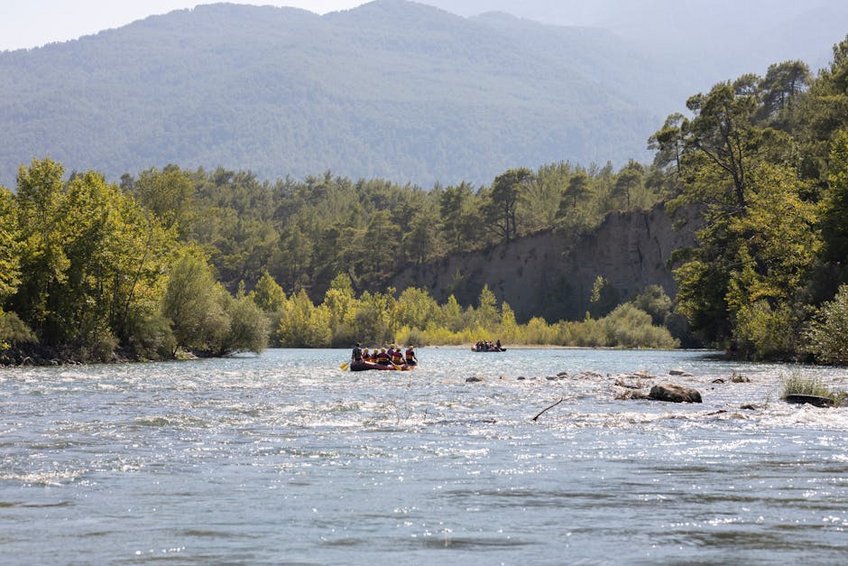
Rafting Routes in Turkey: Your Guide to White Water Adventures
Turkey offers a diverse and thrilling landscape for rafting enthusiasts, combining dramatic canyons, ancient rivers, and warm Mediterranean waters. The country’s unique geography provides everything from gentle family-friendly floats to expert-class rapids, making it a premier destination for water sports. This guide details the major rafting routes in Turkey, providing essential information on seasons, difficulty levels, and practical tips for planning your adventure.
Essential Information on Turkish Rafting
White water rafting in Turkey has grown into a well-organized tourism activity, centered around several key rivers fed by mountain snowmelt and natural springs. The season typically runs from late April through early October, with peak water flows in May and June. Operators are regulated for safety, providing modern equipment and certified guides who often speak English, catering well to international visitors.
Different regions offer distinct experiences. The northeast provides powerful, continuous rapids in a remote alpine setting, while the southwest features scenic canyon floats amidst Roman ruins. Understanding these regional differences is key to choosing the right trip for your skill level and desired experience, ensuring a memorable journey down these historic waterways.
Understanding the River Classifications
Turkish rivers are graded using the international scale of I to VI. Knowing these classes helps you match a route to your experience.
- Class II-III (Novice/Intermediate): Features straightforward rapids with wide, clear channels. The Dalaman and Manavgat Rivers are perfect examples, ideal for first-timers and families, requiring only basic paddling instruction.
- Class III-IV (Intermediate/Advanced): Includes numerous rapids with moderate to high irregular waves. The famous Köprülü Canyon section of the Köprüçay River falls here, demanding good physical condition and the ability to follow precise commands from your guide.
- Class IV-V (Advanced): Consists of long, difficult stretches of white water with complex routes. The mighty Çoruh River in the Kaçkar Mountains is renowned for this, suitable only for those with proven rafting experience and strong swimming skills.
- Budget Day Trip ($30-$50): Covers a half-day rafting experience on rivers like the Dalaman or Manavgat. Includes basic gear, transport from a local meeting point, and a simple lunch. Ideal for first-timers or families on a tight schedule.
- Mid-Range Experience ($60-$120): Encompasses a full-day trip on premier routes like Köprülü Canyon. Includes higher-quality gear, professional guiding, photos/videos, lunch, and hotel pickup from nearby resorts like Antalya or Belek. Represents the best value for most travelers.
- Luxury/Expedition Package ($200-$600+): For multi-day adventures on the Çoruh River. Includes all meals, camping or basic lodge accommodation, comprehensive safety support, and transport from major cities like Erzurum. Designed for serious enthusiasts seeking a remote wilderness challenge.
- GoTürkiye: The Official Tourism Portal of Turkey
- Turkish Rafting Federation (Official Site)
Key Regions for White Water
Turkey’s rafting hubs are spread across the country. The Mediterranean region, particularly Antalya province, is the most accessible and popular. Here, rivers like the Köprüçay and Dalaman flow through stunning canyons with Roman-era bridges and warm water. This area is perfect for combining a rafting day trip with a beach holiday.
Meanwhile, the northeastern region near Artvin offers a completely different adventure. The Çoruh River is one of the fastest-flowing in the world, carving through the rugged, green peaks of the Kaçkar Mountains. This area provides a more remote and physically demanding expedition-style experience, far from the coastal tourist centers.
Climate and Seasonal Considerations
Water levels and weather are crucial for rafting. The spring melt from the Taurus and Kaçkar mountains creates high, fast, and cold water from May to June. This period offers the most exciting rapids. Air temperatures during these months range from 59-77°F (15-25°C), while river water can be a brisk 50-59°F (10-15°C).
Summer, from July to September, sees lower, warmer, and more predictable water levels. Air temperatures soar to 86-95°F (30-35°C), and the water becomes much more comfortable. This is the best time for beginners and those who want to combine rafting with swimming in calm sections. Always check with local operators for current conditions before booking.
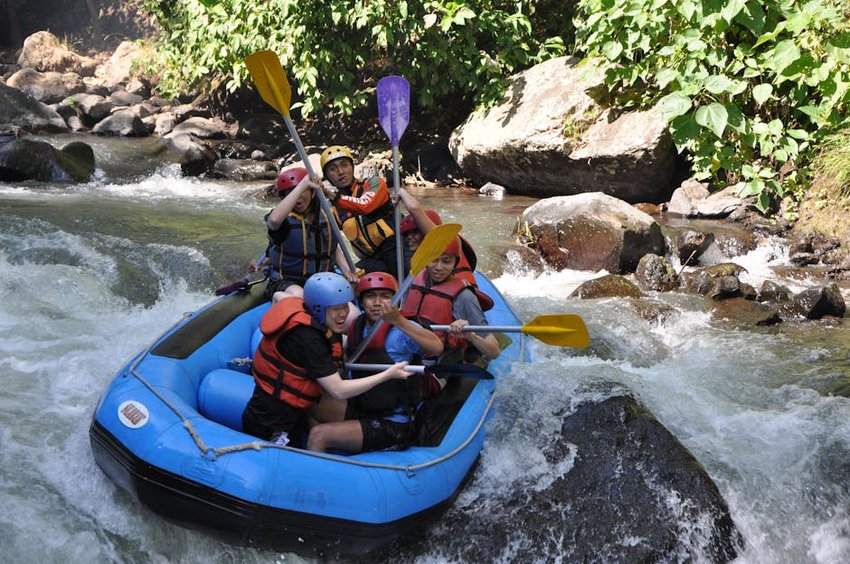
Alt: “köprülü-canyon-turkey-rafting-boats-clear-water”
Rafting Routes in Turkey – Planning Your Trip
Selecting the right rafting routes in Turkey depends on your skill level, trip duration, and desired scenery. A well-planned trip ensures safety and maximizes enjoyment. Most commercial trips include all necessary gear: helmet, life jacket, paddle, and wetsuit if needed. You only need to bring swimwear, secure footwear, and a sense of adventure.
Booking is straightforward through licensed tour companies, often available via hotel concierges or online platforms. For popular routes like Köprülü Canyon, you can often book a day trip from Antalya or Side. For expeditions on the Çoruh, multi-day packages including transport, meals, and camping are the norm. Always verify the operator’s safety certifications.
Best Time to Visit for Rafting
The optimal rafting season runs from May to September. Peak water flow occurs in May and June, offering the most powerful and exciting rapids, particularly on the Çoruh River. During these months, daytime air temperatures are pleasant, ranging from 65-80°F (18-27°C), though water remains cold from snowmelt.
July and August provide the warmest conditions for swimming, with air temps reaching 90°F (32°C) and water warming significantly. This is the busiest tourist period. September offers a great balance of comfortable weather, smaller crowds, and still-reliable water levels, making it an excellent choice for a late-season adventure on the Mediterranean routes.
Budget Planning and Costs
Costs vary significantly based on the river, trip length, and included services.
Essential Preparation Checklist
Packing correctly is key for comfort and safety. Essential items include a swimsuit or quick-dry shorts, a synthetic or wool t-shirt (cotton gets cold when wet), secure water shoes or old sneakers, sunscreen, and a towel. For spring trips, a change of warm clothes is crucial for after the cold river run. Operators provide helmets and life jackets.
Logistically, ensure you have travel insurance covering adventure sports. No special visa is needed for US or EU passport holders for stays under 90 days. Book your rafting trip at least a few days in advance during peak season. While no extreme fitness is required for Class II-III routes, a basic level of swimming ability and general health is expected by all operators.
Top Rafting Rivers and Their Highlights
Turkey’s rivers each offer a distinct character and challenge. From the world-class rapids of the northeast to the sun-drenched canyons of the south, there’s a route for every paddler. The following sections break down the most popular and noteworthy destinations for white water adventures across the country.
Accessibility varies. The Mediterranean routes are easy day trips from major tourist centers, complete with infrastructure and English-speaking guides. The eastern routes require more travel time and commitment but reward with unparalleled wilderness scenery and adrenaline-pumping rapids. Consider your travel itinerary when choosing your river.
Must-See Highlights: The Major Rivers
The Köprüçay River through Köprülü Canyon is Turkey’s most famous rafting destination. The 14 km route passes under a 2,000-year-old Roman bridge and through a stunning national park. Rapids like “The Rollercoaster” provide consistent Class III fun. Trips typically launch from the town of Beşkonak, with many operators based there.
The Çoruh River is a global highlight for advanced rafters. Often called “the fastest river in Turkey,” its sections like the 35 km İspir to Bayburt run feature continuous Class IV-V rapids like “The Maze” and “Labyrinth.” The journey is as much about the remote, majestic mountain scenery as the white water itself. Multi-day expeditions are the only way to fully experience it.
The Dalaman River offers a fantastic mix for all levels. Its upper sections near Köyceğiz provide exciting Class III-IV rapids, while the lower sections calm to a gentle Class II float, perfect for wildlife spotting and family groups. The river flows through beautiful pine forests, often with opportunities to jump from rocks into deep pools.
Hidden Gems and Local Favorites
Beyond the famous names, Turkey has lesser-known gems. The Melen River in Düzce Province, northwest Turkey, features clear water and consistent rapids up to Class IV, yet sees far fewer commercial groups. It’s a favorite among local rafting clubs seeking a scenic and challenging day trip from Istanbul, roughly a 3-hour drive away.
The Fırtına (Storm) River in the lush Kaçkar Mountains near Rize is another spectacular option. While known for trekking, its upper reaches offer technical and exciting white water amidst a breathtaking landscape of tea plantations and medieval stone bridges. Local operators are smaller here, offering a more intimate experience.
Family-Friendly Rafting Options
For families with younger children or those seeking a relaxing float, several routes are ideal. The Manavgat River, flowing from the Taurus Mountains to the sea near Side, is predominantly calm Class I-II water. Trips focus on scenery, swimming, and sometimes include a visit to the Manavgat Waterfall, making for a pleasant half-day activity.
The lower sections of the Dalaman River and certain parts of the Köprüçay offer “scenic rafting” options. These are shorter, gentler trips that prioritize enjoying the stunning canyon views, historical sites, and warm water. Most operators have age limits (usually 6 or 7 years and up) and provide well-fitted children’s safety equipment.
Practical Travel Information for Rafters
Getting to and around Turkey’s rafting hubs is straightforward. The Mediterranean region is best accessed via Antalya Airport (AYT), a major international hub. For the Çoruh River, you’ll fly into either Erzurum Airport (ERZ) or Trabzon Airport (TZX) and then take a long transfer by road. Renting a car provides flexibility, especially for exploring multiple rivers.
Accommodation ranges from basic riverside camps to luxury resorts. Near Köprülü Canyon, simple pensions in Beşkonak offer direct access to operators. In Antalya, you’ll find every type of hotel. For the Çoruh, expeditions typically include camping, but simple guesthouses are available in towns like İspir. Booking.com and local operator websites are the best resources.
| River Region | Best For & Key Features | Price Range (Full Day) |
|---|---|---|
| Köprülü Canyon (Antalya) | Most popular; Roman bridge scenery; reliable Class III rapids; easy access. | $60 – $90 USD |
| Çoruh River (Artvin/Erzurum) | Advanced rafters; remote wilderness; world-class Class IV-V rapids; multi-day trips. | $200+ USD (multi-day) |
| Dalaman River (Muğla) | Mixed groups & families; varied sections from calm to exciting; beautiful forest setting. | $50 – $80 USD |
| Manavgat River (Antalya) | Beginners & relaxed floats; scenic waterfall visit; warm water; short trips. | $30 – $50 USD |