Thermal Holiday Destinations in Turkey for Ultimate Relaxation
Turkey offers a remarkable fusion of ancient wellness traditions and spectacular natural landscapes through its diverse thermal holiday destinations. From the famed calcium terraces of Pamukkale to secluded geothermal pools along the Aegean coast, these spots provide therapeutic benefits alongside rich cultural immersion. This guide details the top geothermal regions, essential planning tips, and cultural insights for crafting your perfect restorative getaway in Turkey.
Essential Information on Turkish Thermal Tourism
Turkey’s geothermal wealth stems from its location on major fault lines, creating hundreds of hot springs used since Roman and Byzantine eras. The country categorizes these as “thermal tourism” centers, with many offering integrated spa facilities, five-star hotels, and medical supervision. The mineral content—rich in calcium, magnesium, and sulfur—varies by region, targeting different health concerns from rheumatism to skin conditions.
Modern thermal resorts blend contemporary wellness amenities with ancient hamam traditions, offering a holistic approach. Government-certified “thermal city” designations ensure infrastructure meets specific standards for visitor care. This makes Turkey a premier destination for those seeking legitimate balneotherapy, not just recreational hot springs.
Understanding the Health and Wellness Benefits
The therapeutic claims of Turkish hot springs are supported by both tradition and modern studies. Different regions offer distinct mineral profiles for targeted relief.
- Calcium & Bicarbonate Springs (Pamukkale): These famous white terraces aid in circulatory system diseases and digestive disorders, with water temperatures around 95°F (35°C) that are ideal for prolonged soaks.
- Sulfur-Infused Springs (Balçova, İzmir): Known for treating chronic skin conditions like psoriasis and eczema, these springs have a distinct aroma but powerful anti-inflammatory properties recognized by the national health ministry.
- Radioactive Thermal Waters (Kızılcahamam): Located near Ankara, these low-level radioactive waters are prescribed under medical supervision for metabolic and endocrine disorders, requiring controlled exposure times.
- Budget Thermal Stay ($80-150/day): Includes guesthouses near public thermal springs (like Karahayıt), self-catering, and using public bath facilities. Daily public pool access costs $5-15 USD. Travel between regions via buses keeps transport under $30.
- Mid-Range Thermal Resort ($200-400/day): Covers 4-star thermal hotels (e.g., Richmond Pamukkale) with half-board, unlimited access to private thermal pools, and two 30-minute therapy sessions daily. Includes rental car for regional exploration.
- Luxury All-Inclusive Cure ($500-900/day): Encompasses 5-star medical thermal resorts (like Balçova Termal), doctor-supervised treatment plans, gourmet health cuisine, and private transfers. Often includes comprehensive diagnostic tests and personalized therapy schedules.
- Turkey Tourism Promotion and Development Agency
- International Association of Thermal Cultures
Key Regions and Their Specialties
Turkey’s geothermal zones are concentrated in four main areas, each with a unique character. The Aegean region, particularly around İzmir and Denizli, hosts the most developed infrastructure with luxury resorts adjacent to archaeological sites. Central Anatolia offers more medicinal-focused retreats often connected to hospital facilities.
The Marmara region, close to Istanbul, provides convenient weekend getaway options like Yalova and Çekirge. Meanwhile, eastern areas like Sivas Kangal are famed for specialized treatments, such as the doctor-fish that naturally exfoliate skin, though they require more adventurous travel planning.
Historical Context of Thermal Bathing
Thermal bathing culture in Anatolia dates back over two millennia. The Romans built elaborate complexes like the Hierapolis baths at Pamukkale, harnessing the springs for public health and social gathering. This tradition continued through Byzantine and Ottoman periods, evolving into the iconic hamam culture.
Many modern thermal resorts are built directly upon these ancient sites, allowing you to bathe in history. The Ottoman Empire particularly advanced hydrotherapy, establishing “kılıç” (cure) centers that form the foundation of today’s state-regulated thermal hospitals.
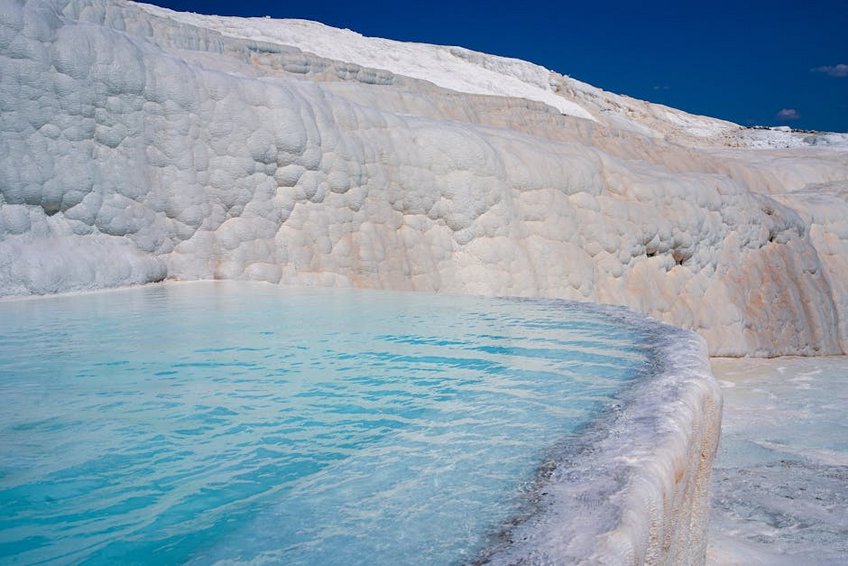
Alt: “pamukkale-travertine-terraces-thermal-pools-turkey”
Thermal Holiday Destinations in Turkey – Planning Your Trip
Organizing a thermal-focused journey requires balancing health objectives with travel logistics across different regions. Your itinerary should align with the specific therapeutic benefits you seek, as distances between major thermal centers can be significant. Most international travelers focus on the western circuit connecting İzmir, Pamukkale, and the Marmara Sea coast for a first-time visit.
Budget between $150-300 USD per day per person for a comfortable mid-range experience covering thermal hotel stays, meals, and local transport. Luxury all-inclusive thermal spa resorts can exceed $500 nightly. Booking treatments in advance is crucial, especially at medical thermal facilities requiring doctor consultations upon arrival.
Best Time to Visit Turkey’s Thermal Resorts
The optimal period for a thermal holiday spans from late April through early June and again from September to November. During these months, daytime temperatures range from 68-82°F (20-28°C), perfect for enjoying both outdoor pools and nearby sightseeing without extreme heat. Crowds are manageable, and resort prices fall outside the peak summer season.
Winter visits (December-February) offer a unique atmosphere, with steam rising dramatically from open-air pools into cold air. However, some facilities reduce hours, and travel to eastern regions can be challenging. July and August see intense heat exceeding 95°F (35°C), which can make soaking less comfortable despite being the busiest tourist season.
Budget Planning and Costs
Costs vary dramatically based on region, resort category, and included treatments. Below is a tiered breakdown.
Essential Preparation Checklist
Pack quick-dry swimwear, waterproof sandals for communal areas, and a robe for moving between pools and your room. Bring any medical records or doctor’s notes if seeking therapeutic treatment, as some facilities require referral documentation. Essential toiletries include moisturizer, as mineral waters can dry skin, and a refillable water bottle to stay hydrated during treatments.
Ensure you have comprehensive travel insurance that covers balneotherapy if prescribed medically. Book key resort stays and domestic flights 3-4 months ahead for peak seasons. Check visa requirements—many nationalities require an e-Visa obtained online before arrival for around $50 USD.
Top Thermal Regions and Their Unique Experiences
The country’s geothermal landscape offers distinct experiences, from UNESCO-listed terraces to luxurious coastal spa towns. Each major region combines water-based therapy with unparalleled historical or natural attractions right outside the resort door. You can structure a trip around one area or create an itinerary connecting several for a varied thermal journey.
Western Anatolia provides the easiest introduction with high-quality infrastructure and famous landmarks. Central and eastern regions demand more travel time but reward with authentic, treatment-focused environments less frequented by international tourists. Your choice ultimately depends on whether you prioritize convenience, specific medical treatments, or cultural exploration alongside your thermal baths.
Must-See Thermal Destinations
Pamukkale and Hierapolis form Turkey’s most iconic thermal destination. The brilliant white travertine terraces, formed by calcium-rich hot springs over millennia, are a UNESCO World Heritage site. You can bathe in the ancient Roman pool amidst submerged marble columns, with water maintained at a steady 97°F (36°C). Entry to the archaeological zone and Antique Pool costs approximately $15 USD.
Balçova in İzmir is a leading medical thermal center, with waters emerging at 158°F (70°C). The state-run Thermal Hotel and Hospital complex offers supervised treatment programs for musculoskeletal diseases. Nearby, the Agamemnon Hot Springs provide a more rustic, public bathing experience along the coast, ideal for combining a soak with seaside views.
Yalova Termal, just a 90-minute ferry from Istanbul, serves as the most accessible retreat. The historic Atatürk Mansion and modern five-star hotels nestle in a lush forest park filled with multiple spring sources. It’s perfect for a short wellness weekend without extensive travel from the main international gateway.
Hidden Gems and Local Favorites
Eskisehir’s Sakaryabasi Park features a unique “cold thermal” spring where water maintains a constant 52°F (11°C) year-round, believed to invigorate the circulatory system. Locals visit for picnics and brief, stimulating dips. Further east, Sivas Kangal’s Fish Therapy Thermal Spring draws those with psoriasis for its unique doctor-fish (Garra rufa) that gently nibble affected skin.
In the south, the Çeşme Peninsula hides small coastal thermal springs where hot water bubbles up directly into the Aegean Sea. Locations like Şifne and Ilica Beach allow you to dig a small pit in the sand to create your own personal hot pool at the water’s edge, completely free and open to the public.
Combining Thermal Baths with Cultural Exploration
The beauty of Turkey’s geothermal sites is their proximity to major historical attractions. After a morning bath in Pamukkale, you can explore the vast ruins of Hierapolis, including its well-preserved theater and necropolis. Resorts in Afyon are often day-trip distance from the extraordinary Phrygian Valley rock monuments.
This integration allows for a balanced holiday rhythm: therapeutic soaking followed by cultural or natural exploration. Many resorts organize guided tours to nearby sites, making logistics seamless. This combination defines the true Turkish thermal holiday experience beyond simple spa treatment.
Practical Travel Information and Logistics
Navigating Turkey’s thermal regions requires understanding the domestic travel network. Major international airports in Istanbul (IST/SAW) and İzmir (ADB) serve as primary gateways. From there, you can reach most western thermal destinations via domestic flights, comfortable buses, or rental cars within 3-5 hours. Internal flights to cities like Denizli (for Pamukkale) or Sivas are efficient but may have limited schedules.
Accommodation ranges from thermal hospital guesthouses to internationally-branded luxury resorts. Booking directly through a resort’s website often yields the best rates and accurate information on included treatments. Always confirm what thermal pool access is included with your room rate, as policies vary significantly.
| Region | Primary Thermal Destinations & Features | Average Cost/Night (USD) |
|---|---|---|
| Aegean (İzmir/Denizli) | Pamukkale (travertines), Balçova (medical), Çeşme (coastal springs), Bergama (historical) | $120 – $400+ |
| Marmara | Yalova (forest retreat), Çekirge-Bursa (Ottoman heritage), Armutlu (seaside) | $80 – $300 |
| Central Anatolia | Afyon (radon waters), Kızılcahamam (radioactive), Haymana (near Ankara) | $70 – $250 |
| Eastern Anatolia | Sivas Kangal (fish therapy), Erzurum (high-altitude), Diyadin (volcanic) | $50 – $180 |