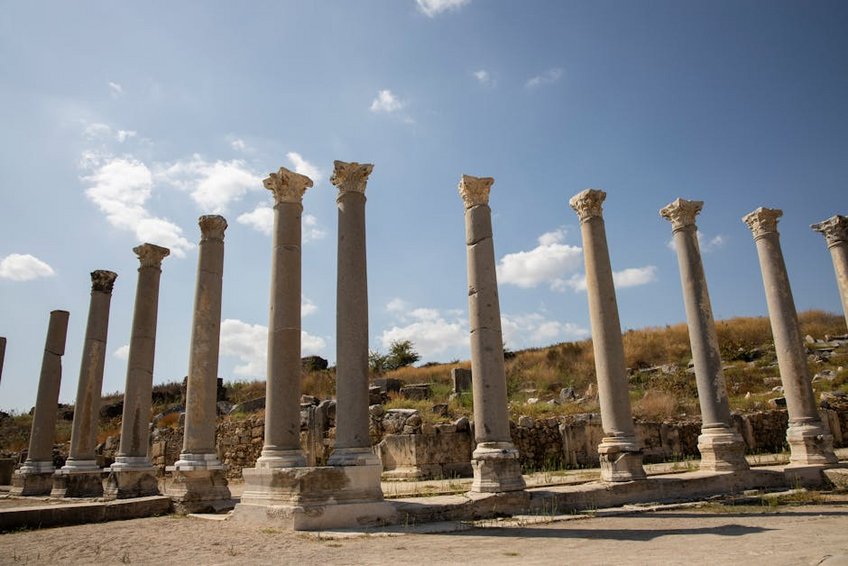
Ancient Cities in Turkey: Your Guide to Timeless Archaeological Treasures
Turkey stands as an unparalleled open-air museum, where millennia of civilization layer upon each other across its diverse landscapes. Exploring these sites connects you directly to the footsteps of Roman emperors, Hellenistic philosophers, and Bronze Age traders. This guide provides the essential details to plan your journey through Turkey’s most magnificent ancient cities, from coastal wonders to inland capitals.
Turkey’s Historical Tapestry
Turkey’s unique position as a bridge between Europe and Asia has made it a cradle of civilization for over 12,000 years. From the Neolithic settlements of Çatalhöyük to the Byzantine walls of Constantinople, each era left monumental architecture and cultural artifacts. This layered history means visitors can experience Hittite, Urartian, Greek, Roman, Byzantine, and Ottoman heritage, often within a single region.
The country’s archaeological richness is protected and presented through a network of museums and meticulously excavated sites. Many locations feature extraordinary preservation due to favorable climate conditions and the use of durable materials like marble and local stone. Understanding this chronological depth enriches every visit, turning stone ruins into vivid stories of human achievement.
Understanding Historical Periods
Recognizing the major eras helps contextualize what you’re seeing. Here is a brief overview of the primary civilizations.
- Bronze Age (3000-1200 BCE): Characterized by the Hittite Empire with its capital at Hattusa, featuring massive stone walls, lion gates, and cuneiform tablets detailing history and treaties.
- Classical & Hellenistic (1200-133 BCE): Brought Greek colonization, seen in cities like Ephesus and Pergamon, with iconic agoras, theaters, and temples dedicated to gods like Artemis and Athena.
- Roman & Byzantine (133 BCE-1453 CE): Marked by engineering marvels such as aqueducts, libraries, and sprawling city plans, later transitioning into Christian basilicas and defensive architecture under Byzantine rule.
- Budget Traveler ($600-800): Stay in hostels or guesthouses, use intercity buses, focus on 3-4 key sites with a Museum Pass, and eat at local lokantas. Entry fees average $15-25 per major site.
- Mid-Range Explorer ($1200-1800): Book comfortable boutique hotels, rent a car for flexibility, hire private guides at major sites like Ephesus, and enjoy mixed dining. This allows for visiting 6-8 sites comfortably.
- Premium Historical Journey ($2500+): Stay in luxury hotels near sites, utilize private driver-guides, include special-access tours, and dine at top restaurants. This tier enables comprehensive exploration with expert interpretation.
- Republic of Turkey Ministry of Culture and Tourism
- UNESCO World Heritage Centre – Turkey
Key Archaeological Terms
Familiarity with common terms enhances your exploration of these historical sites. An agora was the central public space, functioning as a marketplace and civic heart. A stoa refers to a covered walkway or portico, typically lining the agora for shops and meetings.
Theater and odeon structures demonstrate advanced acoustics, with the former for performances and the latter for music or council meetings. Necropolis areas, or cities of the dead, reveal burial customs through sarcophagi and tomb facades carved into hillsides.
Preservation and Excavation Status
Ongoing archaeological work continues to reveal new findings across Turkey. Many sites like Ephesus have been under continuous excavation for over a century, with new sections opened periodically. This means visitor routes can change, offering fresh perspectives on return visits.
Active conservation projects use traditional methods and modern technology to stabilize structures against erosion and seismic activity. Your entry fee directly contributes to this vital preservation work, ensuring future generations can experience these wonders.
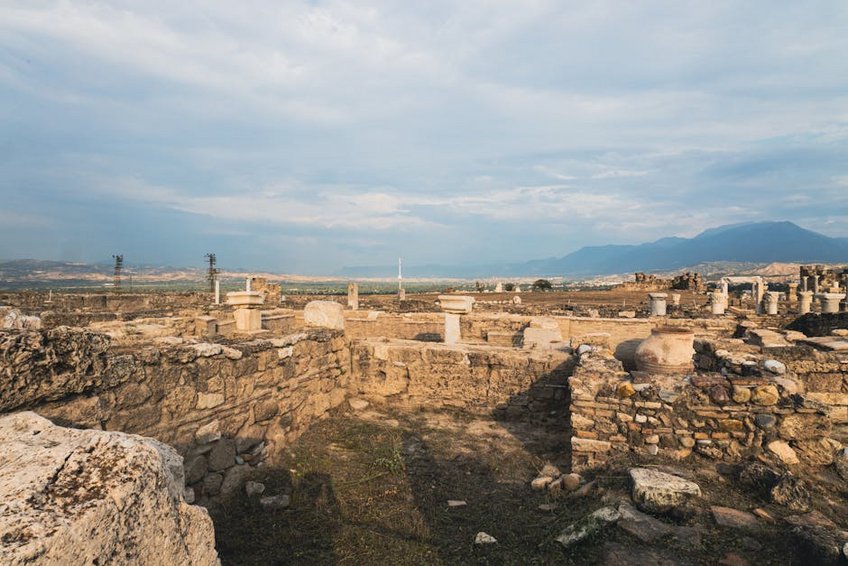
Alt: “ephesus-library-celsus-facade-marble-columns-turkey”
Ancient Cities in Turkey – Planning Your Itinerary
Crafting a successful tour of Turkey’s ancient cities requires strategic routing based on geography and historical interest. The Aegean and Mediterranean coasts concentrate many famous Hellenistic and Roman sites, while Central Anatolia hosts older Hittite and Phrygian capitals. Allocate more time for extensive complexes like Ephesus, which demands a full day to appreciate properly.
Consider purchasing a Türkiye Museum Pass if visiting multiple paid sites; it offers significant savings and skip-the-line privileges at many locations. Spring (April-May) and autumn (September-October) provide ideal weather, with daytime temperatures between 65-80°F (18-27°C) and smaller crowds compared to peak summer.
Comfortable walking shoes are non-negotiable, as exploring involves traversing uneven stone paths and marble streets. Carry water, sun protection, and a guidebook or downloaded audio tour to bring the ruins to life beyond the informational plaques.
Best Time to Visit Turkey’s Archaeological Sites
The optimal months for visiting these outdoor sites are April, May, September, and October. During these periods, daytime highs range from 68-82°F (20-28°C) with minimal rainfall, creating perfect conditions for extensive walking. Crowds are manageable, and hotel rates in nearby towns like Selçuk or Pamukkale are more reasonable.
Summer months from June to August see intense heat, often exceeding 95°F (35°C), which can make exploring vast marble ruins uncomfortable. However, this season offers the longest daylight hours. Winter visits (November-March) are possible for hardier travelers, with some sites experiencing occasional snow, creating uniquely dramatic photography conditions.
Budget Planning and Costs
Costs vary based on travel style and site selection. Here is a typical breakdown for a week-long archaeological tour.
Essential Preparation Checklist
Beyond standard travel items, several specific preparations will enhance your experience. Pack a high-quality sun hat, polarized sunglasses, and a reusable water bottle, as shade is limited at most ruins. A power bank for your phone is crucial for using digital maps and audio guides throughout long days.
Secure travel insurance that covers emergency medical evacuation, especially if visiting remote sites. Book accommodations in advance for towns near popular sites during peak seasons. Finally, download offline maps and research transportation schedules, as some archaeological zones have limited public transit options.
Top Archaeological Sites and Experiences
The concentration of world-class ruins in Turkey is astounding, with each offering a distinct glimpse into antiquity. Coastal sites often combine dramatic scenery with architectural grandeur, while inland capitals reveal strategic urban planning and imperial power. Prioritizing based on your historical interests—whether theater, religion, or daily life—helps shape a rewarding itinerary.
Many archaeological parks are extensive, requiring two to four hours for a thorough visit. Morning arrivals typically beat both the heat and the largest tour groups. Engaging a licensed guide for at least your first major site provides invaluable context that informational signs alone cannot convey.
Must-See Highlights
Ephesus remains the crown jewel, featuring the iconic Library of Celsus, the immense Great Theatre, and the beautifully preserved Terrace Houses. Allow at least four hours to walk its marble-paved streets and imagine life in this Roman capital of Asia Minor. Entry costs around $25, with an additional fee for the Terrace Houses.
Pergamon’s Acropolis, perched dramatically on a hilltop, showcases the Altar of Zeus (now in Berlin) and one of the steepest ancient theaters in the world. The nearby Asclepion medical complex is equally fascinating. Hierapolis, sitting atop the white travertine terraces of Pamukkale, combines a sprawling necropolis, a vast theater, and ancient bathing pools.
Hidden Gems and Local Favorites
Beyond the famous names, countless lesser-visited sites offer profound atmosphere without the crowds. Aphrodisias, dedicated to the goddess of love, boasts a stunningly intact stadium and a superb on-site museum displaying finds from the excavation. Its remote location in the Aydın province ensures a peaceful visit.
Sagalassos, high in the Taurus Mountains, is a remarkably preserved Pisidian city with a restored nymphaeum (ornamental fountain) that still flows with water. The journey there through mountain scenery is part of the adventure. For a unique coastal experience, explore the Lycian rock tombs carved into cliffs at Dalyan, best viewed from a riverboat.
UNESCO World Heritage Sites
Turkey hosts numerous archaeological UNESCO sites, denoting outstanding universal value. Göbekli Tepe, dating to around 9600 BCE, radically reshapes understanding of Neolithic society with its massive T-shaped pillars. It’s located near Şanlıurfa and requires advance planning to visit.
The archaeological site of Troy reveals multiple cities built atop one another, spanning 4,000 years. The replica wooden horse highlights the legendary Trojan War. Hattusa, the Hittite capital, is enclosed by monumental walls and features rock-cut sanctuaries and royal gateways adorned with sphinxes.
Practical Travel Information
Navigating Turkey to reach these dispersed sites is straightforward with a mix of air, bus, and car travel. Major airports in Istanbul, Izmir, Antalya, and Ankara serve as primary hubs. From there, domestic flights, comfortable long-distance buses, or rental cars provide access to specific regions.
Accommodation ranges from simple pensions in small villages to luxury resorts near major attractions. Booking platforms show good availability, but reserving ahead is wise for popular locations like Cappadocia or coastal towns during summer. English is widely spoken in tourist areas and at major sites.
| Site Region | Major Cities & Sites | Recommended Base Town |
|---|---|---|
| Aegean Coast | Ephesus, Pergamon, Aphrodisias, Miletus, Didyma | Selçuk, Kuşadası, Bergama |
| Mediterranean Coast | Patara, Xanthos, Olympos, Phaselis, Myra | Antalya, Kaş, Fethiye |
| Central Anatolia | Göreme Open-Air Museum, Hattusa, Derinkuyu Underground City | Göreme, Ankara, Nevşehir |
| Southeastern Anatolia | Göbekli Tepe, Mount Nemrut, Zeugma Mosaic Museum | Şanlıurfa, Gaziantep |