Lakeside Holidays in Turkey: Discover Serene Shores and Cultural Gems
Turkey’s diverse interior offers a stunning collection of lakes, from vast saline expanses to alpine gems nestled in mountain ranges. A lakeside holiday in Turkey presents a perfect blend of serene natural beauty, water-based activities, and immersion into authentic Anatolian culture away from the coastal crowds. This guide covers everything from choosing your ideal Turkish lake to planning the logistics of a relaxing and enriching shoreline getaway.
Turkey’s Lake Regions: Essential Information
Turkey’s geography hosts over 200 lakes, each region offering a distinct character for your vacation. The country’s largest lake, Lake Van in the east, is a saline soda lake with historic Armenian churches on its islands. Central Anatolia features the shallow, flamingo-filled waters of Lake Tuz and the volcanic crater lakes of Cappadocia.
Meanwhile, the southwest around the Lakes District (Göller Bölgesi) provides a temperate climate with freshwater lakes like Eğirdir and Beyşehir. Understanding these regional differences is key to selecting the right destination for your interests, whether it’s photography, hiking, or cultural history.
Choosing Your Perfect Turkish Lake
Your ideal shoreline getaway depends on the experience you seek. Consider these three primary categories of Turkish lakes.
- **Cultural & Historical Lakes:** Lake Van and Lake İznik offer profound historical sites alongside their shores, perfect for travelers interested in ancient civilizations and archaeology.
- **Activity-Focused Lakes:** Eğirdir, Lake Abant, and Lake Salda provide excellent conditions for hiking, cycling, kayaking, and even swimming in the summer months.
- **Scenic & Unique Landscapes:** The otherworldly white shores of Lake Salda, the pink-hued waters of Lake Tuz at sunset, and Cappadocia’s crater lakes offer unparalleled photography opportunities.
- **Budget Trip ($800-$1,200):** Focus on camping or guesthouses (pansiyon), self-catering with market groceries, and public dolmuş minibuses. Entrance fees to natural sites are generally low. This budget allows for a relaxed, immersive experience around less-commercialized lakes like Beyşehir.
- **Mid-Range Trip ($1,500-$2,500):** This includes comfortable boutique hotels or lakeview B&Bs, rental car expenses, meals at local restaurants, and guided day tours for activities like hiking or boat trips. It’s ideal for exploring the Lakes District or Cappadocia with ease.
- **Luxury Trip ($3,000+):** This tier covers stays at high-end thermal hotels near Lake Abant or unique cave hotels in Cappadocia with lake views, private guided tours, fine dining, and special experiences like hot air ballooning over crater lakes.
- GoTürkiye: Official Tourism Portal of Turkey
- UNESCO World Heritage Centre – Turkey
Climate and Seasonal Variations
The climate around Turkey’s lakes varies dramatically by region and elevation. The eastern regions around Lake Van experience harsh, snowy winters and mild summers, with July temperatures averaging 68°F (20°C). Central Anatolia has a continental climate with hot, dry summers and cold winters.
The southwestern Lakes District enjoys a more moderate climate, making it suitable for visits from late spring through early autumn. Water levels can fluctuate seasonally, especially in Lake Tuz, which often shrinks significantly by late summer, revealing vast salt flats.
Cultural Context and Local Life
Lakeside communities in Turkey often revolve around fishing and agriculture, offering a glimpse into traditional Anatolian life. Villages around Lake Eğirdir are famous for apple orchards and carp fishing. The area around Lake Van is a center of Kurdish culture and history.
Engaging with these communities respectfully can greatly enrich your trip. Visiting local weekly markets (pazar), sampling regional specialties like Van herbed cheese, or simply chatting with fishermen at dawn provides authentic cultural connections often missed in resort areas.
Alt: “lake-van-turkey-akdamar-island-armenian-church”
Lakeside Holidays in Turkey – Planning Your Trip
Successful planning for a Turkish lake vacation balances seasonal timing, transportation logistics, and activity preferences. Unlike coastal resorts, many lakeside areas have limited tourist infrastructure, requiring more self-sufficiency. Advance booking for accommodations is crucial, especially in popular areas like Cappadocia’s lakes or the shores of Lake Salda during peak seasons.
Consider renting a car for maximum flexibility, as public transport to more remote lakes can be infrequent. Your itinerary should account for driving times between regions if you wish to visit multiple lakes, as distances in Turkey are considerable. Packing should include layers for variable weather, sturdy footwear for exploration, and swimwear for the warmer months.
Best Time to Visit Turkey’s Lakes
The optimal period for a lakeside holiday in most regions is between May and June or September and October. During these months, daytime temperatures are pleasant, ranging from 65-80°F (18-27°C), crowds are thinner, and the landscapes are vibrant. July and August can be very hot in central Anatolia, exceeding 86°F (30°C), though the lakes provide a cooling effect.
For specific experiences, visit Lake Tuz in late summer to see its famous pink color and salt flats. Winter visits to eastern lakes like Van are for hardy travelers, offering stark, snowy beauty but limited services. The Lakes District is most accessible from April through November.
Budget Planning and Costs
Costs vary significantly based on your chosen region and travel style. Here’s a tiered overview for a one-week trip for two people.
Essential Preparation Checklist
Proper preparation ensures a smooth and enjoyable lakeside getaway. Essential items include a valid passport (with at least six months validity), a Turkish visa obtained online via the e-Visa system, and comprehensive travel insurance that covers any planned activities like hiking or boating. Drivers will need an International Driving Permit alongside their national license.
Pack versatile clothing, including a warm layer for cool evenings, a sun hat, sunglasses, and strong sunscreen. Water shoes are useful for rocky shorelines like Lake Salda. Download offline maps (Google Maps or Maps.me) for navigation, as cell service can be spotty in remote areas. Learning a few basic Turkish phrases will be warmly appreciated by locals.
Top Lakeside Destinations and Activities
Turkey’s lake scenery provides a backdrop for diverse experiences, from active adventures to peaceful contemplation. Each major lake has its own unique appeal and set of attractions that go beyond simply admiring the view. Integrating activities with cultural exploration creates a rich and memorable shoreline vacation.
Spending time on the water, whether on a traditional boat trip or from the vantage point of a lakeside hiking trail, offers the best perspectives. Many areas are also renowned for their local cuisine, where freshwater fish and regional produce take center stage, adding a delicious dimension to your visit.
Must-See Lake Highlights
**Lake Van** is famed for Akdamar Island and its stunning 10th-century Armenian Cathedral of the Holy Cross, accessible by ferry. The vast blue waters against the backdrop of the Süphan Mountain create a majestic scene. **Lake Salda**, often called “Turkey’s Maldives,” dazzles with its white hydromagnesite sandbanks and incredibly clear turquoise water, perfect for photography.
In Cappadocia, the twin crater lakes of **Narlıgöl and Acıgöl** offer surreal landscapes within volcanic cones. **Lake Eğirdir** provides a lively hub for hiking the surrounding peaks and exploring the ancient city of Pisidian Antioch. **Lake Tuz (Salt Lake)**, Turkey’s second largest, becomes a breathtaking pink spectacle at sunset, especially in late summer.
Hidden Gems and Local Favorites
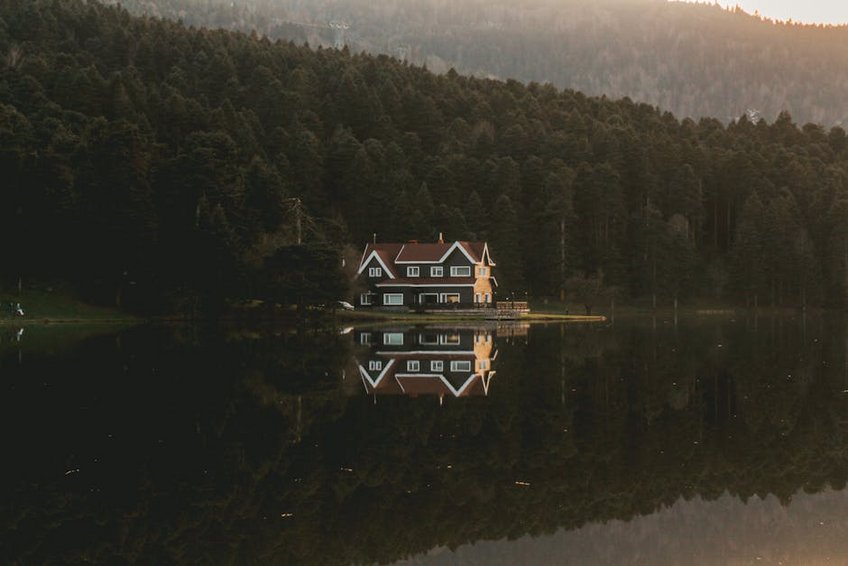
Venture beyond the well-known names to discover quieter gems. **Lake Abant**, nestled in a lush pine forest northwest of Ankara, is a favored weekend retreat for city dwellers, with walking paths and traditional wooden lodges. **Lake Bafa**, near the Aegean coast, combines a large lake ecosystem with ruins of Byzantine monasteries perched on rocky islets.
For a truly offbeat experience, seek out the **Yedi Göller (Seven Lakes) National Park** in the Bolu region, a chain of small interconnected lakes and ponds ideal for tranquil picnics and forest walks. The village of **Gölyazı** on Lake Uluabat is a charming peninsula settlement with Greek Ottoman houses and stork nests atop ancient columns.
Water Activities and Lakeside Hiking
Many Turkish lakes offer excellent conditions for kayaking and stand-up paddleboarding, particularly the calm waters of Eğirdir and Köyceğiz. Local operators often rent equipment by the hour. Fishing is a major local activity; inquire about arranging a trip with a local fisherman for an authentic experience, especially on Lake Van for the rare pearl mullet.
Hiking trails abound. The **St. Paul Trail** passes along the shores of Lake Eğirdir. The slopes around Lake Van lead to remote mountain villages. Always hike with proper supplies, inform someone of your route, and check conditions, as trails may not be as well-marked as in more established international trekking destinations.
Practical Travel Information
Navigating Turkey’s interior requires understanding the available transportation and accommodation options. While major lakes near cities are well-connected, others demand more planning. A mix of domestic flights, long-distance buses, and rental cars typically forms the most efficient travel plan for a multi-lake itinerary.
Accommodation ranges from simple family-run guesthouses offering homemade meals to luxurious thermal spa resorts. Booking in advance is strongly recommended, especially for boutique properties with limited rooms or during Turkish national holidays and summer weekends when locals also travel to these regions.
| Accommodation Type | Best For & Features | Avg. Nightly Rate (USD) |
|---|---|---|
| Guesthouse (Pansiyon) | Budget travelers, cultural immersion, home-cooked meals, family-run | $25 – $50 |
| Boutique Hotel | Mid-range comfort, character, often in restored buildings, lake views | $70 – $150 |
| Thermal Resort Hotel | Luxury & relaxation, spa facilities, gourmet dining (e.g., Lake Abant area) | $180 – $350+ |
| Self-Catering Apartment | Families or longer stays, kitchenette, more space, local living feel | $40 – $90 |