Machu Picchu Travel Guide: Plan Your Perfect Peruvian Adventure
Visiting Machu Picchu is a profound journey into the heart of the Inca Empire. This iconic citadel sits at 7,970 feet in the Andes, offering stunning architecture and panoramic views. Your trip requires careful planning around permits, altitude, and seasonal weather patterns for an optimal experience.
Machu Picchu: Essential Information
The Inca built this royal estate around 1450 AD. It was abandoned a century later during the Spanish conquest. The site remained hidden from the outside world until 1911.
Hiram Bingham’s rediscovery brought global attention to this archaeological marvel. UNESCO designated it a World Heritage Site in 1983. It is now one of the New Seven Wonders of the World.
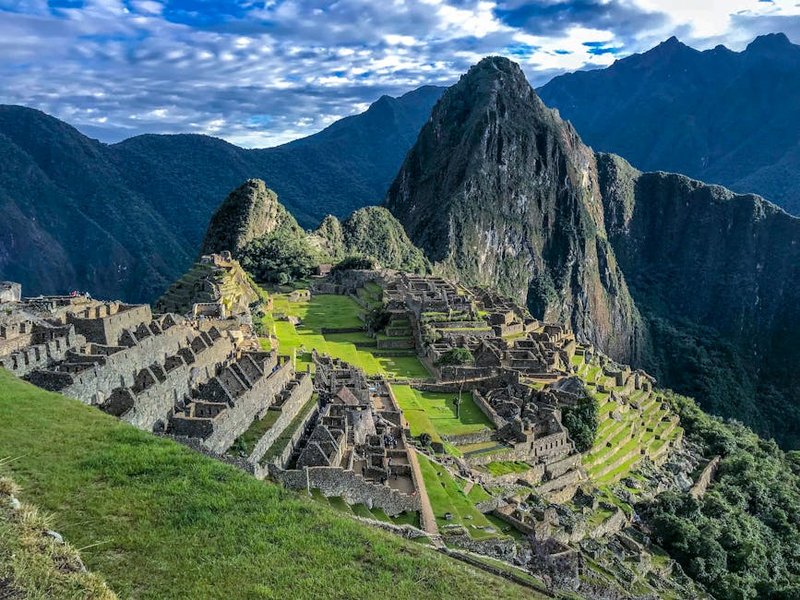
The complex covers over 80,000 acres. It includes agricultural terraces, residential sectors, and religious temples. Understanding its history enriches your visit significantly.
The Historical Significance of Machu Picchu
Learn these key facts before your visit.
- Archaeologists believe it served as a royal retreat for Emperor Pachacuti. The site’s alignment with solar events highlights advanced Inca astronomy. Its remote location provided security and exclusivity.
- The construction used a technique called ashlar. Stones were cut precisely to fit together without mortar. This method has withstood centuries of earthquakes.
- Why the site was abandoned remains debated. Theories include smallpox outbreaks and Spanish invasion impacts. The jungle reclaimed it for over 400 years.
- Budget travelers spend $500-$800 for basic services. This includes hostels, local buses, and entry tickets alone. Self-guided trips require careful logistical management.
- Mid-range visitors invest $1,200-$2,500 for guided tours. This covers hotels, train tickets, and Machu Picchu permits. This option provides the best value and stress reduction.
- Luxury experiences cost $3,000-$6,000+ for premium service. Includes Belmond hotels, private guides, and exclusive access. Helicopter tours and gourmet dining are available.
- Peru Travel Official Tourism Site
- National Geographic Machu Picchu Guide
Understanding the Site’s Layout and Zones
The citadel divides into two main areas: agricultural and urban. The agricultural sector features extensive terraces called andenes. These prevented erosion and provided farmland.
The urban sector contains temples, palaces, and plazas. Key structures include the Temple of the Sun and Room of the Three Windows. The Intihuatana stone is a precise astronomical clock.
Visitor Rules and Preservation Efforts
Preservation is paramount at this fragile UNESCO site. Strict visitor limits protect the ancient stonework. Everyone must follow designated pathways.
Touching the ruins is absolutely prohibited. Large backpacks over 20L are not allowed inside. These rules help ensure future generations can experience this wonder.
Machu Picchu Travel Guide in Peru – Planning Your Trip
Successful exploration demands strategic preparation. You must secure permits months in advance, especially for classic treks. The dry season from May to October offers the most reliable conditions.
Acclimatize to altitude in Cusco or the Sacred Valley first. This reduces risks of altitude sickness upon arrival. Allow two full days for proper adjustment before ascending.
Your Machu Picchu travel guide should include multiple contingency plans. Train schedules change and weather can disrupt itineraries. Booking with reputable local operators provides essential support.
Best Time to Visit Machu Picchu
Peak season runs June through August. Daytime temperatures range from 65-70°F (18-21°C). Nighttime temperatures drop to 40°F (4°C).
These months have minimal rainfall but maximum crowds. Shoulder months of April-May and September-October offer good balance. The rainy season from November to March sees frequent showers but fewer visitors.
Budget Planning and Costs
Costs vary dramatically based on travel style.
Essential Preparation Checklist
Secure your Inca Trail permit or Machu Picchu ticket immediately. Permits for the classic trek sell out six months ahead. Daily site tickets have limited availability.
Pack layered clothing for changing mountain weather. Include a rain jacket, broken-in hiking boots, and sun protection. Bring altitude medication and passport copies.
Alt: “machu-picchu-sunrise-andes-mountains-peru”
Top Attractions and Experiences at the Inca Citadel
The ancient city reveals new wonders at every turn. Sunrise at the Sun Gate provides a legendary panoramic arrival view. The Guardhouse offers the classic postcard photograph perspective.
Guided tours explain the sophisticated hydraulic engineering systems. You will see fountains and channels that still function today. Expert narration brings the stone walls to life with historical context.
Must-See Highlights Within the Citadel
The Temple of the Sun demonstrates precise astronomical alignment. Its curved wall contains windows framing the June solstice sunrise. This was likely a royal mausoleum.
The Intihuatana Stone served as a sophisticated calendar. It marks the two equinoxes when the sun casts no shadow. Do not touch this sacred, finely carved granite rock.
The Room of the Three Windows symbolizes the Inca worldview. Its trapezoidal windows align with sacred mountain peaks. This structure forms part of the Sacred Plaza’s ceremonial core.
Hiking Options Around the Sanctuary
Huayna Picchu Mountain requires separate advance booking. The steep climb takes about two hours round-trip. It offers breathtaking views down onto the citadel.
The Sun Gate (Inti Punku) hike is included with general admission. This one-hour walk follows the final Inca Trail approach. Morning light creates spectacular photographic conditions.
The Inca Bridge presents a shorter, thrilling side adventure. This twenty-minute path leads to a clever defensive bridge. It showcases ingenious Inca engineering on a cliff face.
Exploring the Agricultural Terraces
The extensive terrace system reveals advanced farming technology. These stone walls created microclimates for different crops. They also provided crucial structural support against landslides.
Walk along the lower terraces for perspective on the site’s scale. Notice the sophisticated drainage channels beneath the stones. This area is less crowded than the urban sector above.
Practical Travel Information for Machu Picchu
Reaching this remote destination involves multiple transportation stages. Most visitors fly into Lima then connect to Cusco. Allow a full day for travel and altitude adjustment.
From Cusco, travel by train or foot to Aguas Calientes. This town serves as the gateway to the ruins. It offers hotels, restaurants, and last-minute supplies.
| Route Option | Key Features & Duration | Estimated Cost (USD) |
|---|---|---|
| Inca Trail Trek | Classic 4-day guided hike, permits required, camping | $650-$1200 |
| Train from Cusco | Belmond or PeruRail, 3.5 hours, scenic valley views | $140-$500 round-trip |
| Salkantay Trek | 5-day alternative route, higher altitude, stunning passes | $550-$900 |
| Bus from Aguas Calientes | 25-minute switchback ride to citadel entrance | $24 round-trip |