Historical Sites in Mexico: A Journey Through Ancient Civilizations
Mexico offers one of the world’s most diverse tapestries of ancient history, where millennia-old pyramids stand in dramatic landscapes and colonial cities echo with centuries of stories. Exploring historical sites in Mexico connects you directly with the sophisticated Maya, Aztec, and Zapotec cultures, whose architectural and astronomical achievements continue to astonish modern visitors. This guide details the essential ruins, provides practical travel strategies, and uncovers the cultural layers that make a trip here profoundly rewarding.
Essential Information on Mexico’s Ancient Past
Mexico’s historical landscape is built upon layers of great Mesoamerican civilizations. The Olmecs, often called the “mother culture” of the region, established complex societies as early as 1500 BCE along the Gulf Coast. Their influence paved the way for later empires like the Maya in the Yucatán and the Aztecs in Central Mexico, each leaving behind monumental cities.
Spanish colonization beginning in the 16th century introduced a new architectural and cultural layer, creating the vibrant mestizo identity seen today. This blend of indigenous and European influences is visible everywhere, from food to festivals. Understanding this context enriches every visit to an archaeological zone or colonial town.
Key Civilizations and Their Legacies
Knowing which civilization built a site deepens your appreciation for its design and purpose.
- The Maya (2000 BCE – 1697 CE): Masters of astronomy and mathematics who built soaring limestone pyramids in jungle cities like Chichén Itzá and Palenque, known for their elaborate stone carvings and advanced calendar systems.
- The Aztecs (1300-1521 CE): Founded the island city of Tenochtitlán, now Mexico City, and constructed massive twin pyramids like the Templo Mayor, reflecting their powerful warrior culture and complex pantheon of gods.
- The Zapotecs (700 BCE – 1521 CE): Built the magnificent hilltop city of Monte Albán overlooking Oaxaca, featuring unique architectural styles and early examples of urban planning in the Americas.
- Budget Traveler ($40-70/day): Stay in hostels or guesthouses, use second-class ADO buses, eat at local markets, and visit 1-2 major sites. Focus on regions with clusters of free or low-cost ruins like the Oaxaca valleys.
- Mid-Range Traveler ($80-150/day): Book boutique hotels in central locations, use first-class buses or rental cars for flexibility, hire certified guides at key sites, and enjoy meals at respected local restaurants. This allows for a comprehensive 10-day circuit.
- Luxury Experience ($250+/day): Stay at luxury haciendas or resorts near archaeological parks, arrange private drivers and specialized archaeologist-led tours, enjoy fine dining, and include unique experiences like night light shows at the ruins.
- National Institute of Anthropology and History (INAH)
- UNESCO World Heritage Sites in Mexico
Understanding the Archaeological Zones
Mexico’s archaeological sites are meticulously preserved and managed by the National Institute of Anthropology and History (INAH). Most major ruins have visitor centers, museums, and guided tour options. Entrance fees are typically charged in Mexican pesos, with a separate fee for video cameras.
Conditions at these ancient cities are often hot and sunny with minimal shade. Visiting early in the morning helps you avoid both the strongest sun and the largest crowds. Always carry water, wear sturdy walking shoes, and bring sun protection like a hat and sunscreen.
Preservation and Respectful Visitation
These sites are non-renewable cultural treasures. Climbing on fragile structures is now prohibited at most major ruins to prevent erosion and damage. Always stay on marked pathways and refrain from touching carvings or murals, as oils from skin can degrade ancient stone.
Support preservation efforts by paying entrance fees and hiring local guides when possible. Their knowledge provides invaluable context about the site’s history, symbolism, and recent discoveries that you won’t find on plaques.
Alt: “chichen-itza-pyramid-el-castillo-mayan-architecture-sunlight”
Historical Sites in Mexico – Planning Your Trip
Crafting an itinerary for historical sites in Mexico requires balancing geography, time, and interest. The country’s major archaeological zones are spread across different regions, from the Yucatán Peninsula to central highlands. A focused trip to one region often proves more rewarding than attempting to cross the entire country.
Budget realistically for entrance fees, intercity transportation, and guide services. While some ruins are easily accessible from resort areas, others require dedicated travel days. Booking accommodations in nearby colonial towns like Oaxaca City, Mérida, or San Cristóbal de las Casas enhances the cultural experience.
Your historical exploration should mix famous UNESCO sites with lesser-known gems to avoid crowds and gain a fuller perspective. Allocate time for on-site museums, which house priceless artifacts found during excavations and provide crucial historical context.
Best Time to Visit Mexico’s Archaeological Sites
The ideal dry season runs from November through April, offering sunny days with comfortable temperatures between 70-85°F (21-29°C) and minimal rainfall. This is peak tourist season, so sites will be busiest, especially around December holidays and Easter week.
Shoulder months like May and October can offer a good balance, though afternoon rains become more frequent. The summer rainy season (June-September) brings lush green landscapes but high humidity and temperatures often exceeding 90°F (32°C), making extensive site exploration more challenging.
Budget Planning and Costs
A trip focused on Mexico’s ancient history can suit various budgets with smart planning.
Essential Preparation Checklist
Pack light, breathable clothing in natural fibers, a wide-brimmed hat, high-SPF sunscreen, broken-in hiking shoes, and a reusable water bottle. A small daypack should carry your essentials, including a power bank for your phone camera. Mosquito repellent is essential for jungle sites.
Ensure your passport has at least six months validity. U.S. and EU citizens receive a 180-day tourist permit upon arrival. Purchase travel insurance that covers medical evacuation. Download offline maps and translation apps, and notify your bank of international travel to use ATMs for pesos.
Top Archaeological Sites and Ancient Cities
Mexico’s most famous ruins showcase the architectural genius of pre-Columbian cultures. Chichén Itzá, one of the New Seven Wonders of the World, demonstrates the Maya’s astronomical precision with El Castillo pyramid. Teotihuacán near Mexico City features the massive Pyramids of the Sun and Moon along the Avenue of the Dead.
Palenque in Chiapas is renowned for its exquisite stone sculptures and temples nestled in dense jungle. Monte Albán in Oaxaca offers breathtaking panoramic views from its grand plaza. Each site provides a distinct window into the spiritual and daily lives of its builders.
Must-See Highlights
Chichén Itzá’s El Castillo pyramid aligns with the sun during equinoxes to create a serpent shadow effect. The site’s Great Ball Court is the largest in Mesoamerica. Visit at opening time (8 AM) to experience it before most tour buses arrive from Cancún.
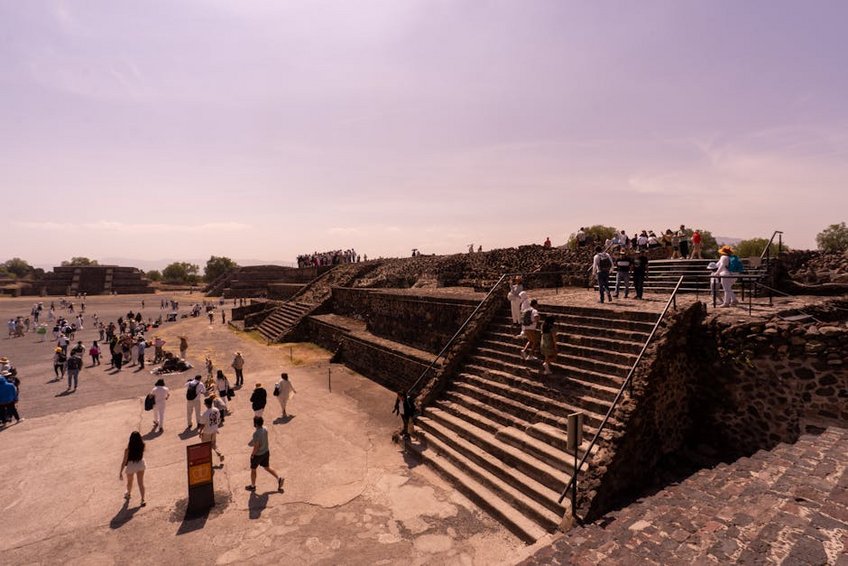
Teotihuacán allows you to climb the Pyramid of the Sun for a commanding view of the ancient city grid. The onsite museum houses fascinating murals and artifacts. Go on a weekday to avoid the massive weekend crowds from Mexico City.
Palenque’s Temple of the Inscriptions contains the crypt of the Maya ruler Pakal. The surrounding jungle is alive with howler monkeys and tropical birds. The onsite museum is exceptional and included in the entry fee.
Hidden Gems and Local Favorites
Ek’ Balam, north of Valladolid, features a unique stucco sculpture of a Maya king’s mouth on its main acropolis. You can still climb most structures here, offering fantastic views of the flat Yucatán landscape. It’s far less crowded than nearby Chichén Itzá.
Yaxchilán, accessible only by boat on the Usumacinta River near the Guatemalan border, is a dramatically remote Maya city. Its well-preserved limestone lintels depict detailed historical narratives. Combine this visit with Bonampak, famous for its vivid ancient murals.
El Tajín, in Veracruz, showcases the unique architecture of the Totonac culture, including the Pyramid of the Niches. The site is especially atmospheric during the annual Cumbre Tajín festival in March, which celebrates indigenous culture.
Exploring Colonial Era History
Beyond pre-Hispanic ruins, Mexico’s Silver Cities in the central highlands offer stunning colonial architecture. Guanajuato, Zacatecas, and San Miguel de Allende feature magnificent Baroque churches, opulent theaters, and historic haciendas that tell the story of the Spanish colonial period and the Mexican War of Independence.
These cities are UNESCO World Heritage sites with beautifully preserved centro históricos. They offer excellent museums, vibrant plazas, and culinary traditions that blend Spanish and indigenous ingredients. Many are located near ancient ruins, allowing for a combined historical itinerary.
Practical Travel Information and Logistics
Navigating Mexico to visit dispersed historical sites is straightforward with planning. Domestic flights connect major hubs like Mexico City, Cancún, and Oaxaca efficiently. For ground transportation, first-class buses from companies like ADO and ETN are comfortable, reliable, and affordable for intercity travel.
Renting a car provides maximum flexibility, especially for visiting multiple ruins in the Yucatán or Oaxaca regions. Stick to toll highways (cuotas) for better safety and faster travel times. Always purchase full insurance coverage from the rental company.
| Site Region | Key Archaeological Zones | Nearest Major City & Travel Time |
|---|---|---|
| Yucatán Peninsula | Chichén Itzá, Uxmal, Ek’ Balam, Tulum | Mérida (1.5-2.5 hours by car) |
| Central Highlands | Teotihuacán, Tula, Xochicalco | Mexico City (1-2.5 hours by car) |
| Oaxaca Region | Monte Albán, Mitla, Yagul | Oaxaca City (20-60 minutes by car) |
| Chiapas Region | Palenque, Toniná, Bonampak | San Cristóbal de las Casas (4-5 hours by car/van) |