Nature and Lake Tour in Canada: Explore Pristine Wilderness
Embarking on a nature and lake tour in Canada immerses you in a vast landscape of crystal-clear freshwater and protected boreal forests spanning from coast to coast. This adventure connects you with iconic wildlife like bears and moose while offering serene moments on thousands of untouched shorelines. The following guide details optimal seasons, regional highlights, and practical logistics for crafting your personalized Canadian wilderness exploration.
Essential Information on Canadian Wilderness
Canada’s geography provides an unparalleled setting for freshwater and forest exploration. The nation contains over two million lakes and 20% of the planet’s freshwater reserves within its borders. This immense natural resource creates endless opportunities for paddling, hiking, and wildlife viewing in settings ranging from coastal rainforests to rugged mountain valleys.
Distinct regions offer unique characters for your aquatic journey. Western Canada features glacier-fed lakes in dramatic alpine settings, while the Canadian Shield in Ontario and Quebec presents a mosaic of rocky islands and coniferous forests. Atlantic Canada provides a coastal lake experience influenced by the sea, with each area having its prime visiting window and specific outdoor culture.
Understanding Canada’s Major Lake Districts
Focus your planning by understanding these primary regions.
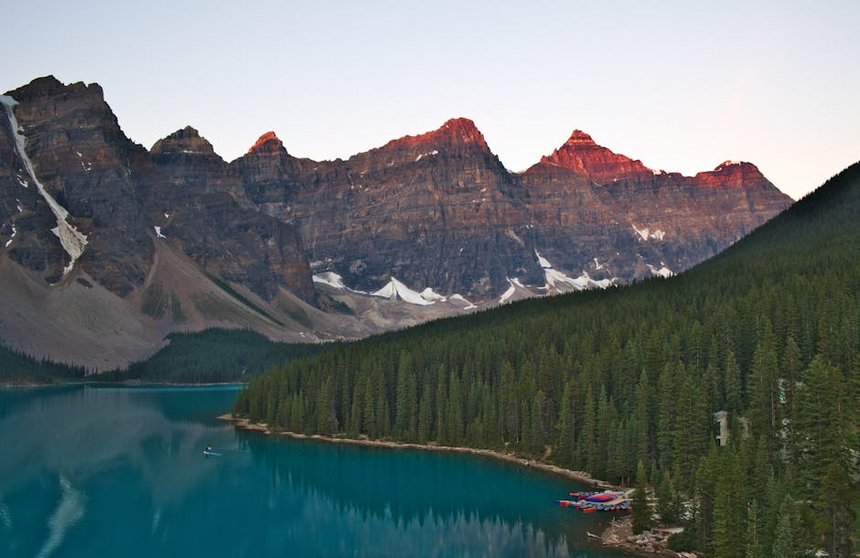
- Canadian Rockies (Alberta/British Columbia): Home to iconic, glacier-colored lakes like Lake Louise and Moraine Lake, set beneath towering peaks, best accessed from June to September.
- Great Lakes Region (Ontario): Features the world’s largest freshwater system by area, offering massive dunes, island archipelagos like the 30,000 Islands, and vibrant fall foliage along shorelines.
- Canadian Shield (Quebec & Ontario): Characterized by ancient bedrock, countless interconnected lakes, and excellent canoeing routes through parks like Algonquin and La Vérendrye.
- Coastal & Mountain Lakes (British Columbia): Includes stunning destinations like Garibaldi Lake, accessible by hike, and the warmer waters of the Okanagan Valley, suitable for summer swimming.
- Budget Camping Tour: $75-125 USD per day covers a campsite ($20-40), park entry, self-prepared food, and a rental car split between travelers. Add costs for canoe or kayak rental ($40-60/day). This style offers maximum immersion and flexibility.
- Mid-Range Lodge & Tour Mix: $200-350 USD per day includes lodge or cabin accommodation, some guided activities like a half-day boat cruise or wildlife tour, and meals at local diners or cafes. This balances comfort with authentic experience.
- Luxury Guided Expedition: $500+ USD per day features all-inclusive guided multi-day hiking or paddling trips, gourmet backcountry meals, stays at iconic wilderness lodges like the Fairmont Chateau Lake Louise, and private transfers.
- Parks Canada Official Website
- Government of Canada Travel Information
Key Details on Parks and Access
Canada’s national and provincial parks protect its most spectacular lake scenery. Parks Canada manages 48 national parks, many requiring a daily Discovery Pass (approx. $10.50 USD / $14 CAD per person). Popular parks like Banff and Jasper implement timed entry systems for key sites during peak summer months, necessitating advanced online reservation.
Provincial parks, such as those in Ontario’s system, often provide more secluded lake access with excellent campgrounds. Booking for summer campsites typically opens five months in advance, with prime waterfront spots selling out within minutes. Researching less-famous provincial parks can yield equally stunning views with fewer visitors.
Wildlife and Conservation Ethics
Encounters with megafauna are a highlight of a Canadian lake tour. Black bears, grizzly bears, moose, elk, and beavers inhabit these watersheds. Always maintain a distance of 100 meters from bears and 30 meters from other large animals. Store all food and scented items in bear-proof containers or vehicle trunks when not in use.
Practice Leave No Trace principles rigorously to protect delicate ecosystems. This includes packing out all waste, camping on durable surfaces, and using biodegradable soap at least 70 meters from any water source. Many regions have strict fire bans in dry summer periods, so carry a camp stove.
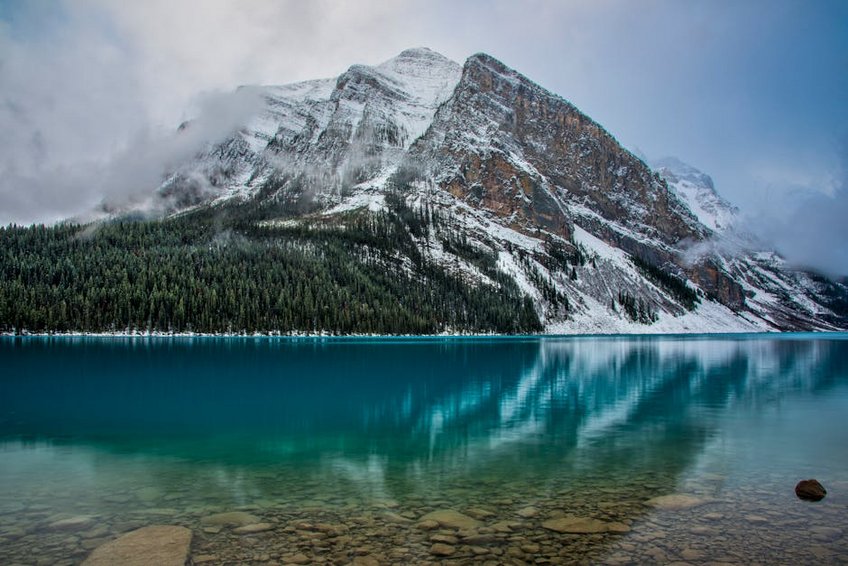
Alt: “canadian-rockies-lake-louise-turquoise-water-mountains”
Nature and Lake Tour in Canada – Planning Your Trip
Crafting the perfect itinerary requires matching your interests with the right region and season. A classic one-week road trip could focus on the Banff and Jasper parkways, linking multiple iconic lakes. For a paddling-focused journey, consider a 3-5 day canoe trip in Ontario’s Algonquin Park, where portage trails connect serene waterways.
Budget allocation is crucial. While camping significantly reduces costs, guided tours and lodge stays enhance comfort and educational value. Factor in park entry fees, equipment rentals, and fuel for often-remote travel distances. Booking accommodations or campsites 4-6 months ahead is essential for July and August travel.
Your physical preparation should match your planned activities. Canoeing and kayaking require basic paddling skills, while mountain lake hikes demand good fitness and proper footwear. Research trail conditions and water levels before departure, as they change rapidly with weather.
Best Time to Visit Canadian Lakes
Peak summer (July-August) offers the warmest weather, with daytime highs of 68-77°F (20-25°C) in southern regions, and all services, tours, and trails fully operational. This is the busiest period, especially in national parks, where parking at popular trailheads fills by 8 AM. Mosquitoes and blackflies are most prevalent in June and early July.
Shoulder seasons provide distinct advantages. Late May to June features roaring waterfalls from snowmelt and blooming wildflowers with fewer crowds. September brings spectacular autumn colors, chilly nights of 32-50°F (0-10°C), and the absence of insects. Many parks remain accessible until Canadian Thanksgiving in mid-October, though services are reduced.
Budget Planning and Costs
Your budget will vary dramatically based on travel style and region.
Essential Preparation Checklist
Packing correctly is non-negotiable for comfort and safety. Essential gear includes a waterproof jacket and pants, insulating layers (fleece or down), quick-dry clothing, sturdy hiking boots, and water shoes. Bring a high-quality insect repellent with DEET or icaridin, a broad-spectrum sunscreen, and a wide-brimmed hat for sun protection.
Organization involves securing necessary documentation. U.S. citizens need a valid passport; an ESTA is not required for land or air entry. Purchase comprehensive travel insurance covering medical evacuation, especially for remote activities. Download offline maps (Google Maps or Maps.me) and inform someone of your detailed itinerary before heading into wilderness areas.
Top Attractions and Unforgettable Activities
Canada’s lake districts present a catalog of iconic sights and immersive experiences. From the famous turquoise waters of the Rockies to the silent expanse of northern boreal lakes, each visit creates lasting memories. Prioritize a mix of famous viewpoints and personal adventure to capture the full scope of the landscape.
Accessibility varies by location. Major sites in Banff and Jasper have paved paths and visitor centers, while more remote gems require hiking or paddling to reach. Balancing easily accessible highlights with at least one effort-requiring destination ensures you experience both the postcard views and the true solitude of the backcountry.
Must-See Lake Highlights
Lake Louise in Banff National Park is world-renowned for its vibrant turquoise color, best viewed early in the morning before crowds arrive. The lakeshore path is accessible year-round, while the summer canoe rental offers a classic perspective. Parking is extremely limited; use the park’s seasonal shuttle bus system from the Lake Louise Ski Area lot.
Maligne Lake in Jasper National Park is famous for Spirit Island, accessible only by a scenic 90-minute boat cruise. For a more active experience, hike the nearby Bald Hills or Opal Hills trails for panoramic overhead views. The lake’s water remains cold, around 39°F (4°C), even in summer, limiting swimming.
Lake Superior in Ontario presents a vastly different scale, with coastline hiking trails like the Pukaskwa Coastal Trail offering rugged, remote beauty. Visit the Agawa Bay area to see ancient Indigenous pictographs. The lake’s size creates its own weather, so be prepared for sudden fog and wind changes.
Hidden Gems and Local Favorites
For solitude, venture beyond the famous national parks. Manitoba’s Whiteshell Provincial Park features clear lakes, pink granite shorelines, and excellent chances to see bald eagles and loons with minimal tourist traffic. Similarly, Quebec’s Parc national de la Jacques-Cartier offers deep glacial valleys and serene lakes just 30 minutes from Quebec City.
Local paddlers often favor interconnected lake systems like Ontario’s Killarney Provincial Park, known for its white quartzite mountains and crystal waters, or the Bowron Lakes Canoe Circuit in British Columbia, a world-class 72-mile paddling route. These require advanced planning and backcountry skills but reward with pristine environments.
Guided Tours and Unique Experiences
Guided tours enhance understanding and access. Interpretive boat tours on lakes like Lake Minnewanka in Banff provide geological and historical context from knowledgeable guides. For wildlife, consider a guided evening kayak tour on Johnston Lake to spot beavers and elk at their most active.
Unique adventures include taking a floatplane to a remote fly-in fishing lodge in Northern Ontario or Saskatchewan for unparalleled access. In winter, many lakes transform into hubs for ice skating, ice fishing, and snowshoeing, offering a completely different but equally magical perspective on the frozen landscape.
Practical Travel Information and Logistics
Navigating Canada’s vast lake regions requires understanding transportation networks. Major international airports in Toronto (YYZ), Vancouver (YVR), and Calgary (YYC) serve as primary gateways. Domestic flights on carriers like Air Canada or WestJet connect to smaller hubs like Thunder Bay or Kelowna, closer to specific lake districts.
Accommodation ranges from backcountry campsites to luxury wilderness lodges. Booking platforms like Parks Canada Reservation Service, Airbnb, and traditional hotel sites are all essential. For a true immersion, consider a houseboat rental on a large lake system like the Trent-Severn Waterway or Shuswap Lake.
| Accommodation Type | Features & Best For | Price Range/Night (USD) |
|---|---|---|
| National Park Campground | Basic facilities, incredible location, fire pits. Book months ahead. | $20 – $45 |
| Roadside Motel/Cabin | Private bathroom, WiFi, often family-run. Good for road trips. | $90 – $160 |
| Wilderness Lodge | Full board, guided activities, remote setting. All-inclusive experience. | $300 – $600+ |
| Vacation Rental (Cottage) | Kitchen, multiple bedrooms, private waterfront. Ideal for groups/families. | $180 – $400 |