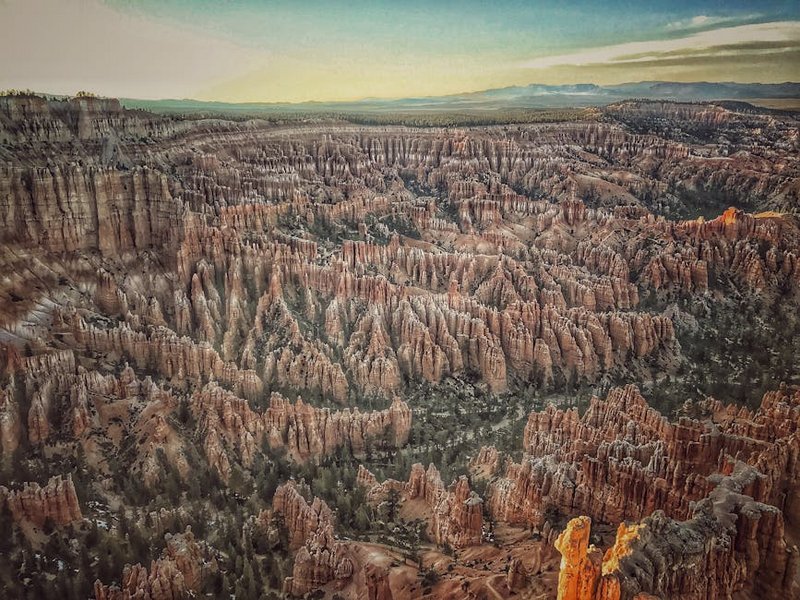
National Parks in the USA: Your Guide to America’s Greatest Treasures
The vast system of national parks in the USA preserves some of the planet’s most spectacular landscapes, from towering granite cliffs to geothermal wonderlands. This network offers unparalleled access to wilderness, wildlife, and geological history across all fifty states. Our guide provides the essential planning insights and destination details you need to craft your perfect American adventure.
The U.S. National Park System: An Essential Overview
The National Park Service manages 63 designated national parks alongside hundreds of monuments, historic sites, and recreation areas. This system began with Yellowstone’s establishment in 1872, creating a global model for conservation. Each park protects unique ecosystems and cultural histories for future generations.
Visitor numbers fluctuate seasonally, with summer drawing the largest crowds to major destinations like the Grand Canyon and Great Smoky Mountains. Planning ahead is crucial for securing campgrounds, lodging, and popular tour permits. Understanding the different park designations helps prioritize your itinerary based on your interests.
Understanding Park Designations and Fees
Beyond the headline parks, the system includes several categories. Knowing these helps you explore less crowded gems with similar scenery.
- National Monuments: Protect historical, cultural, or scientific features like Devils Tower; often have fewer facilities but stunning landscapes.
- National Preserves: Allow regulated hunting and fishing while protecting resources, such as Alaska’s vast Lake Clark.
- National Recreation Areas: Focus on water-based and outdoor activities near urban centers, like the Glen Canyon area.
- Budget Traveler ($75-$125/day): Focus on camping, preparing your own meals, and free ranger programs. Use the annual pass for entry and prioritize parks with first-come campgrounds. This style maximizes time in nature while minimizing expenses.
- Mid-Range Explorer ($150-$250/day): Stay in park lodges or nearby vacation rentals, mix casual dining with picnics, and book one premium guided tour per park. This balance offers comfort and unique experiences like a guided hike or wildlife safari.
- Premium Adventure ($300+/day): Book historic in-park hotels like Yellowstone’s Old Faithful Inn, enjoy fine dining, and arrange private guiding or photography workshops. This tier provides maximum convenience and deep educational access.
- National Park Service Official Website
- National Geographic Parks Coverage
Annual Passes and Reservation Systems
The America the Beautiful Annual Pass costs $80 and covers entrance fees for all passengers in one vehicle at federal recreation sites. It pays for itself after visiting about three major parks. Senior and military passes offer significant lifetime discounts for eligible travelers.
Many popular destinations now require timed entry reservations to manage congestion. This includes Arches, Glacier, Rocky Mountain, and Yosemite during peak seasons. These reservations are released months in advance and also on rolling calendars, requiring flexible planning.
Leave No Trace Principles
Every visitor shares responsibility for protecting these fragile environments. The seven Leave No Trace principles provide a framework for minimum impact recreation. Sticking to designated trails, packing out all trash, and respecting wildlife distances are non-negotiable practices for sustainable travel.
Alt: “yellowstone-national-park-grand-prismatic-spring-aerial-view”
National Parks in the USA: Strategic Trip Planning
Crafting a successful itinerary for national parks in the USA requires matching destinations with seasons and personal interests. A Southwest circuit visiting Utah’s “Mighty 5” offers stunning desertscapes best in spring and fall. A Pacific Northwest trip combines rainforests and volcanoes, ideal for summer exploration.
Budget between $150-$300 per day for a couple, covering park fees, mid-range lodging, rental car, and meals. Costs rise significantly for guided activities like rafting or helicopter tours. Camping drastically reduces expenses, with park campgrounds ranging from $20-$35 per night.
Best Time to Visit Major Park Regions
The ideal visitation period varies dramatically by region. Southwestern parks like Zion and Grand Canyon peak in spring (March-May) and fall (September-November) with mild 60-80°F (15-27°C) days. Summer temperatures often exceed 100°F (38°C), making hiking dangerous without preparation.
Northern parks such as Glacier and Acadia have short, bustling summers from late June to August with highs of 70-80°F (21-27°C). Mountain passes may remain snow-covered until July. Winter visits to parks like Yellowstone offer sublime solitude but require specialized gear for sub-zero °F temperatures.
Budget Planning and Cost Tiers
Your daily budget determines lodging style, dining options, and activity access. Consider these three tiers for realistic planning.
Essential Preparation Checklist
Physical preparation is as important as logistical planning. Start conditioning hikes with a loaded daypack 2-3 months before your trip. Break in sturdy hiking boots thoroughly to prevent blisters during long trail days. Practice with new camera gear or camping equipment in a local setting first.
Download offline maps via the National Park Service app since cell service is unreliable. Make critical lodging reservations 6-12 months ahead for popular parks. Purchase travel insurance that covers emergency evacuation from remote trailheads, a crucial safety net.
Iconic Destinations and Unforgettable Experiences
Each American park delivers a unique signature experience. Yellowstone’s geothermal features explode with color and power, while Yosemite’s granite monoliths inspire awe. The Grand Canyon’s sheer scale challenges perception, and Glacier’s Going-to-the-Sun Road offers alpine drama around every bend.
Beyond famous vistas, ranger-led programs provide incredible depth. Join a night sky talk in Bryce Canyon, a geology walk in Arches, or a tide pool exploration in Olympic. These free activities connect you to the landscape’s stories and scientific wonders.
Must-See Park Highlights
Yosemite Valley presents iconic views of El Capitan and Half Dome, best photographed at sunrise from Tunnel View. The park requires a summer reservation for vehicle entry. Hike the Mist Trail to Vernal Fall for a refreshing, immersive experience.
The Grand Canyon’s South Rim offers accessible viewpoints along Desert View Drive, with the quieter North Rim opening seasonally from mid-May. Consider a mule trip into the canyon or a helicopter flight for perspective. Entry is $35 per vehicle, valid for seven days.
Zion National Park’s Angels Landing hike provides thrilling views for those comfortable with heights and chains. The park shuttle system is mandatory for accessing the scenic canyon from March through November. The Narrows wading hike offers a completely different water-based adventure.
Hidden Gems and Lesser-Known Parks
For solitude and stark beauty, consider parks with remote character. Great Basin National Park in Nevada features ancient bristlecone pine forests and the spectacular Lehman Caves. It receives a fraction of the visitors found at Utah’s nearby parks, offering true quiet.
North Cascades National Park in Washington is often called the “American Alps” for its jagged peaks and over 300 glaciers. It lacks the infrastructure of major parks, rewarding self-sufficient travelers with pristine backpacking routes and few day-use crowds, even in July.
Congaree National Park in South Carolina protects the largest intact old-growth bottomland hardwood forest in the U.S. Its boardwalk trail provides easy access to a flooded forest ecosystem teeming with wildlife, ideal for a peaceful, bug-free visit in the cooler months.
Adventure Activities and Guided Tours
Many parks partner with authorized concessioners for structured adventures. These include whitewater rafting on the Colorado River through the Grand Canyon, multi-day excursions requiring advance booking. In Alaska’s Denali, bus tours travel the single park road, offering the best wildlife viewing opportunities.
Rock climbing schools operate in Yosemite and Joshua Tree, while snorkeling tours explore the coral reefs of Dry Tortugas. Booking these activities 3-6 months in advance is standard, especially for small-group offerings. Always verify the operator holds a current National Park Service permit.
Practical Travel Logistics and Accommodations
Navigating the parks requires understanding their often-remote locations. Major gateway airports serve regions like Las Vegas for Zion and Phoenix for the Grand Canyon. Regional airports near parks like Jackson Hole for Grand Teton offer convenience at higher fares.
Lodging fills quickly; park-operated accommodations inside boundaries offer location advantages but book exactly when reservations open, often a year ahead. Surrounding gateway towns provide more options and dining variety, necessitating a rental car for daily commuting to park entrances.
| Accommodation Type | Best For & Features | Price Range/Night (USD) |
|---|---|---|
| National Park Lodge | Historic ambiance, prime location inside park, often rustic | $200 – $500+ |
| Gateway Town Hotel | More amenities and dining, requires driving to park | $150 – $300 |
| Park Campground (Developed) | Budget, immersion in nature, reservable or first-come | $20 – $35 |
| Vacation Rental/Cabin | Families or groups, kitchen facilities, more space | $250 – $600 |