Nature Tours in Vietnam: Exploring Jungles, Mountains, and Coastlines
Vietnam offers one of Southeast Asia’s most diverse landscapes for immersive eco-tourism. Your nature tours in Vietnam span misty northern highlands, vast central jungles, and a labyrinthine southern river delta. This guide details the essential regions, optimal seasons, and practical logistics for crafting your perfect adventure.
Essential Information on Vietnam’s Natural Landscape
Vietnam’s geography creates distinct ecosystems across its 1,650-kilometer (1,025-mile) length. The northern region features towering limestone karsts and ethnic minority villages in areas like Sapa and Ha Giang. Central Vietnam holds biodiverse national parks, while the Mekong Delta in the south is a vast web of waterways and floating markets.
This environmental variety supports incredible wildlife, including rare primates, hundreds of bird species, and unique marine life. Understanding these regional differences helps you select the right Vietnamese nature adventure for your interests. You can focus on trekking, wildlife spotting, caving, or coastal exploration.
Northern Vietnam’s Mountainous Terrain
The north provides the most dramatic topography for trekking enthusiasts.
- Fansipan Mountain: Summit “the Roof of Indochina” at 3,147 meters (10,326 feet) via a challenging 2-3 day trek or a scenic cable car from Sapa.
- Ha Giang Loop: Motorbike or jeep through stunning passes like Ma Pi Leng, visiting ethnic Hmong, Tay, and Dao villages along the remote Chinese border.
- Ba Be National Park: Explore Vietnam’s largest natural lake by boat, trek to waterfalls, and stay in traditional stilt-house homestays within the park.
- Budget Tours ($50-100/day): Includes basic homestays, local meals, and public transport. Typical are 2-day Sapa trekking tours from Hanoi or MekDelta day trips from Ho Chi Minh City. Book through reputable hostels or local tour offices.
- Mid-Range Tours ($100-250/day): Features better-equipped hikes, private transport, and eco-lodge accommodation. Examples include 3-day jungle treks in Cat Tien National Park or guided explorations of Phong Nha’s Tu Lan cave system. This offers the best value for serious enthusiasts.
- Premium/Luxury Tours ($250+/day): Provides exclusive access, expert naturalist guides, and high-end lodging like Topas Ecolodge in Sapa or cruising the Mekong on the *Aqua Expeditions* boat. Includes specialized activities like primate-focused photography tours.
- Vietnam National Administration of Tourism
- Lonely Planet Vietnam Travel Guide
Central Highlands and National Parks
Central Vietnam is the heart of the country’s conservation efforts and jungle terrain.
Phong Nha-Ke Bang National Park is a UNESCO site with the world’s largest caves, including Son Doong. Multi-day expeditions here involve camping underground. Meanwhile, Bach Ma National Park near Hue offers cooler temperatures and excellent day-hiking trails to cascading waterfalls with panoramic coastal views.
Further south, the Dalat plateau provides pine forests, coffee plantations, and canyon adventures. This region is ideal for canyoning, waterfall rappelling, and exploring rural countryside on easy bicycle routes.
The Southern Mekong Delta Ecosystem
The “Rice Bowl” of Vietnam is a completely different, water-based world.
Navigate narrow canals by small sampan boat to see floating markets, fruit orchards, and local workshops. Key areas include Can Tho, for the bustling Cai Rang floating market at dawn, and the quieter Ben Tre province, known for coconut groves. Birdwatching is exceptional in the Tram Chim National Park, a vital wetland sanctuary.
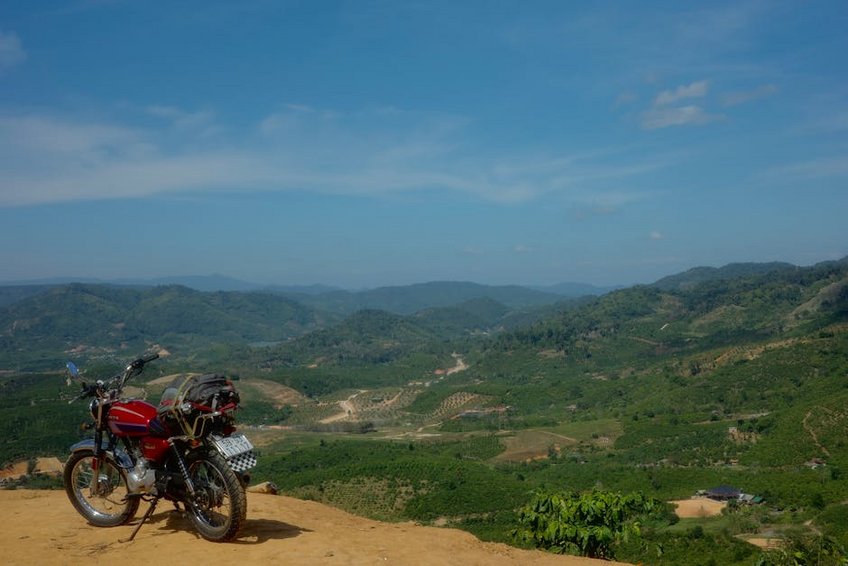
Alt: “ha-giang-loop-vietnam-mountain-pass-motorbike-riders”
Nature Tours in Vietnam – Planning Your Adventure
Selecting the right tour operator is crucial for a safe and impactful experience. Look for companies with certified guides, small group sizes, and clear sustainable tourism policies. Your nature tours in Vietnam should support conservation and local communities directly. Read recent traveler reviews focusing on guide knowledge and logistical organization.
Independent travel is possible in places like Sapa or Cat Ba Island with self-guided hikes. However, for jungle treks, caving, or remote homestays, a guided tour provides necessary safety, permits, and cultural access. Budget between $50 and $150 per day depending on the activity level and inclusions.
Best Time to Visit for Outdoor Activities
The optimal timing varies dramatically by region due to Vietnam’s complex climate.
For northern trekking, visit from September to November or March to May. These months offer dry, cool conditions with average temperatures of 15-25°C (59-77°F). Avoid the rainy season from June to August, when trails become slippery, and the cold, foggy period from December to February. Central Vietnam is best from February to August, enjoying dry, hot weather perfect for beach and park visits.
The southern Mekong Delta has a tropical climate with two main seasons. The dry season (December to April) is ideal for cycling and boat tours. The green, lush wet season (May to November) sees afternoon downpours but offers spectacularly full waterways and vibrant landscapes.
Budget Planning and Costs
Tour costs vary based on duration, comfort, and activities included.
Essential Preparation Checklist
Packing correctly enhances comfort and safety across Vietnam’s varied climates.
Essential gear includes broken-in hiking boots, quick-dry clothing, a high-quality rain jacket, and a daypack. Also pack strong insect repellent (30-50% DEET), a reusable water bottle with purification tablets, and a headlamp for caving or early starts. Break your boots in before you travel to avoid painful blisters on the trail.
Required documents include a valid passport and a pre-arranged eVisa for most nationalities. Secure comprehensive travel insurance covering emergency evacuation and adventure activities. Book domestic flights (Vietnam Airlines, Vietjet) and key guided tours at least 2-3 months in advance for peak season travel from October to April.
Top Attractions and Unforgettable Experiences
Beyond famous sites, Vietnam’s nature rewards those seeking immersive encounters. The country’s national parks protect crucial habitats and offer well-maintained trails. From spotting rare langurs to kayaking in hidden lagoons, the experiences are deeply memorable and varied across regions.
Combining different areas gives a complete picture of the country’s environmental wealth. A classic two-week itinerary could link northern mountain trekking with central cave exploration and a southern delta relaxation. Prioritize based on your preferred pace and primary activity interests.
Must-See National Parks and Reserves
Cat Tien National Park, a 3-hour drive from Ho Chi Minh City, is a biodiversity hotspot. Here, you can take night safaris to see civets and lorises, and trek to see the endangered Dao Tien golden-cheeked gibbons. Stay in forest-floor lodges for full immersion.
Cuc Phuong National Park, Vietnam’s oldest, is famous for its primate rescue center and ancient giant trees. The best time to visit is during the dry season from November to February. A guided overnight trek to a remote Muong village inside the park is a highlight.
Phong Nha-Ke Bang is essential for geology enthusiasts. While Son Doong is a major expedition, easier options like the Paradise Cave day tour or the 2-day Oxalis Adventure into Hang En cave offer astounding experiences. The park’s karst landscape is also great for jungle trekking.
Hidden Gems and Local Favorites
Pu Luong Nature Reserve, south of Mai Chau, offers stunning rice terrace trekking with far fewer tourists than Sapa. Stay in exceptional eco-retreats like Pu Luong Retreat and hike between traditional Thai villages. The terrain is challenging but incredibly rewarding.
Con Dao Islands, a remote archipelago, combine historical intrigue with pristine nature. The marine park offers some of Vietnam’s best snorkeling and diving. On land, hike through national park trails to see rare black squirrels and breed endangered sea turtles on night-time tours (seasonal).
For a unique highland experience, explore the Sin Ho area near Lai Chau. This region sees almost no foreign tourists and offers authentic homestays with Flower Hmong communities. The landscapes are rugged, with winding roads through endless tea plantations and traditional markets.
Adventure Activities: Trekking, Caving, and Kayaking
Multi-day trekking remains the premier way to connect with Vietnam’s backcountry. Operators like Sapa O’Chau or Ethos Spirit offer community-based treks with ethical homestays. In Cat Ba Island, trek through Cat Ba National Park to fortified viewpoints before kayaking in Lan Ha Bay’s quieter karst seascapes.
Caving adventures range from introductory day trips to serious expeditions. The “Easy Tiger” cave in Phong Nha is accessible for most fitness levels. For committed adventurers, companies like Oxalis run professional 4-5 day expeditions that involve camping inside colossal caverns.
Practical Travel Information and Logistics
Navigating Vietnam is straightforward with some planning. Domestic flights are affordable and efficient for covering long distances, such as Hanoi to Da Nang for central parks. Overnight trains (like the Hanoi-Lao Cai route to Sapa) offer a classic, comfortable travel experience.
For ground transport, reputable open-tour bus companies provide reliable, air-conditioned connections between major tourist hubs. Renting a motorbike with a driver (a “xe om”) is a fantastic way to explore rural areas like the Mekong Delta at your own pace.
| Tour Type | Key Features & Destinations | Average Price Range (USD) |
|---|---|---|
| Northern Mountain Trekking | Homestays in Sapa/Ha Giang, ethnic culture, rice terrace views | $80 – $200 (2-3 days) |
| Central Caving & Jungle | Expert guides in Phong Nha, safety gear, jungle camping | $300 – $1000+ (2-4 days) |
| Mekong Delta Exploration | Boat tours, floating markets, cottage industry visits | $40 – $150 (1-2 days) |
| Wildlife & Birdwatching | Specialist guides in Cat Tien or Tram Chim, night safaris | $100 – $300 (1-2 days) |