Street Food Guide in South Korea
Navigating the vibrant street food scene in South Korea offers an authentic taste of the country’s dynamic culture and culinary innovation. Your street food journey connects you with generations-old recipes served from traditional pojangmacha tents alongside modern twists from trendy food trucks. This guide provides detailed strategies for finding the best stalls, understanding regional specialties, and enjoying these delicious experiences safely and affordably across Seoul, Busan, and beyond.
Essential Korean Street Food Culture
Street food in South Korea, or “bunsik,” represents a vital part of daily life, operating as quick breakfast spots, bustling lunch hubs, and lively social centers after dark. The culture blends historical influences from royal court cuisine and post-war improvisation with contemporary global trends. You will find vendors specializing in single dishes perfected over decades, ensuring quality and consistency at every stall.
Major cities host dedicated street food markets like Seoul’s Myeongdong and Gwangjang Market, where hundreds of vendors create a sensory overload of sizzling sounds and aromatic smells. Smaller towns feature clusters of carts near subway stations, schools, and traditional markets, each with local character. Understanding this ecosystem is your first step to eating like a local and discovering hidden culinary gems away from the main tourist paths.
Historical Roots and Modern Evolution
Modern Korean street food traces its origins to the portable snacks sold outside historic Seoul gates and the makeshift tents that fed a recovering nation. Today’s scene honors these roots while embracing innovation, with classic items like tteokbokki sitting alongside viral creations. The evolution reflects South Korea’s rapid development, yet maintains a deep connection to communal dining and shared public space.
- Pojangmacha Tents: These iconic plastic-covered tents serve as informal pubs and eateries, offering warmth, soju, and anju (drinking food) like odeng (fish cake skewers) from late afternoon until early morning. They provide a uniquely Korean social experience.
- Modern Food Trucks and Containers: A newer trend, especially in trendy areas like Hongdae and Itaewon, features gourmet trucks and converted shipping containers selling fusion items such as bulgogi cheesesteaks or artisanal tornado potatoes.
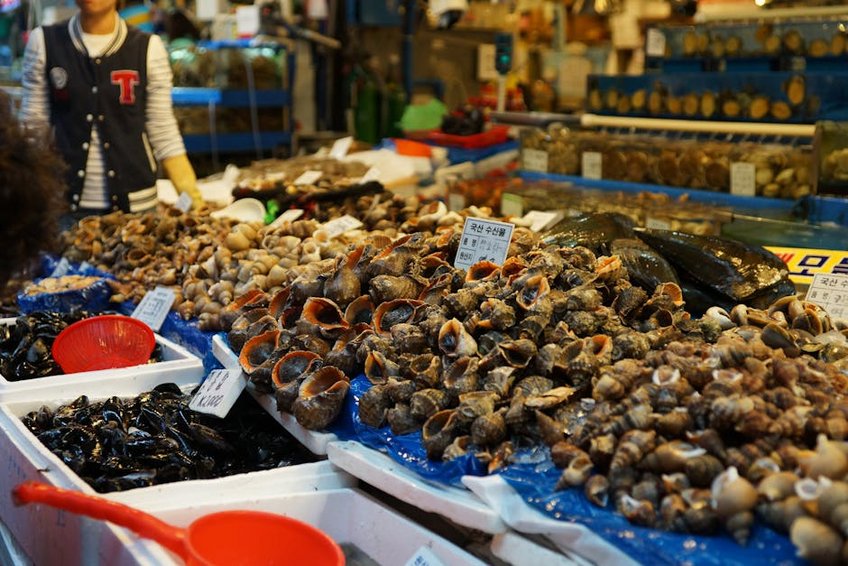
- Traditional Market Stalls: Permanent stalls within markets like Namdaemun or Jagalchi Fish Market in Busan specialize in specific regional or historic dishes, often operated by the same family for generations.
- Budget-Friendly ($10-$15): This covers 3-4 classic items like kimbap (₩2,000), tteokbokki (₩3,000), and sundae (blood sausage) (₩4,000), plus a drink. Ideal for travelers prioritizing other experiences.
- Mid-Range Explorer ($20-$30): Allows for sampling premium items like jokbal (pig’s trotters) (₩8,000), a portion of dak-kkochi (chicken skewers) (₩5,000), and a dessert like bungeoppang (₩1,500). You can try 5-6 different dishes comfortably.
- Luxury Feasting ($35-$40+): Enables indulgence in seafood delicacies like giant butter-grilled scallops (₩10,000), gourmet fusion dishes, and multiple desserts. Perfect for dedicated foodies wanting to taste everything.
- Korea Tourism Organization
- Atlas Obscura Food
Street Food Etiquette and Dining Tips
While street food culture is generally casual, observing a few local customs enhances your experience and shows respect. Most transactions are cash-based, though some vendors in major tourist areas now accept touch payment apps. It’s customary to eat your food near the stall where you purchased it, as seating is often limited or standing-only.
Carry small denomination Korean won bills (₩1,000, ₩5,000, ₩10,000) for easier transactions. Trash disposal follows a strict carry-out system; vendors provide small bags for your skewers and wrappers. Do not walk while eating substantial dishes like bibimbap; instead, find a nearby ledge or standing table to enjoy your meal properly.
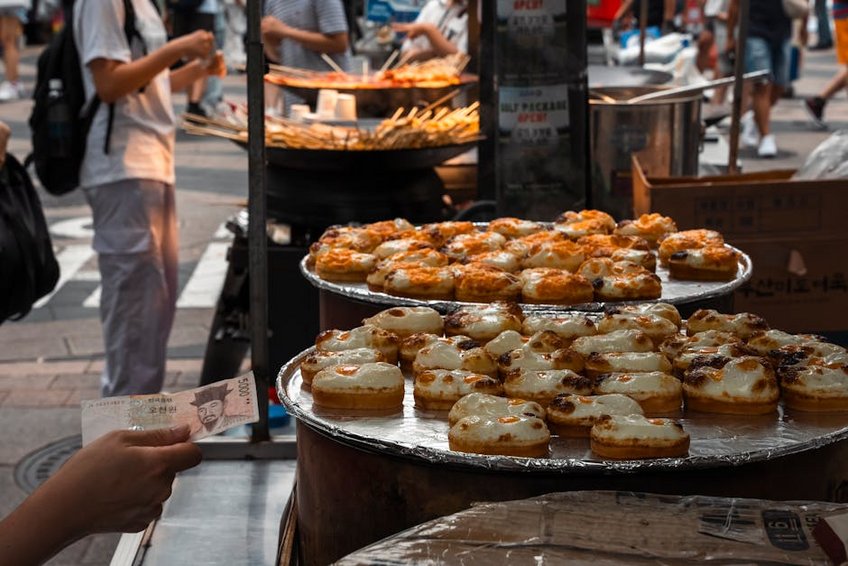
Alt: “seoul-myeongdong-street-food-market-ttokbokki-hotteok-vendor”
Street Food Guide in South Korea – Planning Your Culinary Tour
Successfully exploring Korea’s street food requires strategic planning around location, timing, and budget. Focus your initial efforts on neighborhoods renowned for their food markets, then venture into residential areas for more authentic, less crowded encounters. Your daily budget for street food can range from a frugal $10 to a lavish $40, depending on your appetite and willingness to try premium items.
Seasonality dramatically influences available offerings, with cold-weather comforts like hotteok (sweet pancakes) and gun-goguma (roasted sweet potatoes) dominating winter, and cool treats like patbingsu (shaved ice) and fresh fruit cups appearing in summer heat. Always check the operational hours for your target area, as some markets are daytime-only while pojangmacha tents come alive after sunset.
Best Time to Visit for Street Food
The peak seasons for street food variety are spring (April-June) and autumn (September-November), when pleasant temperatures between 60°F and 75°F (15°C-24°C) make outdoor eating comfortable. These periods see full market operation and seasonal specialties like strawberry-filled bungeoppang. Summer offers extended evening hours but can be humid, with temperatures reaching 85°F (30°C).
Winter, from December to February, transforms the scene with steaming hot foods, though some outdoor stalls may have reduced hours during extreme cold below 32°F (0°C). For festival-specific treats, plan around major holidays like Chuseok (Korean Thanksgiving) or local food festivals, which feature limited-time offerings you won’t find during regular months.
Budget Planning and Daily Costs
Your daily street food budget breaks down into three main spending tiers, excluding sit-down restaurant meals.
Essential Preparation Checklist
Pack hand sanitizer or wet wipes, as facilities for handwashing are often not available at stalls. Bring a reusable bottle for water to balance salty or spicy foods, and consider carrying a small pack of tissues or a handkerchief. Wear comfortable shoes for standing and walking between vendors, and dress in layers for variable weather.
Ensure you have a translation app or a picture guide of foods downloaded for offline use. Secure a map or mark key food markets on your phone’s navigation app. Finally, arrive with an adventurous appetite and a plan to share dishes so you can sample more variety without getting too full too quickly.
Top Street Food Markets and Locations
Seoul serves as the epicenter of Korean street food, with distinct districts offering different vibes and specialties. Myeongdong is the most famous for its dense, tourist-friendly rows of stalls selling eye-catching, Instagram-worthy treats. For a more traditional and historic atmosphere, Gwangjang Market provides an authentic experience with fewer frills and deeper culinary roots.
Beyond Seoul, Busan’s Jagalchi Market area offers incredible seafood-focused street food, while Jeonju’s Hanok Village is famed for its refined versions of classic snacks. University neighborhoods like Sinchon and Hongdae cater to student budgets with generous portions and trendy items, often at lower prices than major tourist zones.
Must-See Highlights: Seoul’s Premier Markets
Gwangjang Market is a must-visit for its vintage atmosphere and iconic dishes like bindaetteok (mung bean pancakes), which cost about ₩5,000 ($3.75) per savory, crispy portion. Myeongdong Street Food Alley operates from afternoon until late evening, specializing in modern creations like cheese-filled lobster tails (₩15,000/$11) and grilled giant octopus skewers.
Namdaemun Market, open 24 hours, is perfect for late-night cravings or early morning bites, with famous kalguksu (knife-cut noodle soup) stalls. Insadong’s Ssamziegil offers a more curated experience with artisanal takes on street food in a clean, indoor-outdoor complex, ideal for those sensitive to crowded outdoor conditions.
Hidden Gems and Local Favorites
Explore the areas around Ewha Womans University and Sookmyung Women’s University for affordable, delicious stalls catering to students. You’ll find generous servings of ddeokbokki and kimbap for under ₩3,000 ($2.25). Mangwon Market, near Hongdae, is an up-and-coming spot popular with young locals, featuring hybrid dishes and excellent mandu (dumplings).
For a unique experience, visit the traditional market in Tongin, Seoul, where you can use old brass coins to purchase small portions from various vendors, creating a customized lunchbox. In Busan, the alleyways around BIFF Square are legendary for their ssiat hotteok (seed-stuffed sweet pancakes), a local variation not commonly found in Seoul.
Regional Specialties Across Korea
Each region boasts its own street food signature. In Jeonju, the birthplace of bibimbap, you’ll find exquisite street-side versions. Gwangju is famous for tteokgalbi (grilled short rib patties) served on sticks. On the southern coast, cities like Sokcho offer freshly grilled squid and other seafood right on the pier.
Daegu specializes in spicy dishes, so expect notably hotter tteokbokki. In the historic city of Gyeongju, try ppang (bread) filled with local red bean paste. Exploring these regional differences turns your street food tour into a delicious geographical journey across the peninsula.
Practical Travel Information for Foodies
Navigating South Korea’s cities is straightforward with its excellent public transportation. Purchase a T-money card at any convenience store to pay for subways and buses, which also works for micropayments at some food stalls. Internet access is crucial for maps and translations; consider renting a portable Wi-Fi egg or purchasing a local SIM card upon arrival at the airport.
Accommodation near major subway lines provides the best access to scattered food markets. Areas like Jongno, Myeongdong, or Hongdae in Seoul place you within walking distance of multiple street food hubs. Learning basic Korean phrases like “juseyo” (please give me) and “gamsahamnida” (thank you) is greatly appreciated by vendors.
| Food Category | Must-Try Examples | Average Price (USD) |
|---|---|---|
| Rice & Noodle Dishes | Tteokbokki (spicy rice cakes), Kimbap (seaweed rice rolls), Rabokki (ramen & tteokbokki) | $2 – $5 |
| Fried & Battered | Hotteok (sweet pancakes), Twigim (assorted fried veggies/seafood), Dakgangjeong (sweet crispy chicken) | $1.50 – $4 |
| Skewers & Grilled | Odeng (fish cake soup & skewer), Dak-kkochi (spicy chicken skewer), Soondae (blood sausage) | $1 – $3 per skewer |
| Seafood | Grilled jumbo prawns, Sashimi cups, Stir-fried octopus | $4 – $12 |
| Desserts & Sweets | Bungeoppang (fish-shaped pastry), Patbingsu (shaved ice), Honey Butter Toast | $1.50 – $6 |