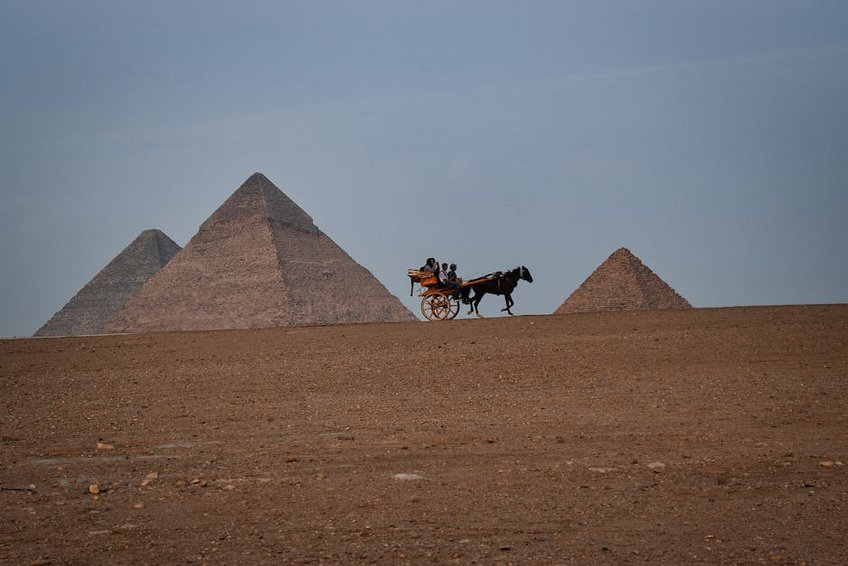
Exploring the Pyramids of Egypt
Standing sentinel on the Giza Plateau for millennia, exploring the Pyramids of Egypt is a profound encounter with human ambition and ancient engineering. This journey connects you with the world of the pharaohs, a civilization that mastered astronomy, mathematics, and construction to create eternal monuments. This guide provides the practical insights and historical context you need to transform a simple visit into a meaningful adventure, covering logistics, cultural etiquette, and hidden details.
Essential Information on Egypt’s Ancient Monuments
The Pyramids of Giza are the sole survivors of the Seven Wonders of the Ancient World, constructed during the Old Kingdom period roughly 4,500 years ago. These massive tombs were built for pharaohs Khufu, Khafre, and Menkaure as part of a vast funerary complex designed to facilitate their journey to the afterlife. The precision of their alignment with celestial bodies continues to intrigue archaeologists and visitors alike.
The Giza complex is the most famous, but it’s just one of over 100 pyramids discovered across Egypt. Sites like Saqqara, home to the Step Pyramid of Djoser, and Dahshur, with its Bent and Red Pyramids, offer less crowded and equally fascinating alternatives. Each site represents an evolution in architectural techniques, from the first mastaba tombs to the smooth-sided giants of Giza.
Key Pyramid Sites Beyond Giza
Venturing beyond the main plateau reveals Egypt’s deep architectural history.
- Saqqara Necropolis: Explore the Step Pyramid of Djoser, the world’s oldest colossal stone building, alongside beautifully decorated tombs of nobles within a vast desert cemetery.
- Dahshur Pyramids: Witness architectural experimentation at the Bent Pyramid, which changes angle mid-construction, and the Red Pyramid, the first successful true smooth-sided pyramid open for interior exploration.
- Abusir and Meidum: Visit these smaller, often deserted sites for a more solitary experience, where you can see pyramid ruins and sun temples away from all tourist crowds.
- Budget Traveler ($40-60/day): Stay in hostels or budget hotels in central Cairo, use ride-sharing apps for transport, eat at local koshary shops, and visit sites with general admission tickets only. Expect to pay around $10 for the Giza Plateau entry.
- Mid-Range Traveler ($100-200/day): This budget covers comfortable 4-star hotels, private drivers for day trips, a licensed guide for key sites, and meals at good local restaurants. Entrance to pyramid interiors and the Grand Egyptian Museum will be included.
- Luxury Traveler ($350+/day): Opt for 5-star hotels with pyramid views, private Egyptologists for multi-day tours, domestic flights between sites, and fine dining. Experiences might include private access to certain tomb areas or special evening sound and light show viewings.
- Egyptian Tourism Authority
- UNESCO World Heritage – Memphis and its Necropolis
Understanding Pyramid Construction and Purpose
These structures were far more than just tombs; they were resurrection machines and symbols of the pharaoh’s divine power. Construction involved tens of thousands of skilled laborers, not slaves, who worked in organized crews during the Nile’s annual flood season. The limestone and granite blocks were transported via ingenious ramps and waterways.
The internal chambers held not only the royal sarcophagus but also provisions and spells from the Pyramid Texts to protect the king’s spirit. The entire complex, including valley temples, causeways, and smaller queen’s pyramids, formed a sacred landscape. This design mirrored the Egyptians’ beliefs about death, rebirth, and the cosmos.
The Giza Plateau Layout
The Giza Plateau is arranged with the Great Pyramid of Khufu as the northernmost and largest structure. Southwest of it sits the Pyramid of Khafre, which appears taller due to its higher foundation and retains some original casing stones at its apex. The smaller Pyramid of Menkaure completes the royal trio at the southern end.
Dominating the eastern side of Khafre’s pyramid is the Great Sphinx, a colossal limestone statue with a lion’s body and a pharaoh’s head, believed to depict Khafre himself. The Solar Boat Museum, located south of the Great Pyramid, houses a remarkably preserved cedarwood vessel intended for the pharaoh’s use in the afterlife.
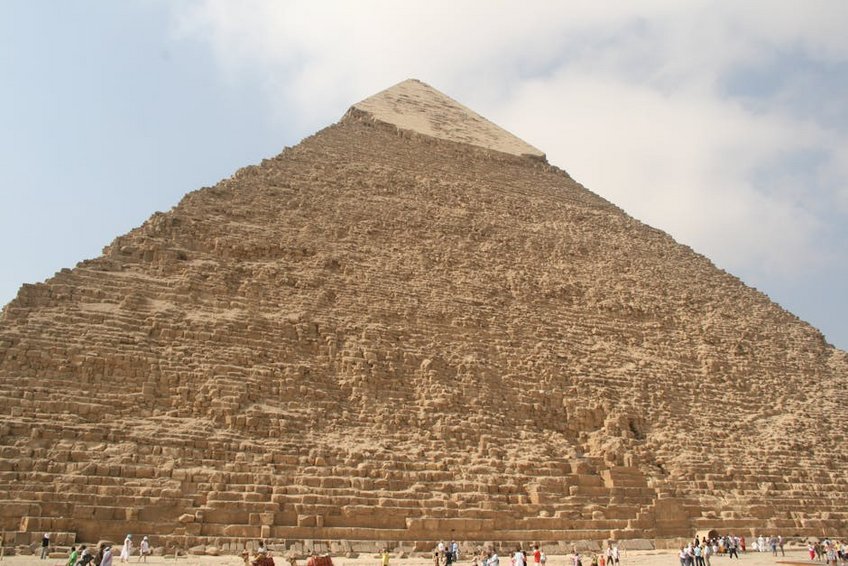
Alt: “giza-pyramids-sphinx-desert-panorama-egypt”
Exploring the Pyramids of Egypt – Planning Your Trip
A successful visit to these ancient wonders requires thoughtful preparation to navigate the climate, crowds, and cultural landscape. Your experience hinges on choosing the right season and securing key entries well in advance, especially for limited-access interiors. Allocate a minimum budget of $50-75 per day for basic expenses, excluding international flights and premium tours.
Focus your itinerary on a mix of iconic and lesser-known sites to appreciate the full scope of Egyptian pyramid building. Book all tickets online where possible to avoid long queues at site entrances, which can waste precious morning hours. Hiring a certified Egyptologist guide is a worthwhile investment for deciphering hieroglyphs and understanding the complex symbolism.
Best Time to Visit the Pyramids
The ideal months for exploring the Pyramids of Egypt are October through April, when daytime temperatures range from a pleasant 70°F to 80°F (21°C to 27°C). This period offers clear skies and manageable heat for walking across the vast plateau. December and January see the largest crowds, so book hotels and tours several months ahead.
Shoulder seasons like late April/May and late September can be good alternatives with thinner crowds, but prepare for highs reaching 95°F (35°C). The summer months from June to August are intensely hot, often exceeding 104°F (40°C), making extensive outdoor exploration challenging and necessitating visits at sunrise.
Budget Planning and Costs
Costs vary dramatically based on your travel style and desired level of comfort.
Essential Preparation Checklist
Pack lightweight, breathable clothing that covers shoulders and knees for respect at religious sites, alongside a wide-brimmed hat, high-SPF sunscreen, and sturdy walking shoes for sandy, uneven terrain. Bring a headscarf for protection against sun and dust, a reusable water bottle, and power banks for your devices.
Secure an e-Visa online before travel, ensure your passport has six months validity, and purchase comprehensive travel insurance that covers medical evacuation. Download offline maps and translation apps, and arrange a local SIM card at Cairo Airport for reliable data. Book internal flights and train tickets between Cairo, Luxor, and Aswan well in advance.
Top Attractions and Immersive Activities
The Giza Plateau offers more than just panoramic photography opportunities; it invites deep exploration of its individual monuments and hidden corners. Allocate a full day here to move beyond the classic viewpoint and engage with the site’s scale and history. Start at the Great Pyramid before the crowds peak, then explore the surrounding mastaba tombs.
Venture to the lesser-visited pyramids of Dahshur and Saqqara for a more intimate and academically rich experience. These sites often allow you to enter multiple pyramid interiors without long waits, providing a tangible connection to the ancient architects. The silence and isolation at these locations contrast sharply with the bustle of Giza.
Must-See Highlights on the Giza Plateau
The Great Pyramid of Khufu remains the paramount attraction. For an additional fee, you can enter the ascending passage to the Grand Gallery and King’s Chamber, a cramped but unforgettable experience. The Pyramid of Khafre is notable for its partially intact limestone casing at the top and its associated valley temple.
The Solar Boat Museum, located south of the Great Pyramid, displays a miraculously preserved 4,600-year-old wooden vessel, a masterpiece of ancient shipbuilding. Finally, the panoramic viewpoint southwest of the Pyramid of Menkaure offers the classic postcard view of all three pyramids aligned, best photographed in the late afternoon light.
Hidden Gems and Local Favorites
Behind the Pyramid of Khafre, a network of ancient tombs known as the Western Cemetery contains beautifully decorated mastabas of nobles and officials, often with far fewer visitors. The village of Nazlet el-Samman, at the base of the plateau, provides a contrasting glimpse of modern Egyptian life, with cafes where you can sip tea and watch the sunset behind the monuments.
For a unique perspective, consider a horseback or camel ride into the desert south of the Menkaure pyramid. Reputable guides can take you to distant dunes for a stunning, unobstructed view of the entire plateau, a vista that feels timeless and removed from the main tourist pathways.
Sound and Light Shows & Special Access
The nightly Sound and Light Show at Giza narrates the history of the pyramids with dramatic lighting projected onto the monuments. While somewhat kitschy, it’s a different way to experience the site. Book the later show for darker skies. Some tour operators offer private guides for this event, providing more detailed historical commentary.
A limited number of tickets are available each day to enter the Great Pyramid’s interior or to visit the tombs in the Western Cemetery. These often sell out by mid-morning, so arrive at the site entrance at opening time if you wish to secure them. Special archaeological tours, sometimes offered through university programs, can provide access to normally closed areas.
Practical Travel Information and Logistics
Cairo serves as the gateway for all pyramid explorations, with its international airport (CAI) well-connected to Europe, North America, and the Middle East. The journey from central Cairo to the Giza Plateau typically takes 45-90 minutes by car, depending on the notorious traffic. For sites like Saqqara and Dahshur, hiring a private driver for the day is the most efficient and flexible option.
Accommodation choices range from bustling downtown Cairo to the quieter Giza district with direct pyramid views. Staying in Giza saves significant daily travel time and allows for early morning site access. Downtown Cairo offers more dining and nightlife variety but requires a longer commute to the monuments each day.
| Accommodation Area | Features & Vibe | Price Range/Night (USD) |
|---|---|---|
| Giza (Pyramids View) | Direct views of monuments, resort-style hotels, convenient for early access, fewer restaurant options. | $80 – $300+ |
| Downtown Cairo | Central location, historic hotels, abundant dining/nightlife, heavy traffic, longer commute to Giza (1hr+). | $50 – $200 |
| Zamalek (Nile Island) | Upscale, leafy neighborhood, great restaurants/cafes, quieter vibe, moderate commute to Giza. | $70 – $250 |
| Heliopolis | Near Cairo Airport (CAI), modern district, business hotels, good for one-night layovers or early flights. | $60 – $180 |