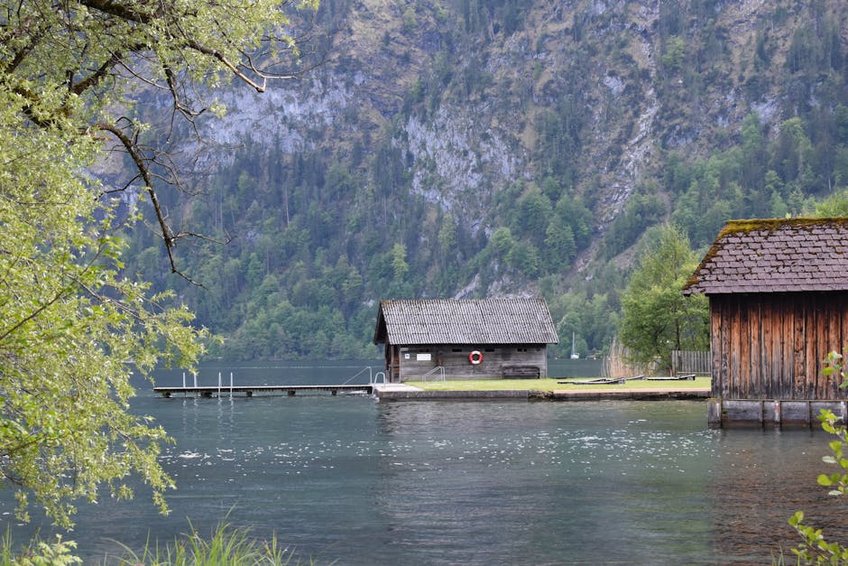
Lakeside Holidays in Austria: Alpine Serenity Meets Emerald Waters
A lakeside holiday in Austria offers a perfect blend of Alpine grandeur and tranquil waters, creating an idyllic escape for nature lovers and active travelers. You will discover crystal-clear lakes like Hallstätter See and Wolfgangsee, each framed by dramatic mountains and dotted with charming villages offering rich culture. This guide provides detailed planning tips, activity recommendations, and cultural insights to craft your perfect Austrian lakeside retreat.
Essential Austrian Lake District Information
Austria’s lake regions are primarily concentrated in the Salzkammergut, Carinthia, and Tyrol. The Salzkammergut, or “Lake District,” is the most famous area with over 70 lakes, easily accessible from Salzburg. Carinthia in the south boasts warmer waters and a Mediterranean flair, while Tyrol’s lakes offer stunning mountain backdrops near Innsbruck.
The history of these regions is deeply tied to salt mining, imperial history, and Alpine traditions. Many villages feature UNESCO World Heritage status, like Hallstatt, preserving centuries of architectural charm. Summer sees vibrant cultural festivals, while autumn brings stunning foliage reflections on the water’s surface.
Key Regions to Consider
Your choice of region defines the character of your Alpine water escape.
- Salzkammergut: The classic Austrian lake experience with Hallstätter See and Wolfgangsee, featuring picture-perfect villages, hiking trails, and cool waters ideal for summer swimming and photography.
- Carinthia (Kärnten): Known for its “warmest bathing lakes in the Alps” like Wörthersee and Millstätter See, perfect for extended swimming seasons, water sports, and family-friendly beaches.
- Tyrol (Tirol): Offers dramatic scenery with lakes such as Achensee and Plansee set under rugged peaks, best for hiking, mountain biking, and cooler, pristine swimming conditions.
- Budget (Under $100/day): Stay in guesthouses (Pension) or hostels, use public transport passes, enjoy picnic lunches by the lake, and swim at free public beaches. Focus on self-guided hiking and village exploration.
- Mid-Range ($150-$250/day): Comfortable 4-star hotels or private holiday apartments, regional train and boat travel, dining at traditional Gasthöfe restaurants, and renting bicycles or e-bikes for lake circuit tours.
- Luxury ($350+/day): 5-star lakeside resorts with private beach access, fine dining with lake views, private boat tours or guided hiking, and spa treatments using local Alpine ingredients.
- Austria National Tourist Office
- Salzkammergut Official Tourism Board
Understanding Lake Types and Environments
These water bodies are almost exclusively freshwater, fed by Alpine springs and glacial melt. Consequently, water clarity is exceptionally high, with visibility often exceeding 10 meters. Water temperatures vary significantly by region and season, a crucial factor for swimmers.
Lake Wolfgangsee typically reaches a pleasant 72-75°F (22-24°C) in peak summer. Meanwhile, higher altitude lakes like Grüner See are colder. Many lakes have designated public bathing areas called “Strandbad” with amenities, while other sections remain wild and natural for peaceful exploration.
Climate and Seasonal Considerations
The Alpine climate dictates a strong seasonal rhythm for lakeside visits. Summers from June to August are warm and ideal for water activities, with long daylight hours. However, this is also the peak tourist season with higher prices.
Shoulder seasons in May, September, and October offer cooler, quieter visits. The water may be too cold for most swimmers, but hiking and photography conditions are superb. Winters transform the lakeside landscapes into snowy wonderlands, with some lakes freezing over for skating.
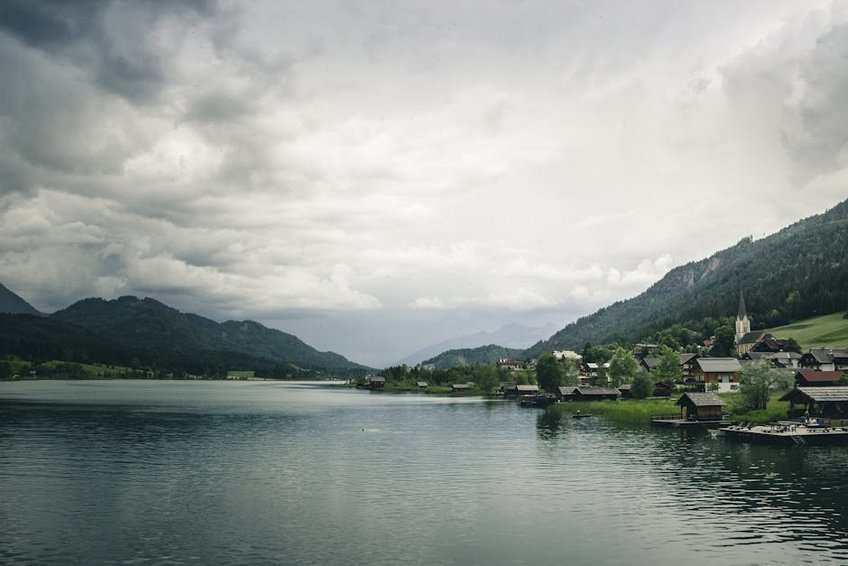
Alt: “hallstatt-austria-lake-alps-reflections-traditional-houses”
Lakeside Holidays in Austria – Planning Your Trip
Crafting the ideal Austrian water-based getaway requires thoughtful seasonal timing and clear priorities. Your experience differs vastly between a summer swimming vacation in Carinthia and a serene autumn photography trip in the Salzkammergut. Therefore, define your primary activities first before booking accommodations or transport.
Budget planning is straightforward, with clear tiers for accommodation and dining. A key logistical tip involves renting a car for maximum flexibility. However, an efficient train and bus network also connects major lake towns, which works well for a more relaxed itinerary focused on one or two bases.
Best Time to Visit the Austrian Lakes
The peak season for a classic lakeside holiday runs from mid-June through August. Temperatures range from 70-80°F (21-27°C), and water is warm enough for comfortable swimming. You must book accommodation and popular restaurants at least three to four months in advance during this busy period.
For fewer crowds and vibrant autumn colors, target late September to mid-October. Daytime temperatures are a pleasant 55-65°F (13-18°C), though lake swimming becomes chilly. May and early June offer spring blossoms and refreshing air before the main summer rush arrives.
Budget Planning and Costs
Your daily budget dictates the style of your Alpine lake escape.
Essential Preparation Checklist
Pack for variable mountain weather, even in summer. Essential items include a waterproof jacket, comfortable hiking shoes, swimwear, a quick-dry towel, and sunscreen. For photography, bring a polarizing filter to manage water reflections and a sturdy tripod for sunrise shots over the lakes.
EU and US passport holders need no visa for stays under 90 days. Ensure your passport is valid for three months beyond your departure date. Purchase comprehensive travel insurance covering outdoor activities. Reserve your first night’s accommodation before arrival, especially during summer.
Top Attractions and Lake Activities
The Austrian Lake District excels at blending relaxation with adventure. Mornings can begin with a refreshing swim followed by an afternoon hike to a panoramic viewpoint. Each major lake has a signature character, from the world-famous vistas of Hallstatt to the vibrant promenades of Lake Wörthersee.
Boating is a quintessential experience, with options ranging from electric rental boats to historic steamers. Cultural attractions include salt mine tours, mountaintop restaurants accessed by cable car, and Baroque churches in the lakeside villages. The pace naturally slows down, encouraging long lunches and evenings watching the light change on the water.
Must-See Lake Highlights
Hallstätter See is the iconic Austrian lake, famous for the UNESCO village of Hallstatt clinging to its shore. Visit the World Heritage Viewpoint for the classic photo, explore the Dachstein Ice Cave, or take the funicular up for hiking. The lake is stunning year-round, but arrive early to avoid midday crowds.
Wolfgangsee offers a more lively atmosphere with the twin towns of St. Wolfgang and St. Gilgen. Ride the Schafbergbahn cogwheel railway for breathtaking views over seven lakes. Lake Achensee, Tirol’s largest, is a deep blue reservoir surrounded by the Karwendel Alps, perfect for sailing and windsurfing due to reliable thermal winds.
Hidden Gems and Local Favorites
Venture beyond the famous names to discover serene spots like Grundlsee and Toplitzsee. These quieter lakes in the Ausseerland region feature emerald-green water and forested shores, ideal for kayaking in peace. The nearby village of Bad Aussee offers authentic local culture without the tourist saturation.
In Carinthia, seek out Lake Faakersee, a smaller, family-friendly lake with incredibly clear water and a relaxed vibe. The Ossiacher See offers a beautiful cycling path around its entire perimeter. Locals often favor these spots for their pristine condition and more relaxed atmosphere compared to the major hubs.
Water Sports and Active Pursuits
Stand-up paddleboarding (SUP) has exploded in popularity on Austrian lakes. Rental stations are widely available, providing a quiet way to explore coves. Sailing and windsurfing are excellent on larger lakes like Wörthersee and Attersee, where sailing schools offer courses.
For hikers, most lakes have a “Seeumrundung” (lake circuit) trail. The 22-mile trail around Millstätter See is particularly rewarding. Many high-altitude trails lead to “Alm” mountain huts where you can enjoy homemade cheese and refreshments with a commanding lake view below.
Practical Travel Information
Navigating Austria’s lake regions is efficient thanks to excellent infrastructure. While having a car provides the most freedom, a combination of trains, buses, and boats forms a scenic and effective public transport network. The “Salzkammergut Card” or regional “Kärnten Card” offer valuable discounts on attractions and transport.
Accommodation ranges from historic family-run inns to modern lakeside design hotels. Booking directly with smaller properties can sometimes secure better rates and local tips. Remember that many Austrian hotels quote prices per person, per night, often including a lavish breakfast buffet.
| Accommodation Type | Best For / Features | Price Range Per Night (USD) |
|---|---|---|
| Lakeside Hotel / Resort | Direct water access, spa, half-board dining, stunning views | $250 – $600+ |
| Guesthouse (Pension) | Family-run charm, homemade breakfast, central village location | $100 – $180 |
| Holiday Apartment (Ferienwohnung) | Families or groups, kitchen facilities, longer stays, more space | $120 – $250 |
| Mountain Hut (Almhütte) | Hikers, rustic experience, remote locations, simple meals | $70 – $120 (often half-board) |