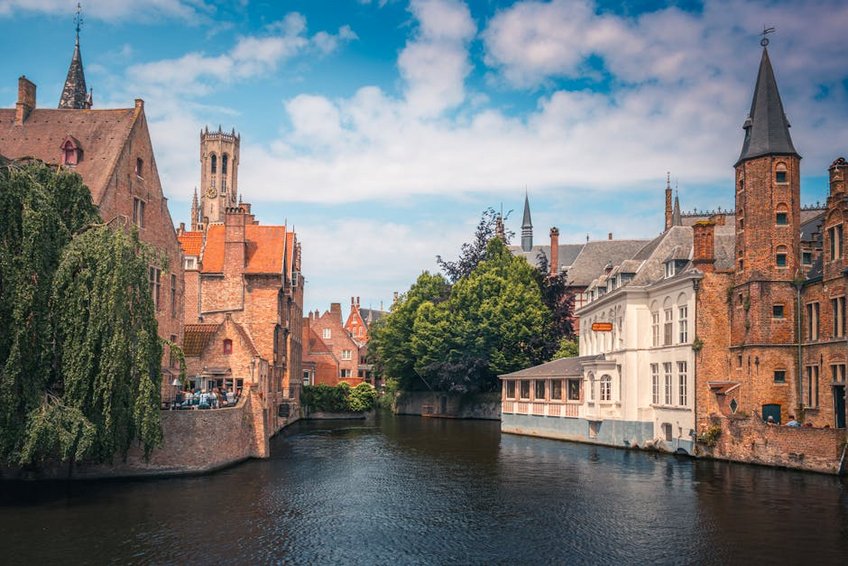
Weekend Getaway in Belgium: Culture, Cuisine, and Charming Cities
A weekend getaway in Belgium packs an incredible density of experiences into a compact and easily navigated country. You will discover world-class art, centuries of tangible history, and a globally renowned culinary scene, all connected by efficient and comfortable train routes between its iconic cities. This guide provides the practical details for crafting your perfect short trip, from Gothic architecture and Trappist beers to the best chocolate shops and cozy city squares.
Essential Belgian Information
Belgium is a constitutional monarchy in Western Europe, bordered by France, Germany, Luxembourg, and the Netherlands. Its unique position has created a culturally rich nation with three official languages: Dutch (Flemish), French, and German. The country is a founding member of the European Union, and its capital, Brussels, serves as the de facto political capital of the EU.
The nation’s history is deeply intertwined with European art and commerce, from the flourishing Flemish Primitives to the elaborate Art Nouveau architecture. Its medieval city centers, like those in Bruges and Ghent, are remarkably well-preserved UNESCO sites. This historical depth provides a stunning backdrop for a modern visit focused on culture and relaxation.
Key Facts for Travelers
Understanding these basics will help you plan smoothly and avoid common tourist pitfalls during your short stay.
- Belgium uses the Euro (EUR), and while credit cards are widely accepted, it is wise to carry some cash for small purchases at markets or in taxis.
- The country operates on Central European Time (CET), which is six hours ahead of U.S. Eastern Standard Time during standard time periods.
- Standard electrical outlets are Type E, operating on 230V voltage, so most U.S. travelers will need a power adapter and possibly a voltage converter.
- Budget: $200-$300/day. Stay in hostels or budget hotels ($80-$120/night), use public transport, enjoy street food and casual cafes, and visit free museums and city walks.
- Mid-Range: $350-$500/day. Book boutique hotels or central apartments ($150-$250/night), dine at reputable brasseries, take a guided walking tour, and enjoy museum entries and beer tastings.
- Luxury: $600+/day. Experience five-star hotels or designer B&Bs ($300+/night), dine at Michelin-starred restaurants, hire private guides for exclusive tours, and arrange chauffeur-driven transfers between cities.
- Official Website of the Belgian Tourist Office
- Belgian National Railway Company (SNCB)
Climate and Seasonal Considerations
Belgium has a temperate maritime climate characterized by mild winters and cool summers. Expect changeable weather year-round, so packing layers is always the best strategy. Rain is a frequent possibility regardless of the season.
Winter temperatures average between 35°F and 45°F (2°C to 7°C), with short days and a high chance of rain or drizzle. Summer sees averages from 60°F to 75°F (15°C to 24°C), offering longer daylight hours perfect for evening strolls and terrace dining. Shoulder seasons often provide the most pleasant balance for exploration.
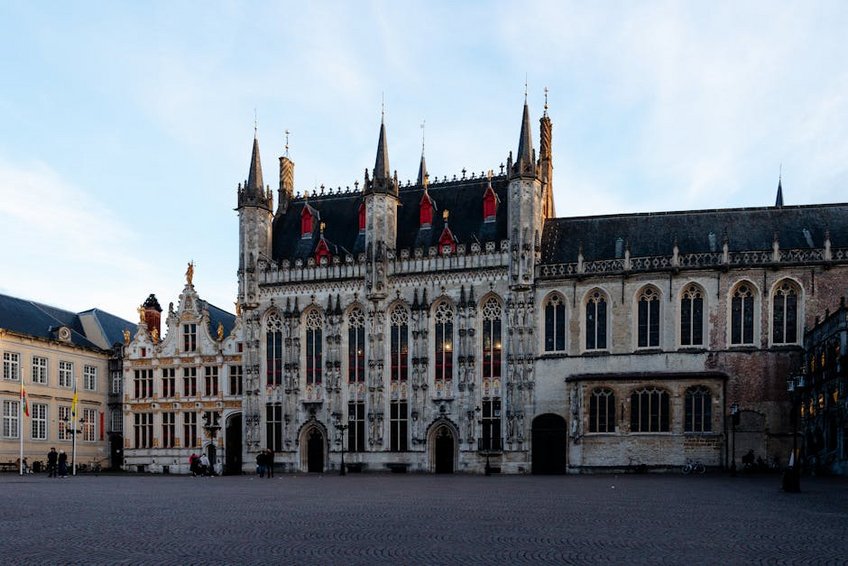
Alt: “bruges-belgium-canal-historic-buildings-spring-season”
Weekend Getaway in Belgium – Planning Your Trip
Crafting the perfect Belgian escape requires choosing a focal point or a smart two-city combination. Brussels works as a central hub with excellent connections, while dedicating a full weekend to a single city like Bruges or Ghent allows for deeper immersion. Your interests in art, food, history, or nightlife should guide your primary destination selection.
Advance booking is highly recommended, especially for weekends. Popular boutique hotels and sought-after restaurant reservations can fill up weeks ahead. Purchase train tickets online in advance for the best fares if you plan to travel between cities, as last-minute tickets are significantly more expensive.
Best Time to Visit Belgium
The optimal periods for a weekend getaway in Belgium are the shoulder seasons of April to June and September to October. These months offer mild temperatures between 50°F and 68°F (10°C and 20°C), manageable tourist crowds, and vibrant seasonal colors or events. You will avoid the peak summer hotel prices and the gloomier, shorter days of deep winter.
Summer (July-August) is festival season but comes with higher prices and more tourists. Winter (November-February) transforms cities with Christmas markets and a cozy atmosphere, though you will contend with cold, wet weather and limited daylight. Each season offers a distinctly different charm for your short trip.
Budget Planning and Costs
Costs can vary widely based on your city choice and style. A basic daily budget for two people starts around $200, excluding flights.
Essential Preparation Checklist
Pack comfortable, waterproof walking shoes, a compact umbrella, and a versatile jacket suitable for layering. Bring a universal power adapter and a portable battery pack for your devices. Ensure your passport is valid for at least three months beyond your planned departure date from the Schengen Area.
U.S. and EU citizens do not need a visa for tourist stays under 90 days. Purchase comprehensive travel insurance that covers medical emergencies and trip interruptions. Download offline maps and train schedule apps like SNCB (for Belgian trains) before you arrive to navigate with ease.
Top Attractions and City Experiences
Belgium’s cities each offer a unique character, making it tempting to try to see them all. For a weekend, focusing on one or two allows for a more relaxed and meaningful visit. Brussels provides grand architecture and international flair, while Bruges feels like a living medieval postcard. Ghent and Antwerp offer a dynamic mix of historical grandeur and contemporary energy.
Prioritize a few key sights rather than attempting a comprehensive checklist. Enjoy leisurely meals, spend time people-watching in a grand square, and allow for spontaneous discoveries down cobblestone alleyways. The pace of a Belgian weekend should be indulgent, not rushed.
Must-See Urban Highlights
In Brussels, the Grand-Place is an unmissable spectacle of Gothic and Baroque guildhalls, best seen in the morning light. Just a short walk away, marvel at the iconic yet quirky Manneken Pis statue and sample authentic Belgian waffles from nearby vendors. The Royal Museums of Fine Arts house an exceptional collection of Flemish masters, including works by Bruegel and Magritte.
Bruges’ Belfry Tower offers panoramic views of the UNESCO-listed historic center, but be prepared for a 366-step climb. A guided boat tour along the city’s serene canals provides the classic perspective of its step-gabled houses and medieval bridges. The Groeningemuseum is essential for art lovers, featuring masterpieces by Jan van Eyck and Hans Memling.
Hidden Gems and Local Favorites
Venture beyond the immediate city centers to discover more authentic neighborhoods. In Brussels, the Marolles district offers a flea market at Place du Jeu de Balle and traditional pubs. In Antwerp, the Zurenborg district is famous for its stunning Art Nouveau and eclectic architecture, perfect for a quiet afternoon stroll.
Seek out smaller, specialized museums like the Plantin-Moretus Museum in Antwerp, a UNESCO-listed printing workshop. For a peaceful green escape in Ghent, visit the Citadelpark. Many locals enjoy simply finding a quiet terrace on a lesser-known square to enjoy a coffee or a local beer away from the main tourist flows.
Beer, Chocolate, and Diamond Culture
Belgium’s beer culture is a UNESCO-recognized intangible heritage. Visit a traditional ‘brown cafe’ to sample Trappist ales, lambics, and abbey beers served in their proper glassware. Many bars offer tasting flights. For chocolate, avoid big chain stores and seek out artisanal chocolatiers who still craft their pralines by hand.
In Antwerp, you can explore its legacy as the world’s diamond capital through museum visits or window shopping in the Diamond District. Even if not buying, understanding this facet of the city’s economy adds depth to your visit. Each of these elements represents a cornerstone of Belgian identity and craftsmanship.
Practical Travel Information
Belgium’s compact size and excellent rail network make inter-city travel remarkably straightforward. The Belgian Rail (SNCB/NMBS) system is reliable, clean, and connects all major destinations. For a weekend trip, consider basing yourself in one city and taking a day trip to another, as journey times are often under an hour.
Accommodation ranges from international chain hotels to charming family-run bed and breakfasts located in historic buildings. Booking directly with the property can sometimes secure better rates or perks like free breakfast. Central locations are worth the premium to maximize your limited time on a short getaway.
| Accommodation Type | Features & Best For | Average Price Range/Night (USD) |
|---|---|---|
| Hostel / Budget Hotel | Basic amenities, shared facilities, social atmosphere, best for solo travelers. | $80 – $120 |
| Boutique Hotel / B&B | Historic building, personalized service, unique decor, central location. | $150 – $250 |
| Luxury Hotel | Five-star service, spa facilities, fine dining, prime city-center views. | $300 – $500+ |
| Apartment Rental | Kitchenette, more space, local neighborhood feel, good for groups or longer stays. | $120 – $220 |