Places to Explore by Bicycle in the Netherlands
Cycling through the Netherlands offers an unparalleled way to connect with the country’s iconic landscapes, historic cities, and vibrant culture. This activity grants you intimate access to world-famous tulip fields, ancient windmills, and charming canal-side towns at a pace that allows you to truly absorb your surroundings. With an extensive, well-signed network of cycle paths and a famously flat terrain, discovering places to explore by bicycle in the Netherlands is both accessible and deeply rewarding for riders of all levels.
The Dutch Cycling Experience: Essential Information
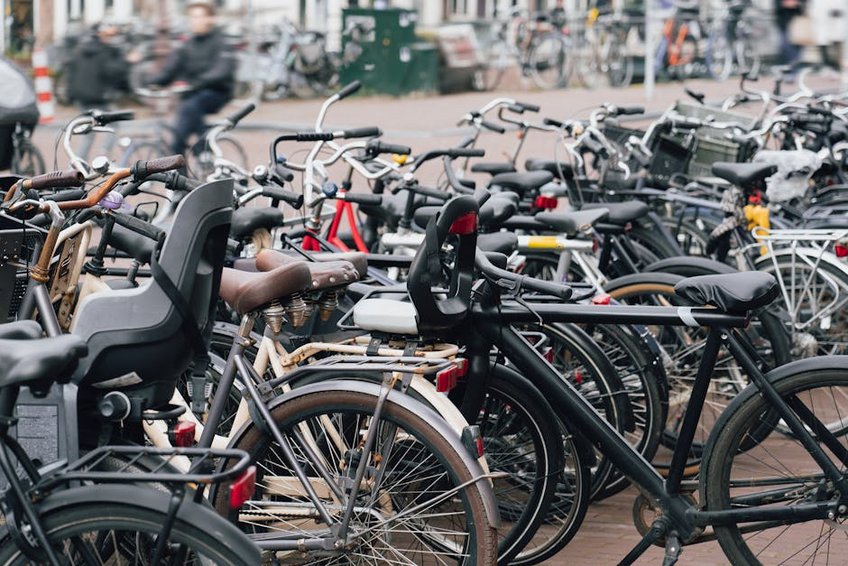
The Netherlands’ identity is intertwined with the bicycle, boasting more bikes than people and an infrastructure designed for two-wheeled travel. This culture stems from practicality, geography, and a national commitment to sustainable transport. The result is a comprehensive system of over 35,000 kilometers of dedicated, numbered cycle paths, known as ‘knooppunten’ (junction) routes.
These routes form a national network, allowing you to plan journeys across provinces using simple junction numbers. Signage is excellent, surfaces are smooth, and routes are largely separated from car traffic, ensuring a safe and serene experience. This network connects not just cities, but also rural areas, nature reserves, and cultural sites, making a cycling holiday here uniquely seamless.
Understanding the LF-Route Network
The Long-Distance Cycle Routes, or ‘LF-routes’, are the backbone of national cycling tourism. These are well-maintained paths designed for multi-day journeys.
- LF2: Coastal Route: Runs 410 km from Sluis to the Wadden Sea, offering dramatic North Sea views, beach access, and historic towns like The Hague and Haarlem.
- LF3: Van Gogh Route: Connects Brabant, the painter’s homeland, to the French border, passing cultural sites and landscapes that inspired his work.
- LF7: Pilgrims Route: Traces a historic path from Amsterdam to Visé, Belgium, winding through peaceful countryside and past ancient monasteries.
- Budget (€50-80/day): Includes hostel dorm or basic B&B, supermarket picnics, a bike rental (€10-15/day), and free exploration of public spaces and nature reserves.
- Mid-Range (€100-180/day): Covers a comfortable hotel or private B&B room, cafe lunches, museum entries, a higher-quality bike rental, and a nice dinner.
- Luxury (€250+/day): Features stays at boutique hotels or castle hotels, guided cycling tours, fine dining, premium e-bike rentals, and private transfers for your luggage between stops.
- Netherlands Board of Tourism & Conventions
- Holland Cycling Routes Foundation
Key Equipment and Etiquette
Renting a sturdy ‘omafiets’ (Dutch city bike) is standard and highly recommended for its comfort and upright riding position. Always lock your bicycle securely with both a frame lock and a chain lock, as theft, while uncommon, can happen. Equip your bike with lights for evening rides, as this is a legal requirement and a critical safety measure.
When riding, follow the flow of cycle traffic and use hand signals for turning. Keep to the right on paths to allow faster cyclists to pass on your left. Pay close attention to dedicated traffic lights for cyclists, which are found at most major intersections, and never assume right of way without checking.
Seasonal Considerations for Your Ride
Spring (April-May) is spectacular for the blooming tulip fields but is also the busiest season. Summer (June-August) offers long days and pleasant weather, though popular routes can be crowded. Autumn (September-October) provides colorful foliage and quieter paths, while winter requires proper clothing and vigilance for rain, wind, and possible ice on the paths.
Alt: “cycling-dutch-countryside-windmills-tulip-fields-spring-season”
Planning Your Places to Explore by Bicycle in the Netherlands
Effective planning transforms a good cycling trip into a great one. Start by identifying your primary interest—be it art history, coastal scenery, or cheese markets—and select a region that aligns with it. The compact nature of the country means you can easily base yourself in a city like Utrecht or Haarlem and embark on multiple day trips to different landscapes.
Booking accommodations well in advance is crucial, especially for spring and summer trips. Many hotels and B&Bs cater to cyclists, offering secure bike storage, repair kits, and packed lunch services. Consider a mix of city stays and countryside ‘bed and bike’ establishments for a varied experience. Your itinerary should balance daily distances with ample time for exploration and cafe stops.
Best Time to Visit for a Cycling Holiday
Visit between mid-April and late May for the iconic tulip season, when temperatures range from 50-65°F (10-18°C) and the bulb fields are in full, vibrant bloom. This period offers the most photogenic landscapes, particularly in the Kop van Noord-Holland and around Lisse. Be prepared for higher prices and the need to book everything months in advance.
For more relaxed riding with good weather, target the shoulder seasons of late May to June or September. You’ll encounter fewer crowds, comfortable temperatures of 60-70°F (15-21°C), and greater availability. July and August are peak summer months, ideal for coastal cycling, but also the busiest domestic holiday period.
Budget Planning and Costs
Your daily budget will depend heavily on your accommodation and dining choices. Here’s a typical breakdown for a day of cycling.
Essential Preparation Checklist
Pack lightweight, quick-drying layers and a high-quality waterproof jacket and pants, as rain is possible year-round. Bring padded cycling shorts for comfort, even if renting a comfortable bike. Essential gear includes a phone mount for navigation, a portable power bank, and a basic repair kit with a spare inner tube and tire levers.
Ensure you have valid travel insurance that covers cycling. While a visa is not required for short-term stays for US/EU passport holders, always check the latest entry requirements. Download essential apps like ‘Cyclemaps Netherlands’ or ‘Fietsknoop’ for offline junction route planning, and ‘9292’ for integrating public transport if needed.
Top Regions and Routes to Discover
Each Dutch province offers a distinct flavor for two-wheeled exploration. The choices range from the classic windmill-dotted waterways of South Holland to the expansive sandy beaches and dunes of the northern coast. Your selection should match your desired pace and scenery, whether it’s the energetic buzz of a city center or the serene silence of a national park.
Well-known areas like the Flower Bulb Region deliver on iconic postcard views, while less-visited provinces like Zeeland or Drenthe offer rugged coastal beauty or prehistoric mystique. Multi-day routes allow you to immerse yourself in a region’s character, while day trips from a central hub provide flexibility and comfort.
Must-See Cycling Highlights
The Flower Bulb Region (Bollenstreek) between Haarlem and Leiden is unmissable in spring. Cycle the dedicated paths through rainbows of tulips, hyacinths, and daffodils, with Keukenhof Gardens as a spectacular (but crowded) centerpiece. Visit on a weekday morning for the best experience and quieter paths among the fields.
Kinderdijk, a UNESCO World Heritage site, features 19 authentic 18th-century windmills. Cycling the paths here offers panoramic views and a direct connection to Dutch water management history. Arrive early to beat the tour buses and enjoy the mills reflected in the serene waterways.
The Hoge Veluwe National Park provides a dramatic contrast with its forests, heathlands, and sand drifts. The park has free-to-use white bicycles, allowing you to explore its diverse landscapes, including the Kröller-Müller Museum with its Van Gogh collection and sculpture garden.
Hidden Gems and Local Favorites
For a unique coastal experience, head to the Wadden Sea Islands like Texel or Vlieland. Cars are limited, making cycling the premier mode of transport. You’ll find wide beaches, seal-watching opportunities, and charming villages. Access involves a short ferry ride, which adds to the adventure.
The Weerribben-Wieden National Park is known as the “Dutch Venice.” This vast freshwater wetland is best explored by bike along dike-top paths, offering stunning views over reed beds and lakes filled with traditional ‘punt’ boats. It’s a haven for birdwatchers and those seeking tranquility.
Explore the Fortress Town of Naarden, a star-shaped fortification surrounded by moats. Cycling its ramparts provides a fascinating historical perspective and beautiful views. It’s an easy ride from Amsterdam or a perfect stop on a route through the Gooi region.
Urban Cycling: Cities on Two Wheels
Don’t overlook city cycling. Utrecht boasts a vibrant city center and the world’s largest bicycle parking garage. Amsterdam’s network lets you visit world-class museums and the Jordaan district efficiently. Rotterdam offers modern architecture tours by bike, including the iconic Erasmus Bridge and Cube Houses.
Practical Travel and Logistics
Navigating the Netherlands by bike is straightforward, but understanding the logistics ensures a smooth trip. The country’s excellent public transport network is fully integrated with cycling; you can take your bike on most trains (outside peak hours for a small supplement) and all ferries. This makes point-to-point touring or creating loop itineraries remarkably easy.
Accommodation options for cyclists are plentiful. Look for the official ‘Bed & Bike’ certification, which guarantees secure storage and cyclist-friendly amenities. From budget-friendly campsites and hostels to luxury hotels in converted manor houses, there’s a comfortable place to rest at the end of every riding day.
| Accommodation Type | Features & Best For | Price Range (USD per night) |
|---|---|---|
| City Hostel / Budget Hotel | Central location, basic bike storage, social atmosphere. Ideal for solo travelers. | $60 – $120 |
| Countryside B&B (Bed & Bike) | Secure bike sheds, repair tools, hearty breakfast, personalized route advice. | $100 – $200 |
| Boutique Hotel | Designer rooms, premium amenities, concierge service for tour bookings. | $200 – $350 |
| Self-Catering Cottage | Full kitchen, multiple bedrooms, private garden. Perfect for families or groups. | $150 – $300 |