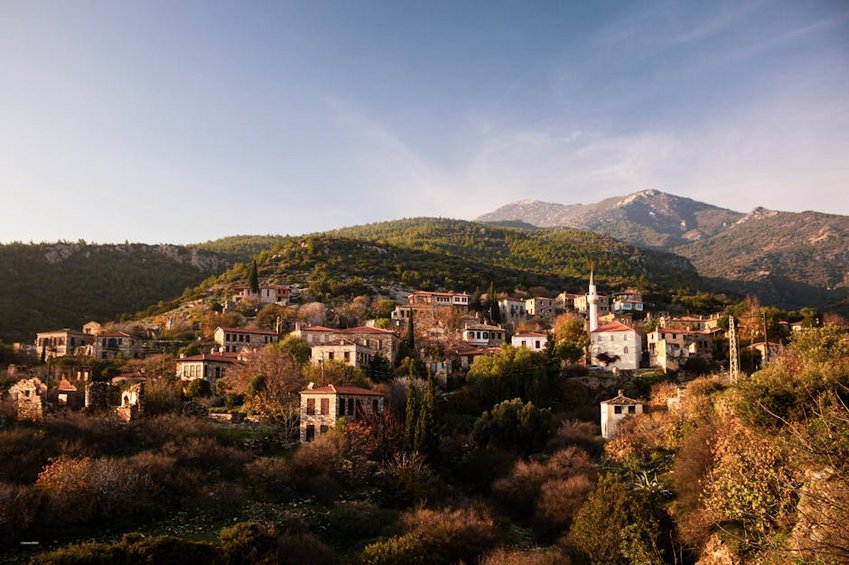
Stone Villages in the Aegean: A Journey into Timeless Greece
Exploring the stone villages in the Aegean offers a profound escape into a Greece often unseen by island hoppers. These architectural treasures, crafted from local limestone and slate, cling to mountainsides and nestle in remote valleys, telling centuries-old stories of resilience and tradition. Your visit connects you with authentic island life, where winding cobblestone paths, blue-domed churches, and breathtaking sea views create an unforgettable Mediterranean tapestry.
Discovering the Aegean’s Architectural Heritage
The stone villages scattered across the Aegean Sea are monuments to adaptive architecture. For generations, communities built with materials at hand—volcanic rock, limestone, and slate—to create homes that stayed cool in fierce summer heat and sturdy against the meltemi winds. This wasn’t merely construction; it was a symbiotic relationship with a rugged, beautiful environment. The resulting settlements are organic extensions of the landscape itself.
Each cluster of whitewashed cubes and grey stone arches represents a specific chapter in regional history. Some villages were fortified against pirate raids, their labyrinthine layouts designed to confuse invaders. Others flourished due to specific trades like sponge diving, shipbuilding, or agriculture. Walking their quiet pathways today, you’re tracing the footsteps of merchants, sailors, and farmers whose lives were dictated by the sea’s rhythm and the land’s yield.
What Defines an Aegean Stone Village
While unique, these settlements share common architectural and cultural threads.
- Cobblestone Paths (Kalderimia): These narrow, often stepped pathways are the villages’ arteries, made from smooth river stones or carved rock. They twist between buildings, designed for foot traffic and donkeys, not cars, preserving a pedestrian-friendly scale.
- Volcanic or Limestone Construction: Walls are thick, built from locally quarried stone without mortar or with minimal plaster. Arched doorways, wooden balconies (sachnisi), and terracotta roof tiles are signature features that provide both style and climate control.
- Communal Squares and Churches: The central plateia (square) remains the social heart, shaded by ancient plane trees and flanked by a taverna and the village church, typically adorned with a brilliant blue dome.
- Budget Traveler ($70-100/day): Stay in hostels or basic guesthouses ($30-50/night), eat gyros and souvlaki from takeaways, use local buses, and focus on free activities like hiking and village exploration. Ferries between islands are your main cost.
- Mid-Range Traveler ($150-250/day): This allows for charming boutique hotels or restored stone homes ($80-150/night), daily meals at traditional tavernas, rental of a small car or ATV, and occasional guided tours or wine tasting experiences.
- Luxury Traveler ($350+/day): Opt for five-star cave hotels or luxury villas with private pools and sea views ($200+/night). Enjoy fine dining, private yacht or sailing tours to inaccessible coves, and personalized guided history or photography tours of the region.
- Greek National Tourism Organization
- Lonely Planet Greece Travel Guide
The Cultural Tapestry of Island Life
Life in these enclaves moves at a different pace, deeply connected to tradition. You’ll hear the clang of goat bells from nearby hills more often than traffic. The day might start with the smell of wood-fired bread and end with elderly locals playing tavli (backgammon) in the square. This isn’t a performance for tourists; it’s the enduring rhythm of communities that have chosen to preserve their way of life.
Seasonal festivals, or panigiria, are central to this culture. These celebrations honoring patron saints involve entire villages in days of music, dance, and feasting. Attending one offers a genuine, joyful immersion into local spirit. It’s a chance to taste roasted lamb, drink local wine, and dance the syrtaki under the stars, surrounded by generations of families.
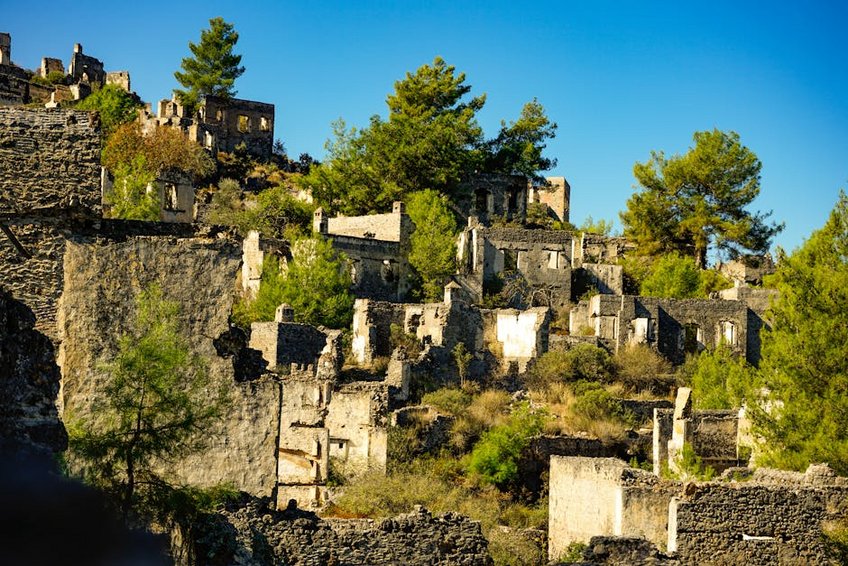
Alt: “traditional-greek-stone-village-cobblestone-streets-aegean-sea”
Stone Villages in the Aegean – Planning Your Trip
Organizing a journey to these historic settlements requires thoughtful timing and island selection. The experience differs vastly between the crowded peak of August and the serene, flower-filled weeks of May. You must choose between the Cyclades’ iconic white-and-blue aesthetics and the Dodecanese’s rugged, castle-crowned hamlets. Your itinerary should balance famous spots with lesser-known gems to capture the full essence of the region.
Accommodation ranges from renovated stone houses to family-run guesthouses. Booking early is crucial, especially for smaller, authentic properties in popular villages. A flexible approach helps, as ferry schedules can be weather-dependent. Renting a car or ATV is highly recommended for exploring multiple villages across an island, giving you the freedom to discover hidden chapels and secluded beaches at your own pace.
Best Time to Visit the Aegean Villages
The ideal months for exploring these locations are late April through early June and September to October. During these periods, temperatures range from a pleasant 68-80°F (20-27°C), wildflowers bloom or grape harvests begin, and tourist crowds are manageable. You’ll enjoy comfortable weather for hiking the stone paths between villages and dining al fresco in village squares without intense summer heat.
July and August see temperatures soar to 95°F (35°C) and bring the largest crowds, making popular villages like Oia in Santorini exceptionally busy. However, this is also the season for vibrant festivals. The winter months (November-March) are quiet, with many family-run businesses closed, but offer a stark, beautiful solitude for travelers seeking it, with temperatures around 50-59°F (10-15°C).
Budget Planning and Costs
A daily budget can vary widely based on your travel style and the specific islands you visit.
Essential Preparation Checklist
Pack sturdy, comfortable walking shoes with good grip—cobblestone paths are beautiful but notoriously uneven and slippery. Bring sun protection (hat, sunscreen, sunglasses), a reusable water bottle, and a light jacket for cooler evenings, even in summer. A European plug adapter (Type C/F) and a portable power bank are practical necessities for keeping devices charged during long days of exploration.
Ensure your passport is valid for at least three months beyond your departure date. U.S. and E.U. citizens don’t need a visa for stays under 90 days. Consider travel insurance that covers ferry delays or cancellations. Book inter-island ferries at least a month in advance during peak season, and reserve your first night’s accommodation to ensure a smooth arrival.
Top Island Destinations and Villages to Explore
The Aegean archipelago is divided into several island groups, each offering distinct variations of stone village charm. The Cyclades are famous for their cubic white architecture, while the Dodecanese boast medieval castles and strong Italian influences. The Northeast Aegean islands present a lush, green contrast with traditional grey stone houses. Choosing one or two island groups for a single trip allows for deeper exploration without constant packing and ferry travel.
Within each island, villages often have unique specialties. Some are known for their pottery, others for their wine, and many for specific culinary dishes. Spending time in both a “chora” (main town) and a smaller inland “horio” (village) provides a balanced perspective on island life, from bustling port energy to serene mountain tranquility.
Must-See Highlights in the Cyclades
Santorini’s Oia and Fira are world-famous for their caldera views, but consider also exploring Pyrgos, a fortified inland village with a stunning castle ruin at its peak. In Mykonos, wander beyond Mykonos Town to Ano Mera, home to a 16th-century monastery and a more traditional square. These spots offer iconic photography opportunities, especially at sunset when the white walls glow in golden light.
Parikia and Naoussa on Paros are beautiful, but don’t miss Lefkes, a mountainous village of marble streets in the island’s center. On Naxos, the largest Cycladic island, Halki (Tragea) is a preserved 19th-century commercial center with neoclassical mansions and excellent local distilleries. Visiting these places in the morning helps avoid the largest day-trip crowds from cruise ships.
Hidden Gems in the Dodecanese and Beyond
Beyond the Cyclades, the Dodecanese island of Rhodes offers Lindos, with its acropolis, and the profoundly scenic mountain village of Apollona. On Symi, the neoclassical harbor of Gialos is stunning, but the uphill climb to Chorio reveals everyday local life. These locations often have richer medieval history visible in their architecture, thanks to the Knights of Saint John.
In the Northeast Aegean, visit the stone villages of Samothrace, like Chora, nestled under Mount Fengari. On Ikaria, famous for longevity, villages like Christos Raches operate on a unique late-night social schedule. These less-visited islands provide an unfiltered, deeply authentic experience where tourism infrastructure is minimal but hospitality is immense.
Activities Beyond Sightseeing
Engage with local crafts by taking a pottery class in Sifnos, known as the “potter’s island,” or a cooking lesson in a village home on Crete. Hike the ancient footpaths connecting villages, like the trail from Fira to Oia in Santorini or the Byzantine path between Lefkes and Prodromos on Paros. These activities connect you directly with the landscape and traditions that shaped these unique settlements.
Practical Travel and Logistics Guide
Navigating the Aegean islands involves a mix of air and sea travel. Major international airports exist in Athens (ATH), Santorini (JTR), Mykonos (JMK), and Rhodes (RHO). From there, a network of ferries connects the islands. Booking ferry tickets online through operators like Ferryhopper or Direct Ferries is reliable. Always confirm your ferry the day before travel, as schedules can change due to weather conditions.
Accommodation styles vary from island to island. The Cyclades offer many cave houses and whitewashed studios. The Dodecanese have more pension-style guesthouses and boutique hotels in historic buildings. Inland villages typically provide quieter, more authentic stays than port towns, though you’ll need your own transport. Booking platforms like Booking.com and Airbnb list many traditional properties.
| Accommodation Type | Best For & Features | Average Price Range/Night (USD) |
|---|---|---|
| Traditional Guesthouse (Pension) | Budget travelers, authentic family-run experience, basic amenities, often includes breakfast. | $50 – $90 |
| Boutique Cave Hotel | Couples, unique architecture, caldera or sea views, often with small pool or jacuzzi. | $150 – $400 |
| Luxury Villa (Restored Stone House) | Families/groups, privacy, full kitchen, private terrace, multiple bedrooms. | $250 – $800+ |
| Village Studio/Apartment | Independent travelers, longer stays, self-catering option, located in heart of a horio. | $70 – $130 |