Affordable Cities to Visit in Europe for Budget Travelers
Europe offers a wealth of incredible destinations that won’t drain your savings account. The continent is filled with culturally rich, beautiful cities where you can enjoy historic sites, delicious food, and vibrant local life on a sensible budget. This guide highlights the best affordable cities to visit in Europe, providing specific cost breakdowns, seasonal tips, and insider advice for stretching your dollar. You’ll discover where to find charm and value from the Baltic Sea to the Mediterranean coast.
Europe’s Budget Travel Landscape
The perception of Europe as uniformly expensive is outdated. Eastern and Southern Europe, in particular, host numerous destinations where your money goes significantly further. From the cobblestone streets of historic capitals to sunny coastal towns, affordable experiences are abundant.
Currency exchange rates and regional economic factors create pockets of exceptional value. The key is knowing where to look and how to plan. This guide focuses on cities that offer a complete travel experience—accommodation, food, attractions, and transport—at a fraction of the cost of Western European hubs.
What Makes a City “Affordable”?
For this list, affordability is measured by real daily costs for travelers. We consider a combination of factors that impact your wallet directly.
- Accommodation Value: Availability of clean, central hostels or guesthouses for under $50 USD per night and well-reviewed hotels under $100.
- Food & Drink Costs: The ability to enjoy a substantial local meal at a restaurant for under $12 and a beer or coffee for under $3.
- Attraction Pricing: Many museums, historical sites, and cultural experiences being either low-cost or free to enter.
- Transportation Efficiency: Affordable and walkable city centers, with comprehensive public transit tickets costing just a few dollars per day.
- Budget Backpacker ($40-60 USD/day): This covers a dorm bed, self-catered meals from markets, free walking tours, museum discounts, and public transit. You’ll socialize in hostels and prioritize free attractions like parks and historic neighborhoods.
- Mid-Range Traveler ($70-100 USD/day): This allows a private room in a guesthouse or budget hotel, one restaurant meal per day, paid entry to key attractions, a few local transport rides, and occasional paid tours or activities.
- Comfortable Explorer ($110-150 USD/day): With this budget, you can book a central 3-star hotel, enjoy restaurant meals for lunch and dinner, take guided day trips, use taxis occasionally, and not worry about entrance fees to most sites.
- European Destinations Travel Council
- Numbeo Cost of Living Database
Regional Value Overview
Southeastern Europe and the Balkans consistently offer the lowest daily budgets, often between $40-$60 USD. Central European destinations like Poland and Czechia provide a blend of Western convenience and Eastern pricing. Even in Western Europe, certain secondary cities and off-season travel present excellent value.
Your personal spending style greatly affects the final tally. A backpacker staying in dorms and cooking meals will spend far less than a couple seeking private rooms and restaurant dining. However, all cities listed here provide a favorable cost baseline for any traveler.
Beyond the Price Tag
Affordability shouldn’t mean sacrificing experience. These destinations boast rich histories, stunning architecture, and welcoming atmospheres. You’re trading premium prices for authentic interaction and undiscovered charm. The value is in the experience itself, not just the receipt.
Alt: “krakow-main-square-historic-buildings-polish-architecture”
Affordable Cities to Visit in Europe – Planning Your Trip
Strategic planning maximizes your budget in any European destination. First, prioritize cities where the local currency is not the Euro, as exchange rates often work in your favor. Next, consider shoulder seasons—late spring and early fall—when airfares and accommodation prices drop but weather remains pleasant.
Your choice of affordable cities to visit in Europe should align with your interests. Do you prefer beach relaxation, mountain hiking, or museum-hopping? Each region offers a different cultural and scenic portfolio. Booking intercity travel via budget buses or regional trains can also keep costs surprisingly low.
Always monitor flight deals into major regional hubs, then use ground transportation to reach your final, more affordable destination. For instance, flying into Budapest and taking a train to Bratislava can be cheaper than flying direct to smaller airports.
Best Time to Visit for Value
The absolute best time for budget travel is during the shoulder seasons: April to May and September to October. Temperatures range from a pleasant 55-70°F (13-21°C), crowds are thinner, and prices for flights and hotels can be 30-50% lower than peak summer. You’ll avoid both the summer heatwaves and the winter chill in most regions.
For winter travel, December markets are magical but book early. January and February are the cheapest months outside of ski resorts, with temperatures often between 30-45°F (-1 to 7°C). If you don’t mind cooler weather, you’ll find incredible deals and have sites nearly to yourself.
Budget Planning and Costs
Your daily budget varies dramatically based on travel style and destination choice. Here’s a realistic breakdown for different comfort levels in the cities listed.
Essential Preparation Checklist
Pack versatile, layer-friendly clothing suitable for variable European weather. A comfortable pair of walking shoes is non-negotiable, as exploring on foot is the best way to save money and discover hidden gems. Bring a reusable water bottle and a universal power adapter with USB ports.
For US and EU passport holders, check Schengen Area rules if visiting multiple countries. Ensure your passport is valid for at least three months beyond your planned departure date. Notify your bank of travel plans and consider a credit card with no foreign transaction fees. Travel insurance is highly recommended, even for short trips.
Top Affordable City Destinations
This selection spans the continent, offering diverse cultures, landscapes, and histories. Each city provides outstanding value, allowing you to experience the essence of Europe without the premium price tag of its most famous capitals. We’ve included a mix of well-known gems and emerging favorites.
From the Adriatic coast to the Baltic states, you’ll find stunning architecture, compelling history, and welcoming locals. Many of these locations are well-connected by budget airlines and rail networks, making multi-city itineraries both feasible and affordable. Let’s explore the top picks.
Must-See Highlights
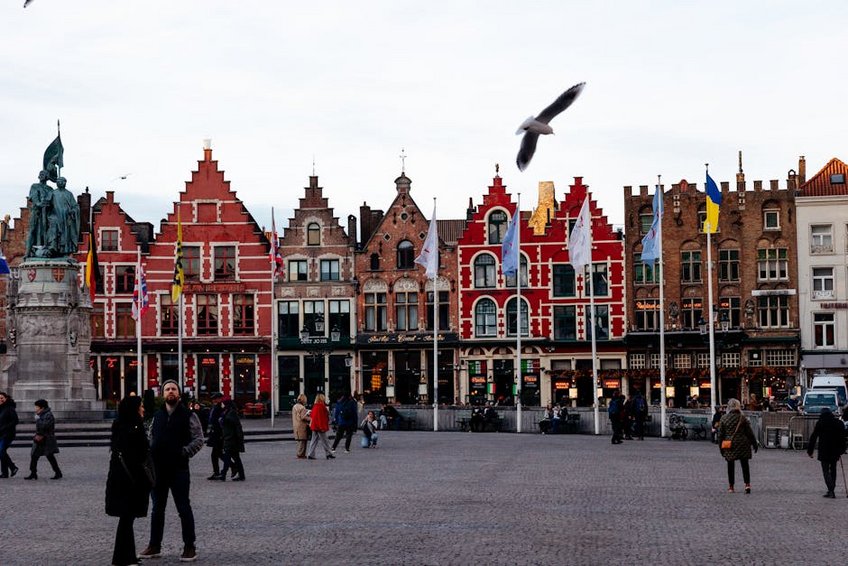
Krakow, Poland: This beautifully preserved medieval city is a cornerstone of affordable European travel. Visit the colossal Main Market Square, explore the historic Wawel Castle, and reflect at the nearby Auschwitz-Birkenau Memorial. A hearty Polish meal costs around $8, and a dorm bed can be found for $15.
Lisbon, Portugal: Famous for its hills, trams, and stunning views, Lisbon combines coastal charm with city energy. Ride the iconic Tram 28, visit the Belem Tower, and listen to Fado music. Enjoy a pastel de nata for $1.2 and a superb hostel for $25 per night.
Budapest, Hungary: The “Paris of the East” is famous for its thermal baths, ruin bars, and grand Parliament building. Soak in the Széchenyi Baths, walk across the Chain Bridge at night, and explore Buda Castle. A daily budget here is easily under $50.
Hidden Gems and Local Favorites
Sarajevo, Bosnia and Herzegovina: A city where East meets West, offering poignant history and incredible food. Walk through Baščaršija (the old bazaar), learn about the Siege at the Tunnel Museum, and try ćevapi (grilled meat) for a few dollars. Hospitality is heartfelt, and costs are among Europe’s lowest.
Leipzig, Germany: An alternative to expensive Berlin, Leipzig is a hub of art, history, and vibrant youth culture. Explore its coffee house heritage, see where Bach worked, and discover stunning street art. Prices for accommodation and dining are noticeably lower than in Germany’s western cities.
Thessaloniki, Greece: Greece’s second city offers Byzantine history, a fantastic waterfront promenade, and arguably the country’s best food scene, all without the crowds and prices of Athens or the islands. Stroll the White Tower promenade and sample endless meze dishes.
Coastal and Scenic Getaways
Riga, Latvia: The Baltic capital boasts one of Europe’s finest collections of Art Nouveau architecture and a charming medieval Old Town. Costs are very reasonable, and the city is a gateway to beautiful Baltic beaches and forests. Don’t miss the Central Market, housed in old Zeppelin hangars.
Valencia, Spain: More manageable and affordable than Barcelona or Madrid, Valencia offers futuristic architecture, a huge park in a former riverbed, and the birthplace of paella. Relax on its urban beaches and visit the City of Arts and Sciences complex.
Practical Travel Information
Navigating accommodation, transportation, and daily logistics efficiently is key to budget travel success. Europe’s infrastructure makes moving between these affordable cities straightforward. Booking in advance usually secures the best rates, especially for trains and popular city-center hotels.
Consider purchasing city tourist cards if you plan to visit multiple paid attractions. These often include free public transport and can represent significant savings. Always validate your transport tickets to avoid fines, a common rookie mistake.
| City & Country | Budget Daily Avg (USD)* | Top Free/Cheap Attraction |
|---|---|---|
| Krakow, Poland | $45 – $65 | Wawel Cathedral grounds & Dragon’s Den |
| Lisbon, Portugal | $50 – $75 | Walking Alfama district & miradouro (viewpoint) hopping |
| Budapest, Hungary | $40 – $60 | Walking the Danube Promenade & Castle Hill district |
| Sarajevo, Bosnia | $35 – $50 | Baščaršija old bazaar & exploring the Latin Bridge area |
| Riga, Latvia | $40 – $55 | Art Nouveau district walk & Central Market visit |