Hidden Nature Routes in Turkey
Turkey’s vast and varied landscape offers far more than its famous coastline and ancient ruins, with a network of hidden nature routes providing intimate access to pristine wilderness, dramatic mountain ranges, and forgotten valleys. These off-the-beaten-path trails allow adventurous travelers to experience the country’s raw beauty away from crowds, connecting with diverse ecosystems from the misty Kaçkar peaks to the otherworldly rock formations of Cappadocia. This guide explores Turkey’s most rewarding secret trails, offering practical advice for planning your adventure, navigating local logistics, and immersing yourself in authentic Anatolian culture along the way.
Essential Information on Turkey’s Secret Trails
Turkey’s hidden nature routes are scattered across the country, each offering a distinct environment and challenge level. The terrain varies dramatically, from alpine meadows and glacial lakes in the northeast to arid canyons and fairy chimneys in the central plateau. Understanding this geographic diversity is key to selecting the right path for your fitness and interests.
These trails are often maintained by local hiking clubs or forestry departments, with signage ranging from clear to non-existent. While some undiscovered natural areas are becoming more known, many remain the domain of experienced local shepherds and dedicated trekkers. The seasons dictate accessibility, with high mountain passes snowbound for much of the year.
Regions and Key Landscapes
Turkey’s secret trails are concentrated in several key regions, each with a unique character.
- The Kaçkar Mountains in the Northeast offer rugged alpine trekking with traditional yayla (highland pasture) culture, featuring trails past glacial lakes and summer settlements used by nomadic communities.
- Central Anatolia’s Cappadocia region hides valley paths weaving between fairy chimneys and ancient rock-cut churches, best explored on foot away from the popular hot air balloon viewpoints.
- The Mediterranean Taurus Mountains contain long-distance routes like the St. Paul Trail, following Roman roads through pine forests to remote archaeological sites and crystal-clear rivers.
- Budget trekking (self-guided): $35-50 per day covers dorm-style guesthouses, supermarket food, and public transport. You carry your own gear and camp occasionally. Permits for national parks cost around $5-15.
- Mid-range trekking (partial guide): $80-120 per day includes a local guide for key sections, private transport to trailheads, and comfortable village pensions with half-board meals. This offers great value and cultural insight.
- Luxury guided tours: $200-350 per day provides full logistical support, luggage transfers between hotels, gourmet meals, and stays in boutique cave hotels or mountain lodges. Ideal for those seeking comfort alongside adventure.
- Republic of Turkey Ministry of Culture and Tourism
- Culture Trek Travel Information
Understanding the Trail Conditions
Trail conditions on these off-the-beaten-path routes can be unpredictable. Well-marked national park trails exist alongside unmarked shepherd paths that require navigation skills. You should always carry detailed topographic maps or a reliable GPS device, as cell service is often unavailable in deep valleys and high passes.
Weather changes rapidly, especially in mountainous regions, where afternoon storms are common even in summer. Preparing for variable conditions with layered clothing is essential. Water sources are not always reliable, so planning your daily water carry between known springs or villages is a critical part of route planning.
Cultural and Historical Context
Walking these paths is a journey through living history. Many trails follow ancient trade routes, Byzantine footpaths, or nomadic migration corridors. You will encounter centuries-old stone bridges, abandoned Greek villages, and Seljuk-era caravanserais sitting silently along the route, telling stories of the land’s layered past.
The hospitality found in remote mountain villages is profound. Engaging with local communities in these areas requires respect and curiosity. A basic understanding of Turkish phrases for greeting and thanks goes a long way, and accepting çay (tea) offers is a cherished part of the cultural exchange.
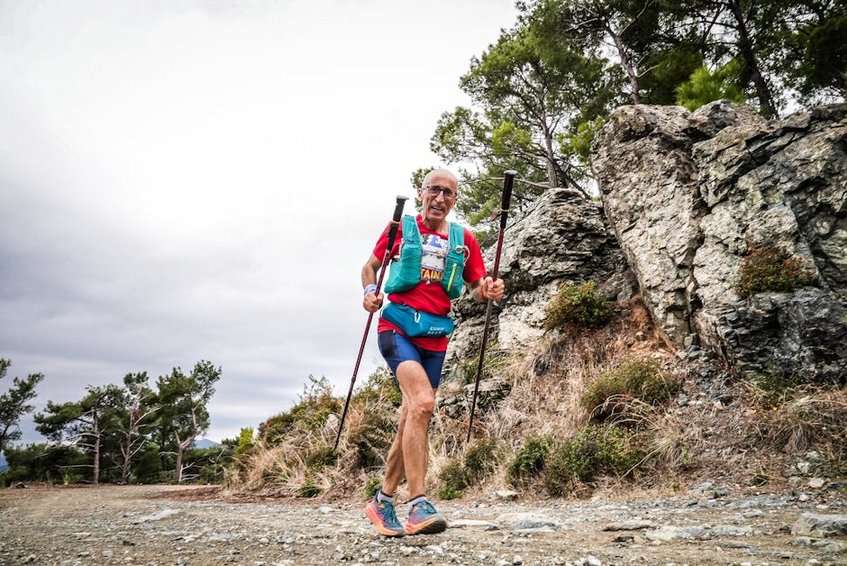
Alt: “kackar-mountains-alpine-trail-turkey-hidden-valley”
Hidden Nature Routes in Turkey – Planning Your Trip
Successfully exploring Turkey’s secret trails requires meticulous planning that balances adventure with practicality. Your itinerary must account for transportation between trailheads, which often involves a combination of buses, minibuses (dolmuş), and occasional taxis. Researching local transport schedules is crucial, as services to remote villages can be infrequent, especially outside the peak summer months.
Accommodation ranges from wild camping to basic guesthouses (pansiyons) in villages. For multi-day treks, you may need to carry camping gear or arrange for homestays, which are an incredible way to connect with local families. Budgeting should include costs for permits (required for some national parks like Kaçkar), village meals, and potential guide services for the most remote sections.
Best Time to Visit for Trekking
The ideal trekking season for most hidden nature routes in Turkey runs from late May to early October. In the Kaçkar Mountains, the window is shorter, from July to September, when high passes are snow-free and temperatures range from 50-75°F (10-24°C). This is the peak season for alpine hiking, with stable weather and accessible yaylas.
Spring (April-May) and autumn (October) are excellent for hiking in Cappadocia and the Mediterranean Taurus, with milder crowds and pleasant temperatures of 60-80°F (15-27°C). Winter trekking is only for experienced, equipped adventurers in specific low-altitude areas, as most high mountain routes become impassable and dangerous due to snow.
Budget Planning and Costs
Your budget depends heavily on style, from self-supported trekking to guided tours.
Essential Preparation Checklist
Packing for Turkey’s diverse trails requires careful selection. Essentials include broken-in hiking boots, a layered clothing system for sun, wind, and cold, a reliable rain jacket, and a sun hat. A sleeping bag is needed for camping or basic guesthouses, and a water purification method is vital for remote springs.
Documentation should include travel insurance covering emergency evacuation, a printed copy of your passport, and cash (Turkish Lira) for remote villages where cards are not accepted. Book international flights into Istanbul (IST) or Ankara (ESB) and allow a buffer day for domestic travel to your trailhead region. Check visa requirements, as many nationalities need an e-Visa before arrival.
Top Off-the-Beaten-Path Routes and Experiences
Beyond the famous Lycian Way, Turkey’s landscape is crisscrossed with lesser-known trails that promise solitude and discovery. These paths reveal the country’s geological wonders and cultural heritage in their most authentic forms. From coastal cliffs to high alpine passes, each route offers a unique window into a specific region’s character and history.
Choosing the right trail involves matching your fitness level and interests with the terrain. Some routes, like the valleys of Cappadocia, are suitable for day hikers, while others, such as trans-Kaçkar traverses, require multi-day trekking experience and self-sufficiency. Local guiding associations can provide current trail condition reports.
Must-See Hidden Trails
The Kaçkar Mountain Traverse is a premier alpine adventure, taking 7-10 days to cross the range via passes like Hevek and elevation over 10,000 feet. You pass turquoise glacial lakes like Deniz Gölü and stay in seasonal shepherds’ huts. This is a demanding but spectacular route.
Cappadocia’s Secret Valleys, including Güllüdere and Kızılçukur, offer easier day hikes through stunning rock formations. You can explore hundreds of unguarded rock-cut churches and dwellings adorned with fading frescoes, far from the tour groups in the open-air museums. Entrance is free, and the best light is early morning.
The St. Paul Trail, a 310-mile long-distance path from Perge to Yalvaç, follows the apostle’s first missionary journey. It’s less crowded than the Lycian Way and traverses dramatic gorges, Roman ruins, and pine forests. You can hike shorter, scenic sections like the ascent to Adada ancient city.
Hidden Gems and Local Favorites
The Sultan Marshes (Sultan Sazlığı) near Kayseri provide a completely flat but mesmerizing wetland hiking experience on boardwalks and dikes. It’s a birdwatcher’s paradise with over 300 species, including flamingos, and offers a stark contrast to mountain trekking. Visit at sunrise for the best wildlife activity.
For a coastal secret, explore the ancient shepherd paths above the remote village of Kabak, near Fethiye. These trails lead to secluded coves and offer breathtaking views of the turquoise Mediterranean without the boat traffic. You can often have an entire beach to yourself after a one-hour hike from the village.
In the remote northeast, the Mahya Peak area in the İstranca Mountains offers dense forest trails culminating at Turkey’s highest point in European territory. The region feels untouched, with opportunities to see wild deer and visit traditional Bulgarian-style villages.
Wildlife and Nature Encounters
These secluded routes offer chances to see wildlife like Anatolian brown bears in the Kaçkars (from a safe distance), wild horses in the forests near Mount Ararat, and countless bird species. Always observe animals from afar and store food securely when camping. The floral displays in spring, especially alpine meadows blooming with wildflowers, are unforgettable.
Responsible trekking is paramount. Practice Leave No Trace principles, pack out all trash, and use established campsites. Support the local economy by purchasing supplies in village shops and respecting private land and cultural sites. Your considerate presence helps preserve these fragile environments.
Practical Travel Information and Logistics
Navigating Turkey to reach these trailheads involves a mix of air, bus, and local transport. Major airports serve Istanbul, Ankara, Izmir, and Trabzon. From there, you’ll take long-distance buses to provincial hubs like Rize (for Kaçkars), Nevşehir (for Cappadocia), or Antalya (for Taurus trails). Purchase bus tickets online via companies like Metro Turizm or Kâmil Koç.
For the final leg to remote villages, you’ll use local dolmuş (shared minibuses) or arrange a taxi. Dolmuş schedules are rarely online, so ask at the local otogar (bus station). Renting a car provides maximum flexibility for reaching trailheads, but ensure it’s suitable for rough mountain roads. An International Driving Permit is required alongside your national license.
| Accommodation Type | Features & Best For | Price Range (USD/Night) |
|---|---|---|
| Village Pansiyon (Guesthouse) | Basic room, shared bathroom, home-cooked dinner & breakfast included. Best for cultural immersion. | $25-40 |
| Mountain Hut / Refuge | Dormitory-style bunk beds, simple meals available. Essential for multi-day alpine treks. | $15-25 |
| Boutique Cave Hotel | In Cappadocia, carved into rock, with modern amenities and breakfast. A unique splurge. | $80-150 |
| Wild Camping | Freedom and solitude. Requires full gear. Permitted in many rural areas away from villages. | $0 (Free) |